
Fashion Buying Fundamentals
The term SKU (Stock Keeping Unit) is the most fundamental identifier used by fashion buyers to track individual items. An SKU is a unique alphanumeric code that combines information about product type, colour, size and sometimes the season.…
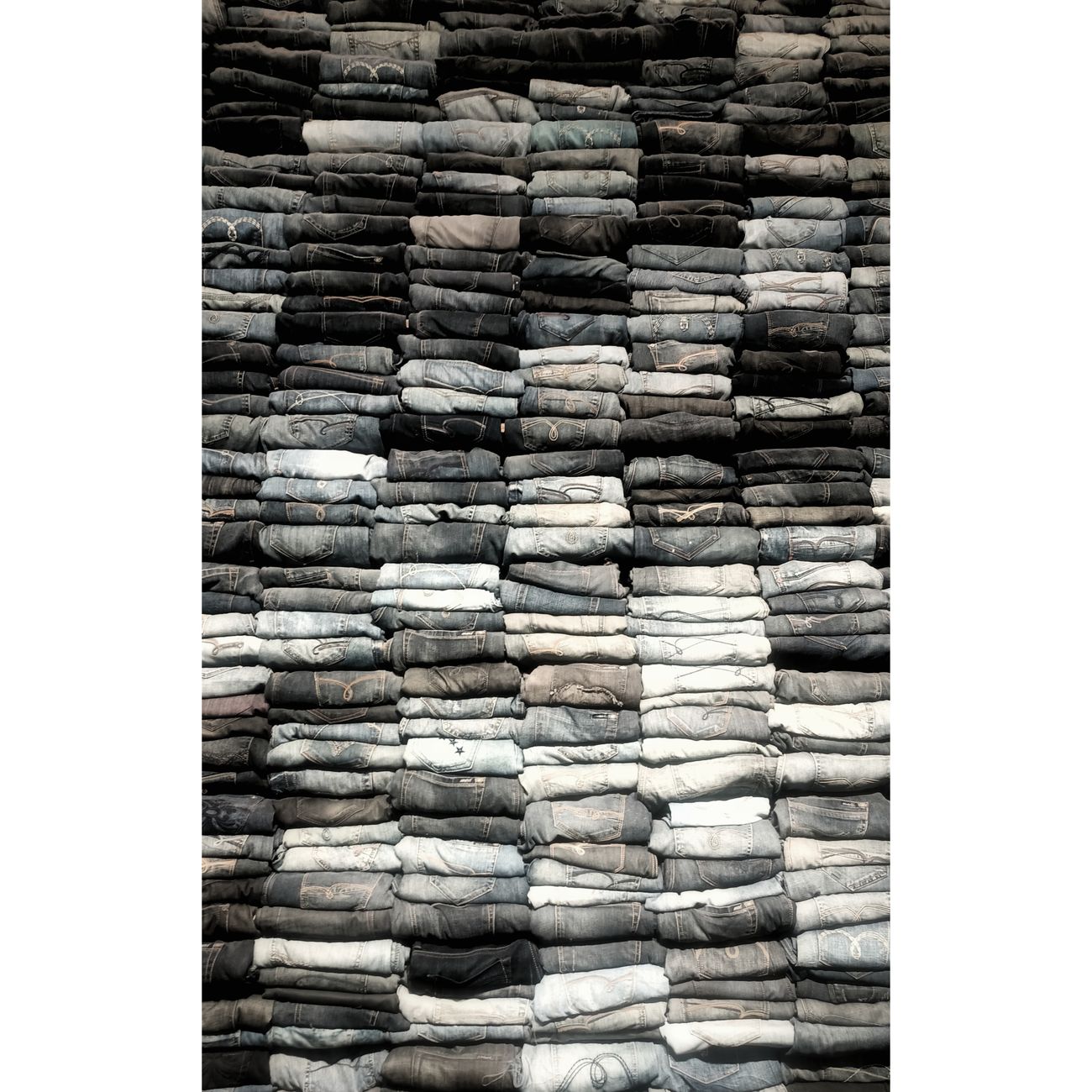
The term SKU (Stock Keeping Unit) is the most fundamental identifier used by fashion buyers to track individual items. An SKU is a unique alphanumeric code that combines information about product type, colour, size and sometimes the season. For example, a women’s blazer in charcoal, size medium, from the Spring‑Summer 2024 collection might be coded as BLZ‑2024‑CH‑M. This code allows the buying team to monitor sales velocity, manage inventory levels and generate accurate reports. In practice, the SKU becomes the primary reference when creating purchase orders, analysing sell‑through data and planning re‑orders. A common challenge is SKU proliferation; when too many variations are introduced, the system becomes unwieldy, leading to errors in stock counts and difficulty in forecasting demand.
A related concept is the UPC (Universal Product Code), a barcode that is scanned at the point of sale. While the SKU is an internal reference, the UPC is a globally recognised identifier that enables retailers to share data across different systems and even across retail chains. The UPC is essential for efficient checkout processes, inventory audits and for enabling the use of automated replenishment systems. Buyers must ensure that each SKU is matched to a correct UPC before the product reaches the store floor; mismatches can cause inventory discrepancies and lost sales.
The notion of season in fashion buying refers to the specific time window for which a collection is intended. In the United Kingdom, the main fashion seasons are Spring‑Summer (SS) and Autumn‑Winter (AW). Some brands also produce resort or pre‑season collections, known as “cruise” or “resort” lines, which are released between the main seasons to capture holiday travel markets. Understanding the seasonality of demand helps buyers allocate budget, plan deliveries and coordinate marketing campaigns. A typical challenge is the “seasonal lag” where a product’s popularity peaks after the official season has ended, requiring flexible stock management and potential markdown strategies.
A collection is a cohesive group of garments and accessories designed around a central theme, colour palette or silhouette. Collections are often presented at fashion weeks and are the basis for buying decisions. Within a collection, a line refers to a specific product category, such as outerwear, footwear or accessories. Buyers evaluate each line separately, considering factors such as market demand, price point and margin contribution. For instance, a luxury outerwear line may have a higher average selling price and margin, but a slower turnover rate compared to a casual footwear line. The challenge lies in balancing the depth of each line to meet consumer expectations without over‑stocking.
The term assortment describes the mix of products that a retailer offers to its customers. An assortment is defined by breadth (the number of categories) and depth (the number of SKUs within each category). A wide assortment may appeal to a broad customer base, but it also increases complexity in inventory management and visual merchandising. Conversely, a narrow assortment can simplify operations but risk missing sales opportunities. Buyers must analyse market data, store footfall and sales trends to determine the optimal assortment for each store format, whether it is a flagship location, a city centre boutique or an outlet.
A range is a subset of the assortment that focuses on a particular market segment or price tier. For example, a mid‑range denim range may include premium, standard and value‑priced jeans, each targeting different consumer groups. The concept of core versus capsule collections further refines this idea. A core collection represents the staple items that are expected to sell consistently year after year, such as classic white shirts or black trousers. A capsule collection, on the other hand, is a limited‑edition offering that capitalises on a current trend or a collaboration with a designer. Capsule collections generate excitement and can drive traffic, but they also carry higher risk if the trend fades quickly.
The process of trend forecasting is central to fashion buying. Trend forecasters analyse cultural, social and economic signals to predict which colours, fabrics, silhouettes and consumer behaviours will dominate the upcoming season. Tools such as colour forecasts from Pantone, material trend reports from WGSN and street style analysis are commonly used. Buyers translate these forecasts into concrete buying plans by selecting styles that align with the predicted trends while also considering the retailer’s brand DNA. A key challenge is the “forecast error” – when predicted trends do not materialise as expected, leading to excess inventory and increased markdowns.
The buying cycle outlines the stages from initial market research to final purchase order and post‑sale analysis. It typically includes market analysis, trend forecasting, assortment planning, vendor selection, negotiation, order placement, delivery monitoring, sales tracking and performance review. Each stage has its own set of metrics and decision points. For example, during the negotiation phase, buyers focus on securing favourable payment terms, lead times and minimum order quantities. In the post‑sale analysis, metrics such as sell‑through rate, gross margin and inventory turn are examined to inform the next buying cycle. Disruptions at any stage – such as delayed shipments or inaccurate sales data – can cascade and affect the entire cycle.
A purchase order (PO) is a formal document issued by the buyer to the vendor, specifying the quantity, style, colour, size, price and delivery schedule for each SKU. The PO serves as a legally binding contract and is the reference point for invoicing and payment. Accurate POs reduce the risk of order errors, which can lead to costly returns or stockouts. In practice, buyers often use electronic PO systems that integrate directly with inventory management software, allowing real‑time updates and faster communication with suppliers. One common challenge is the “change order” – when the buyer needs to amend the PO after it has been sent, requiring swift coordination to avoid production delays.
The concept of lead time refers to the period between the placement of a purchase order and the receipt of the goods at the distribution centre. Lead time varies depending on factors such as manufacturing location, complexity of the garment, customs clearance and shipping method. Understanding lead time is crucial for planning inventory levels and ensuring that new styles arrive in time for key selling periods, such as the launch of a season or a promotional event. Buyers often maintain a “buffer” period to accommodate unforeseen delays, but excessive buffers can tie up capital in inventory.
A margin is the difference between the selling price of a product and its cost of goods sold (COGS). There are two common ways to express margin: gross margin and net margin. Gross margin focuses on the direct cost of the product, while net margin includes additional expenses such as marketing, store overhead and logistics. Buyers aim to achieve target margin percentages that align with the retailer’s profitability goals. For instance, a fast‑fashion retailer may target a gross margin of 55 %, whereas a luxury brand might aim for 70 % due to higher perceived value. Managing margin involves not only negotiating favourable purchase prices but also setting appropriate retail prices and controlling markdowns.
A markup is the percentage added to the cost price to arrive at the retail price. It is closely related to margin but is calculated differently: markup = (selling price – cost) ÷ cost. Understanding the relationship between markup and margin helps buyers price products competitively while preserving profitability. For example, a 100 % markup on a garment that costs £30 results in a selling price of £60, which yields a gross margin of 50 %. Buyers must also consider market positioning, competitor pricing and consumer price sensitivity when determining markup levels.
A markdown is a reduction in the original selling price, typically used to stimulate sales of slow‑moving inventory or to clear space for new arrivals. Markdowns are a key component of the retail calendar, with planned periods such as end‑of‑season sales, Black Friday or mid‑season promotions. While markdowns can increase sell‑through, they also erode margin. Effective markdown planning involves analysing sales velocity, inventory levels and forecasted demand to determine the optimal timing and depth of price reductions. One challenge is “markdown creep,” where excessive or untimely markdowns become a habit, leading to chronic margin pressure.
A clearance sale is the final stage of the price reduction process, where products are sold at heavily discounted prices to liquidate remaining stock. Clearance items are often moved to outlet stores, discount websites or sold through third‑party channels. Buyers must decide early in the season the threshold at which a product will be moved to clearance, balancing the desire to recover some cost against the risk of brand dilution. Proper clearance management can free up warehouse space and improve cash flow, but it can also attract price‑sensitive shoppers who may devalue the brand.
The term stock turn (or inventory turnover) measures how many times inventory is sold and replaced within a given period, usually a year. It is calculated as cost of goods sold divided by average inventory value. A higher stock turn indicates efficient inventory management and strong demand, while a low stock turn suggests over‑stocking or weak sales. In fashion retail, a typical target stock turn might be between 3 and 5 for mid‑range apparel, but fast‑fashion retailers may aim for 10 or more. Buyers use stock turn data to adjust future buying quantities, reduce deadstock and improve cash conversion cycles.
Inventory refers to all goods that a retailer holds, including on‑hand stock in stores, distribution centres and in transit. Effective inventory management requires accurate tracking of each SKU’s quantity, location and status (e.g., allocated, on order, in quarantine). Modern retailers employ inventory management systems that integrate barcode scanning, RFID technology and real‑time data analytics. One of the biggest challenges is maintaining inventory accuracy across multiple channels, especially when sales occur simultaneously online and in‑store.
A stockout occurs when demand exceeds available inventory, resulting in missed sales opportunities and potential loss of customer loyalty. Stockouts are often caused by inaccurate forecasting, unexpected demand spikes or supply chain disruptions. Buyers mitigate stockout risk by maintaining safety stock, monitoring sales trends closely and using dynamic replenishment systems. However, holding too much safety stock can lead to increased holding costs and reduced profitability, so a balance must be struck.
Conversely, overstocks refer to excess inventory that exceeds forecasted demand. Overstocks tie up capital, increase storage costs and increase the likelihood of markdowns. They also contribute to “deadstock,” which is inventory that remains unsold for an extended period, often requiring disposal or donation. Overstocks can arise from over‑optimistic demand forecasts, inaccurate sizing assumptions or sudden changes in consumer preferences. Buyers address overstocks through promotional campaigns, bundle offers, cross‑selling and, if necessary, liquidation channels.
The reorder point (ROP) is the inventory level at which a new purchase order should be placed to replenish stock before a stockout occurs. It is calculated based on average daily usage, lead time and safety stock. For example, if a style sells an average of 5 units per day, has a lead time of 20 days, and a safety stock of 20 units, the ROP would be (5 × 20) + 20 = 120 units. When inventory reaches this level, the buying system triggers a replenishment alert. Accurate ROP settings depend on reliable sales data and consistent lead times.
Safety stock is additional inventory kept as a buffer against demand variability and supply uncertainties. The amount of safety stock is typically calculated using statistical methods that consider standard deviation of demand and lead time. While safety stock reduces the risk of stockouts, excessive safety stock inflates holding costs and can lead to overstock situations. Buyers must regularly review safety stock levels, especially after major events such as fashion weeks, holiday seasons or supply chain disruptions.
The economic order quantity (EOQ) is a formula used to determine the optimal order size that minimises total inventory costs, including ordering costs and holding costs. The classic EOQ formula is the square root of (2 × D × S) ÷ H, where D is annual demand, S is the cost per order and H is the holding cost per unit per year. While EOQ provides a theoretical optimum, real‑world constraints such as minimum order quantities, vendor capacity and seasonal constraints often require adjustments. Buyers use EOQ as a baseline, then incorporate practical considerations to arrive at a final order quantity.
A vendor is the external party that supplies goods to the retailer. Vendors may be manufacturers, wholesalers or agents. The relationship between buyer and vendor is governed by contracts, service level agreements and performance metrics such as on‑time delivery, quality compliance and invoice accuracy. Strong vendor relationships enable better negotiation power, collaborative product development and more flexible replenishment. However, reliance on a single vendor can create supply risk, so buyers often maintain a diversified vendor base.
A supplier is a broader term that includes any entity that provides raw materials, components or finished goods. In fashion, suppliers may provide fabrics, trims, zippers, buttons or finished garments. Supplier selection involves evaluating capabilities, compliance with ethical standards, cost structure and capacity to meet delivery schedules. Buyers often conduct supplier audits to verify compliance with labour laws, environmental regulations and quality standards. A common challenge is aligning supplier lead times with the fast‑changing demands of the fashion market.
A manufacturer is a specific type of supplier that physically produces the garments. Manufacturers can be domestic or offshore, each offering different cost structures, lead times and quality controls. Outsourcing production to low‑cost regions can improve margin, but it also introduces risks such as longer lead times, language barriers and reduced visibility into the production process. Buyers must balance cost savings with the need for speed, flexibility and ethical compliance.
The concept of private label refers to products that are designed and branded by the retailer but manufactured by an external vendor. Private label items allow retailers to control the design, pricing and brand narrative, often resulting in higher margins compared to national brands. For example, a department store may launch a private‑label denim line that offers comparable style to a leading brand but at a lower price point. The challenge lies in ensuring consistent quality and differentiating the private label from competitors.
An own brand is similar to a private label but is positioned as a distinct brand owned by the retailer, often with its own identity, marketing campaigns and design language. Own brands can range from value‑oriented to premium, depending on the retailer’s strategy. Successful own brands create brand equity, foster customer loyalty and provide a hedge against fluctuations in wholesale brand performance. However, developing an own brand requires investment in design talent, marketing and supply chain coordination.
The term consignment describes an arrangement where the retailer does not purchase inventory upfront but instead sells the goods on behalf of the vendor, paying the vendor only after the sale is made. Consignment reduces the retailer’s financial risk and allows for a broader assortment, but it also requires robust tracking and reporting systems to manage vendor payments and inventory visibility. A challenge with consignment is ensuring accurate stock counts, as the inventory is technically owned by the vendor until sold.
Drop ship is a logistics model where the retailer forwards the customer order directly to the vendor, who then ships the product to the consumer. Drop‑shipping eliminates the need for the retailer to hold inventory, reducing warehousing costs and allowing rapid expansion of product range. However, it places greater reliance on the vendor’s fulfillment capabilities and can impact delivery speed and return handling. Buyers must vet drop‑ship partners carefully, ensuring they meet service level agreements for order accuracy and on‑time delivery.
Open‑to‑Buy (OTB) is a financial control tool that limits the amount of capital that can be spent on new inventory during a specific period. OTB is calculated by subtracting the current value of existing inventory and planned markdowns from the total budget allocated for buying. This tool helps prevent over‑investment, maintains cash flow and ensures that buying decisions align with projected sales. A practical application of OTB is during a mid‑season review, where the buyer may adjust the OTB based on actual sales performance and market trends. The challenge is maintaining accurate forecasts and real‑time inventory data to keep OTB calculations reliable.
Allocation refers to the distribution of purchased inventory across different stores, channels or regions. Allocation decisions are driven by factors such as store performance, demographic profile, floor space and local market trends. For example, a best‑selling dress may be allocated more heavily to flagship stores in major cities, while a niche style may be limited to boutique locations. Effective allocation maximises sell‑through and reduces the need for inter‑store transfers. A common challenge is balancing equitable distribution with the need to meet high demand quickly, especially during flash sales or viral trends.
Distribution in the fashion context encompasses the movement of goods from the manufacturer to the retailer’s distribution centre, and subsequently to individual stores or directly to customers in the case of e‑commerce. Distribution strategies can be centralized, where a single hub serves all stores, or decentralized, with multiple regional hubs. The choice impacts lead times, transportation costs and inventory visibility. Buyers need to coordinate closely with logistics teams to ensure that distribution aligns with the buying calendar and promotional events.
SKU rationalisation is the process of reviewing and reducing the number of SKUs in a retailer’s assortment to improve efficiency and profitability. Rationalisation involves analysing sales data, margin contribution and inventory turnover for each SKU, then deciding which items to retain, consolidate or discontinue. The benefits include lower inventory holding costs, simplified supply chain management and clearer brand positioning. However, the process can be politically sensitive, as it may involve cutting styles that have loyal niche followings. Buyers must communicate rationalisation decisions clearly and provide alternatives to affected customers when possible.
Visual merchandising is the practice of presenting products in a way that enhances their appeal and encourages purchase. It includes window displays, in‑store fixtures, signage, lighting and product placement. Effective visual merchandising aligns with the brand’s aesthetic and the current campaign theme. For example, a summer collection may be displayed with bright lighting, beach‑inspired props and a colour‑coordinated layout to evoke a holiday mood. A challenge for buyers is ensuring that the visual merchandising plan is feasible within the constraints of store layout, budget and time.
A planogram is a diagram that shows the optimal placement of products on shelves or fixtures. Planograms are based on sales data, product dimensions, brand hierarchy and merchandising strategy. They help standardise the presentation across multiple stores, ensuring consistency and compliance with visual standards. Buyers provide input on planograms to ensure that the allocated space reflects the importance of each SKU and maximises visibility. Deviations from the planogram can result in reduced sales if high‑margin items are not given prominent placement.
Window dressing specifically refers to the design of storefront windows to attract passersby and communicate the season’s story. Effective window dressing uses focal points, layering, and narrative elements that align with the overall campaign. For example, a winter coat window might feature a faux snow backdrop, mannequins in layered outfits, and a bold headline that reads “Winter Warmth”. The challenge lies in updating windows frequently enough to stay fresh, while managing the cost of materials and labor.
Pricing strategy determines how a retailer sets the selling price of each product. Common strategies include penetration pricing (low initial price to gain market share), premium pricing (high price to signal exclusivity), and psychological pricing (e.g., £49.99 instead of £50). Buyers must consider cost, competitor pricing, target consumer price sensitivity and brand positioning when selecting a strategy. For instance, a luxury fashion house may adopt premium pricing to reinforce its high‑end image, whereas a fast‑fashion retailer may use penetration pricing to attract price‑conscious shoppers. The difficulty lies in balancing competitive pricing with the need to maintain healthy margins.
Penetration pricing is particularly useful when launching a new line or entering a new market segment. By offering a lower price than competitors, the retailer can quickly gain shelf space and consumer awareness. However, this approach can erode perceived value if not managed carefully, and it may lead to price wars with rivals. Buyers must set a clear time horizon for the penetration price, planning for a gradual price increase once the product gains traction.
Premium pricing leverages brand equity and product differentiation to command higher prices. Luxury retailers often use premium pricing to reinforce exclusivity, high quality and craftsmanship. Buyers supporting premium pricing must ensure that the product’s attributes – such as unique fabrics, limited production runs or designer collaboration – justify the price point. A challenge arises when consumer expectations shift, for example during economic downturns, where premium items may see reduced demand and require strategic promotions to sustain sales.
Price elasticity measures how sensitive demand is to changes in price. In fashion, elasticity varies by product category, brand strength and consumer segment. A highly elastic product, such as basic t‑shirts, may see significant sales fluctuations with small price changes. Conversely, a low‑elasticity product, such as a designer handbag, may maintain demand despite price hikes. Buyers use elasticity estimates to model the impact of price adjustments on revenue and profit, informing decisions on markdown timing and promotional discounts.
Consumer buying behaviour encompasses the processes and motivations that drive a shopper’s decision to purchase. It includes impulse purchase, planned purchase, need‑based purchase and emotional purchase. Understanding these behaviours helps buyers tailor assortments, pricing and marketing. For example, impulse purchases are often stimulated by strategic product placement near checkout counters, while planned purchases benefit from clear product information and easy navigation online. A key challenge is accurately segmenting customers to predict which behaviour dominates in each channel.
An impulse purchase occurs spontaneously, often triggered by visual cues, limited‑time offers or attractive packaging. Retailers encourage impulse buying through tactics such as “add‑on” accessories placed near the cash register, limited‑edition colourways displayed at eye level, or flash sales on the website. Buyers must allocate inventory for these high‑margin, low‑consideration items, ensuring sufficient stock without over‑committing space that could be used for core items.
A planned purchase is a deliberate decision made after research or consideration. Customers may plan to buy a specific garment for an upcoming event, looking for style, fit and price. To support planned purchases, buyers ensure that product information, size guides, and availability are clearly communicated online and in‑store. Providing seamless omnichannel services, such as click‑and‑collect, also enhances the planned purchase experience. The challenge lies in synchronising inventory data across channels to avoid “out‑of‑stock” frustrations at the moment of purchase.
A need‑based purchase is driven by a functional requirement, such as needing a winter coat for cold weather. Buyers must align product assortment with seasonal climate forecasts and regional temperature variations. For instance, stores in northern regions may require a larger allocation of heavy coats, while southern stores focus on lighter jackets. Accurate demand forecasting for need‑based products reduces the risk of both stockouts and excess inventory.
Demographic segmentation divides the market based on measurable characteristics such as age, gender, income, education and marital status. For example, a retailer may target women aged 25‑34 with a mid‑range price point, while offering a separate line for teenagers with trend‑focused designs. Buyers use demographic data to tailor product assortment, colour palettes and marketing messages. However, reliance solely on demographics can overlook deeper motivations, leading to mismatched product offerings.
Psychographic segmentation looks at lifestyle, values, attitudes and interests. A brand positioned around sustainability may target environmentally‑conscious consumers who value ethical sourcing and recycled materials. Buyers incorporate psychographic insights by selecting fabrics with low environmental impact, promoting transparent supply chains, and highlighting these attributes in product tags. The difficulty lies in obtaining reliable psychographic data, as it often requires primary research, surveys or social media analysis.
Target market combines demographic and psychographic profiles to define the specific group of consumers a retailer aims to serve. Clear definition of the target market guides the entire buying process, from trend selection to pricing and distribution. For example, a luxury retailer with a target market of affluent professionals will prioritize high‑quality fabrics, sophisticated silhouettes and premium pricing. Misalignment between the target market and the actual product assortment can result in poor sales performance and brand confusion.
Segmentation is the process of dividing the overall market into distinct groups that share similar characteristics. Effective segmentation enables buyers to create focused assortments that meet the specific needs of each group. Common segmentation bases include geography, climate, shopping behaviour and channel preference. A challenge in segmentation is ensuring that each segment is large enough to justify dedicated inventory, while also being distinct enough to require tailored product offerings.
Positioning refers to how a brand or product is perceived relative to competitors in the minds of consumers. Positioning is communicated through design language, price, marketing messages and retail environment. For instance, a brand positioned as “modern minimalism” will focus on clean lines, muted colours, and understated branding. Buyers must align the product assortment with this positioning, avoiding items that contradict the brand narrative. Inconsistent positioning can dilute brand equity and confuse shoppers.
Brand equity is the value that a brand adds to a product beyond its functional attributes. It encompasses consumer perceptions, loyalty, and the premium that can be commanded because of the brand name. Strong brand equity allows retailers to maintain higher margins and withstand competitive pressure. Buyers contribute to brand equity by selecting products that reinforce the brand’s core values, ensuring quality consistency, and protecting the brand’s visual identity through controlled merchandising. A risk to brand equity is over‑extension, where too many product categories dilute the core message.
Brand identity is the visual and verbal expression of a brand, including logo, colour palette, typography and tone of voice. Consistency in brand identity across all touchpoints – from product tags to website design – reinforces recognition and trust. Buyers must ensure that new product introductions adhere to brand identity guidelines, for example by using approved colourways or logo placements. Deviations can create a fragmented brand experience and weaken consumer connection.
Fashion calendar outlines the schedule of major fashion events, trade shows and buying windows throughout the year. In the United Kingdom, key dates include London Fashion Week (February and September), the Spring/Summer buying window (January‑March) and the Autumn/Winter buying window (July‑September). Understanding the fashion calendar enables buyers to time orders, negotiate with vendors and align product launches with market demand. A challenge is the accelerating pace of fast‑fashion cycles, which compress traditional buying windows and require more agile planning.
Fashion week is a series of runway shows where designers showcase their upcoming collections to buyers, media and influencers. Attendance at fashion weeks provides buyers with first‑hand exposure to new designs, fabric innovations and emerging trends. Buyers often compile a “buy list” based on runway looks that align with their target market and brand positioning. However, translating runway concepts into sellable retail products requires careful adaptation, as runway pieces may be avant‑garde or impractical for mass production.
Trade show is an exhibition where vendors display their product ranges to potential buyers, often featuring ready‑to‑order samples, technical specifications and pricing. Trade shows such as Pure London or the London Textile Fair allow buyers to meet multiple suppliers in one location, compare quality, negotiate terms and discover new fabrics or trims. The logistical challenge is managing the volume of information and samples, ensuring that follow‑up actions are documented and that the most promising opportunities are pursued.
Showroom is a dedicated space where vendors present their collections to buyers in a more controlled environment than a trade show. Showrooms enable deeper product education, fitting sessions and detailed discussions about customization or exclusive collaborations. Buyers may schedule appointments to review seasonal lines, discuss lead times and negotiate private‑label opportunities. Showroom visits often require travel and careful planning to maximise the limited time available.
Collection presentation encompasses the visual and narrative elements used to convey the story behind a collection. This may include mood boards, fabric swatches, sketches and a curated runway show. Buyers interpret the collection presentation to assess its relevance to their market, potential sell‑through and alignment with brand identity. A clear presentation helps buyers make informed decisions quickly, whereas a vague or overly artistic presentation can obscure commercial viability.
Lookbook is a printed or digital publication that showcases a collection through styled photographs, model shots and descriptive text. Lookbooks serve as a sales tool for buyers, providing visual inspiration and context for each style. Buyers use lookbooks to envision how garments will be merchandised in store displays and to communicate the collection’s story to visual merchandisers. The challenge is ensuring that the lookbook accurately reflects the final product, as discrepancies can lead to misaligned expectations.
Mood board is a collage of images, colour swatches, textures and inspirational material that captures the emotional tone of a collection. Mood boards guide designers and buyers in aligning creative direction with market expectations. For instance, a mood board featuring urban streetwear, muted greys and recycled denim signals a sustainable, city‑centric collection. Buyers reference mood boards when selecting pieces that reinforce the intended narrative.
Fabric refers to the primary material from which a garment is constructed. Fabric selection influences the look, feel, durability, care requirements and price of a product. Common fabrics include cotton, wool, polyester, silk and blends. Buyers must assess fabric performance, sustainability credentials and cost when making selections. For example, a high‑performance outerwear line may require water‑repellent, breathable fabrics, whereas a casual t‑shirt line may prioritise softness and affordability. Fabric sourcing can present challenges such as supply shortages, fluctuating raw material costs and compliance with environmental standards.
Material is a broader term that includes fabrics, trims, linings and accessories used in garment construction. Material choices affect the overall quality and aesthetic of a product. Buyers often request material samples to evaluate texture, weight, drape and colour fidelity before committing to large orders. Material costs also directly impact the final retail price, so buyers negotiate with suppliers to achieve a balance between quality and cost.
Trim includes all the decorative or functional elements that are added to a garment, such as buttons, zippers, embroidery, sequins and patches. Trims can differentiate a product, add perceived value, and influence manufacturing complexity. For example, a high‑end dress may feature hand‑sewn beading, while a mass‑market shirt may use standard plastic buttons. Buyers must consider trim availability, cost, and lead time, as custom trims can cause production delays if not sourced well in advance.
Garment construction describes the methods used to assemble a piece of clothing, including stitching techniques, seam finishes and pattern alignment. High‑quality construction contributes to durability and brand reputation. Buyers often conduct fit sessions and quality inspections to assess construction standards before approving large volumes. Complex construction may increase unit cost and lead time, so buyers need to weigh the added value against commercial considerations.
Fit is the relationship between a garment’s dimensions and the body shape of the wearer. Accurate fit is critical for customer satisfaction and reduces return rates. Fit is evaluated through size sets, model fittings and real‑customer trials. Buyers collaborate with designers to adjust grading tables, alter pattern pieces, and ensure that the final product meets the target market’s sizing expectations. A common challenge is maintaining consistent fit across multiple vendors, especially when producing the same style in different factories.
Size grading is the process of scaling a base pattern to create a full size range. Grading involves mathematical adjustments to key measurements, ensuring proportional growth or shrinkage across sizes. Accurate grading prevents fit inconsistencies that could lead to returns. Buyers may request grading samples for each size tier to verify that the proportions meet consumer expectations. Inconsistent grading can result in “size gaps,” where certain sizes fit poorly, harming brand perception.
Size set is a collection of sample garments that represent the full size range of a style, typically including XS, S, M, L and XL. Size sets allow buyers to evaluate fit, proportion and visual appeal across the spectrum before committing to production. They also serve as reference points for quality control during manufacturing. The challenge lies in producing size sets quickly enough to keep pace with fast‑fashion timelines, while ensuring that each size maintains the intended design integrity.
Sample refers to a prototype of a garment used for evaluation, marketing or production approval. There are several types of samples: pre‑production samples, production samples, commercial samples and fit samples. Each serves a distinct purpose in the development process. For instance, a pre‑production sample may be used to confirm fabric and trim choices, while a commercial sample is the final product that will be displayed in stores. Managing the sample workflow efficiently is essential to avoid delays and cost overruns.
Pre‑production sample is created after the design is finalised but before mass production begins. It incorporates the chosen fabric, trims and construction methods, allowing the buyer to assess quality and compliance with specifications. Any issues identified in the pre‑production sample trigger revisions to the tech pack or pattern before the first bulk run. The challenge is that changes at this stage can impact lead time and cost, especially if the supplier must re‑source materials.
Production sample is taken from the first bulk run and represents the actual manufacturing output. The production sample is inspected for consistency, colour accuracy, stitching quality and overall compliance with the approved pre‑production sample. Buyers use production samples to confirm that the supplier can replicate the design at scale. If discrepancies are found, corrective actions such as re‑work or additional quality checks are initiated. Production samples are critical for maintaining brand standards across multiple factories.
Commercial sample is the final, market‑ready version of a product that will be displayed in the retailer’s showroom or on the website. It embodies the exact look, feel and branding intended for the consumer. Commercial samples are used for marketing photography, visual merchandising and sales training. They must be flawless, as any defect becomes visible to customers and can damage the brand’s reputation. Securing high‑quality commercial samples often requires close coordination between the buyer, designer and vendor.
Quality assurance (QA) is a systematic process that ensures products meet defined standards before they reach the market. QA activities include fabric testing, seam inspection, colour matching and measurement verification. Buyers work with QA teams to develop inspection criteria, schedule audits and approve final shipments. Effective QA reduces returns, improves customer satisfaction and protects brand integrity. However, QA can add time and cost to the production cycle, so buyers must balance thoroughness with speed.
Fit session is a collaborative meeting where designers, buyers, merchandisers and sometimes models review garment samples to assess fit, proportion and style. During a fit session, participants provide feedback on adjustments needed, such as altering sleeve length, adjusting waist placement or modifying the cut. The session may be repeated several times until the desired fit is achieved. Fit sessions are essential for aligning design intent
Key takeaways
- A common challenge is SKU proliferation; when too many variations are introduced, the system becomes unwieldy, leading to errors in stock counts and difficulty in forecasting demand.
- While the SKU is an internal reference, the UPC is a globally recognised identifier that enables retailers to share data across different systems and even across retail chains.
- A typical challenge is the “seasonal lag” where a product’s popularity peaks after the official season has ended, requiring flexible stock management and potential markdown strategies.
- For instance, a luxury outerwear line may have a higher average selling price and margin, but a slower turnover rate compared to a casual footwear line.
- Buyers must analyse market data, store footfall and sales trends to determine the optimal assortment for each store format, whether it is a flagship location, a city centre boutique or an outlet.
- A core collection represents the staple items that are expected to sell consistently year after year, such as classic white shirts or black trousers.
- Trend forecasters analyse cultural, social and economic signals to predict which colours, fabrics, silhouettes and consumer behaviours will dominate the upcoming season.