
Luxury Brand Management
Luxury brand management is a complex and multifaceted field that requires a deep understanding of the luxury market, consumer behavior, and the unique characteristics of luxury brands. At its core, luxury brand management is about creating …
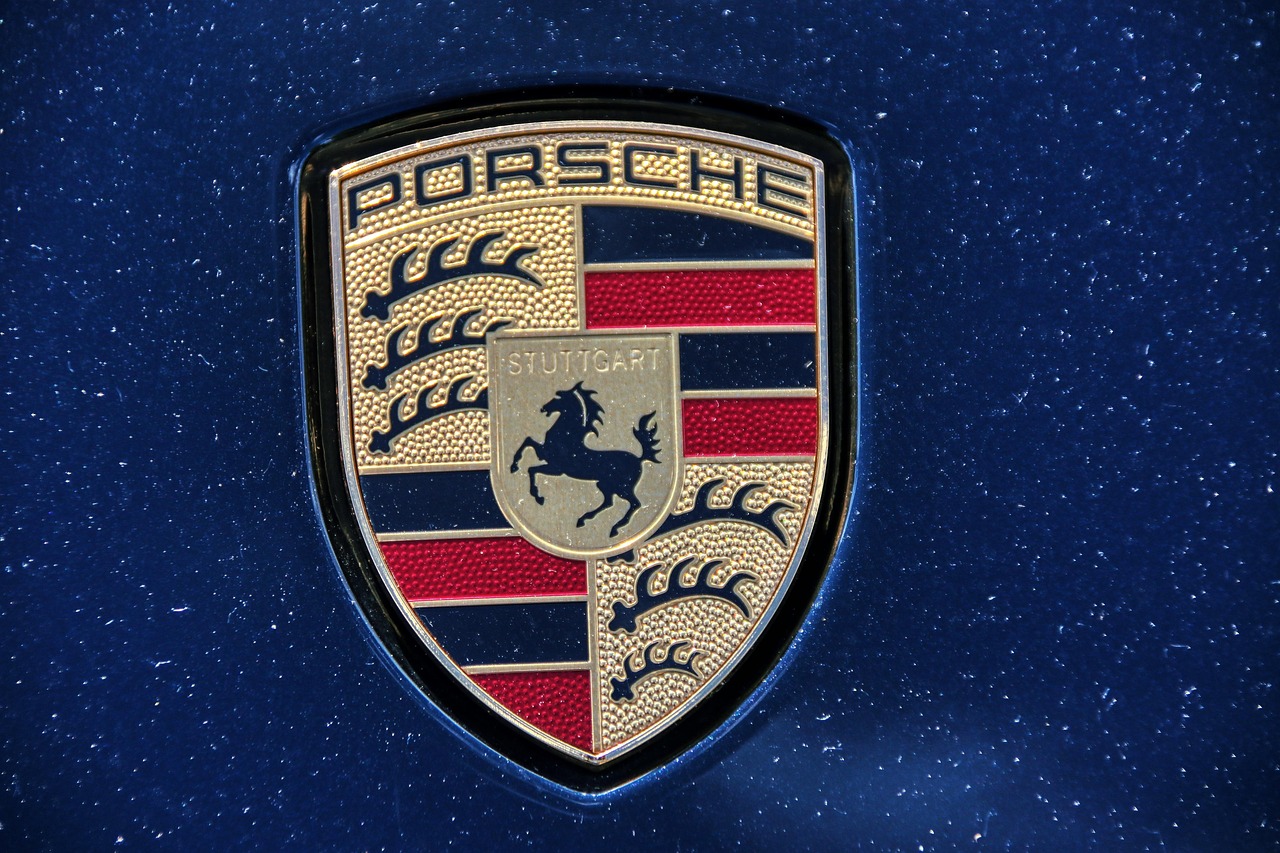
Luxury brand management is a complex and multifaceted field that requires a deep understanding of the luxury market, consumer behavior, and the unique characteristics of luxury brands. At its core, luxury brand management is about creating and maintaining a brand that embodies exclusivity, high quality, and superior craftsmanship. Luxury brands are often associated with premium prices, and as such, they must deliver a corresponding level of value and exclusivity to their customers.
One of the key concepts in luxury brand management is the idea of brand identity. A luxury brand's identity is rooted in its heritage and history, and is often reflected in its visual identity, including its logo, color palette, and typography. Luxury brands must carefully manage their brand identity to ensure that it is consistently communicated across all touchpoints, from advertising and marketing to product design and retail experience.
Another important concept in luxury brand management is the idea of brand positioning. Luxury brands must carefully position themselves in the market to appeal to their target audience and to differentiate themselves from competitors. This involves identifying the brand's unique selling proposition (USP) and communicating it effectively to customers. Luxury brands must also be mindful of their brand reputation and take steps to protect it from negative publicity and counterfeiting.
In addition to brand identity and positioning, luxury brand management also involves managing the customer experience. Luxury brands must create a seamless and integrated experience across all touchpoints, from e-commerce and social media to retail stores and customer service. This involves understanding the customer journey and identifying opportunities to delight and surprise customers.
Luxury brands must also be mindful of the psychological and emotional aspects of the customer experience. Luxury customers are often motivated by status and prestige, and luxury brands must tap into these desires and aspirations. This involves creating a sense of exclusivity and scarcity around the brand, as well as using storytelling and imagery to create an emotional connection with customers.
The luxury market is also characterized by a high level of seasonality, with many luxury brands offering limited edition products and seasonal collections. Luxury brands must carefully manage their product lifecycle to ensure that products are fresh and exciting, and that customers are engaged and interested in the brand.
In terms of marketing and communication, luxury brands must be mindful of the channels and media they use to reach their target audience. Luxury brands often use high-end print and digital media, as well as experiential marketing and events to create a sense of exclusivity and luxury. They must also be careful to target their marketing efforts to the right audience, using data and analytics to segment and profile their customers.
The digital landscape has also had a significant impact on the luxury market, with many luxury brands now using e-commerce and social media to reach their customers. Luxury brands must be mindful of the user experience and ensure that their digital presence is seamless and integrated with their offline presence. They must also be careful to protect their brand reputation online, using social media monitoring and reputation management tools to track and respond to customer feedback and concerns.
In addition to these challenges, luxury brands must also navigate the complex global landscape, with many luxury brands now operating in multiple markets and regions. Luxury brands must be mindful of cultural and regional differences, and ensure that their brand identity and marketing efforts are tailored to each market. They must also be careful to comply with local laws and regulations, and to respect the cultural and social norms of each market.
The sustainability and responsibility of luxury brands is also becoming an increasingly important issue, with many luxury brands now prioritizing environmental and social responsibility. Luxury brands must be mindful of the impact of their operations and supply chain on the environment and society, and take steps to reduce their footprint and improve their sustainability. This involves implementing sustainable practices and supply chain management, as well as reporting and transparency around their sustainability efforts.
Luxury brands must also be mindful of the changing nature of the luxury market, with many luxury brands now facing disruption from new entrants and innovative business models. Luxury brands must be agile and adapt to these changes, using data and analytics to inform their strategic decisions and stay ahead of the competition.
In terms of strategic management, luxury brands must be mindful of their mission and vision, and ensure that their strategic objectives are aligned with their brand identity and values. Luxury brands must also be careful to allocate their resources effectively, using budgeting and forecasting tools to manage their finances and operations.
The organization and structure of luxury brands is also critical, with many luxury brands now adopting flat and agile organizational structures to facilitate innovation and collaboration. Luxury brands must also be mindful of their talent management and leadership development, using training and development programs to attract and retain top talent.
The performance measurement and evaluation of luxury brands is also an important aspect of luxury brand management, with many luxury brands now using key performance indicators (KPIs) and balanced scorecards to measure and evaluate their performance. Luxury brands must also be careful to set and track their goals and objectives, using data and analytics to inform their strategic decisions and drive growth and profitability.
In terms of challenges and opportunities, luxury brands face a range of complex and dynamic challenges, from globalization and digitalization to sustainability and responsibility. Luxury brands must be agile and adapt to these changes, using innovation and creativity to stay ahead of the competition and drive growth and profitability.
The future of luxury brand management is also likely to be shaped by a range of emerging trends and technologies, from artificial intelligence and machine learning to virtual and augmented reality. Luxury brands must be mindful of these trends and technologies, and use them to innovate and differentiate themselves in the market.
Overall, luxury brand management is a complex and multifaceted field that requires a deep understanding of the luxury market, consumer behavior, and the unique characteristics of luxury brands. By mastering the key concepts and vocabulary of luxury brand management, luxury brands can create a strong brand identity and positioning, manage the customer experience, and drive growth and profitability in the luxury market.
The concept of omnichannel retail is also becoming increasingly important in luxury brand management, as luxury brands seek to create a seamless and integrated experience across all channels and touchpoints. This involves using data and analytics to inform strategic decisions and optimize the customer experience, as well as investing in digital and technology to enhance the customer experience and drive engagement and loyalty.
Luxury brands must also be mindful of the role of influencers and ambassadors in luxury brand management, as
The concept of experiential marketing is also becoming increasingly important in luxury brand management, as luxury brands seek to create immersive and memorable experiences for their customers. This involves using events, exhibitions, and activations to create a sense of excitement and anticipation around the brand, as well as investing in digital and technology to enhance the customer experience and drive engagement and loyalty.
In terms of global luxury brand management, luxury brands must be mindful of the cultural and regional differences that exist across different markets and regions. Luxury brands must carefully adapt their brand identity and marketing efforts to each market, using local insights and research to inform their strategic decisions and drive growth and profitability.
The financial management of luxury brands is also critical, as luxury brands must carefully manage their finances and operations to drive growth and profitability. Luxury brands must use budgeting and forecasting tools to manage their finances and operations, as well as investing in digital and technology to enhance the customer experience and drive engagement and loyalty.
In the luxury market, brand extension is a common strategy used by luxury brands to expand their product offerings and reach new customers. However, luxury brands must be careful to protect their brand reputation and integrity when extending their brand, as over-extension can dilute the brand and damage its reputation.
The concept of co-branding is also becoming increasingly important in luxury brand management, as luxury brands seek to partner with other brands and organizations to create new and innovative products and experiences. Luxury brands must carefully select and manage their co-branding partnerships, using data and analytics to measure and evaluate the effectiveness of their co-branding efforts.
In terms of digital luxury brand management, luxury brands must be mindful of the importance of digital and social media in the luxury market. Luxury brands must use digital and social media to create a sense of excitement and anticipation around the brand, as well as investing in digital and technology to enhance the customer experience and drive engagement and loyalty.
The concept of luxury is also evolving, with many luxury brands now redefining what it means to be luxurious. Luxury brands must be mindful of these changes and evolve their brand identity and marketing efforts to reflect the new definition of luxury.
In addition, luxury brands must also be mindful of the role of sustainability and responsibility in the luxury market. Luxury brands must use sustainable and responsible practices to reduce their environmental and social impact, as well as investing in initiatives and programs that promote sustainability and responsibility.
The concept of brand heritage is also critical in luxury brand management, as luxury brands must carefully manage and leverage their heritage to create a sense of history and tradition around the brand. Luxury brands must use their heritage to differentiate themselves from competitors and create a sense of exclusivity and luxury around the brand.
In terms of marketing and communication, luxury brands must be mindful of the importance of storytelling and imagery in the luxury market. Luxury brands must use storytelling and imagery to create a sense of emotion and connection with their customers, as well as investing in digital and technology to enhance the customer experience and drive engagement and loyalty.
The concept of customer lifetime value is also critical in luxury brand management, as luxury brands must carefully manage and maximize the lifetime value of their customers. Luxury brands must use data and analytics to inform their strategic decisions and drive growth and profitability in the luxury market.
In addition, luxury brands must also be mindful of the role of data and analytics in luxury brand management. Luxury brands must use data and analytics to inform their strategic decisions and drive growth and profitability in the luxury market, as well as investing in digital and technology to enhance the customer experience and drive engagement and loyalty.
The concept of digital transformation is also becoming increasingly important in luxury brand management, as luxury brands seek to transform their businesses and operations to stay ahead of the competition and drive growth and profitability in the luxury market. Luxury brands must use digital and technology to enhance the customer experience and drive engagement and loyalty, as well as investing in initiatives and programs that promote sustainability and responsibility.
In the luxury market, brand loyalty is a critical concept that luxury brands must carefully manage and maximize. Luxury brands must use data and analytics to inform their strategic decisions and drive growth and profitability in the luxury market, as well as investing in initiatives and programs that promote loyalty and retention among their customers.
The concept of customer journey mapping is also critical in luxury brand management, as luxury brands must carefully map and manage the customer journey to create a sense of seamlessness and integration across all touchpoints and channels.
In terms of marketing and communication, luxury brands must be mindful of the importance of personalization and customization in the luxury market. Luxury brands must use data and analytics to inform their strategic decisions and drive growth and profitability in the luxury market, as well as investing in initiatives and programs that promote personalization and customization among their customers.
The concept of luxury experience is also critical in luxury brand management, as luxury brands must carefully create and manage the luxury experience to create a sense of emotion and connection with their customers. Luxury brands must use data and analytics to inform their strategic decisions and drive growth and profitability in the luxury market, as well as investing in initiatives and programs that promote the luxury experience among their customers.
In addition, luxury brands must also be mindful of the role of technology and innovation in luxury brand management. Luxury brands must use technology and innovation to enhance the customer experience and drive engagement and loyalty, as well as investing in initiatives and programs that promote sustainability and responsibility.
The concept of globalization is also becoming increasingly important in luxury brand management, as luxury brands seek to expand their reach and presence in the global market. Luxury brands must use data and analytics to inform their strategic decisions and drive growth and profitability in the luxury market, as well as investing in initiatives and programs that promote globalization and cultural sensitivity among their customers.
In the luxury market, brand reputation is a critical asset that luxury brands must carefully manage and protect. Luxury brands must use data and analytics to inform their strategic decisions and drive growth and profitability in the luxury market, as well as investing in initiatives and programs that promote reputation and trust among their customers.
The concept of crisis management is also critical in luxury brand management, as luxury brands must be prepared to manage and respond to crises and challenges in the luxury market. Luxury brands must use data and analytics to inform their strategic decisions and drive growth and profitability in the luxury market, as well as investing in initiatives and programs that promote crisis management and reputation protection among their customers.
In terms of marketing and communication, luxury brands must be mindful of the importance of authenticity and transparency in the luxury market. Luxury brands must use data and analytics to inform their strategic decisions and drive growth and profitability in the luxury market, as well as investing in initiatives and programs that promote authenticity and transparency among their customers.
In addition, luxury brands must also be mindful of the role of innovation and creativity in luxury brand management. Luxury brands must use innovation and creativity to enhance the customer experience and drive engagement and loyalty, as well as investing in initiatives and programs that promote innovation and creativity among their customers.
The concept of global luxury is also becoming increasingly important in luxury brand management, as luxury brands seek to expand their reach and presence in the global market.
The concept of luxury brand management is critical in the luxury market, as luxury brands must carefully manage and protect their brand identity and reputation. Luxury brands must use data and analytics to inform their strategic decisions and drive growth and profitability in the luxury market, as well as investing in initiatives and programs that promote luxury brand management and excellence among their customers.
Luxury brands must use storytelling and imagery to create a sense of emotion and connection with their customers, as well as investing in initiatives and programs that promote storytelling and imagery among their customers.
The concept of customer experience management is also critical in luxury brand management, as luxury brands must carefully manage and enhance the customer experience to create a sense of loyalty and retention among their customers.
Key takeaways
- Luxury brand management is a complex and multifaceted field that requires a deep understanding of the luxury market, consumer behavior, and the unique characteristics of luxury brands.
- Luxury brands must carefully manage their brand identity to ensure that it is consistently communicated across all touchpoints, from advertising and marketing to product design and retail experience.
- Luxury brands must carefully position themselves in the market to appeal to their target audience and to differentiate themselves from competitors.
- Luxury brands must create a seamless and integrated experience across all touchpoints, from e-commerce and social media to retail stores and customer service.
- This involves creating a sense of exclusivity and scarcity around the brand, as well as using storytelling and imagery to create an emotional connection with customers.
- Luxury brands must carefully manage their product lifecycle to ensure that products are fresh and exciting, and that customers are engaged and interested in the brand.
- Luxury brands often use high-end print and digital media, as well as experiential marketing and events to create a sense of exclusivity and luxury.