
Reflective Practice and Lifelong Learning
Reflective practice is a systematic process through which music educators examine their own teaching experiences, decisions, and outcomes in order to gain deeper insight and improve future performance. In the context of adaptive music instr…
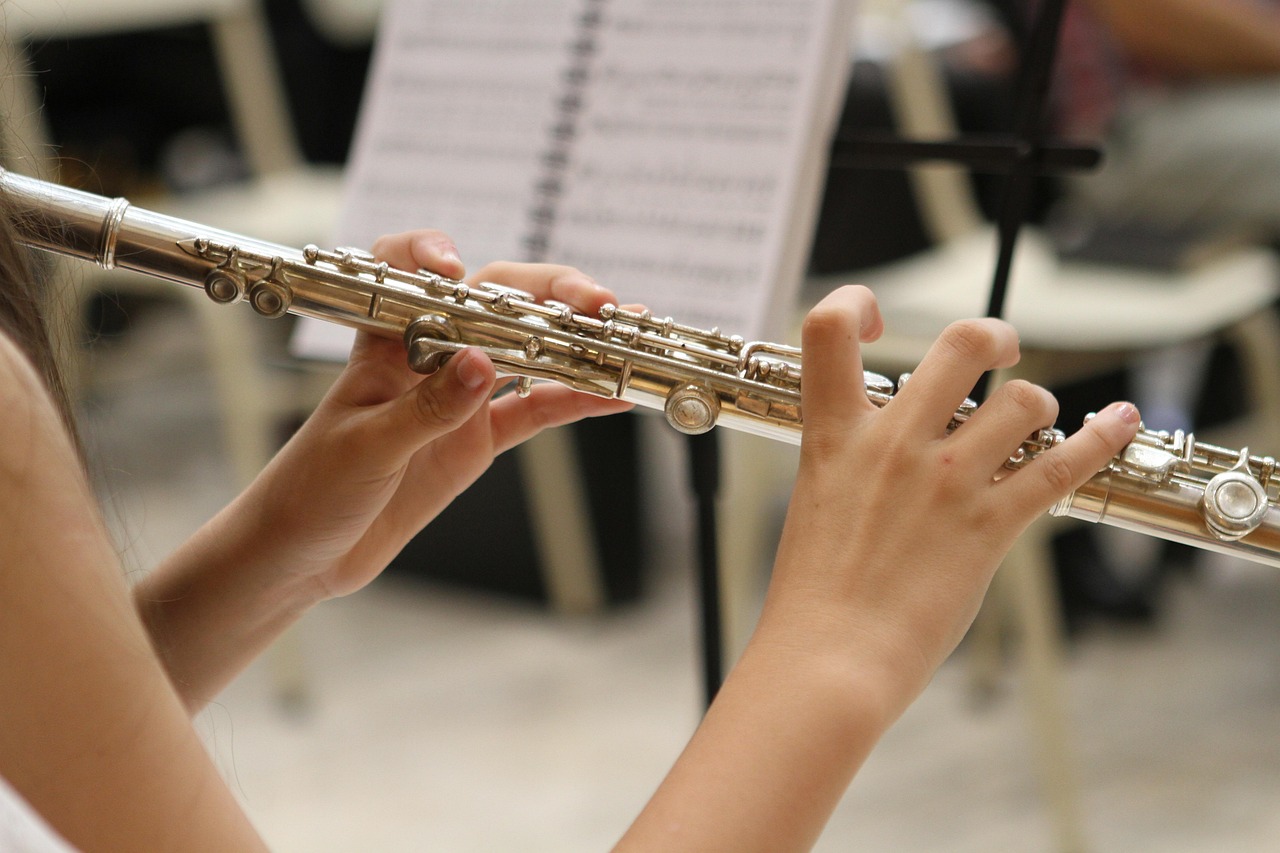
Reflective practice is a systematic process through which music educators examine their own teaching experiences, decisions, and outcomes in order to gain deeper insight and improve future performance. In the context of adaptive music instruction, reflective practice involves considering not only the musical content but also the diverse learning needs, cultural backgrounds, and emotional states of each student. By engaging in reflective practice, instructors develop a habit of continuous self‑evaluation that aligns with the broader goal of lifelong learning.
The term adaptive instruction refers to the intentional modification of teaching strategies, materials, and assessment methods to accommodate the varied abilities, interests, and learning styles of students. Adaptive instruction is not a one‑size‑fits‑all approach; it requires the educator to remain flexible, to diagnose individual needs, and to implement appropriate accommodations while maintaining high artistic standards. When reflective practice is combined with adaptive instruction, teachers become more attuned to the subtle ways in which students respond to different musical stimuli, thereby creating more inclusive and effective learning environments.
Self‑assessment is a core component of reflective practice. It involves the educator’s own judgment about the quality of their teaching, often using rubrics, checklists, or journals. A practical example might be a teacher who records a rehearsal session and later reviews the footage, noting moments where students displayed engagement or disengagement, and identifying the instructional choices that led to those outcomes. Self‑assessment can be enhanced through the use of a reflective journal, a written record where the instructor notes daily observations, feelings, and questions about their practice. Over time, the journal becomes a valuable archive that reveals patterns, growth, and areas requiring further development.
Peer feedback adds an external perspective to the reflective cycle. In a professional development workshop, teachers might exchange lesson plans and observe each other’s classes, providing constructive comments on clarity of instruction, classroom management, and adaptability. Peer feedback is most effective when it follows a structured protocol, such as the “plus‑delta” method, which highlights strengths (plus) and suggests areas for improvement (delta). For example, a colleague might observe that a teacher’s use of visual aids during rhythm instruction was effective (plus) but that the pacing of the activity could be slowed for students with processing difficulties (delta).
Critical incident analysis focuses on specific events that had a significant impact on learning. An incident could be a student’s breakthrough in improvisation, a sudden technical failure of equipment, or a cultural misunderstanding during a group performance. By dissecting the incident—identifying the context, actions taken, and outcomes—the educator can extract lessons that inform future practice. For instance, a teacher who notices that a student’s improvisation improved after a brief discussion about personal musical influences might incorporate similar discussions into other lessons, recognizing the power of personal relevance.
Professional learning community (PLC) is a collaborative network of educators who share a commitment to ongoing improvement. In a PLC focused on adaptive music instruction, members might meet monthly to discuss research articles, share resources, and co‑design lesson adaptations. The PLC provides a supportive environment for experimenting with new strategies, receiving feedback, and celebrating successes. A practical activity within a PLC could involve a “lesson‑swap” where each member teaches a short segment of a piece, applying a specific adaptive technique, and then reflects together on its effectiveness.
Formative assessment is an ongoing process that gathers information about student learning during instruction, allowing the teacher to adjust teaching in real time. In adaptive music settings, formative assessment can include quick checks such as clapping rhythms, using exit tickets that ask students to write a brief reflection on what they learned, or employing digital tools that track practice time and accuracy. By interpreting these data, the educator can differentiate instruction, offering additional support to those who struggle and enrichment to those who excel.
Summative assessment, by contrast, evaluates student learning at the end of a unit or course, often through performances, written tests, or portfolio reviews. While summative assessment provides a final measure of achievement, reflective practice encourages teachers to view the results not as static judgments but as feedback for future instructional design. For example, if a student receives a low mark on a sight‑reading exam, the teacher might reflect on whether the instructional sequence provided sufficient scaffolding, and then redesign the sequence to include more incremental challenges.
Metacognition refers to the awareness and regulation of one’s own thinking processes. In the context of music teaching, metacognition involves both the teacher’s and the student’s ability to plan, monitor, and evaluate their learning strategies. Teachers can foster metacognitive skills by prompting students with questions such as “What do you notice about the phrasing in this passage?” Or “How will you approach the next practice session?” When teachers model metacognitive thinking—thinking aloud about why they choose a particular fingering or articulation—they provide a transparent example that students can emulate.
Differentiated instruction is a pedagogical approach that tailors content, process, and product to meet diverse learner needs. Differentiation can be achieved through varied instructional methods (e.G., Auditory, visual, kinesthetic), flexible grouping (e.G., Homogeneous versus heterogeneous ensembles), and alternative assessment options (e.G., Recorded performances, live demonstrations, or written analyses). A concrete example: In a lesson on chord progressions, one group might explore the harmonic structure using a keyboard, another might use a visual diagram, while a third might compose a short melody over the chords, each engaging with the concept in a manner that aligns with their strengths.
Universal Design for Learning (UDL) is a framework that guides the creation of instructional environments that are accessible to all learners. UDL emphasizes three principles: Multiple means of representation, multiple means of action and expression, and multiple means of engagement. Applying UDL to music instruction could involve providing sheet music in both standard notation and graphic notation, offering options for students to demonstrate understanding through performance, composition, or digital sequencing, and designing motivational activities that connect music to students’ cultural identities. Reflective practice helps teachers evaluate whether their lessons truly embody UDL principles, prompting adjustments when barriers are identified.
Scaffolding is a temporary support structure that enables learners to accomplish tasks they could not yet perform independently. In adaptive music settings, scaffolding may take the form of breaking a complex piece into manageable sections, providing a simplified rhythmic pattern before introducing syncopation, or using a visual cue system to indicate dynamic changes. As competence grows, the scaffolds are gradually removed, encouraging autonomy. Reflective teachers monitor how quickly students release reliance on scaffolds, using that data to calibrate the level of support provided in future lessons.
Portfolio is a curated collection of a teacher’s work that showcases evidence of practice, reflection, and professional growth. A reflective practitioner may include lesson plans, student work samples, video recordings of performances, and written reflections in their portfolio. Portfolios serve multiple purposes: They provide a tangible record for self‑evaluation, support applications for certification or promotion, and can be shared with mentors for feedback. In the realm of adaptive music instruction, a portfolio might highlight adaptations made for students with hearing impairments, illustrating both the instructional design process and the resulting student outcomes.
Action research is a systematic inquiry conducted by practitioners to improve their own practice. In music education, an action research project could investigate the impact of using body percussion to teach rhythm to students with limited fine‑motor skills. The teacher would formulate a research question, collect data (e.G., Performance accuracy, student engagement), analyze results, and implement changes based on findings. The cyclical nature of action research aligns with reflective practice, as each iteration offers new insights that inform subsequent cycles.
Professional development encompasses formal and informal learning activities that enhance an educator’s knowledge and skills. Professional development for adaptive music instruction may include attending workshops on inclusive pedagogy, completing online courses about music technology for special needs learners, or participating in mentorship programs. Reflective practice ensures that professional development is not a passive receipt of information but an active integration of new ideas into everyday teaching. After a workshop on using tablet apps for ear training, a teacher might trial the app with a small group, reflect on its efficacy, and then decide whether to adopt it more broadly.
Learning outcome is a statement that describes what a learner is expected to know, do, or feel as a result of instruction. Clear learning outcomes guide both teaching and assessment. In adaptive music instruction, outcomes may be articulated at multiple levels, such as “students will demonstrate accurate pitch matching within a major third interval” or “students will collaborate to produce a cohesive ensemble performance that reflects cultural diversity.” Reflective teachers regularly revisit learning outcomes to ensure alignment with instructional activities and assessment methods.
Pedagogical content knowledge (PCK) refers to the specialized knowledge that teachers possess about how to teach specific subject matter. In music, PCK includes understanding of musical structures, performance techniques, and the ways in which students typically acquire these skills. Adaptive teachers extend PCK by integrating knowledge about learner variability, assistive technologies, and culturally responsive pedagogy. For instance, a teacher who knows that certain rhythmic patterns are particularly challenging for students with dyslexia may develop alternative instructional sequences that emphasize visual counting aids.
Assistive technology comprises tools and devices that support learners with disabilities in accessing curriculum content. In music education, assistive technologies might include vibration‑based metronomes for deaf students, screen‑reading software for visually impaired learners, or adaptive instruments such as a one‑handed flute. Reflective practice prompts teachers to evaluate the effectiveness of each technology, considering factors such as ease of use, student motivation, and alignment with learning outcomes. A teacher might discover, through reflection, that a vibration metronome enhances timing for a student with hearing loss but also distracts other students, leading to a decision to use it only during individualized practice sessions.
Inclusivity is the principle of ensuring that all learners feel valued, respected, and able to fully participate in educational experiences. Inclusivity in adaptive music instruction involves recognizing and celebrating diverse musical traditions, providing equitable access to resources, and fostering a classroom climate where differences are seen as strengths. Reflective educators examine classroom interactions for subtle exclusionary practices, such as consistently assigning leadership roles to the same students, and adjust their strategies to distribute opportunities more fairly.
Equity differs from equality in that it emphasizes fairness and the provision of resources according to individual needs. In a music program, equity might mean allocating additional rehearsal time for students who require more practice to master a piece, or providing scholarships for students who cannot afford private lessons. Reflective practice helps teachers identify inequities that may not be immediately obvious, such as a bias toward students who already possess prior musical experience, and develop plans to address those gaps.
Culture influences how learners perceive and engage with music. Cultural competence involves understanding the musical values, practices, and histories of the students’ backgrounds. An adaptive music instructor who integrates songs from students’ home cultures into the curriculum demonstrates cultural responsiveness, which can increase motivation and sense of belonging. Reflective practice encourages teachers to assess whether their repertoire selection reflects a narrow canon or embraces a broader musical landscape, prompting the inclusion of diverse works as needed.
Motivation is the internal drive that prompts learners to engage in and persist with a task. In the adaptive music classroom, motivation can be nurtured through relevance (connecting music to students’ lives), autonomy (offering choice in repertoire or instrumentation), and competence (providing appropriately challenging tasks). A reflective teacher might notice a decline in a student’s enthusiasm after a series of highly technical exercises and decide to intersperse the curriculum with creative improvisation activities that restore a sense of fun and ownership.
Self‑efficacy refers to an individual’s belief in their ability to succeed in specific tasks. High self‑efficacy in music learners correlates with increased practice time and willingness to take artistic risks. Teachers can bolster self‑efficacy by setting achievable goals, providing constructive feedback, and highlighting progress. Reflective practice includes monitoring students’ confidence levels, perhaps through self‑rating scales, and adjusting instructional approaches when self‑efficacy appears low.
Feedback loop describes the continuous cycle of information exchange between teacher and learner that informs subsequent actions. Effective feedback loops in adaptive music instruction are timely, specific, and actionable. For example, after a student’s performance, a teacher might comment, “Your articulation on the staccato notes was clear; next, work on maintaining even dynamics across the phrase.” The student then incorporates the suggestion into the next practice session, creating a loop of improvement. Reflective teachers assess the quality of their feedback, ensuring it supports growth rather than simply evaluating performance.
Learning style is a contested concept that suggests individuals prefer particular modes of receiving information, such as auditory, visual, or kinesthetic. While the empirical support for strict learning‑style matching is limited, many educators find value in offering multiple entry points to accommodate varied preferences. In adaptive music instruction, providing a visual diagram of a melodic contour, an auditory example, and a bodily movement cue can address a range of learner needs. Reflective practice involves evaluating whether these multimodal approaches actually enhance comprehension, rather than assuming they do by default.
Emotion regulation is the ability to manage and respond to emotional experiences in a constructive manner. Music instruction often evokes strong emotions, both positive (joy, excitement) and negative (frustration, anxiety). Teachers can support emotion regulation by establishing a calm rehearsal environment, teaching breathing techniques before performance, and encouraging expressive outlets. Reflective educators notice patterns of emotional response—such as heightened anxiety before public recitals—and implement strategies to mitigate stress, thereby improving overall learning outcomes.
Collaborative learning involves students working together to achieve shared musical goals. In adaptive settings, collaboration can promote peer support, social inclusion, and the development of ensemble skills. An example includes pairing a student who excels at rhythm with a peer who struggles with timing, allowing the stronger student to model steady pulse while the other practices synchronization. Reflective teachers evaluate the dynamics of these pairings, ensuring that collaboration remains equitable and that all participants gain from the interaction.
Mentorship is a professional relationship in which a more experienced educator guides a less‑experienced colleague. In the field of adaptive music instruction, mentorship may focus on developing inclusive repertoire, mastering assistive technologies, or navigating institutional policies for accommodations. Effective mentorship includes regular reflective discussions, goal setting, and shared observation of teaching practice. Mentees benefit from the mentor’s experience, while mentors deepen their own practice through the act of articulating and modeling strategies.
Ethical practice encompasses the moral responsibilities educators hold toward their students, institutions, and the broader community. Ethical considerations in adaptive music instruction include obtaining informed consent for recording performances, respecting cultural ownership of musical material, and ensuring that accommodations do not inadvertently stigmatize learners. Reflective practice requires teachers to question the ethical implications of their decisions, such as whether a particular adaptation might reinforce stereotypes or whether a performance opportunity is truly accessible to all participants.
Curriculum mapping is the process of aligning learning outcomes, instructional activities, and assessments across a program. In adaptive music education, curriculum mapping helps ensure that adaptations are systematically integrated rather than applied ad hoc. A teacher might create a map that links each unit’s objectives—such as “develop rhythmic independence”—with specific adaptive strategies, like using visual metronomes or tactile beat counters. Reflective educators review the map each term, adjusting it in response to student data and emerging research.
Micro‑credential is a focused certification that acknowledges mastery of a specific skill or knowledge area. In the professional certificate program, micro‑credentials might be offered for competencies such as “Designing inclusive rehearsal spaces” or “Implementing technology‑enhanced ear training.” Earning a micro‑credential often requires demonstration of practice, reflection, and assessment. Reflective teachers use the process of obtaining micro‑credentials as a catalyst for deeper learning, documenting their experiences and sharing insights with peers.
Continuing professional development (CPD) is an ongoing commitment to acquiring new knowledge and skills throughout one’s career. CPD activities can include attending conferences, reading scholarly journals, participating in online forums, or engaging in self‑directed study. In the adaptive music context, CPD might involve exploring recent research on neurodiversity and music cognition, experimenting with novel instrument adaptations, or learning strategies for multilingual instruction. Reflective practice ensures that CPD is purpose‑driven: Teachers set specific goals, apply new knowledge in their classrooms, and evaluate the impact on student learning.
Goal setting is the practice of defining clear, measurable, and achievable objectives. Effective goal setting follows the SMART criteria (Specific, Measurable, Achievable, Relevant, Time‑bound). For an adaptive music instructor, a goal could be “Increase the accuracy of pitch matching for students with auditory processing disorder by 20% over the next eight weeks using visual pitch‑mapping software.” Reflective teachers track progress toward such goals, revising strategies when milestones are not met and celebrating successes when they are achieved.
Self‑directed learning empowers learners to take responsibility for their own educational journey. In music, self‑directed learning may involve students selecting repertoire that resonates with them, setting personal practice schedules, or exploring composition tools independently. Teachers facilitate self‑directed learning by providing resources, scaffolding decision‑making, and offering feedback. Reflective practice includes assessing how well students are able to navigate self‑directed tasks, identifying barriers, and offering additional support where needed.
Learning analytics involves the collection and analysis of data about learners’ interactions with educational technologies. In adaptive music instruction, learning analytics might track practice time on a digital instrument app, accuracy rates in pitch detection exercises, or engagement levels during online lessons. By interpreting these data, teachers can personalize instruction, allocate resources efficiently, and identify at‑risk learners early. Reflective educators critically examine the validity and ethical implications of analytics, ensuring that data are used to enhance learning rather than to monitor or penalize students.
Professional identity is the self‑concept an educator holds regarding their role, values, and expertise. A strong professional identity as an adaptive music instructor includes a commitment to inclusivity, a belief in the transformative power of music, and confidence in using technology to support diverse learners. Reflective practice nurtures this identity by allowing teachers to articulate their philosophy, examine experiences that reinforce or challenge it, and refine their sense of purpose over time.
Resilience is the capacity to recover from setbacks and maintain persistence in the face of challenges. Adaptive music educators often encounter obstacles such as limited resources, institutional resistance, or unexpected student needs. Building resilience involves developing problem‑solving skills, seeking support networks, and maintaining a growth mindset. Reflective practice contributes to resilience by turning difficulties into learning opportunities, documenting how obstacles were overcome, and extracting strategies for future application.
Growth mindset is the belief that abilities can be developed through effort, effective strategies, and constructive feedback. In the music classroom, fostering a growth mindset encourages students to view mistakes as part of the learning process rather than as failures. Teachers model this mindset by sharing their own learning journeys, acknowledging areas for improvement, and praising effort over innate talent. Reflective teachers assess whether their language and practices reinforce a fixed or growth mindset, adjusting accordingly to promote a culture of continuous improvement.
Embodied cognition suggests that cognitive processes are deeply rooted in the body’s interactions with the environment. In music education, this concept underscores the importance of movement, posture, and physical engagement for learning. An adaptive instructor might incorporate body percussion, kinesthetic gestures, or dance to reinforce rhythmic concepts for students with visual impairments. Reflective practice invites teachers to evaluate how bodily involvement influences comprehension and retention, adapting activities to maximize embodied learning benefits.
Multimodal instruction leverages multiple sensory channels—auditory, visual, tactile, and kinesthetic—to present information. In adaptive music settings, multimodal instruction can involve using colored notation for pitch, tactile metronomes for tempo, auditory examples for timbre, and movement cues for phrasing. By engaging several modalities, teachers increase the likelihood that each student will find an entry point that resonates with their learning preferences. Reflective educators monitor which modalities prove most effective for different learners, refining their instructional mix over time.
Scalable adaptation refers to modifications that can be applied across a range of contexts, from individual lessons to whole‑program initiatives. For example, a simple strategy such as providing a visual cue sheet for dynamics can be scaled from a single classroom to an entire school district’s music curriculum. Reflective practice helps teachers assess whether an adaptation remains effective when expanded, identifying potential unintended consequences and making necessary adjustments.
Collaborative inquiry is a joint process where educators investigate a shared question, gather data, and co‑construct knowledge. In adaptive music instruction, a group of teachers might explore the question, “How does the use of adaptive instruments affect ensemble cohesion for students with motor challenges?” They would design a study, collect observations, discuss findings, and develop best‑practice guidelines. Collaborative inquiry not only generates actionable insights but also builds a community of practice that sustains lifelong learning.
Reflective cycle embodies the iterative stages of observation, analysis, planning, action, and evaluation. A classic model is the Gibbs Reflective Cycle, which includes description, feelings, evaluation, analysis, conclusion, and action plan. When applied to adaptive music teaching, the cycle might look like this: After a lesson, the teacher notes that a student with auditory processing disorder struggled with a melodic dictation (description), feels concerned about the student’s frustration (feelings), evaluates that the current teaching method lacked visual support (evaluation), analyses why visual cues were absent (analysis), concludes that incorporating graphic notation could help (conclusion), and plans to introduce a visual aid in the next lesson (action plan). Repeating this cycle cultivates continuous improvement.
Pedagogical reflection differs from personal reflection in that it focuses on the teaching process, strategies, and student outcomes rather than on internal emotions alone. Pedagogical reflection asks questions such as “Which instructional approach most effectively facilitated student engagement?” Or “How did the adaptation align with learning objectives?” By maintaining a focus on pedagogy, teachers generate actionable insights that directly influence classroom practice. Reflective practitioners keep a record of these insights, creating a knowledge base that informs future decision‑making.
Critical pedagogy encourages learners to question dominant narratives and power structures within the educational context. In music, critical pedagogy may involve examining whose music is represented in the curriculum, challenging Eurocentric biases, and encouraging students to explore music from marginalized communities. Adaptive teachers integrate critical pedagogy by selecting diverse repertoire, discussing historical contexts, and inviting students to share their cultural musical experiences. Reflective practice helps educators assess whether they are truly facilitating critical inquiry or simply tokenizing diverse content.
Learning transfer is the ability to apply knowledge or skills learned in one context to new situations. In adaptive music instruction, transfer might involve a student who learns rhythmic counting strategies on a percussion instrument and then applies those strategies to a wind instrument’s articulation. Teachers promote transfer by highlighting underlying principles, providing varied practice scenarios, and encouraging students to reflect on how skills interrelate. Reflective educators monitor transfer outcomes, noting which adaptations support generalization and which remain context‑specific.
Self‑regulation encompasses the processes by which learners plan, monitor, and adjust their behavior to achieve goals. In music practice, self‑regulation includes setting practice targets, using timers, self‑evaluating recordings, and modifying strategies based on feedback. Teachers can nurture self‑regulation by teaching goal‑setting techniques, modeling reflective listening, and providing tools such as practice logs. Reflective practice involves teachers examining how effectively students regulate themselves, identifying gaps, and offering targeted support.
Assessment for learning (AfL) emphasizes the role of assessment in shaping and improving instruction. AfL includes techniques such as peer assessment, self‑assessment, and formative feedback that guide learners toward mastery. In adaptive music contexts, AfL might involve students using a rubric to rate their own ensemble contribution, receiving peer comments on expressive phrasing, and adjusting practice based on teacher observations. Reflective teachers analyze the impact of AfL practices, ensuring that assessments are accessible, culturally responsive, and aligned with adaptive goals.
Learning contract is an agreement between teacher and student that outlines expectations, responsibilities, and timelines for achieving specific learning objectives. In adaptive music instruction, a learning contract could specify that a student will practice a particular passage for 15 minutes each day, use a visual tuner to monitor intonation, and meet with the teacher weekly for feedback. The contract promotes accountability and clarifies the mutual commitment to growth. Reflective educators review contracts regularly, adjusting them in response to progress data and evolving student needs.
Professional standards are benchmark criteria that define the knowledge, skills, and attitudes expected of practitioners in a field. For music educators, standards may address curriculum design, assessment practices, inclusive pedagogy, and ethical conduct. Adaptive teachers align their practice with these standards, using them as a framework for self‑evaluation and goal setting. Reflective practice involves mapping personal performance against standards, identifying areas of alignment, and planning professional development to address gaps.
Learning community extends beyond the immediate classroom to include families, community organizations, and cultural groups that support student development. In adaptive music programs, a learning community might involve collaborations with local cultural ensembles, partnerships with therapy providers, or parent workshops on supporting practice at home. Engaging the broader community enriches the learning experience and provides additional resources. Reflective teachers assess the effectiveness of these collaborations, noting how they enhance inclusion, motivation, and skill acquisition.
Adaptive assessment tailors evaluation methods to accommodate diverse learner needs while maintaining rigor. Examples include offering oral explanations instead of written tests for students with dysgraphia, using video submissions for students who cannot perform live, or providing multiple-choice items that incorporate auditory clips for auditory learners. Reflective practice ensures that adaptive assessments are not merely lower‑stakes alternatives but are designed to capture authentic learning evidence.
Instructional design is the systematic planning of learning experiences to achieve specific outcomes. In adaptive music instruction, instructional design incorporates analysis of learner profiles, selection of appropriate technologies, sequencing of content, and integration of assessment. A well‑designed lesson might begin with a brief auditory model, transition to a visual representation of the melody, incorporate kinesthetic clapping for rhythm, and conclude with an improvisation activity that allows for personal expression. Reflective educators use design models such as ADDIE (Analyze, Design, Develop, Implement, Evaluate) to structure their planning and to iteratively refine instructional materials.
Learning theory provides the conceptual foundations that explain how people acquire knowledge and skills. Major theories relevant to adaptive music instruction include behaviorism (reinforcement of desired behaviors), cognitivism (mental processing of musical structures), constructivism (building knowledge through active exploration), and sociocultural theory (learning mediated by social interaction). Reflective teachers draw upon these theories to justify their instructional choices, adapting strategies when empirical evidence suggests a different theoretical lens may be more effective for a particular learner group.
Data‑driven decision making involves using quantitative and qualitative information to guide instructional choices. In the adaptive music classroom, data may come from practice logs, performance assessments, student surveys, or observation notes. For example, if data reveal that a group of students consistently struggles with syncopated rhythms, the teacher might decide to introduce a scaffolded rhythm‑building activity before returning to the original piece. Reflective practice emphasizes the interpretation of data, encouraging educators to question assumptions, consider alternative explanations, and avoid over‑reliance on any single metric.
Professional ethics encompasses the standards of conduct that govern behavior in educational contexts. Ethical dilemmas in adaptive music instruction can include decisions about whether to disclose a student’s disability to the ensemble, how to balance authenticity of cultural music with respect for its origins, or how to allocate limited resources fairly. Reflective practitioners engage in ethical reasoning by consulting codes of conduct, seeking counsel from mentors, and contemplating the potential impact of their choices on all stakeholders.
Learning environment is the physical, social, and emotional context in which instruction occurs. An adaptive music learning environment might feature adjustable lighting, acoustic modifications, flexible seating arrangements, and a repertoire of instruments that address varied motor abilities. The environment also includes relational aspects such as trust, respect, and open communication. Reflective teachers assess the environment regularly, noting how spatial layout, technology placement, and interpersonal dynamics affect student participation and learning.
Technology integration refers to the purposeful use of digital tools to enhance teaching and learning. In adaptive music education, technology integration could involve using tablet‑based ear‑training apps, employing MIDI controllers for students with limited finger dexterity, or streaming live performances for remote learners. Effective integration aligns technology with pedagogical goals, rather than using technology for its own sake. Reflective practice asks teachers to evaluate whether a technological tool genuinely improves accessibility, engagement, or skill development, and to modify its use when it falls short.
Instructional scaffolding (repeated for emphasis) is essential when introducing complex musical concepts. Scaffolding can be temporal (gradual release of responsibility), spatial (arranging instruments to facilitate sight‑reading), or conceptual (providing analogies that link new ideas to prior knowledge). For instance, when teaching a student with a learning disability to read music, a teacher might first use color‑coded notes, then transition to standard notation as competence increases. Reflective educators monitor the point at which scaffolds become redundant, ensuring that learners are challenged appropriately without being overwhelmed.
Learning pathway describes the sequence of experiences that a learner follows to achieve competence. Adaptive music pathways may be non‑linear, allowing students to move between performance, composition, technology, and theory based on interest and readiness. A learner might begin with rhythm‑focused activities, progress to melodic improvisation, and later explore digital composition, each stage building on the previous one. Reflective teachers map these pathways, identifying bottlenecks, celebrating milestones, and providing alternative routes when necessary.
Teacher agency is the capacity of educators to make purposeful choices that shape their practice. In adaptive music instruction, teacher agency manifests in the decision to adopt a new assistive device, to redesign a curriculum module, or to advocate for institutional support. Reflective practice strengthens agency by clarifying values, providing evidence of effectiveness, and fostering confidence in taking innovative steps. Teachers who recognize their agency are more likely to champion inclusive practices and drive systemic change.
Student voice signifies the inclusion of learners’ perspectives in decision‑making processes. In adaptive music settings, soliciting student voice might involve surveys about preferred repertoire, focus groups discussing classroom accommodations, or informal conversations about comfort levels with performance. When students feel heard, motivation and ownership increase. Reflective educators create structures for capturing student voice, analyze the feedback for patterns, and act on suggestions that align with instructional goals and equity considerations.
Learning transfer (repeated for emphasis) reinforces the importance of designing tasks that promote generalization. Teachers might design a transfer activity where students apply rhythmic patterns learned on percussion to a vocal chant, thereby reinforcing the underlying temporal structure across modalities. Reflective practice involves tracking whether transfer occurs, identifying obstacles, and adjusting instruction to facilitate broader application.
Professional resilience (repeated for emphasis) underscores the need for educators to sustain their well‑being while advocating for adaptive practices. Strategies for building resilience include reflective journaling, peer support groups, and setting realistic boundaries. Teachers who cultivate resilience are better positioned to navigate institutional challenges, sustain innovation, and model healthy coping strategies for their students.
Learning analytics (repeated for emphasis) reiterates the value of data in shaping instruction. By integrating analytics dashboards that display practice frequency, pitch accuracy, and rhythmic consistency, teachers gain a granular view of each learner’s progress. Reflective practitioners interpret these dashboards not merely as performance metrics but as narrative tools that reveal personal learning journeys, informing differentiated support.
Professional identity (repeated for emphasis) reminds educators that their sense of self as adaptive music instructors evolves through experience, reflection, and community engagement. Maintaining a coherent professional identity supports consistency in practice, advocacy, and lifelong learning. Reflective practice serves as the mirror through which teachers examine how their identity aligns with their actions and aspirations.
Adaptive pedagogy synthesizes the concepts discussed, representing an approach that integrates reflection, data, technology, cultural responsiveness, and ethical consideration to meet the full spectrum of learner needs. By continuously engaging in reflective cycles, educators refine adaptive pedagogy, ensuring that each lesson contributes to a richer, more inclusive musical landscape for all students.
Key takeaways
- In the context of adaptive music instruction, reflective practice involves considering not only the musical content but also the diverse learning needs, cultural backgrounds, and emotional states of each student.
- When reflective practice is combined with adaptive instruction, teachers become more attuned to the subtle ways in which students respond to different musical stimuli, thereby creating more inclusive and effective learning environments.
- A practical example might be a teacher who records a rehearsal session and later reviews the footage, noting moments where students displayed engagement or disengagement, and identifying the instructional choices that led to those outcomes.
- For example, a colleague might observe that a teacher’s use of visual aids during rhythm instruction was effective (plus) but that the pacing of the activity could be slowed for students with processing difficulties (delta).
- For instance, a teacher who notices that a student’s improvisation improved after a brief discussion about personal musical influences might incorporate similar discussions into other lessons, recognizing the power of personal relevance.
- A practical activity within a PLC could involve a “lesson‑swap” where each member teaches a short segment of a piece, applying a specific adaptive technique, and then reflects together on its effectiveness.
- Formative assessment is an ongoing process that gathers information about student learning during instruction, allowing the teacher to adjust teaching in real time.