
Curriculum Design for Health Communication
When designing a curriculum for health communication in the course Advanced Skill Certificate in Teaching ESP for Medical Purposes, it is essential to consider the key terms and vocabulary that will be used throughout the program. The curri…
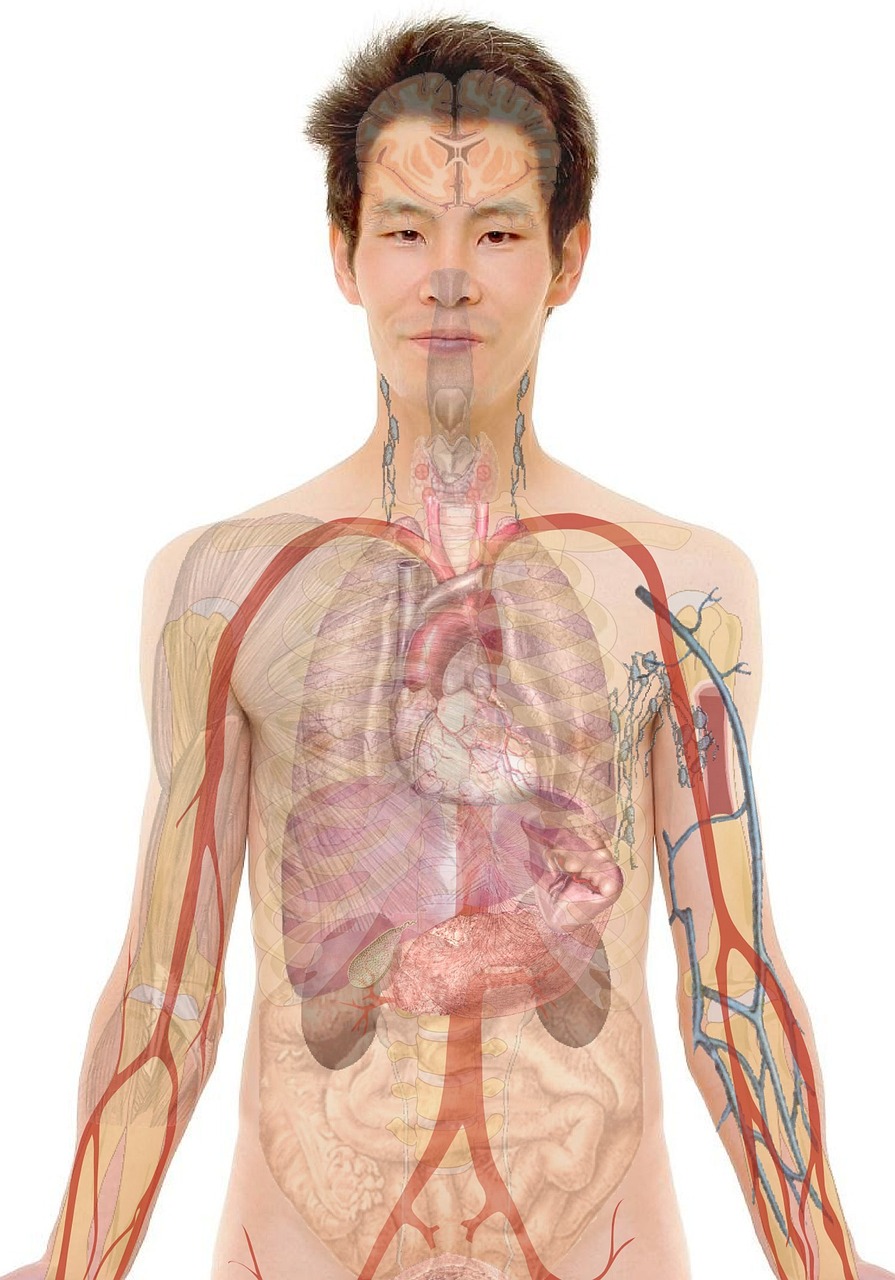
When designing a curriculum for health communication in the course Advanced Skill Certificate in Teaching ESP for Medical Purposes, it is essential to consider the key terms and vocabulary that will be used throughout the program. The curriculum should be tailored to meet the needs of medical professionals and healthcare providers who require specialized language training to effectively communicate with patients, colleagues, and other stakeholders.
The curriculum should include a range of topics, such as patient-centered communication, cultural competence, and health literacy, to ensure that learners can communicate effectively with diverse patient populations. Additionally, the curriculum should cover technical vocabulary related to medical specialties, such as cardiology, oncology, and pediatrics, as well as medical procedures and pharmacology.
To design an effective curriculum, it is crucial to conduct a needs analysis to identify the language and communication skills required by medical professionals in their daily practice. This involves analyzing the job requirements and workplace demands of medical professionals, as well as the language barriers and cultural differences that may impact communication.
The curriculum should also include practical applications of health communication, such as case studies, role-plays, and group discussions, to provide learners with opportunities to practice their communication skills in a realistic and interactive environment. Furthermore, the curriculum should incorporate technology-enhanced learning tools, such as online simulations and virtual patient interactions, to provide learners with a comprehensive and engaging learning experience.
In terms of vocabulary building, the curriculum should focus on technical terms and medical jargon that are commonly used in medical settings. This includes anatomical terminology, pharmacological vocabulary, and medical abbreviations. The curriculum should also cover communication strategies, such as active listening, clarifying questions, and nonverbal communication, to help learners develop effective communication skills.
To assess learner progress and evaluate the effectiveness of the curriculum, it is essential to use a range of assessment tools, such as quizzes, case studies, and peer evaluations. The curriculum should also include formative assessments to provide learners with regular feedback and summative assessments to evaluate their overall performance.
One of the challenges in designing a curriculum for health communication is ensuring that it meets the diverse needs of learners from different cultural backgrounds and language proficiency levels. To address this challenge, the curriculum should incorporate culturally sensitive materials and language support services, such as language tutoring and cultural mentoring.
Another challenge is keeping the curriculum up-to-date with the latest medical research and healthcare trends. To address this challenge, the curriculum should include regular updates and reviews of medical literature and healthcare policies. The curriculum should also incorporate guest lectures and workshops with medical experts and healthcare professionals to provide learners with real-world insights and practical applications.
In addition to these challenges, the curriculum should also address the ethical considerations of health communication, such as patient confidentiality, informed consent, and cultural sensitivity. The curriculum should provide learners with a framework for resolving ethical dilemmas and moral conflicts that may arise in medical practice.
To ensure that the curriculum is effective and efficient, it is essential to evaluate its impact on learner outcomes and patient care. The curriculum should include outcome measures, such as learner satisfaction, knowledge retention, and communication skills, to assess its effectiveness. The curriculum should also include process evaluations to identify areas for improvement and quality assurance mechanisms to ensure that it meets the highest standards of medical education.
The curriculum should also address the interprofessional aspects of health communication, such as teamwork, collaboration, and leadership. The curriculum should provide learners with opportunities to work with interprofessional teams and simulate real-world scenarios to develop their communication and collaboration skills.
In terms of curriculum design, it is essential to use a systematic approach that takes into account the learning objectives, learner needs, and curriculum outcomes. The curriculum should be designed to integrate theoretical knowledge with practical applications and clinical skills. The curriculum should also incorporate technology-enhanced learning tools and simulation-based training to provide learners with a comprehensive and engaging learning experience.
To ensure that the curriculum is relevant and responsive to the needs of medical professionals and healthcare providers, it is essential to involve them in the curriculum design process. The curriculum should be designed in consultation with medical experts and healthcare professionals to ensure that it meets the highest standards of medical education and healthcare practice.
The curriculum should also address the global health aspects of health communication, such as global health issues, international health policies, and cultural competence in global health settings. The curriculum should provide learners with a framework for understanding global health issues and developing culturally sensitive communication skills for working in diverse cultural contexts.
To support the development of health communication skills, the curriculum should include resources and materials that are relevant and useful for medical professionals and healthcare providers. The curriculum should provide learners with access to online resources, libraries, and databases that contain up-to-date medical information and healthcare research.
In terms of curriculum implementation, it is essential to develop a comprehensive plan that outlines the teaching methods, learning activities, and assessment strategies that will be used. The curriculum should be implemented in a phased manner to ensure that it is effective and efficient. The curriculum should also be monitored and evaluated regularly to ensure that it is meeting its learning objectives and curriculum outcomes.
The curriculum should also address the continuing education needs of medical professionals and healthcare providers. The curriculum should provide learners with opportunities for lifelong learning and professional development to ensure that they stay up-to-date with the latest medical research and healthcare trends.
To enhance the learning experience, the curriculum should incorporate interprofessional education and collaborative learning activities. The curriculum should provide learners with opportunities to work with interprofessional teams and simulate real-world scenarios to develop their communication and collaboration skills.
In terms of curriculum evaluation, it is essential to develop a comprehensive plan that outlines the evaluation methods, metrics, and benchmarks that will be used. The curriculum should be evaluated regularly to ensure that it is meeting its learning objectives and curriculum outcomes. The curriculum should also be refined and updated regularly to ensure that it remains relevant and responsive to the needs of medical professionals and healthcare providers.
To support the curriculum evaluation process, it is essential to develop a data management plan that outlines the data collection methods, data analysis procedures, and data reporting requirements. The curriculum should be evaluated using a range of metrics, including learner satisfaction, knowledge retention, and communication skills.
The curriculum should also address the challenges and barriers to effective health communication, such as language barriers, cultural differences, and health literacy. The curriculum should provide learners with strategies and techniques for overcoming these challenges and barriers to ensure that they can communicate effectively with diverse patient populations.
In terms of curriculum redesign, it is essential to develop a comprehensive plan that outlines the redesign process, redesign goals, and redesign outcomes. The curriculum should be redesigned to ensure that it is aligned with the latest medical research and healthcare trends. The curriculum should also be redesigned to ensure that it is responsive to the needs of medical professionals and healthcare providers.
To support the curriculum redesign process, it is essential to conduct a needs analysis to identify the gaps and weaknesses in the current curriculum. The curriculum should be redesigned to address these gaps and weaknesses and to ensure that it is aligned with the latest medical research and healthcare trends.
The curriculum should be designed to integrate theoretical knowledge with practical applications and clinical skills.
To ensure that the curriculum is effective and efficient, it is essential to evaluate its impact on learner outcomes and patient care.
In terms of curriculum maintenance, it is essential to develop a comprehensive plan that outlines the maintenance process, maintenance goals, and maintenance outcomes. The curriculum should be maintained to ensure that it is up-to-date with the latest medical research and healthcare trends. The curriculum should also be maintained to ensure that it is responsive to the needs of medical professionals and healthcare providers.
To support the curriculum maintenance process, it is essential to conduct regular reviews and updates of the curriculum to ensure that it remains relevant and responsive to the needs of medical professionals and healthcare providers. The curriculum should be maintained to ensure that it is aligned with the latest medical research and healthcare trends.
The curriculum should also incorporate continuing education and professional development opportunities to ensure that medical professionals and healthcare providers can stay up-to-date with the latest medical research and healthcare trends. The curriculum should be designed to support the continuing education and professional development needs of medical professionals and healthcare providers.
In terms of curriculum improvement, it is essential to develop a comprehensive plan that outlines the improvement process, improvement goals, and improvement outcomes. The curriculum should be improved to ensure that it is aligned with the latest medical research and healthcare trends. The curriculum should also be improved to ensure that it is responsive to the needs of medical professionals and healthcare providers.
To support the curriculum improvement process, it is essential to conduct regular reviews and updates of the curriculum to ensure that it remains relevant and responsive to the needs of medical professionals and healthcare providers. The curriculum should be improved to ensure that it is up-to-date with the latest medical research and healthcare trends.
The curriculum should also incorporate interprofessional education and collaborative learning activities to ensure that medical professionals and healthcare providers can work effectively in interprofessional teams. The curriculum should be designed to support the interprofessional education and collaborative learning needs of medical professionals and healthcare providers.
In terms of curriculum development, it is essential to develop a comprehensive plan that outlines the development process, development goals, and development outcomes. The curriculum should be developed to ensure that it is aligned with the latest medical research and healthcare trends. The curriculum should also be developed to ensure that it is responsive to the needs of medical professionals and healthcare providers.
To support the curriculum development process, it is essential to conduct regular reviews and updates of the curriculum to ensure that it remains relevant and responsive to the needs of medical professionals and healthcare providers. The curriculum should be developed to ensure that it is up-to-date with the latest medical research and healthcare trends.
In terms of curriculum implementation, it is essential to develop a comprehensive plan that outlines the implementation process, implementation goals, and implementation outcomes. The curriculum should be implemented to ensure that it is aligned with the latest medical research and healthcare trends. The curriculum should also be implemented to ensure that it is responsive to the needs of medical professionals and healthcare providers.
To support the curriculum implementation process, it is essential to conduct regular reviews and updates of the curriculum to ensure that it remains relevant and responsive to the needs of medical professionals and healthcare providers. The curriculum should be implemented to ensure that it is up-to-date with the latest medical research and healthcare trends.
In terms of curriculum evaluation, it is essential to develop a comprehensive plan that outlines the evaluation process, evaluation goals, and evaluation outcomes. The curriculum should be evaluated to ensure that it is aligned with the latest medical research and healthcare trends. The curriculum should also be evaluated to ensure that it is responsive to the needs of medical professionals and healthcare providers.
To support the curriculum evaluation process, it is essential to conduct regular reviews and updates of the curriculum to ensure that it remains relevant and responsive to the needs of medical professionals and healthcare providers. The curriculum should be evaluated to ensure that it is up-to-date with the latest medical research and healthcare trends.
Key takeaways
- The curriculum should be tailored to meet the needs of medical professionals and healthcare providers who require specialized language training to effectively communicate with patients, colleagues, and other stakeholders.
- The curriculum should include a range of topics, such as patient-centered communication, cultural competence, and health literacy, to ensure that learners can communicate effectively with diverse patient populations.
- This involves analyzing the job requirements and workplace demands of medical professionals, as well as the language barriers and cultural differences that may impact communication.
- The curriculum should also cover communication strategies, such as active listening, clarifying questions, and nonverbal communication, to help learners develop effective communication skills.
- To assess learner progress and evaluate the effectiveness of the curriculum, it is essential to use a range of assessment tools, such as quizzes, case studies, and peer evaluations.
- One of the challenges in designing a curriculum for health communication is ensuring that it meets the diverse needs of learners from different cultural backgrounds and language proficiency levels.
- The curriculum should also incorporate guest lectures and workshops with medical experts and healthcare professionals to provide learners with real-world insights and practical applications.