
Marine Protected Areas and Biodiversity Conservation
Marine Protected Areas (MPAs) are designated areas in the ocean that provide protection for marine ecosystems, species, and habitats from human impacts such as overfishing, pollution, and coastal development. The primary goal of MPAs is to …
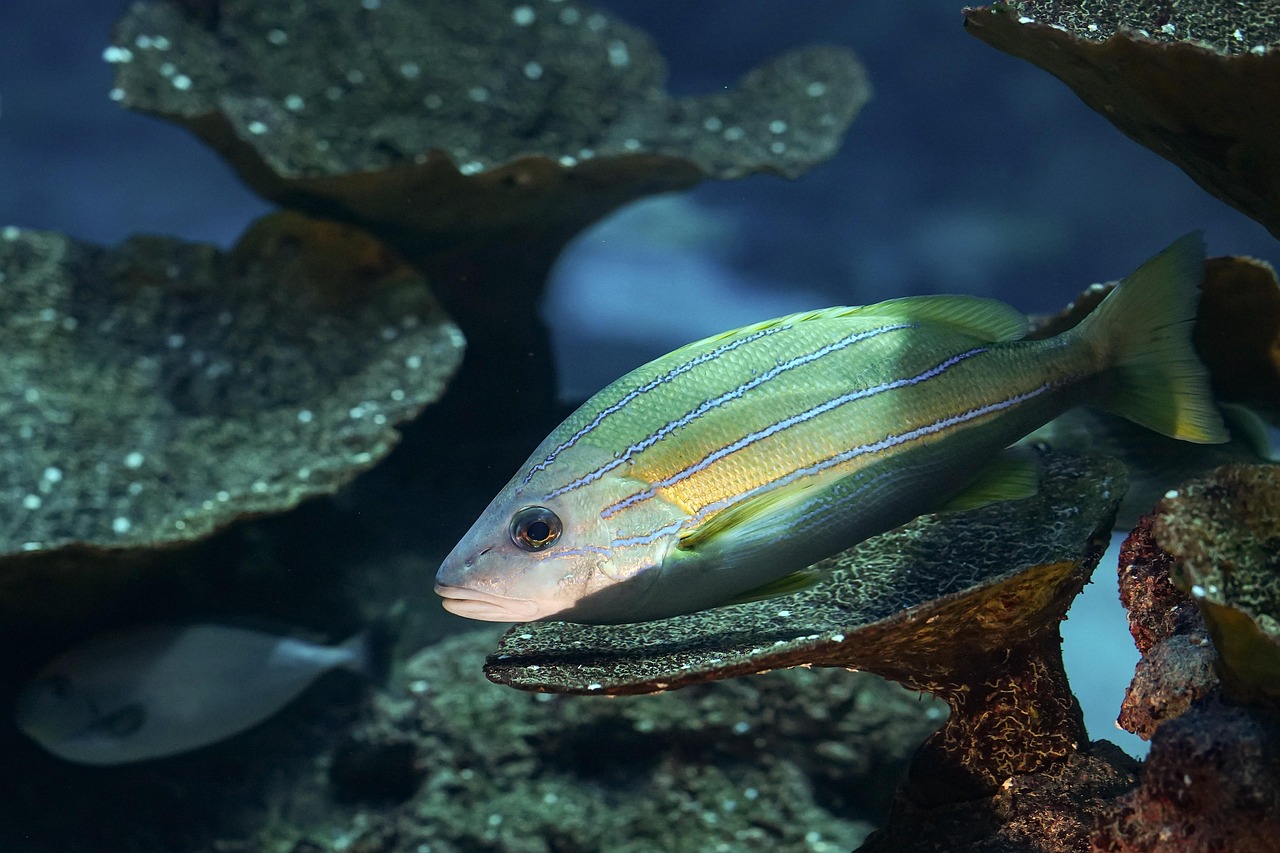
Marine Protected Areas (MPAs) are designated areas in the ocean that provide protection for marine ecosystems, species, and habitats from human impacts such as overfishing, pollution, and coastal development. The primary goal of MPAs is to conserve marine biodiversity, which is essential for maintaining the health and resilience of marine ecosystems. Marine biodiversity refers to the variety of species, genes, and ecosystems that exist in the ocean, and it plays a critical role in providing ecosystem services such as food, shoreline protection, and climate regulation.
One of the key concepts in MPA management is the zoning system, which involves dividing the MPA into different zones with varying levels of protection and human use. For example, a no-take zone may be established to provide complete protection for marine life, while a multiple-use zone may allow for sustainable fishing and other human activities. Zoning systems can help to balance conservation goals with human needs and interests, such as fishing and tourism.
MPAs can be established and managed by governments, international organizations, or local communities, depending on the context and location. In some cases, MPAs may be established through top-down approaches, where governments or international organizations take the lead in planning and management. In other cases, MPAs may be established through bottom-up approaches, where local communities and stakeholders play a key role in planning and management.
Effective MPA management requires monitoring and enforcement to ensure that the MPA is meeting its conservation goals. Monitoring involves tracking indicators such as water quality, fish populations, and habitat health, while enforcement involves implementing regulations and penalties to prevent human impacts such as overfishing and pollution. In some cases, MPAs may also involve restoration efforts, such as restoring damaged habitats or reintroducing endangered species.
One of the key challenges in MPA management is balancing conservation goals with human needs and interests. For example, fishing communities may depend on access to MPA waters for their livelihoods, while conservationists may push for stricter protection measures to conserve marine life. In these cases, stakeholder engagement and participation are critical for building support and finding solutions that meet both conservation and human needs.
In addition to MPAs, there are other tools and approaches for conserving marine biodiversity, such as fisheries management and ecosystem-based management. Fisheries management involves setting catch limits and implementing regulations to prevent overfishing, while ecosystem-based management involves managing human activities in a way that maintains the health and resilience of entire ecosystems. These approaches can be used in conjunction with MPAs to provide comprehensive protection for marine ecosystems and species.
Marine biodiversity is facing a range of threats, including climate change, overfishing, and pollution. Climate change is causing ocean acidification, sea-level rise, and changes in ocean temperatures and circulation patterns, which can have devastating impacts on marine ecosystems and species. Overfishing and destructive fishing practices can damage habitats and deplete fish populations, while pollution from plastics and other human activities can harm marine life and ecosystems.
One of the key concepts in marine conservation is the precautionary principle, which involves taking action to prevent harm to the environment and human health, even if the science is not yet conclusive. This principle is often applied in MPA management, where caution is exercised to prevent human impacts and protect marine ecosystems and species.
In addition to the precautionary principle, there are other principles and guidelines that guide marine conservation efforts, such as the ecosystem approach and the integrated coastal management approach. The ecosystem approach involves managing human activities in a way that maintains the health and resilience of entire ecosystems, while integrated coastal management involves managing human activities in a way that balances conservation and human needs.
MPAs can provide a range of benefits for both conservation and human wellbeing, including increased fish populations, improved water quality, and enhanced shoreline protection. MPAs can also provide ecosystem services such as carbon sequestration, nutrient cycling, and habitat provision for marine species.
One of the key challenges in MPA management is scaling up conservation efforts to meet global targets for marine conservation. The Convention on Biological Diversity (CBD) has set a target of protecting at least 10% of the world's oceans by 2020, but currently only a small percentage of the ocean is protected. Meeting this target will require increased investment and effort from governments, international organizations, and local communities.
In addition to MPAs, there are other approaches and tools for scaling up marine conservation efforts, such as marine spatial planning and ecosystem-based management. Marine spatial planning involves planning and managing human activities in the ocean in a way that balances conservation and human needs, while ecosystem-based management involves managing human activities in a way that maintains the health and resilience of entire ecosystems.
Effective MPA management requires collaboration and partnership among stakeholders, including governments, international organizations, local communities, and civil society organizations. This involves building trust and capacity among stakeholders, as well as sharing knowledge and resources to support MPA management and conservation efforts.
One of the key benefits of MPAs is their ability to support resilient ecosystems and species in the face of climate change and other human impacts. MPAs can provide a safe haven for marine life to thrive and adapt to changing conditions, and can help to maintain ecosystem services such as shoreline protection and water filtration.
In addition to their conservation benefits, MPAs can also provide economic benefits for local communities, such as tourism and recreation opportunities. MPAs can also support sustainable fishing and other human activities, such as eco-tourism and marine research.
MPAs can be established in a variety of contexts, including national parks, wildlife reserves, and indigenous protected areas. In some cases, MPAs may be established through co-management agreements between governments and local communities, while in other cases, MPAs may be established through top-down approaches, where governments or international organizations take the lead in planning and management.
Effective MPA management requires ongoing monitoring and evaluation to ensure that the MPA is meeting its conservation goals. This involves tracking indicators such as water quality, fish populations, and habitat health, and making adjustments to management strategies as needed.
One of the key challenges in MPA management is addressing the impacts of climate change on marine ecosystems and species. MPAs can help to mitigate these impacts by providing refugia for marine life and supporting ecosystem resilience.
In addition to their conservation benefits, MPAs can also provide cultural and spiritual benefits for indigenous and local communities. MPAs can help to protect sacred sites and cultural heritage, and can provide opportunities for traditional fishing and other human activities.
MPAs can be classified into different types, including no-take MPAs, multiple-use MPAs, and habitat protection MPAs. No-take MPAs provide complete protection for marine life, while multiple-use MPAs allow for sustainable fishing and other human activities. Habitat protection MPAs focus on protecting specific habitats, such as coral reefs or sea grass beds.
One of the key benefits of MPAs is their ability to support biodiversity and ecosystem services. MPAs can help to maintain ecosystem processes, such as nutrient cycling and primary production, and can provide habitat for a wide range of marine species.
Effective MPA management requires strong governance and leadership, as well as effective communication and stakeholder engagement.
In addition to their conservation benefits, MPAs can also provide economic benefits for local communities, such as job creation and income generation.
One of the key challenges in MPA management is balancing conservation goals with human needs and interests.
Key takeaways
- Marine biodiversity refers to the variety of species, genes, and ecosystems that exist in the ocean, and it plays a critical role in providing ecosystem services such as food, shoreline protection, and climate regulation.
- For example, a no-take zone may be established to provide complete protection for marine life, while a multiple-use zone may allow for sustainable fishing and other human activities.
- In some cases, MPAs may be established through top-down approaches, where governments or international organizations take the lead in planning and management.
- In some cases, MPAs may also involve restoration efforts, such as restoring damaged habitats or reintroducing endangered species.
- For example, fishing communities may depend on access to MPA waters for their livelihoods, while conservationists may push for stricter protection measures to conserve marine life.
- In addition to MPAs, there are other tools and approaches for conserving marine biodiversity, such as fisheries management and ecosystem-based management.
- Overfishing and destructive fishing practices can damage habitats and deplete fish populations, while pollution from plastics and other human activities can harm marine life and ecosystems.