
Introduction To Bioinformatics
In the field of biological data analysis , the term bioinformatics refers to the application of computer technology to manage, analyze, and interpret biological data . This field has become a crucial part of modern biological research , as …
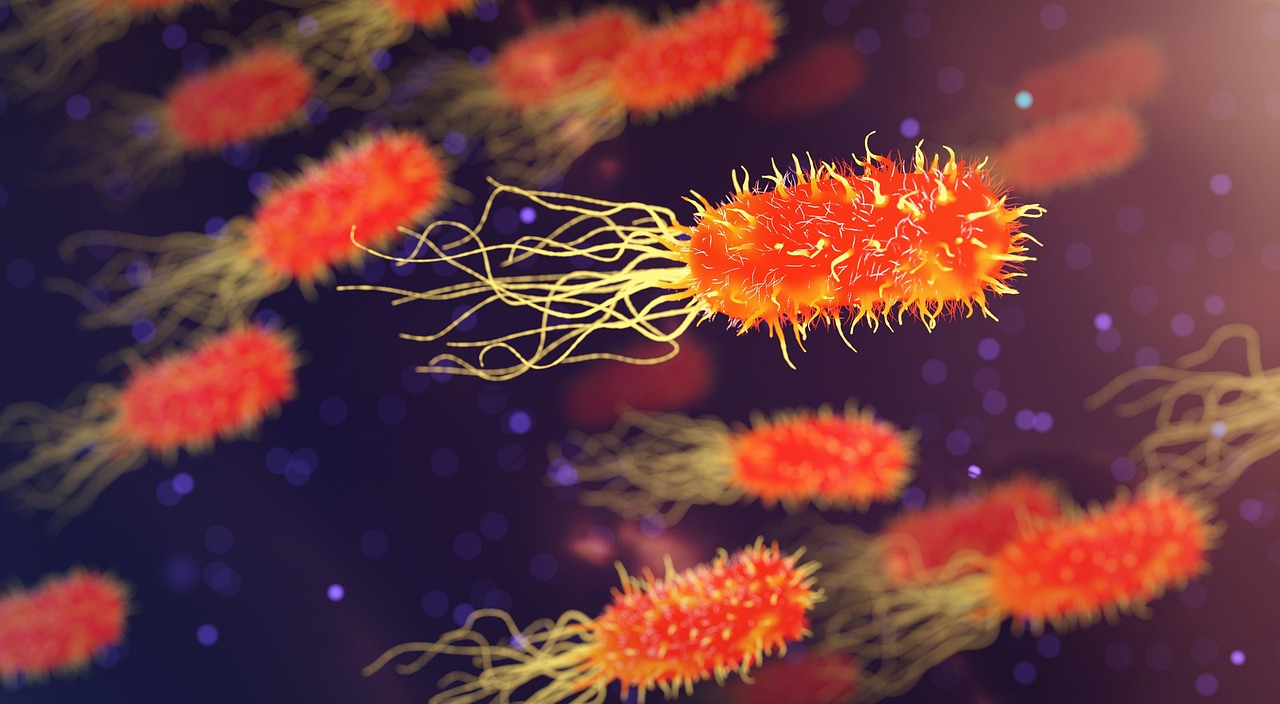
In the field of biological data analysis, the term bioinformatics refers to the application of computer technology to manage, analyze, and interpret biological data. This field has become a crucial part of modern biological research, as it enables researchers to analyze and understand the vast amounts of data generated by biological experiments and high-throughput technologies. The primary goal of bioinformatics is to develop and apply computational tools and methods to extract meaningful information from biological data, and to use this information to understand biological systems and processes.
One of the key concepts in bioinformatics is the idea of sequence alignment. This refers to the process of comparing two or more biological sequences, such as DNA or protein sequences, to identify regions of similarity and difference. Sequence alignment is a crucial step in understanding the function and evolution of biological molecules, as it allows researchers to identify conserved regions and patterns that are associated with specific functions or processes. There are several types of sequence alignment algorithms, including global alignment and local alignment, each with its own strengths and limitations.
Another important concept in bioinformatics is the idea of genomic analysis. This refers to the study of the structure and function of genomes, which are the complete set of genes and non-coding regions that make up an organism's DNA. Genomic analysis involves the use of computational tools and methods to analyze and interpret genomic data, such as gene expression data and genetic variation data. This type of analysis is critical for understanding the genetic basis of diseases and traits, as well as for developing new therapies and treatments.
In addition to sequence alignment and genomic analysis, bioinformatics also involves the use of machine learning and statistical modeling techniques to analyze and interpret biological data. These techniques are used to identify patterns and relationships in large datasets, and to make predictions about biological systems and processes. For example, machine learning algorithms can be used to predict the function of a protein based on its sequence and structure, or to identify genetic variants that are associated with a particular disease or trait.
The field of bioinformatics has many practical applications, including drug discovery and development, personalized medicine, and agricultural biotechnology. For example, bioinformatics can be used to identify potential drug targets and to design new drugs that are more effective and have fewer side effects. Bioinformatics can also be used to develop personalized treatment plans that are tailored to an individual's genetic profile and medical history. In agricultural biotechnology, bioinformatics can be used to develop new crops that are more resistant to diseases and pests, and to improve the yield and quality of crops.
One of the major challenges in bioinformatics is the management and analysis of large datasets. The amount of biological data being generated is increasing exponentially, and this has created a need for new computational tools and methods to analyze and interpret these data. For example, next-generation sequencing technologies have made it possible to generate large amounts of genomic data quickly and cheaply, but this has also created a need for new algorithms and software tools to analyze and interpret these data.
Another challenge in bioinformatics is the integration of different types of data, such as genomic data, transcriptomic data, and proteomic data. Each of these types of data provides a different perspective on biological systems and processes, and integrating them can provide a more complete understanding of these systems and processes. However, this integration can be challenging due to the different formats and structures of these data, as well as the need for new computational tools and methods to analyze and interpret them.
The field of bioinformatics is also closely related to the field of systems biology, which involves the study of complex biological systems and processes using a combination of experimental and computational approaches. Systems biology involves the use of mathematical models and computational simulations to understand the behavior of complex biological systems, and to make predictions about their response to different conditions and perturbations. Bioinformatics plays a critical role in systems biology by providing the computational tools and methods needed to analyze and interpret the large amounts of data generated by systems biology experiments.
In addition to its applications in research and development, bioinformatics also has many practical applications in medicine and healthcare. For example, bioinformatics can be used to develop personalized treatment plans for patients based on their genetic profile and medical history. Bioinformatics can also be used to develop new diagnostic tests and biomarkers for diseases, and to identify new targets for drugs and therapies. Furthermore, bioinformatics can be used to analyze and interpret the large amounts of data generated by electronic health records and other healthcare systems, and to identify patterns and trends that can inform public health policy and decision-making.
The use of bioinformatics in medicine and healthcare also raises several ethical and social issues, such as the privacy and security of patient data, and the potential for discrimination and inequality in the use of genetic information. For example, the use of bioinformatics to develop personalized treatment plans may raise concerns about the access and affordability of these treatments, and the potential for genetic information to be used to discriminate against certain groups or individuals. Therefore, it is essential to address these ethical and social issues through the development of clear policies and guidelines for the use of bioinformatics in medicine and healthcare.
In recent years, the field of bioinformatics has also been influenced by the development of cloud computing and big data analytics. Cloud computing has made it possible to analyze and store large amounts of data remotely, and to access computational resources and software tools on demand. Big data analytics has also enabled the analysis of large datasets using machine learning and statistical modeling techniques, and has provided new insights into biological systems and processes. The use of cloud computing and big data analytics in bioinformatics has also raised several challenges and opportunities, such as the need for new computational tools and methods to analyze and interpret large datasets, and the potential for collaboration and knowledge-sharing across different disciplines and institutions.
The development of new computational tools and methods is a critical aspect of bioinformatics, as it enables researchers to analyze and interpret biological data in new and innovative ways. For example, the development of machine learning algorithms and statistical modeling techniques has enabled researchers to identify patterns and relationships in large datasets, and to make predictions about biological systems and processes. The development of new computational tools and methods also requires collaboration and knowledge-sharing across different disciplines and institutions, and has the potential to drive innovation and advancement in the field of bioinformatics.
In addition to its applications in research and development, bioinformatics also has many practical applications in education and training. For example, bioinformatics can be used to develop new educational resources and curricula for teaching biology and related subjects, and to provide hands-on training and experience for students and researchers. Bioinformatics can also be used to develop new assessment tools and evaluation methods for measuring student learning and understanding, and to identify areas where students may need additional support or review.
The use of bioinformatics in education and training also raises several challenges and opportunities, such as the need for new computational tools and methods to analyze and interpret educational data, and the potential for collaboration and knowledge-sharing across different disciplines and institutions. For example, the use of bioinformatics in education and training may require the development of new algorithms and software tools to analyze and interpret educational data, and to provide personalized feedback and support to students. The use of bioinformatics in education and training also has the potential to drive innovation and advancement in the field of bioinformatics, and to provide new insights into biological systems and processes.
In conclusion, the field of bioinformatics is a rapidly evolving and interdisciplinary field that involves the application of computer technology to manage, analyze, and interpret biological data. The use of bioinformatics has many practical applications in research and development, medicine and healthcare, education and training, and has the potential to drive innovation and advancement in these fields. However, the use of bioinformatics also raises several challenges and opportunities, such as the need for new computational tools and methods to analyze and interpret large datasets, and the potential for collaboration and knowledge-sharing across different disciplines and institutions. As the field of bioinformatics continues to evolve, it is essential to address these challenges and opportunities, and to develop new computational tools and methods to analyze and interpret biological data. The development of new computational tools and methods will enable researchers to analyze and interpret biological data in new and innovative ways, and to make new discoveries and advances in the field of bioinformatics.
Key takeaways
- In the field of biological data analysis, the term bioinformatics refers to the application of computer technology to manage, analyze, and interpret biological data.
- This refers to the process of comparing two or more biological sequences, such as DNA or protein sequences, to identify regions of similarity and difference.
- This refers to the study of the structure and function of genomes, which are the complete set of genes and non-coding regions that make up an organism's DNA.
- In addition to sequence alignment and genomic analysis, bioinformatics also involves the use of machine learning and statistical modeling techniques to analyze and interpret biological data.
- In agricultural biotechnology, bioinformatics can be used to develop new crops that are more resistant to diseases and pests, and to improve the yield and quality of crops.
- The amount of biological data being generated is increasing exponentially, and this has created a need for new computational tools and methods to analyze and interpret these data.
- However, this integration can be challenging due to the different formats and structures of these data, as well as the need for new computational tools and methods to analyze and interpret them.