
International Perspectives on Women in Sport
The study of women in sports management is a complex and multifaceted field that incorporates various disciplines, including sociology, psychology, business, and gender studies. Understanding the key terms and vocabulary is essential to gra…
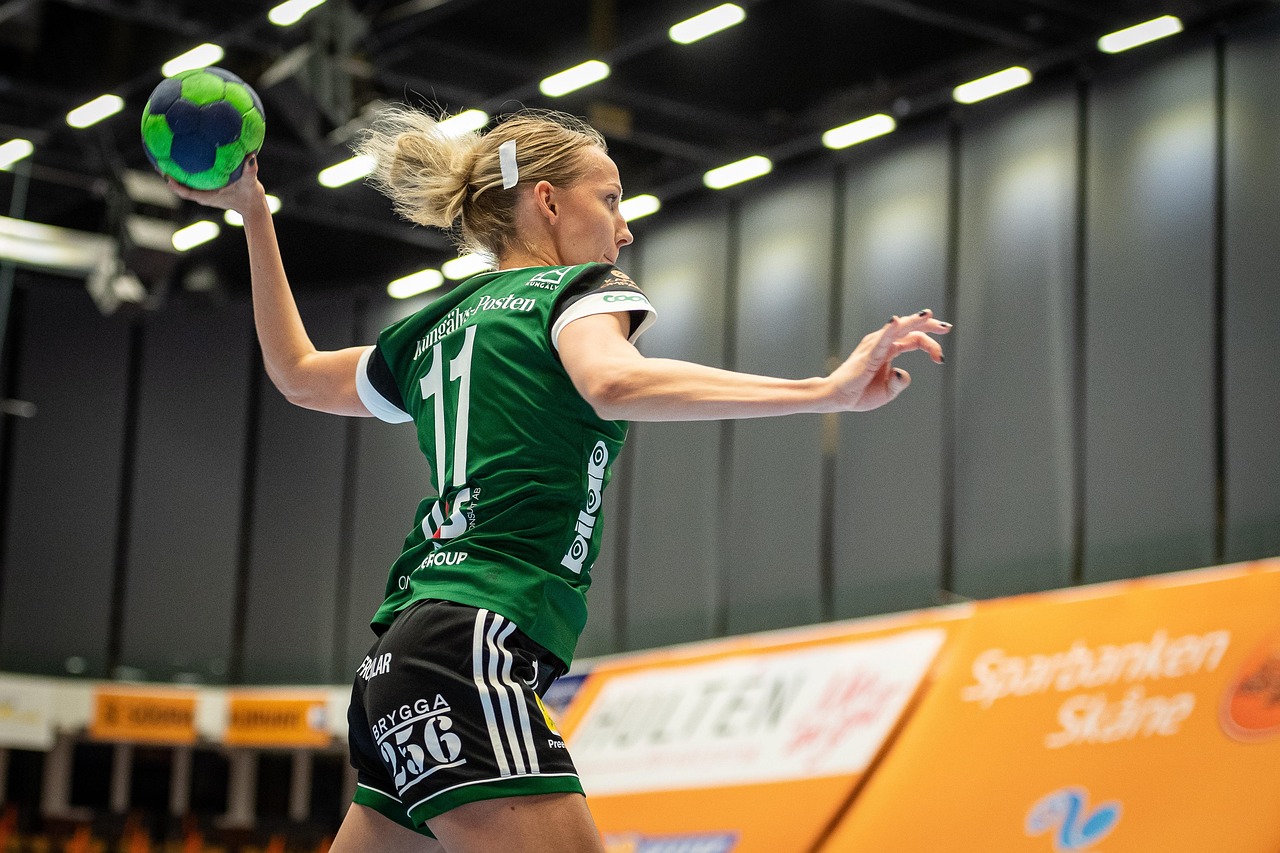
The study of women in sports management is a complex and multifaceted field that incorporates various disciplines, including sociology, psychology, business, and gender studies. Understanding the key terms and vocabulary is essential to grasping the concepts and principles that govern the management of women in sports. One of the primary concerns in this field is the issue of equality, which refers to the equal treatment and opportunities for women in sports, including equal pay, equal access to facilities and resources, and equal representation in decision-making positions.
The concept of gender is also crucial in understanding the experiences of women in sports. Gender refers to the social and cultural constructs that define the roles and behaviors expected of men and women in society. In the context of sports, gender influences the way women are perceived and treated, including the stereotypes and biases that can limit their opportunities and participation. For example, women are often expected to be nurturing and passive, which can make it difficult for them to be taken seriously as athletes or coaches.
The term femininity is also relevant in this context, as it refers to the traditional gender roles and expectations associated with women. In sports, femininity can be a source of conflict, as women athletes are often expected to conform to traditional gender norms, including being slender, attractive, and submissive. However, many women athletes are challenging these norms, embracing their athleticism and strength as a source of power and empowerment.
The concept of intersectionality is also important in understanding the experiences of women in sports. Intersectionality refers to the way in which different forms of discrimination and oppression intersect and overlap, including racism, sexism, and homophobia. For example, a black woman athlete may experience racism and sexism simultaneously, which can make it even more difficult for her to succeed in her sport.
In terms of practical applications, the management of women in sports requires a deep understanding of these concepts and principles. For example, sports organizations can promote equality and inclusion by providing equal access to facilities and resources, as well as equal opportunities for women to participate in decision-making positions. They can also challenge traditional gender norms and stereotypes by promoting women athletes and coaches as role models and leaders.
However, there are also challenges to implementing these principles in practice. For example, many sports organizations are dominated by men, which can make it difficult for women to break into leadership positions. Additionally, the sports industry is often characterized by a masculine culture, which can make it difficult for women to feel welcome and included. To overcome these challenges, sports organizations can implement policies and programs that promote diversity and
The concept of title IX is also relevant in this context, as it refers to the landmark legislation in the United States that prohibits discrimination on the basis of sex in education and sports. Title IX has been instrumental in promoting equality and inclusion for women in sports, including equal access to facilities and resources, as well as equal opportunities to participate in sports. However, despite the progress that has been made, there is still much work to be done to achieve true equality and inclusion for women in sports.
In terms of international perspectives, the experiences of women in sports vary widely from country to country. For example, in some countries, women are prohibited from participating in certain sports or activities, while in others, they are encouraged and supported. The concept of cultural sensitivity is essential in understanding these differences, as it refers to the need to respect and appreciate the cultural norms and values of different countries and societies.
The term globalization is also relevant in this context, as it refers to the increasing interconnectedness of the world's economies and societies. In the context of sports, globalization has led to the creation of international competitions and events, which have provided new opportunities for women to participate and compete. However, globalization has also created new challenges, including the exploitation of women athletes and the perpetuation of stereotypes and biases.
The concept of human rights is also essential in understanding the experiences of women in sports. Human rights refer to the fundamental rights and freedoms that are inherent to all human beings, including the right to participate in sports and physical activity. In the context of women in sports, human rights are often violated, including the right to equal treatment and opportunities, as well as the right to be free from discrimination and oppression.
In terms of practical applications, the promotion of human rights for women in sports requires a deep understanding of these concepts and principles. For example, sports organizations can promote human rights by providing equal access to facilities and resources, as well as equal opportunities to participate in decision-making positions.
The concept of leadership is also essential in understanding the experiences of women in sports. Leadership refers to the ability to inspire and motivate others, as well as to make decisions and take action. In the context of women in sports, leadership is critical, as it can help to promote equality and inclusion, as well as challenge traditional gender norms and stereotypes. For example, women coaches and administrators can provide role models and mentors for women athletes, helping them to develop their skills and confidence.
The term mentorship is also relevant in this context, as it refers to the process of guiding and supporting others, particularly women, in their careers and personal development. Mentorship can be a powerful tool for promoting equality and inclusion in sports, as it can help to provide women with the skills, knowledge, and networks they need to succeed. For example, sports organizations can establish mentorship programs that pair women athletes and coaches with experienced leaders and role models.
In terms of challenges, the promotion of leadership and mentorship for women in sports is not without its difficulties. To overcome these challenges, sports organizations can implement policies and programs that promote diversity and
The concept of policy is also essential in understanding the experiences of women in sports. Policy refers to the rules and regulations that govern the sports industry, including those related to equality and inclusion. In the context of women in sports, policy can play a critical role in promoting equality and inclusion, as well as challenging traditional gender norms and stereotypes. For example, sports organizations can establish policies that promote equal access to facilities and resources, as well as equal opportunities to participate in decision-making positions.
The term advocacy is also relevant in this context, as it refers to the process of promoting and supporting a particular cause or issue. In the context of women in sports, advocacy can be a powerful tool for promoting equality and inclusion, as well as challenging traditional gender norms and stereotypes. For example, sports organizations can establish advocacy programs that promote women athletes and coaches, as well as provide support and resources for women who are experiencing discrimination or oppression.
In terms of practical applications, the promotion of policy and advocacy for women in sports requires a deep understanding of these concepts and principles. For example, sports organizations can promote policy and advocacy by establishing policies and programs that promote equality and inclusion, as well as providing support and resources for women who are experiencing discrimination or oppression.
The concept of research is also essential in understanding the experiences of women in sports. Research refers to the systematic study of a particular topic or issue, including the experiences of women in sports. In the context of women in sports, research can play a critical role in promoting equality and inclusion, as well as challenging traditional gender norms and stereotypes. For example, research can help to identify the barriers and challenges that women face in sports, as well as provide insights and recommendations for promoting equality and inclusion.
The term theory is also relevant in this context, as it refers to the systematic and logical explanation of a particular phenomenon or issue. In the context of women in sports, theory can provide a framework for understanding the experiences of women in sports, including the social and cultural factors that influence their participation and engagement. For example, theory can help to explain the ways in which gender norms and stereotypes shape the experiences of women in sports, as well as the ways in which women can challenge and subvert these norms.
In terms of practical applications, the promotion of research and theory for women in sports requires a deep understanding of these concepts and principles. For example, sports organizations can promote research and theory by establishing research programs and initiatives that focus on the experiences of women in sports, as well as providing support and resources for women who are conducting research in this area. They can also challenge traditional gender norms and stereotypes by promoting women athletes and coaches as role models and leaders, and by providing insights and recommendations for promoting equality and inclusion in sports.
The concept of education is also essential in understanding the experiences of women in sports. Education refers to the process of teaching and learning, including the education of women in sports. In the context of women in sports, education can play a critical role in promoting equality and inclusion, as well as challenging traditional gender norms and stereotypes. For example, education can help to provide women with the knowledge and skills they need to succeed in sports, including the knowledge of rules and regulations, as well as the skills of leadership and communication.
The term training is also relevant in this context, as it refers to the process of teaching and learning specific skills and knowledge. In the context of women in sports, training can provide women with the skills and knowledge they need to succeed in sports, including the skills of coaching and administration. For example, sports organizations can establish training programs that focus on the development of women coaches and administrators, as well as provide support and resources for women who are interested in pursuing careers in sports.
In terms of practical applications, the promotion of education and training for women in sports requires a deep understanding of these concepts and principles. For example, sports organizations can promote education and training by establishing education and training programs that focus on the development of women in sports, as well as providing support and resources for women who are interested in pursuing careers in sports.
The concept of community is also essential in understanding the experiences of women in sports. Community refers to the social network of relationships and interactions that exist among individuals and groups. In the context of women in sports, community can play a critical role in promoting equality and inclusion, as well as challenging traditional gender norms and stereotypes. For example, community can provide women with a sense of belonging and connection, as well as a network of support and resources.
The term participation is also relevant in this context, as it refers to the act of taking part or engaging in an activity. In the context of women in sports, participation can provide women with opportunities to develop their skills and knowledge, as well as to challenge traditional gender norms and stereotypes. For example, sports organizations can promote participation by establishing programs and initiatives that encourage women to participate in sports, as well as providing support and resources for women who are interested in participating in sports.
In terms of practical applications, the promotion of community and participation for women in sports requires a deep understanding of these concepts and principles. For example, sports organizations can promote community and participation by establishing programs and initiatives that encourage women to participate in sports, as well as providing support and resources for women who are interested in participating in sports.
The concept of media is also essential in understanding the experiences of women in sports. Media refers to the various forms of communication and representation, including television, radio, and social media. In the context of women in sports, media can play a critical role in promoting equality and inclusion, as well as challenging traditional gender norms and stereotypes. For example, media can provide women athletes and coaches with a platform to promote their sports and achievements, as well as to challenge traditional gender norms and stereotypes.
The term broadcasting is also relevant in this context, as it refers to the act of transmitting or disseminating information or entertainment through media. In the context of women in sports, broadcasting can provide women athletes and coaches with a platform to promote their sports and achievements, as well as to challenge traditional gender norms and stereotypes. For example, sports organizations can promote broadcasting by establishing partnerships with media outlets to broadcast women sports, as well as providing support and resources for women who are interested in pursuing careers in media and broadcasting.
In terms of practical applications, the promotion of media and broadcasting for women in sports requires a deep understanding of these concepts and principles. For example, sports organizations can promote media and broadcasting by establishing partnerships with media outlets to broadcast women sports, as well as providing support and resources for women who are interested in pursuing careers in media and broadcasting.
The concept of marketing is also essential in understanding the experiences of women in sports. Marketing refers to the process of promoting and selling a product or service, including the promotion of women sports. In the context of women in sports, marketing can play a critical role in promoting equality and inclusion, as well as challenging traditional gender norms and stereotypes. For example, marketing can help to promote women sports and athletes, as well as to challenge traditional gender norms and stereotypes.
The term sponsorship is also relevant in this context, as it refers to the act of supporting or promoting a particular event or activity, including women sports. In the context of women in sports, sponsorship can provide women athletes and coaches with the resources and support they need to succeed, as well as to challenge traditional gender norms and stereotypes. For example, sports organizations can promote sponsorship by establishing partnerships with companies and organizations to support women sports, as well as providing support and resources for women who are interested in pursuing careers in sports.
In terms of practical applications, the promotion of marketing and sponsorship for women in sports requires a deep understanding of these concepts and principles. For example, sports organizations can promote marketing and sponsorship by establishing partnerships with companies and organizations to support women sports, as well as providing support and resources for women who are interested in pursuing careers in sports.
Key takeaways
- The study of women in sports management is a complex and multifaceted field that incorporates various disciplines, including sociology, psychology, business, and gender studies.
- In the context of sports, gender influences the way women are perceived and treated, including the stereotypes and biases that can limit their opportunities and participation.
- In sports, femininity can be a source of conflict, as women athletes are often expected to conform to traditional gender norms, including being slender, attractive, and submissive.
- Intersectionality refers to the way in which different forms of discrimination and oppression intersect and overlap, including racism, sexism, and homophobia.
- For example, sports organizations can promote equality and inclusion by providing equal access to facilities and resources, as well as equal opportunities for women to participate in decision-making positions.
- To overcome these challenges, sports organizations can implement policies and programs that promote diversity and
- Title IX has been instrumental in promoting equality and inclusion for women in sports, including equal access to facilities and resources, as well as equal opportunities to participate in sports.