
Product Innovation and Trend Forecasting
Product Innovation in the K‑Beauty context refers to the systematic development of new cosmetics, skin‑care, and personal‑care solutions that address emerging consumer needs, cultural shifts, and technological advances. It is not limited to…
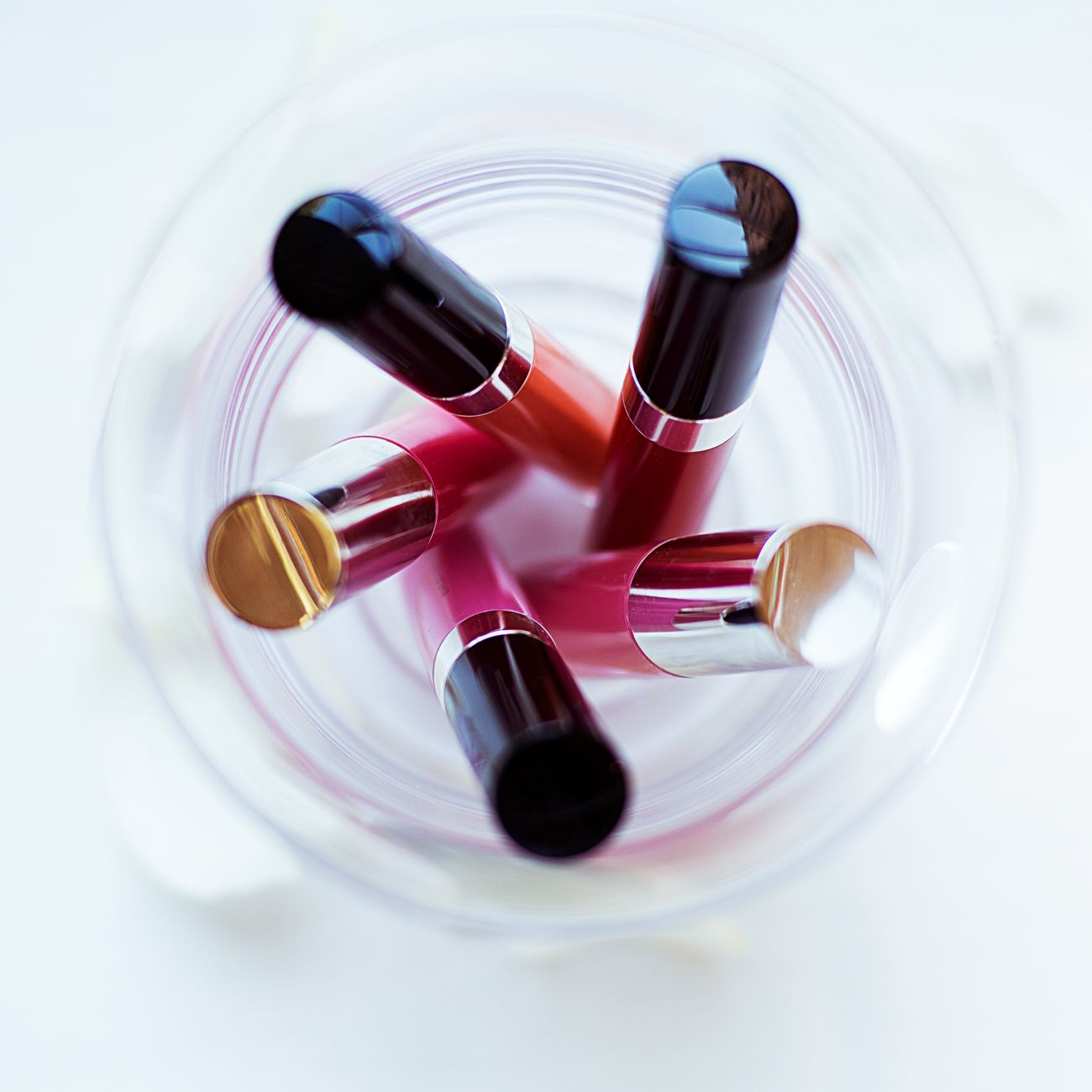
Product Innovation in the K‑Beauty context refers to the systematic development of new cosmetics, skin‑care, and personal‑care solutions that address emerging consumer needs, cultural shifts, and technological advances. It is not limited to the creation of a single novel product; rather, it encompasses the entire lifecycle from ideation through formulation, packaging, branding, and market launch. A deep understanding of the vocabulary that underpins this process enables professionals to navigate the fast‑moving K‑Beauty landscape with confidence.
Concept Development marks the first formal stage of product innovation. At this point, teams translate broad market observations into concrete product ideas, often expressed as concise statements that capture the core benefit and target audience. For example, a concept might be “a lightweight, probiotic‑infused serum that supports barrier repair for busy urban millennials.” Effective concept development requires clear articulation of the problem being solved, the unique value proposition, and the intended consumer segment. The language used here sets the tone for all subsequent work, making it essential to master terms such as “value proposition,” “target demographic,” and “pain point.”
Consumer Insight is the deep, often qualitative, understanding of why consumers behave the way they do. In K‑Beauty, consumer insight frequently emerges from ethnographic research, social‑media listening, and in‑depth interviews. Insight statements might read, “Consumers seek skin‑care routines that feel like self‑care rituals, not chores,” or “There is a growing demand for transparency about ingredient sourcing.” When drafting insight, practitioners should be comfortable with related vocabulary such as “emotional driver,” “behavioral trigger,” and “purchase motivator.” These terms help to frame the narrative that will guide product design.
Ideation follows concept development and involves the generation of a wide array of ideas without immediate judgment. Ideation techniques can include brainstorming, mind‑mapping, and the use of creative prompts such as “What if we could combine the benefits of a mask with the convenience of a daily moisturizer?” The output of ideation is a long list of potential features, formats, and ingredient pairings. Key terms in this phase include “brainstorming,” “idea funnel,” and “creative brief.” The creative brief distills the most promising ideas into a structured format that outlines objectives, constraints, and success metrics.
Feasibility Assessment is the analytical step where ideas are screened for technical, regulatory, and commercial viability. Practitioners evaluate whether a proposed formulation can be produced at scale, whether the ingredients meet local and international regulations, and whether the projected cost aligns with pricing strategies. Vocabulary associated with feasibility includes “technical feasibility,” “regulatory compliance,” “cost‑of‑goods‑sold (COGS),” and “margin analysis.” For instance, a feasibility assessment might reveal that a certain marine extract is not approved for use in the EU, prompting the team to explore alternative sourcing or to redesign the formulation.
Formulation Development is the core scientific activity that transforms an idea into a tangible product. This stage involves selecting active ingredients, carriers, stabilizers, and preservatives, then testing their interactions to achieve the desired efficacy and sensory profile. Key terms include “active ingredient,” “carrier matrix,” “stability testing,” “pH balance,” and “viscosity.” In K‑Beauty, formulation often emphasizes “skin‑friendly” and “non‑comedogenic” attributes, reflecting consumer expectations for gentle yet effective products. An example of formulation language might be, “The serum utilizes a hyaluronic acid base at 1.5 % Concentration to ensure optimal moisture retention without a sticky finish.”
Ingredient Sourcing is a critical component of formulation, especially in a market that values authenticity and sustainability. Professionals must be familiar with terms such as “supply chain traceability,” “fair‑trade sourcing,” “organic certification,” and “biotechnological synthesis.” For a K‑Beauty product that touts “Jeju volcanic ash,” the sourcing narrative must confirm that the mineral is mined responsibly, processed without harmful chemicals, and tested for purity. The ability to articulate these sourcing details can be a decisive factor in winning consumer trust.
Regulatory Compliance ensures that a product meets the legal standards of each market where it will be sold. In the K‑Beauty arena, compliance often involves navigating the Korean Ministry of Food and Drug Safety (MFDS) guidelines, as well as the European Union’s Cosmetic Regulation (EC) No 1223/2009, and the United States Food and Drug Administration (FDA) rules. Essential vocabulary includes “product dossier,” “safety assessment,” “labeling requirements,” and “notification procedure.” Failure to comply can result in product recalls, fines, or damage to brand reputation.
Packaging Innovation goes beyond aesthetic appeal to address functionality, sustainability, and brand storytelling. Terms such as “eco‑friendly materials,” “recyclable design,” “airless pump,” and “smart packaging” are commonplace. For example, a K‑Beauty brand may introduce a “biodegradable tube that dissolves in water after use,” aligning with consumer demand for zero‑waste solutions. Packaging decisions also affect product stability; thus, concepts like “light barrier,” “oxygen permeability,” and “UV protection” become relevant when selecting containers for light‑sensitive actives.
Brand Positioning defines how a product is perceived relative to competitors and within the broader brand portfolio. Vocabulary includes “brand architecture,” “value ladder,” “price tier,” and “brand equity.” In K‑Beauty, a brand might position itself as “luxury‑accessible,” offering premium ingredients at a price point that remains affordable for a younger demographic. The positioning statement might read, “We deliver clinically proven skin‑care performance with the playful spirit of Korean pop culture.”
Minimum Viable Product (MVP) is a concept borrowed from tech startups and increasingly applied in cosmetics. An MVP is a simplified version of a product that includes only the core functional elements needed to test market response. In K‑Beauty, an MVP could be a limited‑edition trial size of a new serum launched on a digital platform to gauge consumer feedback before committing to full‑scale production. Relevant terms such as “pilot launch,” “beta testing,” and “iteration cycle” describe the process of refining the product based on early data.
Go‑to‑Market Strategy outlines the tactical plan for introducing a new product to consumers. Key vocabulary includes “distribution channel,” “launch timeline,” “marketing mix,” “pricing strategy,” and “promotion plan.” For K‑Beauty, a go‑to‑market plan often leverages “social commerce,” “influencer partnerships,” and “live streaming sales,” reflecting the digital‑first buying habits of the target audience. An example strategy might involve a staggered rollout, beginning with exclusive availability on a brand’s own e‑commerce site, followed by placement in curated beauty boutiques.
Open Innovation describes the practice of sourcing ideas and solutions from external partners, such as universities, startups, or even consumers themselves. Terms associated with open innovation include “co‑creation,” “crowdsourcing,” “innovation ecosystem,” and “strategic alliance.” A K‑Beauty brand might collaborate with a biotech firm to develop a novel peptide derived from fermented rice, thereby accelerating the time to market while sharing development risk.
Innovation Pipeline is a visual representation of the stages a product moves through from concept to launch. The pipeline commonly includes phases such as “idea capture,” “screening,” “development,” “testing,” “commercialization,” and “post‑launch review.” Vocabulary such as “stage‑gate process,” “milestone,” and “key performance indicator (KPI)” are used to monitor progress and ensure alignment with business objectives. Effective pipeline management helps prevent bottlenecks and enables the organization to balance short‑term revenue goals with long‑term strategic innovation.
Trend Forecasting is the systematic practice of predicting future consumer preferences, cultural shifts, and technological developments that will shape product demand. In K‑Beauty, trend forecasting is essential for staying ahead of the rapid cycle of new launches and for aligning product portfolios with emerging opportunities. Core terms include “macro trend,” “micro trend,” “cultural zeitgeist,” “trend horizon,” and “scenario planning.” A macro trend might be the global rise of “clean beauty,” while a micro trend could be a specific fascination with “cica‑infused moisturizers” among Korean teens.
Macro Trends are broad, long‑term forces that affect multiple industries and societies. Common macro trends relevant to K‑Beauty include “sustainability,” “digital personalization,” “wellness integration,” and “demographic aging.” Understanding macro trends requires familiarity with terms like “megatrend,” “societal shift,” and “global driver.” For instance, the sustainability megatrend drives demand for refillable packaging, biodegradable ingredients, and transparent supply chains.
Micro Trends are more specific, short‑term patterns that arise within niche consumer groups or subcultures. Vocabulary such as “trend burst,” “viral phenomenon,” “sub‑culture influence,” and “fashion‑driven adoption” help describe these fleeting yet impactful movements. In the K‑Beauty arena, a micro trend might be the sudden popularity of “glass skin” aesthetics on TikTok, prompting brands to formulate products that deliver high‑gloss, ultra‑smooth finishes.
Cultural Trends focus on the values, behaviors, and aesthetics that emerge from particular societies or regions. Terms like “cultural narrative,” “heritage branding,” “regional preference,” and “localization strategy” are central to this discussion. A brand that emphasizes “Hanbang” (traditional Korean herbal medicine) taps into cultural trends that celebrate heritage while delivering modern efficacy. Understanding cultural trends enables marketers to tailor messaging and product attributes that resonate deeply with target audiences.
Seasonal Trends refer to the cyclical changes in consumer behavior linked to weather, holidays, and cultural celebrations. Vocabulary includes “seasonal demand,” “holiday calendar,” “limited‑edition launch,” and “seasonal palette.” In K‑Beauty, a spring launch may focus on “lightweight, brightening formulas,” whereas a winter release may emphasize “deep hydration and barrier protection.” Aligning product timing with seasonal trends helps maximize relevance and sales velocity.
Futurism is the practice of envisioning long‑range possibilities, often beyond the immediate horizon of current technology. Terms such as “future scenario,” “disruptive innovation,” “emerging technology,” and “visionary roadmap” are associated with futurist thinking. A K‑Beauty futurist might explore the potential of “AI‑driven skin analysis devices that recommend personalized serums in real time,” anticipating a shift from generic products to hyper‑personalized solutions.
Blue Ocean Strategy is a strategic framework that encourages companies to create untapped market space rather than competing in saturated “red oceans.” Key terms include “value innovation,” “non‑customers,” “strategic canvas,” and “differentiation‑cost balance.” Applying this concept to K‑Beauty could involve developing a product category that blends cosmetics with health monitoring, such as a “skin‑care mask that tracks hydration levels via embedded sensors,” thereby opening a new market segment.
Market Gap Analysis is the systematic identification of unmet consumer needs or underserved market segments. Vocabulary such as “gap identification,” “needs mapping,” “competitor benchmarking,” and “opportunity sizing” guide this analytical process. An example gap analysis might reveal that while many K‑Beauty brands focus on anti‑aging, there is a relatively low supply of products targeting “post‑procedural skin recovery,” suggesting an opportunity for specialized serums.
Co‑Creation involves engaging consumers directly in the product development process, often through digital platforms that allow feedback, voting, or idea submission. Relevant terms include “user‑generated content,” “participatory design,” “feedback loop,” and “community‑driven innovation.” A brand might launch an online poll asking fans to choose the next scent for a limited‑edition sheet mask, thereby fostering a sense of ownership and loyalty.
Skinomics is an emerging field that combines genomics, microbiomics, and metabolomics to understand individual skin biology at a granular level. Vocabulary such as “microbiome profiling,” “genetic markers,” “metabolic pathways,” and “personalized formulation” are central to this discipline. In K‑Beauty, a skinomic‑based product line could offer serums tailored to a consumer’s specific skin microbiota composition, promising higher efficacy than one‑size‑fits‑all solutions.
DNA‑Based Skincare builds upon skinomics by using genetic information to predict skin aging trajectories and guide ingredient selection. Terms like “genotype‑guided formulation,” “polymorphism,” “predictive analytics,” and “precision dermatology” characterize this approach. For instance, a DNA test might reveal a predisposition toward collagen degradation, prompting the recommendation of a peptide‑rich serum designed to support collagen synthesis.
K‑Beauty Wave describes the global diffusion of Korean beauty trends, products, and aesthetics that have reshaped the cosmetics industry. Key terms include “K‑Beauty export,” “cultural export,” “hallyu (K‑pop) influence,” and “global brand diffusion.” Understanding the K‑Beauty wave involves recognizing how Korean pop culture, drama, and social media amplify product visibility, creating rapid cross‑border demand spikes.
Omnichannel Retail refers to a seamless integration of online and offline touchpoints, ensuring a consistent brand experience across all consumer interactions. Vocabulary such as “channel convergence,” “customer journey mapping,” “cross‑channel analytics,” and “integrated fulfillment” are essential. In K‑Beauty, omnichannel strategies often blend e‑commerce platforms, brick‑and‑mortar pop‑up stores, and social‑media shopping features to meet consumers wherever they choose to engage.
Digital Shelf is the online representation of a product’s presence, encompassing images, descriptions, reviews, and ranking algorithms. Important terms include “search engine optimization (SEO),” “product listing optimization (PLO),” “conversion rate,” and “click‑through‑rate (CTR).” Effective digital shelf management can dramatically influence a K‑Beauty product’s discoverability, especially on platforms like Amazon, Lazada, or local Korean portals such as Coupang.
Social Commerce merges social media interaction with direct purchasing capabilities, allowing consumers to buy products without leaving the platform. Vocabulary includes “shoppable posts,” “in‑feed checkout,” “social proof,” and “micro‑influencer endorsement.” A K‑Beauty brand may leverage Instagram’s “Shop” feature to showcase a new lip tint, enabling followers to tap the image and complete the purchase within minutes.
Influencer Marketing is a tactic that partners with individuals who have cultivated credibility and reach within specific consumer niches. Terms such as “macro‑influencer,” “nano‑influencer,” “engagement rate,” “sponsored content,” and “authenticity score” help quantify the impact of these collaborations. In K‑Beauty, influencers often demonstrate product application through “skin‑care routines” videos, providing tangible proof of efficacy to their audiences.
User‑Generated Content (UGC) describes organic media created by consumers, such as reviews, unboxing videos, or before‑and‑after photos. Relevant vocabulary includes “earned media,” “brand advocacy,” “content amplification,” and “sentiment analysis.” Brands that encourage UGC can harness authentic voices to build trust, especially when the content showcases real‑world results of a product like a “brightening cream.”
Sentiment Analysis utilizes natural‑language‑processing algorithms to gauge consumer attitudes expressed in text data, such as reviews or social‑media comments. Key terms include “positive polarity,” “negative polarity,” “aspect‑based analysis,” and “machine learning model.” Applying sentiment analysis to K‑Beauty product feedback can uncover patterns, such as recurring complaints about “heavy texture” or praise for “quick absorption,” guiding formulation refinements.
Innovation Metrics are quantitative indicators that track the performance and impact of product development activities. Common metrics include “time‑to‑market,” “R&D spend as a percentage of sales,” “new product revenue contribution,” “success rate of launched concepts,” and “customer adoption rate.” These metrics enable managers to assess whether the innovation process is delivering value and to identify areas for improvement.
Design Thinking is a human‑centered problem‑solving methodology that emphasizes empathy, ideation, prototyping, and testing. Vocabulary such as “empathic research,” “prototype iteration,” “test‑learn‑scale loop,” and “design sprint” are associated with this approach. In K‑Beauty, a design‑thinking workshop might begin with empathy interviews to uncover how consumers feel about their current skin‑care routine, then move quickly to low‑fidelity prototypes like sample sachets for rapid feedback.
Rapid Prototyping involves creating quick, low‑cost versions of a product to validate concepts before committing to full‑scale production. Terms such as “3‑D printing,” “sample batch,” “pilot run,” and “feedback iteration” describe this stage. For a new K‑Beauty facial mist, rapid prototyping could involve producing a small batch using existing packaging and testing the fragrance and spray mechanism with a focus group.
Consumer Journey Mapping visualizes the steps a consumer takes from awareness to purchase and beyond. Key terms include “touchpoint,” “pain point,” “moment of truth,” “post‑purchase experience,” and “loyalty loop.” Mapping the journey for a K‑Beauty product might reveal that the decisive moment occurs during a live‑stream demonstration, highlighting the importance of real‑time engagement.
Brand Equity represents the intangible value derived from consumer perceptions, loyalty, and associations. Vocabulary such as “brand awareness,” “brand loyalty,” “perceived quality,” “brand associations,” and “brand resonance” are central. In the K‑Beauty sector, strong brand equity often stems from consistent delivery of innovative textures, visible results, and culturally resonant storytelling.
Value Chain outlines the series of activities that create and deliver a product, from raw material acquisition to end‑user consumption. Relevant terms include “upstream sourcing,” “midstream production,” “downstream distribution,” “logistics optimization,” and “after‑sales service.” An efficient value chain can reduce costs, improve speed to market, and enhance sustainability—key considerations for K‑Beauty brands aiming to compete globally.
Supply Chain Transparency is the practice of openly communicating the origins, processes, and ethical standards of each step in the product’s journey. Vocabulary such as “traceability,” “blockchain ledger,” “ethical sourcing,” “carbon footprint,” and “third‑party audit” support this concept. Consumers increasingly demand proof that ingredients like “green tea extract” are harvested responsibly and processed without harmful chemicals.
Clean Beauty denotes a product philosophy that prioritizes safety, non‑toxic ingredients, and environmental responsibility. Core terms include “non‑toxic formulation,” “ingredient safety database,” “green chemistry,” “cruelty‑free certification,” and “vegan label.” In the K‑Beauty market, clean beauty has become a macro trend, prompting brands to reformulate legacy products to meet stricter ingredient standards.
Sustainable Packaging refers to packaging solutions that minimize environmental impact through material selection, design, and end‑of‑life management. Important vocabulary includes “post‑consumer recycled content (PCR),” “biodegradable polymer,” “refill system,” “circular economy,” and “life‑cycle assessment (LCA).” A K‑Beauty brand might launch a “reusable glass bottle with interchangeable caps,” reducing single‑use plastic waste while enhancing perceived premium value.
Beauty Tech encompasses the integration of technology into cosmetics and skin‑care, ranging from smart devices to AI‑driven recommendation engines. Terms such as “augmented reality (AR) try‑on,” “virtual skin analysis,” “Internet of Things (IoT),” “digital skin sensor,” and “machine‑learning algorithm” describe this landscape. For example, an AR filter that allows users to visualize how a lip tint looks on their lips can boost conversion rates by reducing purchase hesitation.
Artificial Intelligence (AI) Personalization leverages data and algorithms to tailor product recommendations to individual consumer profiles. Vocabulary includes “recommendation engine,” “data segmentation,” “predictive modeling,” “user profile,” and “feedback loop.” In K‑Beauty, an AI‑powered platform might analyze a user’s uploaded selfie, detect skin concerns such as “hyperpigmentation,” and suggest a customized serum regimen.
Data‑Driven Decision Making involves using quantitative insights to guide strategic choices throughout the innovation cycle. Key terms are “big data,” “analytics dashboard,” “key performance indicator (KPI),” “data mining,” and “actionable insight.” By tracking metrics such as “average time from concept approval to launch,” a K‑Beauty firm can identify bottlenecks and implement process improvements.
Scenario Planning is a strategic exercise that explores multiple plausible futures to prepare for uncertainty. Vocabulary includes “scenario matrix,” “wildcard event,” “strategic foresight,” “contingency plan,” and “stress testing.” A K‑Beauty brand might develop scenarios around “regulatory tightening on synthetic preservatives” versus “consumer shift toward hyper‑personalized products,” then outline adaptive strategies for each.
Consumer Archetype is a composite representation of a target segment based on shared behaviors, motivations, and demographics. Terms such as “persona,” “behavioral segment,” “psychographic profile,” and “needs hierarchy” are used to construct archetypes. An archetype for a “K‑Beauty enthusiast” could be described as a tech‑savvy female aged 20‑30, who values novelty, follows beauty influencers, and seeks products that deliver visible glow.
Market Segmentation divides a broader market into distinct groups with similar characteristics. Vocabulary includes “demographic segmentation,” “geographic segmentation,” “psychographic segmentation,” and “behavioral segmentation.” In K‑Beauty, segmentation might reveal a high‑growth niche of “male skincare adopters” in urban South Korea, prompting dedicated product lines.
Competitive Intelligence involves systematic collection and analysis of information about rivals’ strategies, product launches, and market performance. Key terms include “benchmarking,” “SWOT analysis,” “competitor profiling,” “market share tracking,” and “intelligence dashboard.” By monitoring a competitor’s shift toward “vegan‑friendly formulas,” a K‑Beauty brand can anticipate market pressure and adjust its own roadmap.
Value Proposition Canvas is a tool that aligns product benefits with consumer pains and gains. Vocabulary such as “gain creator,” “pain reliever,” “customer jobs,” and “product features” define this framework. For a new “overnight repair mask,” the gain creator might be “visible reduction of fine lines by morning,” while the pain reliever could be “no‑oil residue after use.”
Brand Storytelling conveys the narrative that connects a product’s origin, purpose, and emotional resonance. Important terms include “brand narrative,” “emotional hook,” “story arc,” “cultural reference,” and “authentic voice.” A K‑Beauty brand might weave a story about “centuries‑old Jeju volcanic soil” harvested by local artisans, linking heritage to modern scientific validation.
Consumer Loyalty Programs are structured initiatives designed to reward repeat purchases and deepen brand engagement. Vocabulary includes “point accrual,” “tiered rewards,” “exclusive access,” “retention rate,” and “customer lifetime value (CLV).” A loyalty program that offers early access to limited‑edition releases can incentivize frequent buying while gathering valuable usage data.
Pricing Strategy determines how a product’s price aligns with perceived value, cost structure, and competitive positioning. Key terms include “price elasticity,” “penetration pricing,” “price skimming,” “psychological pricing,” and “value‑based pricing.” In a highly competitive K‑Beauty market, a brand might employ a “value‑based pricing” approach, setting the price according to the unique benefits of a “triple‑peptide complex” that delivers measurable skin firmness improvements.
Channel Strategy outlines the mix of distribution pathways used to deliver products to end‑users. Vocabulary such as “direct‑to‑consumer (DTC),” “retail partnership,” “marketplace platform,” “wholesale margin,” and “logistics partner” are integral. A K‑Beauty company may prioritize DTC sales through its own app while also maintaining presence on major e‑commerce marketplaces to broaden reach.
Product Lifecycle Management (PLM) is the coordinated oversight of a product from inception through retirement. Relevant terms include “stage‑gate,” “end‑of‑life (EOL),” “product rationalization,” “SKU optimization,” and “portfolio balance.” Effective PLM helps a K‑Beauty brand retire underperforming items, freeing resources for innovative new launches.
Innovation Culture describes the collective mindset, values, and behaviors that encourage creativity and risk‑taking. Vocabulary includes “psychological safety,” “learning organization,” “fail‑fast mentality,” “cross‑functional collaboration,” and “incentive alignment.” Cultivating an innovation culture may involve recognizing employees who propose daring concepts, even if those ideas do not ultimately materialize.
Risk Management identifies, evaluates, and mitigates potential obstacles that could derail product development. Key terms include “risk register,” “probability‑impact matrix,” “mitigation plan,” “contingency reserve,” and “risk appetite.” For a K‑Beauty product involving a novel fermentation process, risks might include “scale‑up failure,” “ingredient variability,” and “regulatory approval delay,” each requiring specific mitigation actions.
Intellectual Property (IP) Strategy protects innovative concepts, formulations, and branding elements through patents, trademarks, and trade secrets. Vocabulary such as “patent filing,” “trademark registration,” “IP portfolio,” “infringement analysis,” and “licensing agreement” are central. Securing a patent for a “novel peptide synthesis method” can provide a competitive moat and enable licensing revenue streams.
Regulatory Landscape encompasses the collection of laws, guidelines, and standards that govern product safety, labeling, and marketing claims. Important terms include “cosmetic regulation,” “cosmetic ingredient bans,” “label claim substantiation,” “adverse event reporting,” and “product notification.” Understanding the regulatory landscape is crucial for launching a K‑Beauty product across multiple regions without encountering compliance barriers.
Clinical Validation involves scientific testing to substantiate product efficacy claims. Vocabulary includes “clinical trial,” “double‑blind study,” “placebo control,” “statistical significance,” and “endpoint measurement.” A K‑Beauty brand might conduct a 12‑week clinical trial measuring “reduction in wrinkle depth” to support a “anti‑aging” claim, thereby enhancing credibility with both regulators and consumers.
Consumer Testing captures real‑world feedback through methods such as home‑use trials, focus groups, and surveys. Key terms are “use‑case scenario,” “consumer panel,” “net promoter score (NPS),” “qualitative feedback,” and “quantitative rating.” Consumer testing can reveal insights such as “preference for a fragrance‑free version” that may not emerge from laboratory testing alone.
Market Launch is the coordinated rollout of a product to the target audience. Vocabulary includes “launch calendar,” “press kit,” “media outreach,” “launch KPI,” and “post‑launch monitoring.” A successful market launch for a K‑Beauty serum might involve synchronized social‑media teasers, influencer unboxing videos, and limited‑time promotional bundles.
Post‑Launch Review evaluates product performance against predefined objectives and extracts lessons for future innovations. Important terms include “sales performance analysis,” “consumer sentiment tracking,” “product iteration,” “ROI calculation,” and “learning loop.” By analyzing post‑launch data, a brand can identify whether a “brightening cream” met its target of “10 % market share within six months,” and decide whether to invest in a line extension.
Innovation Funnel visualizes the progressive narrowing of ideas from broad generation to final launch. Vocabulary such as “idea intake,” “screening criteria,” “development gate,” “launch gate,” and “exit criteria” define this model. The funnel helps ensure that only the most promising concepts receive resources, maintaining efficiency in a fast‑moving K‑Beauty environment.
Speed to Market measures the time elapsed from concept approval to product availability. Relevant terms include “lead time,” “cycle time,” “process bottleneck,” “agile methodology,” and “time‑to‑revenue.” Reducing speed to market can provide a competitive edge, especially when capitalizing on fleeting trends like “cica‑infused moisturizers.”
Consumer Adoption Curve illustrates how different segments of the market embrace a new product over time. Terms such as “innovators,” “early adopters,” “early majority,” “late majority,” and “laggards” are used to segment adoption stages. Understanding where a K‑Beauty product sits on the adoption curve can inform marketing tactics, such as targeting “early adopters” with exclusive preview events.
Brand Architecture defines the hierarchical relationship among a company’s portfolio of brands and sub‑brands. Vocabulary includes “master brand,” “sub‑brand,” “line‑extension,” “brand hierarchy,” and “brand synergy.” A K‑Beauty conglomerate may operate a premium line focused on “luxury anti‑aging,” a mid‑range line emphasizing “daily hydration,” and an entry‑level line built around “trendy colors.”
Consumer Touchpoint refers to any interaction a consumer has with a brand, product, or service. Important terms are “digital touchpoint,” “physical touchpoint,” “customer service interaction,” “post‑purchase touchpoint,” and “experience mapping.” Optimizing each touchpoint—such as ensuring that the product page’s “swipe‑to‑view” feature works smoothly—contributes to a cohesive brand experience.
Omni‑Personalization merges omnichannel consistency with individualized content, delivering a seamless yet tailored experience. Vocabulary includes “personalized content,” “dynamic recommendation,” “cross‑device continuity,” and “data unification.” For a K‑Beauty brand, omni‑personalization might involve showing a user a custom‑tailored “skincare routine” on the website, then delivering a matching email reminder, and finally offering a one‑click reorder option in the mobile app.
Customer Experience (CX) encompasses the total perception a consumer forms after interacting with a brand across all channels. Key terms are “experience design,” “customer journey,” “touchpoint satisfaction,” “voice of the customer (VoC),” and “experience metrics.” A strong CX strategy can turn first‑time buyers of a “glass‑skin primer” into repeat customers who advocate for the brand.
Innovation Roadmap outlines the planned sequence of product developments, technology investments, and market expansions over a defined horizon. Vocabulary includes “timeline,” “milestones,” “resource allocation,” “strategic priority,” and “dependency mapping.” A roadmap for a K‑Beauty brand might schedule the launch of a “probiotic line” in Q1, a “AI‑driven skin analysis device” in Q3, and an “eco‑friendly refill system” in Q4.
Trend Radar is a visual tool that tracks emerging signals, patterns, and disruptions across multiple domains. Terms such as “signal detection,” “trend intensity,” “trend relevance,” “trend maturity,” and “trend impact score” help prioritize which trends merit deeper exploration. A K‑Beauty trend radar could flag rising interest in “circular beauty” and “AR try‑on,” prompting the innovation team to investigate related product concepts.
Consumer Persona is a detailed archetype that embodies the characteristics, motivations, and behaviors of a target segment. Vocabulary includes “demographic profile,” “psychographic traits,” “behavioral habits,” “pain points,” and “aspirations.” A persona for a “tech‑savvy K‑Beauty lover” might highlight a preference for “mobile‑first product discovery,” a desire for “transparent ingredient sourcing,” and a willingness to pay a premium for “personalized formulations.”
Market Positioning defines how a product is differentiated in the consumer’s mind relative to competing offerings. Terms such as “unique selling proposition (USP),” “positioning statement,” “category definition,” “value differentiation,” and “brand perception” are central. For a K‑Beauty product promising “overnight skin‑tone correction,” the USP might be “clinically proven 2‑tone improvement in 7 days.”
Competitive Benchmarking compares a product’s performance, features, and pricing against leading rivals. Vocabulary includes “benchmark criteria,” “gap analysis,” “best‑in‑class,” “performance gap,” and “benchmark score.” By benchmarking a “brightening serum” against top competitors, a brand can identify opportunities to exceed in areas like “lightweight texture” or “sustainability claims.”
Innovation Portfolio refers to the collection of active and pipeline projects within a company. Key terms are “portfolio mix,” “risk diversification,” “resource allocation,” “portfolio balance,” and “strategic alignment.” Maintaining a balanced innovation portfolio—mixing “core extensions,” “adjacent category entries,” and “disruptive breakthroughs”—helps mitigate risk while pursuing growth.
Idea Management System is a digital platform that captures, evaluates, and tracks ideas throughout the innovation process. Vocabulary includes “submission portal,” “idea scoring,” “collaboration workspace,” “workflow automation,” and “analytics dashboard.” An effective system can streamline the flow from “idea capture” to “development gate,” ensuring that promising concepts are not lost.
Product Differentiation emphasizes unique attributes that set a product apart from competitors. Terms such as “feature differentiation,” “benefit differentiation,” “price differentiation,” and “experience differentiation” are used. In K‑Beauty, differentiation might stem from a “fermented botanical complex” that delivers measurable skin‑tone uniformity, a claim that few competitors can replicate.
Customer Feedback Loop is the continuous cycle of gathering consumer input, analyzing insights, and implementing improvements. Vocabulary includes “feedback collection,” “data analysis,” “actionable insight,” “iteration,” and “closed‑loop communication.” By integrating a feedback loop, a brand can quickly adjust a “fragrance intensity” based on real‑world user preferences.
Digital Transformation describes the integration of digital technologies into all aspects of business operations. Key terms are “digitalization,” “process automation,” “data analytics,” “cloud infrastructure,” and “customer-centric technology.” For a K‑Beauty retailer, digital transformation may involve implementing AI‑driven inventory forecasting to reduce stockouts of high‑demand “mask packs.”
Omni‑Channel Integration ensures that product information, inventory, and pricing are consistent across all sales channels. Vocabulary includes “single source of truth,” “real‑time synchronization,” “channel orchestration,” “unified commerce platform,” and “customer view.” Seamless omni‑channel integration allows a consumer to purchase a “hydrating cream” online, pick it up in store, and return it through a mobile app if needed.
Consumer Sentiment captures the overall emotional tone expressed by customers toward a brand or product. Terms such as “sentiment score,” “positive sentiment,” “negative sentiment,” “neutral sentiment,” and “sentiment trend” help quantify this metric. Analyzing sentiment around a “new brightening mask” can reveal whether consumers associate it more with “radiance” or “irritation,” guiding future communication.
Key takeaways
- Product Innovation in the K‑Beauty context refers to the systematic development of new cosmetics, skin‑care, and personal‑care solutions that address emerging consumer needs, cultural shifts, and technological advances.
- At this point, teams translate broad market observations into concrete product ideas, often expressed as concise statements that capture the core benefit and target audience.
- Insight statements might read, “Consumers seek skin‑care routines that feel like self‑care rituals, not chores,” or “There is a growing demand for transparency about ingredient sourcing.
- Ideation techniques can include brainstorming, mind‑mapping, and the use of creative prompts such as “What if we could combine the benefits of a mask with the convenience of a daily moisturizer?
- Practitioners evaluate whether a proposed formulation can be produced at scale, whether the ingredients meet local and international regulations, and whether the projected cost aligns with pricing strategies.
- This stage involves selecting active ingredients, carriers, stabilizers, and preservatives, then testing their interactions to achieve the desired efficacy and sensory profile.
- ” For a K‑Beauty product that touts “Jeju volcanic ash,” the sourcing narrative must confirm that the mineral is mined responsibly, processed without harmful chemicals, and tested for purity.