
Liquidity Risk Management
Liquidity risk refers to the possibility that a bank or a central bank is unable to meet its short‑term financial obligations without incurring unacceptable losses. In the context of Bangladesh’s central banking system, understanding this r…
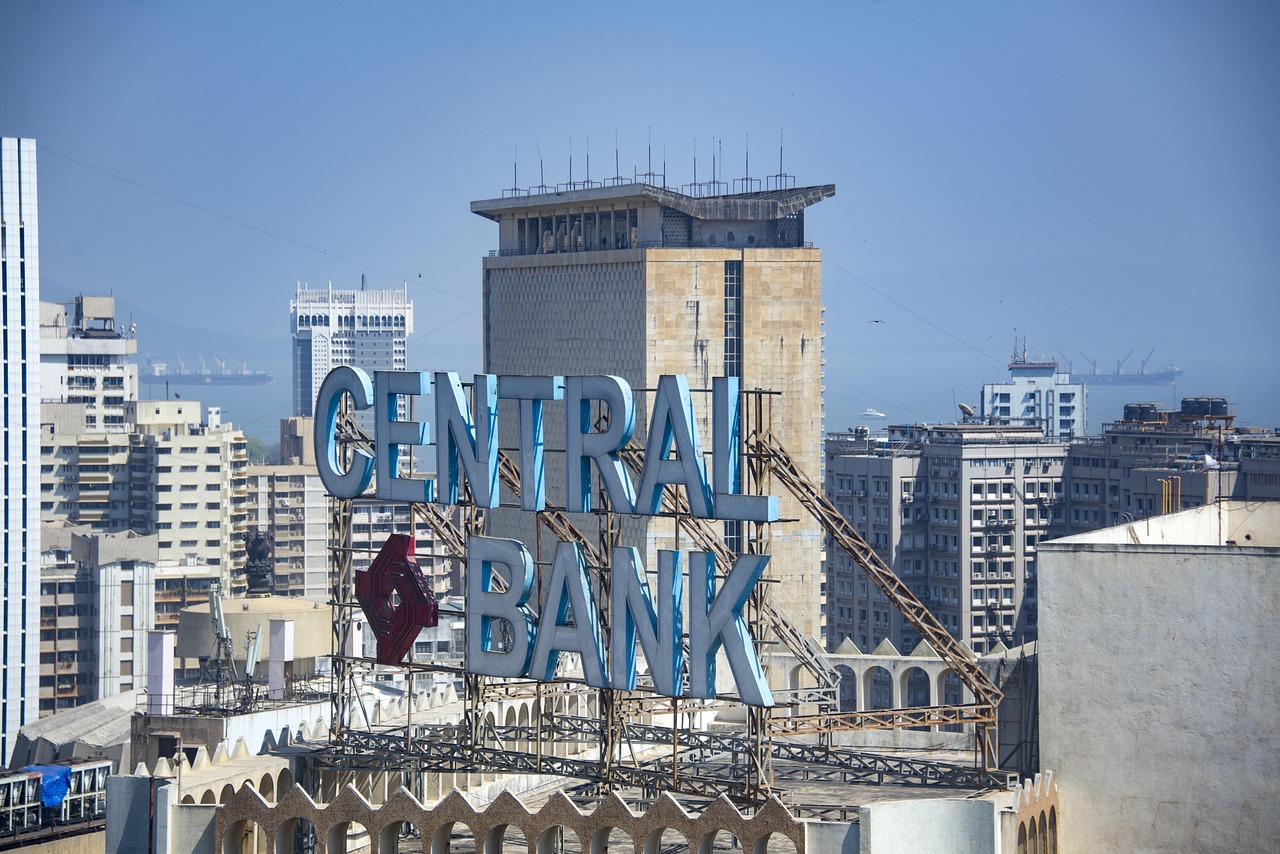
Liquidity risk refers to the possibility that a bank or a central bank is unable to meet its short‑term financial obligations without incurring unacceptable losses. In the context of Bangladesh’s central banking system, understanding this risk is essential because the central bank must ensure that commercial banks, payment systems, and the overall financial market retain sufficient liquidity to function smoothly. The term encompasses both funding liquidity – the ability to obtain cash or liquid assets when needed – and market liquidity – the ease with which assets can be bought or sold without causing significant price changes.
Liquidity risk management (LRM) is the systematic process of identifying, measuring, monitoring, and controlling liquidity risk. It involves the development of policies, procedures, and tools that enable a central bank to assess the adequacy of liquidity buffers, the composition of funding sources, and the resilience of the financial system under stress scenarios. Effective LRM requires a clear definition of key concepts such as cash‑flow projections, liquidity gaps, and stress‑testing methodologies. These concepts are often interrelated, and a comprehensive vocabulary helps practitioners communicate risk assessments accurately.
Cash‑flow projection is the estimation of future cash inflows and outflows over a specified horizon, typically ranging from one day to one year. Accurate projections rely on historical data, current market conditions, and assumptions about future events. For example, a central bank may project the cash‑flow impact of a sudden increase in foreign‑exchange demand due to a balance‑of‑payments shock. The projection must consider both expected inflows, such as interest receipts, and outflows, such as redemption of short‑term deposits. A mismatch between projected inflows and outflows creates a liquidity gap that must be addressed through contingency funding.
Liquidity gap analysis is the quantitative assessment of the difference between expected cash inflows and outflows at each point in the projection horizon. The gap can be expressed in absolute terms (e.G., BDT 10 billion) or as a percentage of assets. Positive gaps indicate excess liquidity, while negative gaps signal a shortfall. Central banks use gap analysis to determine the size of liquidity buffers required to absorb unexpected outflows. For instance, if a negative gap of BDT 5 billion is identified for the 30‑day horizon, the central bank may require banks to hold an additional high‑quality liquid asset (HQLA) to cover the shortfall.
High‑quality liquid assets (HQLA) are assets that can be readily converted into cash with minimal loss of value. International standards, such as those outlined in the Basel III framework, categorize HQLA into Level 1 and Level 2 assets. Level 1 assets, such as government securities, are considered the most liquid and can be used without a haircut. Level 2 assets, such as certain corporate bonds, may be subject to a haircut and limits on their contribution to the liquidity buffer. In Bangladesh, the central bank may designate specific sovereign bonds as Level 1 HQLA, thereby ensuring that banks have a reliable source of liquidity during periods of stress.
Liquidity Coverage Ratio (LCR) is a regulatory metric that requires banks to hold enough HQLA to cover net cash outflows over a 30‑day stress period. The LCR is expressed as a percentage, with the minimum requirement typically set at 100 percent. The calculation involves dividing the stock of HQLA by the total net cash outflows expected in the stress scenario. For example, if a bank holds BDT 200 billion of HQLA and its projected net cash outflows over 30 days amount to BDT 180 billion, its LCR would be 111 percent, satisfying the regulatory threshold. The LCR promotes short‑term resilience by ensuring that banks can survive a liquidity shock without external assistance.
Net Stable Funding Ratio (NSFR) complements the LCR by focusing on longer‑term funding stability. The NSFR measures the proportion of stable funding (e.G., Long‑term deposits, equity, and long‑term wholesale funding) relative to the required amount of stable funding for the bank’s assets and off‑balance‑sheet exposures over a one‑year horizon. A minimum NSFR of 100 percent indicates that a bank’s stable funding sources are sufficient to support its liquidity needs. The NSFR discourages excessive reliance on short‑term wholesale funding, which can be volatile during market disruptions.
Funding liquidity risk is the risk that a bank cannot obtain funding on acceptable terms when needed. This risk is closely linked to the composition and maturity profile of the bank’s funding sources. A bank that relies heavily on short‑term wholesale funding may face higher funding liquidity risk, especially if market conditions tighten. By contrast, a bank with a diversified funding base that includes retail deposits, longer‑term bonds, and central‑bank facilities will typically experience lower funding liquidity risk.
Market liquidity risk, on the other hand, concerns the ability to sell assets quickly without causing a material price impact. This risk is heightened for assets that are illiquid, such as certain corporate bonds or real‑estate loans. In a stressed market, the bid‑ask spread may widen, and the price at which assets can be sold may fall sharply. Central banks monitor market liquidity risk by tracking indicators such as trading volumes, price volatility, and the depth of order books for key securities.
Liquidity risk appetite reflects the level of liquidity risk that a central bank or a regulated institution is willing to accept in pursuit of its strategic objectives. The appetite is set by senior management and the board, and it guides the development of risk‑limits, policies, and controls. For example, a central bank may adopt a conservative liquidity risk appetite, mandating that banks maintain an LCR well above the regulatory minimum. The appetite is communicated through a risk‑tolerance statement that outlines acceptable ranges for key liquidity metrics.
Liquidity risk tolerance is the quantitative expression of the risk appetite. It defines specific limits for metrics such as LCR, NSFR, cash‑flow gaps, and HQLA composition. Tolerance levels are set based on the institution’s size, business model, and external environment. If a bank’s LCR falls below the tolerance threshold, corrective actions, such as raising additional capital or reducing risky assets, must be taken promptly.
Liquidity stress testing is a forward‑looking analytical tool that evaluates the impact of severe but plausible stress scenarios on a bank’s liquidity position. Stress tests may involve shocks to market rates, sudden outflows of deposits, or disruptions to funding markets. The results help banks and regulators identify vulnerabilities, assess the adequacy of liquidity buffers, and design contingency plans. For instance, a stress test might assume a 30‑day outflow of BDT 50 billion from foreign‑exchange deposits, requiring banks to demonstrate that they can meet the outflow using HQLA and other funding sources.
Contingency funding plan (CFP) is a documented strategy that outlines how a bank will obtain additional liquidity in an emergency. The CFP includes predefined sources of funding, such as central‑bank lines of credit, asset‑sale arrangements, or repurchase agreements. It also specifies the triggers that would activate the plan, the governance structure for decision‑making, and the communication protocol with regulators and stakeholders. A robust CFP ensures that a bank can respond quickly to liquidity shortages without jeopardizing its solvency.
Liquidity risk indicator (LRI) is a metric used to monitor the ongoing liquidity condition of a bank. Common LRIs include the ratio of liquid assets to total assets, the proportion of short‑term funding, and the average maturity of liabilities. LRIs are tracked on a regular basis and compared against internal thresholds and peer benchmarks. An upward trend in the proportion of short‑term funding, for example, may signal a rising liquidity risk that warrants further investigation.
Liquidity risk governance refers to the organizational framework that ensures effective oversight and accountability for liquidity risk management. It typically involves a board of directors, a risk committee, senior management, and a dedicated liquidity risk team. Clear lines of responsibility, reporting procedures, and escalation protocols are essential components of governance. In Bangladesh, the central bank may require commercial banks to establish a liquidity risk governance structure that aligns with international best practices.
Liquidity risk policy is a formal document that articulates the principles, objectives, and procedures for managing liquidity risk. The policy defines the scope of LRM activities, the roles of various stakeholders, the methodologies for measuring liquidity risk, and the reporting requirements. It also outlines the interaction between LRM and other risk‑management functions, such as credit risk and market risk. A well‑crafted policy provides consistency and transparency across the organization.
Liquidity risk measurement techniques vary according to the complexity of the institution’s balance sheet and the regulatory environment. Common techniques include the cash‑flow matching approach, the duration‑based approach, and the simulation of liquidity‑stress scenarios. The cash‑flow matching approach aligns inflows and outflows on a day‑by‑day basis, while the duration‑based approach aggregates cash‑flow mismatches over longer horizons using weighted averages. Simulation techniques employ Monte‑Carlo methods to generate a range of possible outcomes, allowing banks to assess the probability distribution of liquidity shortfalls.
Liquidity risk monitoring involves the continuous observation of key metrics, the assessment of emerging trends, and the timely reporting of deviations from established thresholds. Monitoring tools may include dashboards that display real‑time LCR and NSFR figures, alerts for sudden changes in funding concentrations, and analytics for off‑balance‑sheet exposures such as guarantees and letters of credit. Effective monitoring enables early detection of liquidity stress and facilitates proactive remedial actions.
Liquidity risk reporting is the process of communicating liquidity risk information to internal and external stakeholders. Internal reports typically include detailed breakdowns of cash‑flow projections, liquidity gaps, and stress‑test results. External reports, such as regulatory filings, may require summary metrics like LCR, NSFR, and the composition of HQLA. Transparency in reporting fosters confidence among regulators, investors, and the public, and it supports market discipline.
Liquidity risk culture refers to the shared attitudes, values, and behaviors that influence how individuals within an organization perceive and manage liquidity risk. A strong liquidity risk culture encourages prudent decision‑making, open communication, and a willingness to challenge assumptions. It is cultivated through training programs, performance incentives, and leadership commitment. In the context of Bangladesh’s central banking environment, fostering a robust liquidity risk culture helps ensure that banks act responsibly during periods of market turbulence.
Liquidity risk appetite, tolerance, and limits are often expressed in terms of “coverage ratios” and “funding ratios.” Coverage ratios, such as the LCR, measure the sufficiency of liquid assets relative to projected cash outflows. Funding ratios, such as the proportion of long‑term funding to total liabilities, assess the stability of the funding profile. By monitoring both types of ratios, banks can maintain a balanced approach that addresses both short‑term and long‑term liquidity concerns.
Liquidity risk contingency measures may include the use of central‑bank facilities, such as discount windows or emergency liquidity assistance (ELA). The discount window allows banks to obtain short‑term funding against eligible collateral at a predetermined rate. ELA is a more extraordinary tool that provides liquidity support in severe crises, often with stricter conditions. Access to these facilities can be a critical component of a bank’s CFP, but reliance on them should be limited to avoid moral hazard.
Liquidity risk diversification is the practice of spreading funding sources across multiple markets, currencies, and instrument types. Diversification reduces the concentration risk that arises when a large portion of funding comes from a single source. For example, a bank that obtains funding from both domestic retail deposits and foreign‑exchange wholesale markets will be less vulnerable to a shock in either market. Central banks encourage diversification through supervisory guidance and incentives for broader funding bases.
Liquidity risk modeling often incorporates statistical techniques such as value‑at‑risk (VaR) applied to cash‑flow projections. While VaR is traditionally used for market risk, it can be adapted to estimate the potential shortfall in liquidity under extreme but plausible conditions. The model may use historical volatility of cash‑flow components to generate confidence intervals for future liquidity positions. However, model risk must be managed carefully, as assumptions about correlation and distribution can significantly affect outcomes.
Liquidity risk communication is essential during periods of market stress. Clear, timely, and accurate communication with stakeholders, including regulators, investors, and customers, helps mitigate panic and stabilizes confidence. A central bank may issue public statements outlining the measures taken to ensure liquidity, the status of its facilities, and expectations for market participants. Consistent messaging reduces speculation and supports orderly market functioning.
Liquidity risk in the context of foreign‑exchange operations carries additional complexities. Central banks must manage the supply of foreign currency to meet demand while preserving reserves. The exchange‑rate regime, capital controls, and the behavior of importers and exporters influence the liquidity dynamics of foreign‑exchange markets. For example, a sudden surge in import demand may deplete foreign‑exchange reserves, prompting the central bank to intervene or adjust policy rates to restore balance.
Liquidity risk in the payment‑system domain pertains to the ability of participants to settle transactions in real time. Central banks operate settlement systems that require participants to maintain sufficient balances to complete payments. If a participant experiences a liquidity shortfall, it may be unable to meet its settlement obligations, leading to systemic risk. Liquidity buffers in the payment system, such as intraday credit limits, are designed to mitigate this risk.
Liquidity risk and macro‑prudential policy intersect when central banks aim to safeguard financial stability. Macro‑prudential tools, such as counter‑cyclical capital buffers or loan‑to‑value caps, can indirectly affect liquidity risk by influencing banks’ funding behavior and asset composition. A tighter macro‑prudential stance may compel banks to hold more liquid assets, thereby enhancing system‑wide resilience. Understanding these interactions is vital for policymakers in Bangladesh.
Liquidity risk challenges in emerging markets, including Bangladesh, often stem from limited market depth, underdeveloped funding markets, and reliance on short‑term foreign borrowing. These factors can amplify the impact of external shocks, such as sudden capital outflows or changes in global interest rates. Addressing these challenges requires a combination of regulatory reforms, development of domestic capital markets, and strengthening of central‑bank liquidity facilities.
Liquidity risk assessment for non‑bank financial institutions (NBFIs) is equally important, as these entities often engage in activities that generate significant cash‑flow mismatches, such as leasing, factoring, or micro‑finance. NBFIs may lack robust liquidity buffers, making them vulnerable to funding disruptions. Supervisory oversight should extend to NBFIs, ensuring that they adopt appropriate LRM practices, maintain adequate HQLA, and develop contingency funding plans.
Liquidity risk metrics for off‑balance‑sheet items, such as guarantees, letters of credit, and derivatives, require special treatment. These commitments can generate cash outflows under certain conditions, even though they do not appear on the balance sheet. The risk‑adjusted exposure method assigns a conversion factor to each off‑balance‑sheet item, converting it into an equivalent cash‑flow amount for inclusion in liquidity gap analysis. Accurate measurement of these exposures is crucial for a comprehensive liquidity risk picture.
Liquidity risk can also arise from operational events, such as system failures, cyber‑attacks, or natural disasters. An operational disruption may prevent a bank from accessing its funding sources or processing payments, thereby creating a liquidity strain. Business‑continuity planning and disaster‑recovery strategies are integral components of LRM, ensuring that critical systems remain functional and that alternative funding channels are available during emergencies.
Liquidity risk monitoring tools often incorporate real‑time data feeds from market participants, such as interbank offered rates, bond yields, and foreign‑exchange spot rates. By integrating these data streams into analytics platforms, banks can update their liquidity metrics continuously, allowing for rapid detection of market‑driven liquidity stress. Advanced analytics, including machine‑learning algorithms, can flag abnormal patterns and suggest corrective actions.
Liquidity risk governance frameworks typically prescribe the establishment of a liquidity risk committee that reports directly to the board. The committee reviews key metrics, approves stress‑test scenarios, and evaluates the adequacy of contingency funding plans. Independence of the committee is essential to prevent conflicts of interest and to ensure objective oversight. Board members must possess sufficient expertise in liquidity risk to challenge management assumptions effectively.
Liquidity risk policies often delineate the permissible use of central‑bank facilities. For example, a policy may state that the discount window can be used only as a last resort after exhausting all private funding options. Such policies help prevent over‑reliance on public liquidity sources and encourage banks to develop robust private funding markets. The policy may also set limits on the proportion of total assets that can be funded through central‑bank lines.
Liquidity risk pricing involves incorporating a liquidity premium into the cost of funding. When markets perceive higher liquidity risk, investors demand a higher return for providing funds. Banks must account for this premium when pricing loans, deposits, and securities. Accurate pricing ensures that the bank is compensated for the additional risk and helps maintain profitability under varying liquidity conditions.
Liquidity risk and capital adequacy interact through the concept of liquidity‑adjusted capital. Some regulatory regimes require banks to hold additional capital against the risk of liquidity stress, recognizing that liquidity shortfalls can erode capital levels. Capital buffers, such as the capital conservation buffer, may be adjusted upward if liquidity indicators fall below predetermined thresholds. This approach aligns liquidity and solvency considerations.
Liquidity risk communication with regulators includes regular reporting of compliance with LCR and NSFR requirements, submission of stress‑test results, and disclosure of significant funding concentration changes. Regulators may also request internal audit reviews of LRM processes. Prompt and transparent communication facilitates supervisory oversight and enables regulators to intervene early if systemic liquidity risk emerges.
Liquidity risk in the sovereign‑debt market is another area of focus for central banks. When governments issue large amounts of debt, the secondary‑market liquidity of those securities becomes critical for investors who may need to sell before maturity. Central banks can support market liquidity by acting as dealers of last resort, providing liquidity through open‑market operations, or establishing repurchase‑agreement facilities that use sovereign bonds as collateral. These measures help maintain confidence in the sovereign‑debt market.
Liquidity risk modeling for foreign‑exchange reserves involves projecting the outflow of foreign currency under different stress scenarios, such as a sharp depreciation of the local currency or a surge in import demand. The model must consider the composition of reserves, including gold, SDRs (special drawing rights), and foreign‑currency assets, and the ease with which each component can be mobilized. Effective reserve management ensures that the central bank can meet foreign‑exchange obligations without depleting its buffer.
Liquidity risk mitigation strategies may include the use of liquidity‑risk transfer instruments, such as credit‑default swaps (CDS) on liquidity risk, or the issuance of contingent convertible bonds (CoCos) that convert to equity under stress. While these instruments can provide additional funding sources, they also introduce complexity and potential contagion effects. Careful assessment of the benefits and drawbacks is required before adopting such tools.
Liquidity risk assessment for small and medium‑size enterprises (SMEs) is relevant for central banks that design policies to promote financial inclusion. SMEs often rely on short‑term financing, making them vulnerable to liquidity shocks. Central banks can encourage banks to develop tailored liquidity products, such as invoice‑discounting facilities, that provide SMEs with stable cash flows. Monitoring the liquidity health of the SME sector helps identify systemic risks that may arise from concentrated exposures.
Liquidity risk in the shadow‑banking sector, which includes entities such as peer‑to‑peer lending platforms and asset‑management firms, presents regulatory challenges. These entities may lack the regulatory capital and liquidity buffers required of traditional banks, yet they can generate significant funding flows. Supervisory frameworks need to extend liquidity‑risk oversight to the shadow‑banking sector to prevent hidden vulnerabilities from spilling over into the broader financial system.
Liquidity risk indicators for the banking sector can be aggregated at the system level to assess overall financial‑system liquidity. Composite indices may combine metrics such as the average LCR across banks, the share of short‑term funding, and the volatility of interbank rates. System‑wide monitoring enables the central bank to detect emerging liquidity strains that could affect multiple institutions simultaneously.
Liquidity risk management software platforms provide integrated solutions for data collection, analytics, reporting, and stress testing. These platforms often feature modules for cash‑flow forecasting, scenario analysis, and regulatory compliance reporting. By automating routine tasks, banks can allocate more resources to strategic analysis and decision‑making. Selecting a platform that aligns with the institution’s risk‑management framework is essential for effective implementation.
Liquidity risk training programs for staff emphasize the importance of understanding key concepts, such as liquidity gaps, HQLA classification, and stress‑testing methodology. Training should be tailored to different roles, with senior management focusing on strategic implications, while front‑line staff concentrate on operational aspects such as cash‑flow monitoring. Regular refresher courses help maintain competency as market conditions evolve.
Liquidity risk documentation must be comprehensive, covering policies, procedures, models, and governance structures. Documentation ensures that risk‑management practices are transparent, repeatable, and auditable. It also facilitates knowledge transfer when personnel change roles or leave the organization. Central banks may require banks to submit their liquidity risk documentation for supervisory review on an annual basis.
Liquidity risk measurement for multi‑currency portfolios involves converting cash‑flow projections into a common reporting currency, typically the domestic currency. Exchange‑rate risk must be accounted for, as fluctuations can affect the magnitude of cash inflows and outflows when expressed in the reporting currency. Hedging strategies, such as forward contracts, can be employed to mitigate exchange‑rate exposure and stabilize liquidity projections.
Liquidity risk assessment for securities‑lending activities requires evaluating the potential for recall of lent securities, which could create an unexpected cash outflow. Banks engaged in securities‑lending must maintain sufficient collateral and liquidity to meet recall obligations. The risk is amplified when the securities involved are illiquid or when market conditions deteriorate rapidly.
Liquidity risk in the context of central‑bank open‑market operations involves ensuring that the liquidity injected or withdrawn through these operations does not destabilize the banking system. When the central bank conducts large‑scale asset purchases, it must monitor the impact on banks’ reserve balances and their ability to meet settlement obligations. Proper timing and communication of operations help manage liquidity risk effectively.
Liquidity risk considerations for climate‑related financial risks are emerging as central banks integrate environmental factors into their supervisory frameworks. Climate‑induced events, such as floods or droughts, can disrupt cash flows for borrowers, leading to increased liquidity stress for banks with high exposure to affected sectors. Incorporating climate scenarios into liquidity stress testing helps capture these emerging risks.
Liquidity risk in cross‑border banking requires coordination between home‑country regulators and foreign regulators. When a bank operates subsidiaries in multiple jurisdictions, each may have distinct liquidity‑risk requirements and reporting standards. Harmonizing policies and sharing information across borders ensures that the bank’s global liquidity position is managed cohesively.
Liquidity risk monitoring dashboards often display key performance indicators (KPIs) such as the daily LCR, the maturity profile of assets and liabilities, and the utilization rate of central‑bank facilities. Visual representations, such as heat maps or trend lines, enable risk officers to quickly identify areas of concern. Alerts can be configured to trigger when KPIs breach predefined thresholds, prompting immediate investigation.
Liquidity risk management is a dynamic discipline that must adapt to evolving market conditions, regulatory changes, and technological advancements. Continuous improvement processes, such as periodic reviews of policies, benchmarking against peers, and incorporation of lessons learned from stress‑test outcomes, ensure that liquidity risk frameworks remain robust. Central banks play a pivotal role in setting standards, providing guidance, and overseeing the implementation of effective liquidity risk management across the financial system.
Key takeaways
- The term encompasses both funding liquidity – the ability to obtain cash or liquid assets when needed – and market liquidity – the ease with which assets can be bought or sold without causing significant price changes.
- It involves the development of policies, procedures, and tools that enable a central bank to assess the adequacy of liquidity buffers, the composition of funding sources, and the resilience of the financial system under stress scenarios.
- Cash‑flow projection is the estimation of future cash inflows and outflows over a specified horizon, typically ranging from one day to one year.
- For instance, if a negative gap of BDT 5 billion is identified for the 30‑day horizon, the central bank may require banks to hold an additional high‑quality liquid asset (HQLA) to cover the shortfall.
- In Bangladesh, the central bank may designate specific sovereign bonds as Level 1 HQLA, thereby ensuring that banks have a reliable source of liquidity during periods of stress.
- For example, if a bank holds BDT 200 billion of HQLA and its projected net cash outflows over 30 days amount to BDT 180 billion, its LCR would be 111 percent, satisfying the regulatory threshold.
- , Long‑term deposits, equity, and long‑term wholesale funding) relative to the required amount of stable funding for the bank’s assets and off‑balance‑sheet exposures over a one‑year horizon.