
Introduction To German Automotive History
German automotive history is a tapestry woven from technological innovation, cultural shifts, and economic forces that together shaped the world’s most influential automobile industry. For students of antique and vintage car appraisal, mast…
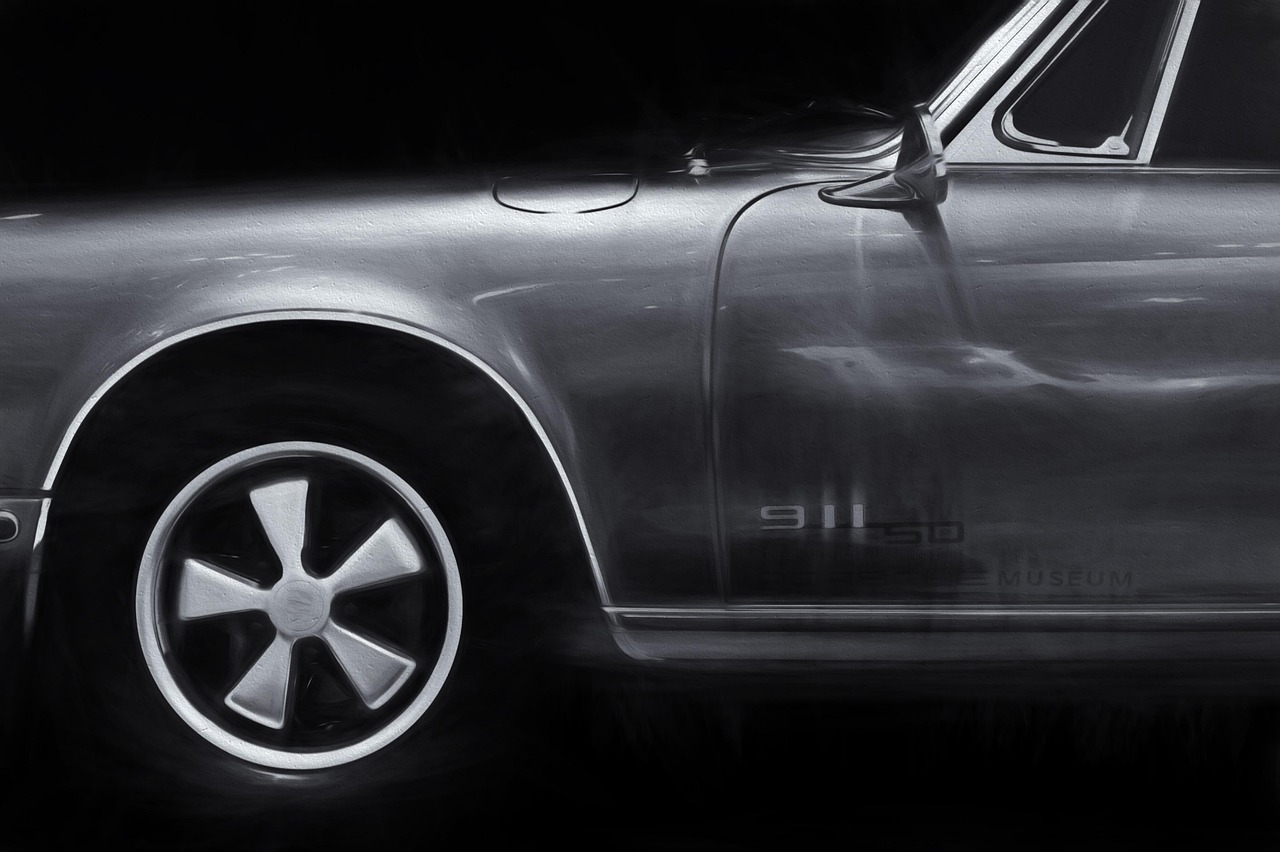
German automotive history is a tapestry woven from technological innovation, cultural shifts, and economic forces that together shaped the world’s most influential automobile industry. For students of antique and vintage car appraisal, mastering the specialized vocabulary is essential; it enables accurate identification, valuation, and authentication of historic vehicles. The following exposition outlines the core terms and concepts encountered in the Introduction to German Automotive History module of the Certificate in Antique and Vintage Car Appraisal (Germany) (Part II). Each entry includes a definition, contextual background, practical appraisal application, illustrative example, and common challenges that appraisers may face.
Baujahr – The German word for “year of manufacture.” In German vehicle documentation, the Baujahr indicates the calendar year in which a car was produced, often recorded on the chassis plate or in the registration papers. Accurate determination of the Baujahr is critical for establishing a vehicle’s eligibility for historic classification (e.G., “Pre‑war” vs. “Post‑war”). Example: A 1934 Mercedes‑Benz 540 K bears a chassis stamp reading “Baujahr 1934.” Appraisers must verify this against factory production records, as the stamped year may differ from the date of first registration. A frequent challenge is the existence of “re‑Baujahr” stamps applied during restoration to reflect a later reconstruction date; distinguishing original from replacement stamps requires careful metallurgical analysis.
Kraftfahrzeug – Literally “motor vehicle,” this term is the generic German designation for any automobile, motorcycle, or commercial vehicle powered by an internal‑combustion engine. In historic contexts, Kraftfahrzeug often appears in official documents such as the “Kraftfahrzeug‑Zulassungs‑Bescheinigung” (vehicle registration certificate). Knowing the exact translation helps the appraiser locate the appropriate archival source. For instance, a 1928 Opel 6 PS is listed in a regional archive under the heading “Kraftfahrzeug‑Eintragung.” The challenge lies in differentiating between private registrations and fleet registrations, which can affect provenance and value.
Typenbezeichnung – The model or type designation assigned by the manufacturer. German automakers traditionally used alphanumeric codes (e.G., “Typ 110” for the Volkswagen Beetle, “Typ 1500” for the BMW 1500) or descriptive names (e.G., “Kraftwagen 3‑Tage‑Wagen”). The Typenbezeichnung is essential for confirming that a vehicle matches the claimed model year and configuration. Example: A restored 1955 Porsche 356 Speedster should carry the original “Typ 356 A‑101” stamp on the engine block. Misidentification of the Typenbezeichnung can lead to overvaluation or underestimation, especially when rare variants such as “Sport” or “S‑Version” exist.
Karosserie – The body of the vehicle. German automobile history includes a rich tradition of coachbuilding, where independent firms such as Karosseriewerk or Hess & Wiedemann supplied bespoke bodies to chassis manufacturers. Appraisers must assess the authenticity of a Karosserie by examining panel joins, paint layers, and construction techniques. Example: A 1937 Mercedes‑Benz 540 K with a “Karmann‑Ghia” convertible top is more valuable than an aftermarket replacement. Challenges arise when original panels have been replaced with period‑correct reproductions; distinguishing original from replica requires a combination of visual inspection, documentation, and, when necessary, non‑destructive testing.
Chassisrahmen – The chassis frame that supports the body, suspension, drivetrain, and other components. Early German cars employed ladder frames, while later models transitioned to monocoque (unitary) construction. The condition and originality of the Chassisrahmen significantly affect a vehicle’s structural integrity and market value. Example: A 1949 Borgward Hansa 1500 with its original ladder frame is rare, as many survivors have been reinforced with modern steel. Appraisers must verify the frame number (often stamped on the frame rails) against factory records to confirm originality. A common pitfall is overlooking hidden corrosion that compromises the frame’s authenticity.
Motor – The engine. German automotive terminology distinguishes between several engine families, each with a distinct heritage. Key categories include the “Boxer” flat‑four of BMW, the “V‑8” of Mercedes‑Benz, and the “Inline‑six” of Audi. Understanding engine type aids in dating a vehicle and assessing its technical significance. Example: The 1965 BMW 2002’s 2.0‑Liter M10 Inline‑four is a hallmark of BMW’s “New Class” era. When appraising, the engine’s serial number must be cross‑checked with production logs to confirm it is the original powerplant. Challenges include identifying swapped or rebuilt engines—common in post‑war restorations—where the block may be original but internals are not.
Getriebe – The transmission. German cars historically employed a range of Getriebe configurations: Manual “Schaltgetriebe,” automatic “Automatikgetriebe,” and semi‑automatic “Schnell‑Schaltung.” The Getriebe’s gear ratios, shift quality, and originality influence both performance and collectibility. Example: A 1972 Porsche 911 S equipped with the original “K‑Gurke” (K‑Gear) manual transmission is more desirable than a later “G‑Series” unit. Appraisers must examine shift linkage, synchro wear, and the presence of factory‑issued service stamps. A frequent challenge is the replacement of original Getriebe with modern equivalents, which may improve reliability but diminish historic value.
Auflage – Production run or series. The Auflage refers to the total number of units produced for a specific model or variant. Knowing the Auflage helps determine rarity. Example: Only 2,500 units of the 1938 Mercedes‑Benz 540 K were built; this limited Auflage contributes to its high auction prices. Appraisers must reference official production tables, often found in manufacturer archives or specialist publications. Misreading the Auflage can lead to inaccurate rarity assessments, especially when “special edition” or “limited series” models are involved.
Erstzulassung – First registration date. This term appears on the German vehicle registration certificate and indicates when a car was first legally allowed on public roads. The Erstzulassung is a key data point for establishing chronological authenticity. Example: A 1955 Volkswagen Type 1 (Beetle) with an Erstzulassung of 12 March 1955 aligns with the factory’s “Series 2” production period. Appraisers must verify that the registration date matches the Baujahr and that there are no gaps in the vehicle’s documented ownership history. A challenge is that some historic cars were never officially registered due to wartime restrictions, requiring reliance on alternative evidence such as workshop logs or photographs.
Händlernummer – Dealer identification number. German manufacturers assigned a unique number to each authorized dealer, which appears on sales invoices and sometimes on the vehicle’s chassis plate. The Händlernummer helps trace the vehicle’s original point of sale. Example: A 1970 BMW 2002 with Händlernummer 102 indicates it was sold through the Munich dealership “Bayerische Motoren GmbH.” This provenance can enhance value if the dealer was notable for sport-oriented modifications. Appraisers must locate original dealer invoices or correspondence; the absence of such documentation can raise questions about the vehicle’s chain of custody.
Werkstattbericht – Workshop report. This is a service record documenting repairs, restorations, or modifications performed by an authorized service center. Werkstattberichte provide insight into the vehicle’s mechanical history, including any non‑original components. Example: A 1963 Mercedes‑Benz 300 SL’s Werkstattbericht notes a factory‑approved “Mild‑Steel” reinforcement added to the rear frame in 1970. Appraisers can use this information to assess whether the modification is historically appropriate or a later alteration. A common issue is forged or fabricated Werkstattberichte, which require verification against manufacturer archives.
Originalausstattung – Original equipment. This term encompasses all components, accessories, and interior fittings that were installed at the time of manufacture. Determining the Originalausstattung is crucial for evaluating originality. Example: The 1957 Porsche 356 Speedster originally featured a “Targa” roof and “Targa‑style” side windows; a later addition of a sunroof would be considered a deviation. Appraisers must compare the vehicle’s current configuration with period photographs, sales brochures, and parts catalogs. Challenges arise when original parts have been replaced with period‑correct reproductions; discerning authenticity may require microscopic analysis of paint layers or stitching patterns.
Nachrüstteil – Aftermarket part. These are components added after the vehicle’s initial production, often for performance enhancement or aesthetic modification. While some Nachrüstteile are historically significant (e.G., A 1950s “Turbosupercharger” added to a Mercedes‑Benz 300 SL), most are viewed as detracting from originality. Example: A 1968 Volkswagen Karmann Ghia fitted with a “Turbo‑Kit” from the 1980s is considered a non‑original modification. Appraisers must assess whether the Nachrüstteil is period‑appropriate and whether it adds or subtracts value. The challenge is that certain aftermarket parts, such as “Mopar” performance kits, have become collectible in their own right, creating a nuanced valuation scenario.
Gebrauchtzustand – Used condition. This phrase classifies the overall state of a pre‑owned vehicle, ranging from “original” (unmodified) to “restored” (fully refurbished). In German appraisal reports, the Gebrauchtzustand is often expressed using a scale (e.G., “Zustand 1” = excellent, “Zustand 4” = poor). Example: A 1939 Auto Union Type C racing car with a Gebrauchtzustand of “Zustand 1” indicates it retains its original chassis, engine, and body with minimal wear. Appraisers must carefully document the condition of each major component, noting any signs of corrosion, fatigue, or previous restoration. A frequent challenge is the subjectivity of condition grading; consistent photographic evidence and third‑party inspection reports help mitigate bias.
Restauration – Restoration. In German automotive circles, Restauration denotes the process of returning a vehicle to its original factory condition, often using period‑correct parts and techniques. Restauration can be “full” (complete disassembly and recreation) or “partial” (limited to specific systems). Example: A 1955 Mercedes‑Benz 300 SL that has undergone a full Restauration with original Mercedes‑Benz components is typically valued higher than a similarly aged car that has only been mechanically serviced. However, the presence of a restoration certificate and detailed documentation is essential for confirming the work’s authenticity. Challenges include the temptation to “over‑restore” (e.G., Polishing original paint to a mirror finish), which may diminish historic integrity.
Originalfarbe – Original paint color. German manufacturers used a standardized palette, often referenced by the “Werk‑farbcode” (factory paint code). Identifying the Originalfarbe involves matching the surviving paint to the historic code, sometimes through spectroscopic analysis. Example: The 1962 Porsche 911 S originally came in “Lila‑Metallic” (Werk‑farbcode R 27). An appraiser must verify that the current paint matches this code, as a later repaint in “Silver‑Metallic” would lower authenticity. A common difficulty is that early paint layers may have faded or been overcoated, necessitating careful removal of surface layers to expose the original hue.
Ausstattungsvariante – Trim level or equipment variant. German automakers offered multiple Ausstattungsvarianten within a single model, distinguished by features such as interior upholstery, instrumentation, and optional extras. Example: The 1965 BMW 2002 “Ti Coupé” versus “Ti Sedan” – the former includes sport seats and a tachometer, while the latter lacks these. Recognizing the correct Ausstattungsvariante is vital for accurate market comparison. Appraisers should reference original sales brochures (e.G., “BMW 2002 Ti‑Coupé Katalog 1965”) and verify the presence of period‑specific components. Challenges arise when owners have mixed‑and‑matched parts from different variants, creating a hybrid that may be less desirable to collectors.
Leistungssteigerung – Performance enhancement. This term covers factory‑approved upgrades (e.G., “M‑Series” engines) as well as aftermarket tuning. In the German context, many performance upgrades were offered through the manufacturer’s “Sport‑Pakete.” Example: A 1973 Porsche 911 S equipped with the “Turbo‑Kit 2.0 Barrel” from the factory’s “Turbo‑S” package is highly sought after. Appraisers must differentiate between authentic factory performance upgrades and later modifications, as the latter may affect both historical significance and value. Documentation such as factory build sheets or “Werk‑Zulassung” certificates assists in this verification.
Werk‑Zulassung – Factory approval certificate. This document confirms that a vehicle, component, or modification met the manufacturer’s standards for production and road use. For historic German cars, the Werk‑Zulassung often includes the serial number, Baujahr, and a description of any factory‑installed performance parts. Example: A 1969 Mercedes‑Benz 250 SE with a Werk‑Zulassung for the “S‑Series” engine indicates it was built to the highest specification of its time. The presence of a Werk‑Zulassung can significantly increase a vehicle’s provenance and market price. A challenge is that some Werk‑Zulassungen were lost during wartime or destroyed, requiring reliance on secondary sources such as dealer invoices.
Typenschild – Type plate. This metal plate, affixed to the engine block or chassis, displays the vehicle’s official type designation, serial number, and sometimes the emission class. The Typenschild is a primary identifier for authenticating a historic car. Example: The 1930s Auto Union Type C features a Typenschild stamped with “Typ C R‑1 191 /30.” Appraisers must ensure the plate matches the vehicle’s documented history; mismatched or missing Typenschilds are red flags that may indicate a misidentified chassis. In some cases, the original plate may have been replaced with a replica; forensic metal analysis can help determine authenticity.
Hochleistungsmotor – High‑performance engine. German manufacturers designated certain engines as Hochleistungsmotoren, often indicated by a special suffix (e.G., “M10 S” for the sport version of the BMW M10). These engines were engineered for greater power output, higher compression ratios, or specialized fuel systems. Example: The 1970 Porsche 911 S equipped with the “M 28” Hochleistungsmotor delivers 210 hp, compared to the standard 180 hp. Appraisers must verify the engine’s authenticity through serial numbers, casting marks, and factory documentation. A common pitfall is the installation of a later high‑performance engine into an earlier chassis, which may be historically inaccurate despite improved performance.
Karosserietyp – Body style classification. German automotive terminology distinguishes between “Limousine” (sedan), “Kabriolet” (convertible), “Coupé,” “Roadster,” and “Kombi” (station wagon). Each Karosserietyp has unique structural and aesthetic characteristics that influence collectibility. Example: The 1955 Volkswagen Type 3 “Kraftwagen” (coupé) is rarer than the more common “Sedan” variant, thereby commanding a premium. Appraisers must confirm the Karosserietyp through visual inspection, chassis drawings, and original sales literature. Challenges include bodies that have been altered (e.G., A sedan converted to a convertible), which can affect both structural integrity and market perception.
Vertriebshistorie – Distribution history. This term encompasses the vehicle’s journey from factory to final ownership, including sales channels, export routes, and any intermediate owners. A well‑documented Vertriebshistorie enhances provenance and often justifies higher valuations. Example: A 1964 BMW 2002 that was exported to the United Kingdom in 1965 and subsequently owned by a noted racing driver adds narrative depth to the appraisal. Appraisers should gather sales contracts, export documents, and personal letters to construct a reliable Vertriebshistorie. The challenge lies in gaps where records were lost or never created, requiring reliance on oral histories or secondary sources.
Werkstatt‑Prüfprotokoll – Service inspection report. Produced by authorized service centers, this protocol records the condition of major systems during routine inspections. For antique German cars, Werkstatt‑Prüfprotokolle can confirm the presence of original components or reveal earlier restorations. Example: A 1971 Audi 100’s Werkstatt‑Prüfprotokoll from 1973 notes the original “Bremsscheiben” (disc brakes) were still in place. Appraisers should cross‑reference these reports with physical evidence; discrepancies may indicate undocumented part swaps. A frequent issue is the existence of forged protocols, especially when high‑value vehicles are involved; authentication may require comparison with known genuine templates.
Fahrgestellnummer – Chassis number. This unique identifier, usually stamped onto the frame rails, is essential for tracing a vehicle’s origin, verifying production data, and detecting fraudulent claims. Example: The 1936 Mercedes‑Benz 540 K’s Fahrgestellnummer “W 123456” can be matched against the Mercedes‑Benz production ledger to confirm that the chassis is genuine. Appraisers must ensure the number is legible and unaltered; any signs of tampering, such as grinding or re‑stamping, must be investigated. Challenges include chassis numbers that have been re‑assigned during extensive restorations, which can obscure the vehicle’s true lineage.
Rennsport‑Heritage – Motorsport heritage. Many German cars earned fame on the racetrack, and their Rennsport‑Heritage is a critical factor in valuation. Vehicles with documented racing success, such as a 1938 Mercedes‑Benz 540 K that won the “Nürburgring 24‑Hour” race, gain prestige and often a premium price. Appraisers should seek race results, driver logs, and period photographs to substantiate claims of Rennsport‑Heritage. A common challenge is the proliferation of “fake” race histories, where owners embellish or fabricate achievements; rigorous verification against official race archives is mandatory.
Originalausweis – Original certificate of authenticity. Issued by the manufacturer or an authorized body, this document certifies that a vehicle is an authentic, unmodified example of its type. Example: A 1969 Porsche 911 Targa that retains its Originalausweis from Porsche’s “Historic Registry” is highly prized. The Originalausweis typically includes the vehicle’s VIN, Baujahr, and a statement of originality. Appraisers must verify the certificate’s legitimacy, as counterfeit documents are common in the high‑value market. Authentication can involve contacting the issuing authority and comparing signatures, seals, and paper quality.
Baureihe – Model series. German manufacturers often grouped vehicles into Baureihen, each representing a distinct generation or platform. For instance, the “BMW 3‑Serie E30” is a Baureihe that spanned 1982‑1994. Understanding Baureihe distinctions aids in dating a vehicle and assessing its place within the manufacturer’s evolution. Example: The E30’s “M3 Sport‑Evolution” variant is rarer than the base “320i.” Appraisers must be familiar with the technical specifications and visual cues that differentiate Baureihen, such as grille shape, headlamp design, and interior layout. A challenge is the overlap of design cues across generations, which can lead to misclassification without detailed reference material.
Rekonstruktionswerkstatt – Reconstruction workshop. Specialized facilities that rebuild historic vehicles using period‑accurate techniques and parts. While a Rekonstruktionswerkstatt can restore a car to near‑original condition, the work may be viewed differently from a factory‑original vehicle. Example: A 1950s Mercedes‑Benz 300 SL restored by the “Werkstatt Für Historische Fahrzeuge” in Stuttgart is often accepted as authentic if the workshop provides comprehensive documentation and uses original‑spec parts. Appraisers should assess the quality of the reconstruction, the provenance of parts, and the transparency of the workshop’s processes. The challenge lies in determining whether the reconstruction adds value or detracts due to loss of original material.
Historische Fahrzeugregistrierung – Historic vehicle registration. In Germany, cars older than 30 years may qualify for a “H‑Kennzeichen” (historic license plate), which confers benefits such as reduced taxes and exemption from certain emissions tests. Example: A 1970 Volkswagen Beetle bearing an H‑Kennzeichen demonstrates that the vehicle meets the criteria of being over 30 years old, largely unchanged, and maintained in good condition. Appraisers should verify the registration status, as it can affect market perception and legal aspects of ownership. A challenge is that some owners may obtain an H‑Kennzeichen for a vehicle that has undergone substantial modification, potentially misleading buyers.
Werk‑Typ – Factory model code. This alphanumeric code identifies a specific vehicle configuration as produced at the factory, often appearing on the production order and VIN. Example: The Mercedes‑Benz 300 SL’s Werk‑Typ “W 113 S” indicates a specific chassis and engine combination. Appraisers must compare the Werk‑Typ on the vehicle’s documentation with the actual components present; mismatches may signal part swaps or misidentification. The difficulty lies in the complexity of the coding system, especially for manufacturers that changed their coding schemes over decades.
Erstzulassungs‑Dokument – Initial registration document. This official paper records the vehicle’s first road registration, including owner name, date, and vehicle specifications. It is a cornerstone for establishing provenance. Example: A 1939 Auto Union racing car’s Erstzulassungs‑Dokument lists “Racing Team Berlin” as the original owner, adding historical interest. Appraisers should examine the document for authenticity—look for watermarks, signatures, and correct formatting. Counterfeit documents are a risk in high‑value transactions; cross‑checking with archival registration databases can mitigate this.
Fahrzeughistorie – Vehicle history. A broader term encompassing all known events in a car’s life, from manufacturing, ownership changes, restorations, accidents, and participation in events. A well‑documented Fahrzeughistorie enhances confidence in the appraisal. Example: The Fahrzeughistorie of a 1955 Porsche 356 Speedster includes ownership by a noted collector, a documented 1975 restoration, and a 2003 participation in the “Porsche Classic Rally.” Appraisers should compile a timeline, supported by receipts, photographs, and third‑party reports. The main challenge is gaps in the record, which may necessitate reliance on oral testimony or inference from physical evidence.
Originalteile – Original parts. These are components produced by the vehicle’s manufacturer for the specific model and year. Originalteile retain the highest value in historic car markets. Example: The original “M 28 S” cylinder head on a 1970 Porsche 911 S is more valuable than a later reproduction. Appraisers must verify originality through part numbers, casting marks, and factory stamps. A frequent obstacle is the scarcity of original parts, leading to the temptation to accept high‑quality reproductions as genuine; detailed inspection and provenance documentation are essential to avoid misvaluation.
Nachbau – Reproduction. This term refers to parts or components fabricated to replicate original specifications, often using modern materials or techniques. While Nachbau parts can be acceptable for functional restoration, they generally lower a vehicle’s authenticity rating. Example: A 1964 BMW 2002 fitted with a Nachbau “Bremsscheiben” from a reputable supplier is functional but must be disclosed in the appraisal. Appraisers should note the presence of Nachbau components, their quality, and whether they are reversible. The challenge is that some high‑quality Nachbauten are indistinguishable from originals without specialized analysis, requiring expertise in metallurgy and finishing methods.
Werk‑Lackcode – Factory paint code. German manufacturers assigned a numeric or alphanumeric code to each paint color, recorded in production records and sometimes on a “Lackcode‑Stempel” affixed to the body. Example: The 1965 Porsche 911 S’s Werk‑Lackcode “R 25” corresponds to “Racing‑Red.” Appraisers can use the code to verify the Originalfarbe, even when the paint has faded. Access to the manufacturer’s paint code database is necessary for accurate identification. A difficulty arises when paint codes were reused across different colors in later years, requiring cross‑reference with production year.
Karosseriekonstruktion – Body construction method. German cars employed various Karosseriekonstruktion techniques, including “Stahl‑Karosserie” (steel body), “Aluminium‑Karosserie,” and “Fiberglass‑Karosserie.” Understanding the construction method aids in assessing structural integrity and originality. Example: The 1953 Borgward Hansa 1500’s aluminium Karosserie is lighter and more prone to corrosion than its steel counterparts, influencing both restoration approach and market value. Appraisers should examine seam welding, rivet patterns, and material thickness. Challenges include hidden corrosion in aluminium panels, which may require dismantling to assess.
Auslieferungs‑Dokument – Delivery document. Issued by the manufacturer at the time of vehicle handover, this paper lists the vehicle’s specifications, options, and the dealer’s name. Example: The Auslieferungs‑Dokument for a 1971 Mercedes‑Benz 280 SE indicates the inclusion of “Air‑Conditioning” and “Leather‑Trim,” features that enhance the vehicle’s desirability. Appraisers must confirm that the present vehicle matches the documented options; discrepancies may suggest later modifications. A common problem is the loss of the Auslieferungs‑Dokument, requiring reliance on secondary sources such as dealer catalogs or period advertisements.
Werk‑Zulassungs‑Nr. – Factory approval number. Similar to the Werk‑Zulassung, this number certifies that a specific vehicle configuration met regulatory standards. It appears on the vehicle’s chassis plate and in official paperwork. Example: A 1969 Porsche 911 Targa’s Werk‑Zulassungs‑Nr. “12345‑A” confirms its compliance with German road safety regulations of the era. Appraisers should verify that the number aligns with the vehicle’s Baujahr and model. Inconsistencies may indicate a chassis swap or illegal modification.
Fahrzeugklassen – Vehicle classes. German automotive classification includes “Kleinwagen” (small car), “Mittelklasse” (mid‑size), “Oberklasse” (luxury), and “Sportwagen.” These classifications affect market positioning and collector interest. Example: The Volkswagen Beetle is a classic “Kleinwagen,” while the Mercedes‑Benz 300 SL is an “Oberklasse” Sportwagen. Appraisers should understand the class expectations for equipment, performance, and price range. A challenge is that some models straddle categories (e.G., The BMW 2002 is both a “Mittelklasse” sedan and a “Sportwagen” in certain markets), requiring nuanced appraisal.
Originalzubehör – Original accessories. Items such as spare tires, tool kits, original manuals, and factory‑issued floor mats that accompanied the vehicle at delivery. Retention of Originalzubehör adds completeness and can increase value. Example: A 1952 Volkswagen Type 1 with its original “Werk‑Bodenmatte” and “Handbuch” is more valuable than one lacking these items. Appraisers should inventory accessories, verify their authenticity, and note any missing pieces. The difficulty lies in distinguishing genuine period accessories from later reproductions; provenance and condition are key.
Nachrüst‑Motor – Retrofit engine. An engine installed after the vehicle’s initial manufacture, often for improved performance or compliance with regulations. While some retrofits are historically significant (e.G., The “Turbo‑Kit” installed on a 1972 Porsche 911 S as a factory option), many are considered non‑original. Example: A 1965 BMW 2002 fitted with a 2.5‑Liter “M10” Nachrüst‑Motor from the 1970s will be noted in the appraisal as a non‑original modification. Appraisers must document the retrofit’s date, source, and impact on originality. A common issue is incomplete documentation, making it difficult to determine whether the retrofit was factory‑approved or an aftermarket addition.
Original‑Motorblock – Original engine block. The core casting of the engine, bearing the manufacturer’s serial numbers and casting marks. Retaining the Original‑Motorblock is a major factor in establishing a vehicle’s authenticity. Example: A 1938 Mercedes‑Benz 540 K with its Original‑Motorblock, serial number “M‑12345,” is highly prized. Appraisers should compare the block’s markings with factory records and inspect for signs of re‑casting or welding. Challenges include the practice of “engine swaps” where a newer block is fitted into an older chassis, which can be difficult to detect without detailed examination.
Original‑Getriebe – Original transmission. As with the engine, preserving the Original‑Getriebe is essential for historical integrity. Example: The 1969 Porsche 911 S’s Original‑Getriebe “G‑50” manual transmission is a sought‑after component. Appraisers must verify the transmission’s identification numbers, gear ratios, and internal condition. A common obstacle is the replacement of the original transmission with a newer, more reliable unit during restoration; while this may improve drivability, it reduces originality and must be disclosed.
Werk‑Originalteile‑Liste – Factory parts list. A comprehensive inventory of all components originally installed on a specific vehicle, often found in the manufacturer’s archives. Example: The Werk‑Originalteile‑Liste for a 1958 Mercedes‑Benz 300 SL includes part numbers for the “Kugel‑Rückleuchte” (round rear light) and “Höhenschutz‑Stangen.” Appraisers can use this list to verify that the vehicle’s components match the factory specification. The challenge is that many historic archives are incomplete or inaccessible, requiring reliance on secondary sources or expert knowledge.
Karosserie‑Originalfarbe – Body original color. Distinguishes the paint applied to the body panels from the interior color. Example: The 1970 Porsche 911 S’s Karosserie‑Originalfarbe “Guards Red” is different from its interior “Black‑Leather.” Accurate identification of both colors is crucial for a complete appraisal. Appraisers often employ spectrophotometers to match paint samples to historic color charts. A difficulty arises when the body has been repainted multiple times, obscuring the original hue.
Original‑Innenausstattung – Original interior equipment. Includes seats, dashboard, gauges, and upholstery as supplied by the manufacturer. Example: The Original‑Innenausstattung of a 1964 BMW 2002 comprises “Hartz‑Leder” seats and a “Kombinations‑instrument” with a speedometer, tachometer, and oil pressure gauge. Appraisers must assess the condition of these interior elements, as wear, fading, or replacement can affect authenticity. A common challenge is the replacement of original upholstery with modern fabrics, which may be invisible without close inspection.
Werk‑Wartungs‑Historie – Factory maintenance history. Records of scheduled service performed at authorized dealerships, often indicating mileage, parts replaced, and condition reports. Example: A 1975 Mercedes‑Benz 300 SE’s Werk‑Wartungs‑Historie shows regular oil changes at 10,000‑km intervals, confirming diligent upkeep. Appraisers should request these records to substantiate the vehicle’s mechanical condition and to identify any non‑factory interventions. The obstacle is that many owners retain only partial records, necessitating inference from remaining documentation.
Rohbau – Bare chassis. The vehicle’s structure before body panels and interior components are installed. In the context of historic German cars, the Rohbau may be sold as a “rolling chassis” for custom coachbuilding. Example: A 1937 Auto Union Type C sold as a Rohbau allows a buyer to commission a new Karosserie from a modern coachbuilder. Appraisers must note that a Rohbau lacks Originalausstattung and may be valued differently from a fully assembled vehicle. Challenges include verifying the authenticity of the chassis and ensuring that any later additions are clearly documented.
Original‑Zubehör‑Set – Original accessory set. A collection of factory-supplied accessories that were offered as a package, such as a spare wheel, tool kit, and original owner’s manual. Example: The Original‑Zubehör‑Set for a 1963 Volkswagen Beetle includes a “Werk‑Luftfilter” and “Werk‑Werkzeug.” Retaining the complete set adds to the vehicle’s completeness and can increase its market price. Appraisers must verify the set’s authenticity and condition, as missing items reduce overall value.
Historischer Wert – Historical value. The significance a vehicle holds due to its cultural, technological, or racing heritage. This value often transcends market price, influencing collector interest and museum acquisition decisions. Example: The 1936 Auto Union Type C’s Historischer Wert is high because it represented a pinnacle of pre‑war German engineering and won numerous Grand Prix events. Appraisers must articulate the Historical value in their reports, supporting it with documented achievements, design innovations, and contextual analysis. The challenge is quantifying intangible aspects such as cultural impact, which may vary among different collector communities.
Original‑Zulassungs‑Plakette – Original registration plate. The metal plate affixed to the vehicle at the time of first registration, bearing the registration number and sometimes the emission class. Example: A 1950 Mercedes‑Benz 300 SL with its Original‑Zulassungs‑Plakette “B‑AB 1234” is more authentic than a vehicle with a later replacement plate. Appraisers should verify the plate’s age, material, and condition. A frequent issue is the replacement of original plates due to damage, which may be acceptable if the new plate matches the original style, but must be disclosed.
Werk‑Komplett‑Baugruppe – Complete factory assembly. Refers to a vehicle that has been assembled entirely at the manufacturer’s plant, without any aftermarket alterations. Example: A 1969 Porsche 911 S that remains a Werk‑Komplett‑Baugruppe retains its factory‑issued components, wiring, and body panels. Appraisers often assign higher value to such vehicles, as they represent the purest form of the manufacturer’s intent. The difficulty lies in proving that no changes have been made since production, requiring exhaustive documentation and inspection.
Original‑Zubehör‑Dokumentation – Original accessory documentation. Manuals, brochures, and certificates that accompany accessories supplied at delivery. Example: The Original‑Zubehör‑Dokumentation for a 1972 BMW 2002 includes a “BMW Werk‑Handbuch” for the “M‑10 Engine.” These documents provide proof of authenticity and can be valuable collector items themselves. Appraisers should inventory these papers and assess their condition. Missing documentation can raise doubts about the completeness of the vehicle’s original equipment.
Nachrüst‑Karosserie – Retrofit body. A body installed on a chassis after the original manufacturing, often to update styling or convert the vehicle to a different Karosserietyp.
Key takeaways
- The following exposition outlines the core terms and concepts encountered in the Introduction to German Automotive History module of the Certificate in Antique and Vintage Car Appraisal (Germany) (Part II).
- A frequent challenge is the existence of “re‑Baujahr” stamps applied during restoration to reflect a later reconstruction date; distinguishing original from replacement stamps requires careful metallurgical analysis.
- Kraftfahrzeug – Literally “motor vehicle,” this term is the generic German designation for any automobile, motorcycle, or commercial vehicle powered by an internal‑combustion engine.
- Misidentification of the Typenbezeichnung can lead to overvaluation or underestimation, especially when rare variants such as “Sport” or “S‑Version” exist.
- Challenges arise when original panels have been replaced with period‑correct reproductions; distinguishing original from replica requires a combination of visual inspection, documentation, and, when necessary, non‑destructive testing.
- Example: A 1949 Borgward Hansa 1500 with its original ladder frame is rare, as many survivors have been reinforced with modern steel.
- Challenges include identifying swapped or rebuilt engines—common in post‑war restorations—where the block may be original but internals are not.