
International Nuclear Law
International Nuclear Law is the body of legal norms that governs the peaceful uses of nuclear energy, the control of nuclear materials, the protection of people and the environment from ionising radiation, and the prevention of nuclear wea…
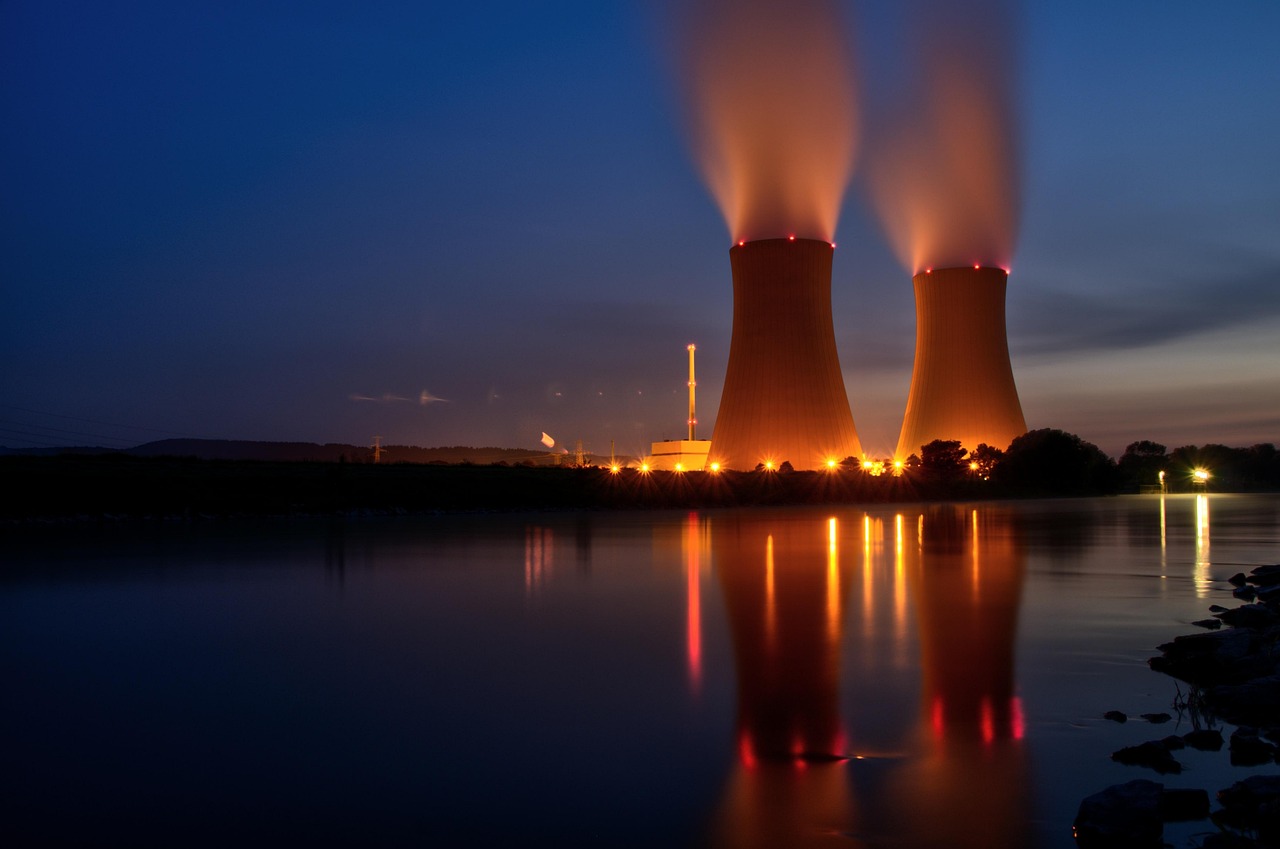
International Nuclear Law is the body of legal norms that governs the peaceful uses of nuclear energy, the control of nuclear materials, the protection of people and the environment from ionising radiation, and the prevention of nuclear weapons proliferation. It is a multidisciplinary field that draws on public international law, environmental law, health law, and commercial law. The following glossary presents the key terms and vocabulary that students of the Graduate Certificate in Nuclear Law must master. Each entry includes a definition, practical examples, typical applications, and the challenges that arise in the contemporary regulatory landscape.
Atomic Energy Act refers to the primary national legislation that establishes the legal framework for the development, regulation, and control of nuclear activities within a sovereign state. For example, the United States’ Atomic Energy Act of 1954 created the United States Atomic Energy Commission (later the Nuclear Regulatory Commission) and set out licensing procedures for reactors, fuel fabrication, and waste disposal. In practice, the Act defines the scope of “nuclear material,” the authority of the regulatory body, and the penalties for non‑compliance. A major challenge is keeping the Act up‑to‑date with emerging technologies such as small modular reactors (SMRs) and advanced fuel cycles, which may fall outside the original statutory definitions.
National Nuclear Legislation encompasses all statutes, regulations, and subordinate legislation that implement a country’s obligations under international treaties and that regulate domestic nuclear activities. In France, the Code de l’énergie and the Code de l’environnement together provide a comprehensive regime for licensing, safety, and waste management. Practically, national legislation must align with the IAEA Safety Standards, the NPT safeguards obligations, and the liability conventions. The principal difficulty lies in harmonising domestic law with the differing requirements of multiple international instruments while preserving national sovereignty.
Regulatory Body is the independent or semi‑independent agency tasked with overseeing nuclear safety, security, and licensing. The United Kingdom’s Office for Nuclear Regulation (ONR) issues licences, conducts inspections, and enforces compliance with the Nuclear Installations Act. In practice, the regulatory body reviews safety cases, verifies the adequacy of emergency plans, and may impose administrative penalties. Challenges include maintaining technical expertise, resisting political pressure, and coordinating with multiple agencies such as environmental ministries and emergency services.
Licence (or License) is the formal authorisation granted by a regulatory body permitting a specific nuclear activity to be undertaken. A licence may be required for construction of a reactor, the possession of radioactive sources, or the transport of spent fuel. For example, a nuclear power plant operator in Canada must obtain a Class I nuclear facility licence from the Canadian Nuclear Safety Commission before construction can begin. The licensing process involves a comprehensive safety analysis, public consultation, and environmental assessment. The main challenge is achieving a balance between thorough scrutiny and timely decision‑making, especially when projects are subject to tight commercial timelines.
Safeguards are technical and procedural measures designed to verify that nuclear material is not diverted from peaceful uses to weapons programmes. The International Atomic Energy Agency (IAEA) implements safeguards through State‑sponsored Safeguards Agreements and the Additional Protocol. In practice, safeguards include on‑site inspections, containment and surveillance equipment, and periodic accounting of material. A practical example is the routine verification of uranium enrichment levels at a fuel‑fabrication plant in Kazakhstan. The biggest challenge is ensuring that safeguards keep pace with the increasing complexity of nuclear fuel cycles, particularly where advanced reprocessing technologies are involved.
Additional Protocol is a voluntary legal instrument that grants the IAEA expanded inspection authority, providing greater transparency and earlier detection of undeclared nuclear activities. The Protocol requires states to provide a “comprehensive inventory” of all nuclear material and related facilities. For instance, after the 2011 Fukushima accident, Japan’s implementation of the Additional Protocol allowed the IAEA to verify the status of spent fuel storage and to assess the adequacy of emergency response measures. The challenge is that some states are reluctant to adopt the Protocol due to concerns over national security and commercial confidentiality.
Non‑Proliferation refers to the set of legal and political measures aimed at preventing the spread of nuclear weapons and the technology needed to produce them. The cornerstone of non‑proliferation law is the Nuclear Non‑Proliferation Treaty (NPT), which establishes three pillars: Non‑proliferation, disarmament, and the peaceful use of nuclear energy. The NPT obliges non‑nuclear‑weapon states to forgo the development of nuclear weapons and to accept IAEA safeguards, while nuclear‑weapon states commit to pursue disarmament. A practical challenge is the tension between the right to peaceful nuclear technology and the need to prevent dual‑use proliferation, especially in states with emerging nuclear programmes.
Comprehensive Nuclear‑Test‑Ban Treaty (CTBT) is an international treaty that bans all nuclear explosions for both civilian and military purposes. Although the CTBT has not yet entered into force because several key states have not ratified it, the treaty’s verification regime, based on a global network of seismic, hydroacoustic, and radionuclide stations, provides a powerful tool for detecting clandestine tests. In practice, the International Monitoring System (IMS) has detected low‑yield tests and contributed to confidence‑building among states. The main difficulty is achieving universal ratification and addressing the technical challenges of distinguishing nuclear tests from natural seismic events.
Treaty on the Prohibition of Nuclear Weapons (TPNW) is a legally binding instrument that prohibits the development, testing, production, acquisition, possession, and use of nuclear weapons. It also requires states to eliminate existing nuclear arsenals. While the TPNW reflects a growing norm against nuclear weapons, none of the nuclear‑armed states have joined, creating a legal dichotomy between the NPT framework and the emerging prohibition regime. The challenge lies in reconciling the TPNW’s obligations with existing security doctrines and in ensuring that states that possess nuclear weapons can transition to compliance without compromising their perceived deterrence posture.
International Atomic Energy Agency (IAEA) is the United Nations‑affiliated organization tasked with promoting the peaceful use of nuclear energy and strengthening the nuclear non‑proliferation regime. Its legal authority derives from the IAEA Statute, which defines its mandate, governance structure, and funding mechanisms. In practice, the IAEA issues safety standards, conducts verification activities, and provides technical assistance to member states. A persistent challenge is maintaining independence while relying on voluntary contributions from member states, especially when political pressures arise in contentious cases such as Iran’s nuclear programme.
IAEA Statute is the foundational treaty that establishes the IAEA as an international organization. It outlines the agency’s objectives, functions, and the rights and obligations of member states. The Statute also provides for the appointment of the Director General and the composition of the Board of Governors. In practical terms, the Statute is the legal basis for the agency’s ability to negotiate safeguards agreements and to implement safety standards. The challenge is that the Statute does not directly address emerging issues such as cyber‑security threats to nuclear facilities, requiring the agency to develop supplementary guidance.
Safety Standards are the technical documents issued by the IAEA that set out the safety objectives, criteria, and requirements for nuclear installations, radiation protection, and waste management. They are divided into Safety Fundamentals, Safety Requirements, and Safety Guides. For example, the Safety Requirements for Nuclear Power Plants (SR-NSR-1) provides detailed guidance on design, operation, and decommissioning. In practice, national regulators adopt these standards into their licensing frameworks, often with modifications to reflect local conditions. The challenge is ensuring that standards remain proportionate, technologically up‑to‑date, and enforceable across diverse regulatory environments.
Radiation Protection is the science and practice of protecting people and the environment from the harmful effects of ionising radiation. The legal basis for radiation protection is found in the IAEA’s Basic Safety Standards (BSS), which set dose limits for occupational workers, members of the public, and patients. A practical example is the implementation of dose‑monitoring programmes for medical staff in hospitals that use X‑ray equipment. Challenges include harmonising dose limits with evolving scientific evidence, managing cumulative exposures from multiple sources, and addressing public concerns about low‑level radiation from medical imaging.
Radiological Emergency refers to any incident that results in a release of radioactive material that could cause significant health or environmental impacts. International law addresses radiological emergencies through the Convention on Early Notification of a Nuclear Accident and the Convention on Assistance in the Case of a Nuclear Accident or Radiological Emergency. In practice, these conventions obligate states to promptly notify the IAEA and to provide assistance upon request. The Fukushima Daiichi accident demonstrated the importance of timely communication, as the IAEA’s Emergency Response Framework facilitated the coordination of international aid. The challenge is ensuring that states have the technical capacity and resources to fulfill their assistance obligations, especially in the face of large‑scale incidents.
Convention on Early Notification of a Nuclear Accident obliges states to promptly inform the IAEA and other potentially affected states of any nuclear accident that could have transboundary radiological consequences. The notification must include detailed information on the nature of the accident, the release of radioactivity, and protective measures taken. In practice, the convention has been invoked during the Chernobyl, Fukushima, and several smaller incidents, allowing neighboring countries to implement protective actions such as food bans and evacuation orders. A persistent challenge is the need for rapid, accurate data collection and transmission, which can be hindered by communication failures or political reluctance.
Convention on Assistance in the Case of a Nuclear Accident or Radiological Emergency provides a framework for international cooperation in the provision of assistance, including expertise, equipment, and financial resources. Member states are required to develop national emergency preparedness plans and to designate competent authorities for coordination. An example of the convention’s operation was the international response to the 2011 Fukushima disaster, where multiple countries dispatched specialised teams and equipment. The challenge lies in ensuring that assistance is timely, appropriately scaled, and coordinated with the affected state’s own response efforts.
International Nuclear Event Scale (INES) is a tool developed by the IAEA to communicate the safety significance of nuclear and radiological events to the public and the media. The scale ranges from Level 0 (deviation, no safety significance) to Level 7 (major accident). For instance, the Three Mile Island incident was classified as Level 5, while Chernobyl and Fukushima were both classified as Level 7. In practice, the INES rating is determined by the competent authority based on a set of criteria. The difficulty is that the scale does not capture all dimensions of an event, such as long‑term environmental impacts or socio‑economic consequences, leading to calls for a more nuanced rating system.
Spent Fuel is the used nuclear fuel that has been removed from a reactor after it has generated electricity. Spent fuel remains highly radioactive and thermally hot, requiring cooling, shielding, and long‑term management. The legal regime for spent fuel includes the Joint Convention on the Safety of Spent Fuel Management and on the Safety of Radioactive Waste Management, which obliges parties to ensure safe handling, transport, and disposal. In practice, countries adopt strategies such as interim storage, deep geological disposal, or re‑processing. A major challenge is the political and societal acceptance of long‑term disposal sites, as illustrated by the protracted siting processes in Finland and the United States.
Radioactive Waste denotes any material that contains radionuclides at levels that require control and disposal to protect health and the environment. Waste is categorised into low‑, intermediate‑, and high‑level waste, each with specific handling and disposal requirements. The IAEA’s Safety Standards provide guidance on waste classification, segregation, and packaging. Practical applications include the use of engineered barriers in geological repositories for high‑level waste, such as the proposed repository at Olkiluoto in Finland. The challenge is achieving inter‑generational equity, ensuring that waste management solutions are safe for the timescales required for radioactivity to decay.
Decommissioning is the process of safely retiring a nuclear facility from service, which includes dismantling structures, managing waste, and restoring the site. Legal requirements for decommissioning are typically set out in national legislation and in international guidelines, such as the IAEA’s Safety Guide on Decommissioning of Nuclear Facilities. In practice, decommissioning a reactor involves detailed planning, stakeholder engagement, and financial assurance mechanisms. The decommissioning of the United Kingdom’s Sellafield site illustrates the complexity of managing legacy waste, ensuring worker safety, and meeting regulatory milestones. The primary challenge is securing sufficient financial guarantees to cover the full cost of decommissioning, especially for older plants that may have been built under different regulatory regimes.
Physical Protection refers to measures designed to prevent theft, sabotage, or other malicious acts against nuclear material, facilities, and transport. The legal foundation for physical protection is found in the Convention on the Physical Protection of Nuclear Material (CPPNM) and its 2005 amendment, which expand the scope to include nuclear facilities and other radioactive sources. In practice, physical protection systems include perimeter security, intrusion detection, armed guards, and cyber‑security measures for control systems. A notable example is the implementation of the International Physical Protection Advisory Service (IPPAS) assessments for new reactors. Challenges include integrating cyber‑security with traditional physical security, addressing insider threats, and maintaining proportionality with the risk profile of the facility.
Security in the nuclear context encompasses both physical protection and the safeguarding of information, technology, and expertise that could be used to develop nuclear weapons. The United Nations Security Council Resolution 1540 obligates all states to prevent the proliferation of weapons‑of‑mass‑destruction, including nuclear weapons, by establishing appropriate controls over related materials and technology. Practical applications include national export control regimes, such as the United States’ Export Administration Regulations (EAR), which list nuclear‑related items subject to licensing. The challenge is balancing commercial interests in the nuclear industry with the need to prevent illicit transfers, especially in the context of dual‑use technologies like high‑performance computing for reactor design.
Export Control is the set of legal measures that regulate the transfer of nuclear-related items, technology, and services across borders. Export control regimes are often based on the Zangger Committee and the Nuclear Suppliers Group (NSG) guidelines, which define lists of controlled items and the conditions for licensing. In practice, a company seeking to export a uranium enrichment centrifuge must obtain a licence from the national export authority, demonstrate that the recipient will use the equipment for peaceful purposes, and comply with end‑use verification. The main difficulty is ensuring consistent implementation across jurisdictions and preventing illicit procurement networks.
Dual‑Use technology is equipment, software, or knowledge that can be used for both civilian and military purposes, including nuclear weapons development. The legal treatment of dual‑use items is addressed in the Australia Group and the Wassenaar Arrangement. For example, laser‑based isotopic separation technology can be used for fuel enrichment as well as for weapons‑grade material production. In practice, dual‑use considerations require rigorous end‑use monitoring and verification. The challenge is that rapid scientific advances can outpace the development of control lists, creating regulatory gaps.
Liability in nuclear law refers to the legal responsibility for damage caused by a nuclear incident. The principal international instrument governing nuclear liability is the Paris Convention on Third Party Liability in the Field of Nuclear Energy, which establishes a liability regime for nuclear operators, limits the amount of compensation, and designates a compulsory insurance requirement. In the United States, the Price‑Anderson Nuclear Industries Indemnity Act provides a similar framework, with a statutory limit on operator liability and a government‑backed insurance pool. Practical challenges include ensuring that compensation funds are sufficient to cover large‑scale accidents, achieving uniformity across jurisdictions, and dealing with cross‑border claims when an accident affects multiple states.
Compulsory Insurance is the requirement that nuclear operators maintain a minimum amount of insurance coverage to compensate victims in the event of a nuclear accident. Under the Paris Convention, each operator must secure insurance up to a specified limit, and the host state must provide additional coverage if the operator’s insurance is exhausted. In practice, the United Kingdom’s Nuclear Installations Act 1965 mandates that operators maintain a nuclear damage insurance policy, which is overseen by the Nuclear Insurance Association. The main difficulty is reconciling the need for adequate compensation with the high premiums associated with nuclear risk, which can affect the economic viability of new projects.
State Responsibility is a principle of international law that holds a sovereign state accountable for internationally wrongful acts, including violations of nuclear safety or non‑proliferation obligations. When a state fails to comply with its safeguards obligations, the IAEA can refer the matter to the United Nations Security Council, as occurred in the case of Iraq’s clandestine nuclear programme in the 1990s. In practice, state responsibility may result in diplomatic measures, sanctions, or reparations. The challenge is that attribution of responsibility can be complex when multiple actors, such as private companies or foreign contractors, are involved.
Jurisdiction in nuclear law defines the legal authority of a state to regulate nuclear activities within its territory, on its vessels, and over its nationals abroad. The principle of territorial jurisdiction is complemented by the doctrine of extraterritorial jurisdiction, which allows states to regulate the export of nuclear technology and the conduct of its nationals in foreign jurisdictions. For example, the United States asserts jurisdiction over the export of high‑enriched uranium under the Atomic Energy Act. A persistent challenge is reconciling overlapping jurisdictional claims, especially in cases involving multinational corporations and transboundary environmental impacts.
Environmental Impact Assessment (EIA) is a systematic process required by most national nuclear legislations to evaluate the potential environmental effects of a proposed nuclear project. The IAEA’s Environmental Impact Assessment for Nuclear Installations provides guidance on the scope, methodology, and public participation aspects of the assessment. In practice, an EIA for a new reactor may examine impacts on water resources, biodiversity, and cumulative radiation doses. The challenges include ensuring that the assessment is scientifically rigorous, that it adequately addresses long‑term waste management, and that it incorporates stakeholder concerns without unduly delaying project approval.
Public Participation is a legal and procedural requirement that allows members of the public to be involved in decision‑making processes concerning nuclear projects. International guidance, such as the IAEA’s Safety Fundamentals, emphasises the importance of transparency and stakeholder engagement. In practice, public hearings, comment periods, and community advisory panels are common mechanisms. For instance, the licensing process for the Hinkley Point C nuclear power station in the United Kingdom included a series of public consultations and submissions. The main difficulty is balancing the need for technical confidentiality with the public’s right to information, especially when dealing with sensitive security‑related data.
Transparency is a principle that requires states and nuclear operators to provide clear, accurate, and timely information about nuclear activities, safety performance, and regulatory decisions. Transparency is essential for building public confidence and for facilitating international cooperation. The IAEA promotes transparency through the publication of safety reports, inspection findings, and incident notifications. A practical example is the annual reporting of safety performance indicators by the US Nuclear Regulatory Commission. The challenge is maintaining transparency while protecting proprietary information and national security interests.
Precautionary Principle is a legal doctrine that encourages the adoption of protective measures when scientific uncertainty exists regarding potential harm. In nuclear law, the precautionary principle may be invoked to justify stricter safety standards or to delay the deployment of new technologies until sufficient data are available. For example, some jurisdictions have applied the principle to the licensing of SMRs, requiring additional safety demonstrations before granting approval. The difficulty lies in defining the threshold for precautionary action without stifling innovation or creating regulatory paralysis.
Due Diligence is the standard of care that a state or nuclear operator must exercise to prevent nuclear accidents, illicit transfers, or environmental harm. International instruments such as the NPT and the Nuclear Security Summits encourage states to adopt robust due‑diligence measures, including risk assessments, security audits, and staff training. In practice, due diligence may involve regular inspections of material accounting systems and the implementation of cyber‑security protocols for control systems. The challenge is ensuring that due‑diligence standards are consistently applied across all facilities, especially in countries with limited regulatory capacity.
Cyber‑Security in the nuclear sector addresses the protection of digital control systems, data, and communications from malicious cyber‑attacks. The IAEA’s Cyber‑Security Guidance for Nuclear Facilities outlines best practices for risk assessment, network segmentation, and incident response. A practical illustration is the 2010 Stuxnet attack on Iran’s Natanz enrichment plant, which highlighted the vulnerability of supervisory control and data acquisition (SCADA) systems. The principal challenge is that cyber‑threats evolve rapidly, requiring continuous updates to security measures and close cooperation between nuclear regulators and information‑technology experts.
International Criminal Law applies to individuals who commit crimes such as the illicit acquisition of nuclear weapons or the sabotage of nuclear facilities. The Rome Statute of the International Criminal Court (ICC) includes provisions for war crimes and crimes against humanity that could encompass the use of nuclear weapons. In practice, the ICC’s jurisdiction is limited to states parties, and the prosecution of nuclear‑related crimes is rare. The challenge is establishing jurisdiction, gathering evidence, and achieving political consensus for prosecution, especially when the alleged perpetrators are high‑ranking officials.
International Court of Justice (ICJ) is the principal judicial organ of the United Nations that adjudicates disputes between states, including those related to nuclear matters. The ICJ has issued advisory opinions on nuclear questions, such as the 1996 opinion regarding the legality of the threat or use of nuclear weapons. In practice, states may bring cases concerning alleged violations of the NPT or environmental damage caused by nuclear testing. The difficulty lies in the limited enforceability of ICJ judgments and the reliance on state consent for jurisdiction.
Dispute Settlement mechanisms are provided by many nuclear treaties to resolve disagreements between parties. The NPT includes a procedural framework for addressing disputes, while the Paris Convention establishes a specialized tribunal for liability claims. In practice, dispute settlement may involve negotiation, mediation, arbitration, or adjudication before an international court. An example is the arbitration panel convened under the Nuclear Energy Agency’s (NEA) framework to resolve a cross‑border waste‑transport dispute. The challenge is ensuring that dispute‑resolution processes are timely, cost‑effective, and capable of addressing complex technical issues.
Joint Convention is the international treaty that consolidates safety obligations for spent fuel management and radioactive waste management. It obliges parties to develop and implement national policies, to conduct safety assessments, and to engage in peer review. In practice, the Joint Convention’s implementation requires the preparation of national reports, which are reviewed by an expert group that provides feedback and recommendations. A challenge is that not all states have ratified the convention, and some lack the technical capacity to produce comprehensive reports.
Convention on Nuclear Safety is a treaty that commits signatories to maintain high levels of nuclear safety by establishing national legislative frameworks, conducting peer reviews, and sharing best practices. The convention was adopted after the Chernobyl accident and has been ratified by more than 80 states. In practice, the convention’s provisions are operationalised through national safety policies, periodic safety reviews, and the IAEA’s peer‑review missions. The main difficulty is ensuring that the convention’s obligations are translated into concrete, enforceable actions, especially in countries with limited regulatory resources.
Code of Conduct on Nuclear Safety is a set of voluntary commitments adopted by IAEA member states to promote nuclear safety culture, transparency, and peer‑review. The Code encourages states to develop safety policies, to engage in regular safety performance assessments, and to maintain open communication with the public. In practice, the Code has been used as a benchmark for national safety programmes, such as the development of a safety culture at the Korean Nuclear Power Plant operator. The challenge is that the Code’s voluntary nature may limit its impact in jurisdictions where political or economic pressures undermine safety priorities.
International Nuclear Safety Group (INSAG) is an advisory body of the IAEA that provides expert opinions on safety issues, including risk assessment and safety management. INSAG reports, such as the INSAG‑23 on safety culture, influence national regulatory policies and industry practices. In practice, INSAG’s recommendations are incorporated into safety standards and training programmes. The difficulty is ensuring that the advisory nature of INSAG’s work translates into binding regulatory actions.
Risk Assessment is the systematic process of identifying, analysing, and evaluating potential hazards and their probabilities. In nuclear law, risk assessment underpins licensing decisions, safety case development, and emergency planning. For example, a probabilistic safety assessment (PSA) quantifies the likelihood of core damage and release of radioactivity for a reactor design. Practical challenges include the need for high‑quality data, the handling of uncertainties, and the communication of risk results to non‑technical stakeholders.
Probabilistic Safety Assessment (PSA) is a quantitative methodology used to estimate the likelihood of different accident scenarios, often expressed in terms of core damage frequency. PSA results are used by regulators to set safety goals, such as the Core Damage Frequency target of less than 10⁻⁴ per reactor‑year for new designs. In practice, PSA informs design improvements, such as the addition of passive safety systems. The challenge is that PSA models can be highly complex, requiring significant computational resources and expert judgement, which may limit their applicability to smaller operators.
Safety Case is a documented argument, supported by evidence, that a nuclear facility can be operated safely throughout its lifecycle. The safety case includes design specifications, operational procedures, and emergency response plans. In practice, the safety case is submitted to the regulatory authority as part of the licensing process. For instance, the safety case for the European Pressurised Reactor (EPR) includes detailed analyses of containment integrity and severe accident mitigation. The major difficulty is maintaining the safety case’s relevance as the plant ages, undergoes upgrades, or experiences changes in regulatory expectations.
Design Basis Accident (DBA) defines the set of accident conditions that a nuclear facility must be designed to withstand without exceeding safety limits. The DBA typically includes scenarios such as loss‑of‑coolant accidents, station blackout, and fires. In practice, the DBA informs the selection of safety systems, such as emergency core cooling. A challenge is that the definition of the DBA may evolve over time, as lessons learned from incidents like Fukushima lead to the inclusion of beyond‑design‑basis events in safety analyses.
Beyond‑Design‑Basis Accident (BDBA) refers to accident scenarios that exceed the parameters of the DBA but are still considered in safety assessments for their potential consequences. The IAEA’s post‑Fukushima safety enhancements required operators to evaluate BDBAs, such as multiple simultaneous failures or external hazards like earthquakes. In practice, BDBAs drive the implementation of additional protective measures, such as hardened safety‑related structures. The challenge is balancing the cost of additional protections with the low probability of such extreme events.
Emergency Preparedness is the set of plans, resources, and procedures established to protect the public and the environment in the event of a nuclear or radiological emergency. Internationally, the IAEA’s Emergency Preparedness and Response (EPR) framework provides guidance on the development of off‑site emergency plans, including evacuation zones, sheltering strategies, and communication protocols. In practice, national emergency planners conduct drills, maintain stockpiles of iodine tablets, and coordinate with local authorities. The primary challenge is ensuring coordination across multiple jurisdictions and maintaining the readiness of emergency personnel over long periods of inactivity.
Off‑site Emergency Planning Zone (EPZ) is the geographical area surrounding a nuclear installation where protective actions, such as evacuation or sheltering, may be required. The size of the EPZ is determined based on the potential radiological impact of a design‑basis release. For example, many countries define a 10‑km radius for emergency planning around reactors, while larger zones may be established for high‑risk facilities. The challenge is that urban development and population growth can encroach on EPZs, requiring continual reassessment of protective strategies.
On‑site Emergency Response involves the immediate actions taken by plant personnel to mitigate the consequences of an incident, such as activating safety systems, containing releases, and providing initial medical care. In practice, on‑site response teams are trained to implement emergency operating procedures, conduct source term estimation, and coordinate with off‑site authorities. The difficulty lies in ensuring that personnel remain proficient through regular training, especially as staff turnover and automation reduce hands‑on experience.
International Nuclear Security Summit is a series of high‑level meetings that bring together heads of state to discuss and commit to actions that strengthen nuclear security worldwide. The first summit in 2010 resulted in the Washington Declaration, which set targets for securing nuclear material, improving detection capabilities, and enhancing legal frameworks. In practice, participating states develop national action plans to meet the summit commitments. A persistent challenge is translating political pledges into concrete, measurable outcomes, particularly in the face of limited resources and competing security priorities.
Washington Declaration outlines specific goals for nuclear security, including the removal of highly enriched uranium (HEU) from civilian use, the strengthening of physical protection, and the improvement of detection capabilities at borders. The declaration also calls for the development of a nuclear security index to measure progress. In practice, the United States has led initiatives to convert research reactors from HEU to low‑enriched uranium (LEU), demonstrating the feasibility of the conversion goal. The challenge is achieving global consensus on conversion timelines and providing technical assistance to states with limited capacity.
Detection Capability refers to the ability of a state to identify and locate illicit nuclear material or equipment. International standards, such as the International Physical Protection Advisory Service (IPPAS) guidelines, provide benchmarks for detection equipment, training, and procedures. Practically, border agencies deploy radiation portal monitors, handheld detectors, and canine teams to screen cargo and passengers. A significant challenge is balancing detection sensitivity with the risk of false alarms, which can disrupt trade and strain resources.
Physical Protection System (PPS) is an integrated set of measures, including barriers, surveillance, access control, and response forces, designed to protect nuclear facilities from sabotage or theft. The IAEA’s INFCIRC/225/Rev.5 provides detailed requirements for PPS design and implementation. In practice, a PPS may involve a combination of perimeter fencing, video analytics, armed security personnel, and cyber‑security firewalls. The challenge is ensuring that the PPS remains effective against evolving threats, such as drone attacks or insider collusion.
Insider Threat is the risk posed by individuals with authorized access to nuclear facilities who may intentionally or inadvertently compromise security. Legal measures to mitigate insider threats include background checks, personnel reliability programs, and continuous monitoring. For example, the United Kingdom’s Personnel Reliability Programme requires regular assessments of security clearance for key staff. The difficulty lies in detecting subtle behavioural changes and balancing privacy rights with security imperatives.
Material Accountancy is the systematic recording, measurement, and verification of nuclear material to detect loss, theft, or diversion. The IAEA’s safeguards system relies on material accountancy to confirm that declared quantities match actual inventories. In practice, operators perform periodic inventories, use nondestructive assay techniques, and reconcile data with the State’s declarations. Challenges include dealing with measurement uncertainties, ensuring data integrity, and adapting accountancy methods to new fuel cycle technologies such as molten‑salt reactors.
Containment and Surveillance (C&S) are measures employed by the IAEA to monitor nuclear facilities and detect undeclared activities. C&S equipment includes seals, cameras, and tamper‑indicating devices. In practice, the IAEA installs seals on equipment and monitors them during inspections to confirm that no unauthorized alterations have been made. The challenge is maintaining the effectiveness of C&S in the face of advanced tampering techniques and ensuring that the equipment does not interfere with normal plant operations.
Verification is the process by which the IAEA confirms that a state’s nuclear declarations are accurate and that safeguards are being correctly applied. Verification activities include inspections, audits of records, and the analysis of environmental samples. In practice, verification provides assurance that a state is complying with its NPT obligations. The main challenge is achieving verification that is both thorough and minimally intrusive, especially when dealing with sensitive proprietary information.
Environmental Sample Analysis involves the collection and laboratory examination of air, water, soil, and vegetation samples to detect trace amounts of nuclear material or signatures of illicit activity. The IAEA’s Environmental Sampling Programme has been used to monitor compliance in states such as Iran and North Korea. Practically, sampling can reveal undeclared enrichment activities or clandestine testing. The difficulty lies in interpreting low‑level signals, distinguishing between natural background and anthropogenic sources, and managing the political implications of findings.
Radionuclide is an atom with an unstable nucleus that emits ionising radiation as it decays. Common radionuclides relevant to nuclear law include uranium‑235, plutonium‑239, cesium‑137, and iodine‑131. In legal contexts, radionuclides are classified according to their hazard potential, influencing transport regulations, waste classification, and licensing requirements. For example, the transport of high‑activity radionuclides requires the use of Type B(U) packages, as defined by the IAEA’s Regulations for the Safe Transport of Radioactive Material. The challenge is ensuring that classification criteria keep pace with the discovery of new isotopes and medical applications.
Transport Regulations govern the safe movement of radioactive material across national and international borders. The IAEA’s Safety Standards Series (SSS) No. 6 provides the regulatory framework for packaging, labeling, and documentation. In practice, carriers must comply with the International Maritime Dangerous Goods (IMDG) Code for sea transport and the International Civil Aviation Organization (ICAO) Technical Instructions for air transport. A major challenge is harmonising national transport rules with the international standards, especially when domestic regulations impose additional requirements that may hinder cross‑border shipments.
Key takeaways
- Each entry includes a definition, practical examples, typical applications, and the challenges that arise in the contemporary regulatory landscape.
- Atomic Energy Act refers to the primary national legislation that establishes the legal framework for the development, regulation, and control of nuclear activities within a sovereign state.
- National Nuclear Legislation encompasses all statutes, regulations, and subordinate legislation that implement a country’s obligations under international treaties and that regulate domestic nuclear activities.
- Challenges include maintaining technical expertise, resisting political pressure, and coordinating with multiple agencies such as environmental ministries and emergency services.
- For example, a nuclear power plant operator in Canada must obtain a Class I nuclear facility licence from the Canadian Nuclear Safety Commission before construction can begin.
- The biggest challenge is ensuring that safeguards keep pace with the increasing complexity of nuclear fuel cycles, particularly where advanced reprocessing technologies are involved.
- For instance, after the 2011 Fukushima accident, Japan’s implementation of the Additional Protocol allowed the IAEA to verify the status of spent fuel storage and to assess the adequacy of emergency response measures.