
Colour Application in Fashion Design
Colour Application in Fashion Design
Colour Application in Fashion Design
Colour is a fundamental element in the world of fashion design. It plays a crucial role in conveying emotions, setting moods, and creating visual interest in garments. Understanding how to effectively apply colour in fashion design is essential for creating impactful and visually appealing collections. In this course, we will explore key terms and vocabulary related to colour application in fashion design.
Colour Theory
Colour theory is the study of how colours interact with each other and how they can be combined to create harmonious or contrasting effects. Understanding colour theory is essential for creating cohesive and visually pleasing colour palettes in fashion design.
Primary Colours
Primary colours are the three basic colours that cannot be created by mixing other colours together. These colours are red, blue, and yellow. All other colours are created by mixing these primary colours together.
Secondary Colours
Secondary colours are created by mixing two primary colours together. The secondary colours are orange (red + yellow), green (blue + yellow), and purple (red + blue).
Tertiary Colours
Tertiary colours are created by mixing a primary colour with a secondary colour. Tertiary colours are red-orange, yellow-orange, yellow-green, blue-green, blue-purple, and red-purple.
Colour Wheel
The colour wheel is a visual representation of how colours relate to each other. It is divided into twelve segments, with primary, secondary, and tertiary colours arranged in a circular pattern. The colour wheel helps designers choose complementary, analogous, or monochromatic colour schemes for their designs.
Complementary Colours
Complementary colours are opposite each other on the colour wheel. When placed next to each other, complementary colours create a strong contrast and make each other appear more vibrant. Examples of complementary colour pairs include red and green, blue and orange, and yellow and purple.
Analogous Colours
Analogous colours are next to each other on the colour wheel. These colours create a harmonious and cohesive look when used together. Analogous colour schemes are often found in nature and can create a sense of unity in a design. Examples of analogous colour schemes include red, orange, and yellow or blue, green, and yellow.
Monochromatic Colours
Monochromatic colours are variations of a single colour. These colours create a sophisticated and elegant look when used together. Monochromatic colour schemes are easy to create and can be visually striking. Examples of monochromatic colour schemes include different shades of blue or various tones of pink.
Warm Colours
Warm colours are vibrant and energetic colours that evoke feelings of warmth and excitement. These colours include reds, oranges, and yellows. Warm colours are often used to create bold statements in fashion design.
Cool Colours
Cool colours are calming and soothing colours that evoke feelings of peace and tranquillity. These colours include blues, greens, and purples. Cool colours are often used to create a sense of serenity in fashion design.
Neutral Colours
Neutral colours are versatile colours that can be paired with almost any other colour. These colours include whites, blacks, greys, and browns. Neutral colours are often used as a base for creating colour palettes in fashion design.
Colour Psychology
Colour psychology is the study of how colours can affect human emotions and behavior. Different colours can evoke different feelings and responses in people. Understanding colour psychology is important for creating designs that resonate with consumers.
Colour Trends
Colour trends are popular colours that are widely used in fashion design during a specific period. Colour trends are influenced by factors such as culture, technology, and current events. Designers often look to colour trends to stay relevant and appeal to consumers.
Colour Blocking
Colour blocking is a technique where large blocks of solid colours are used in a design. This technique creates a bold and graphic look that can be eye-catching. Colour blocking is often used to create modern and contemporary designs.
Print and Pattern
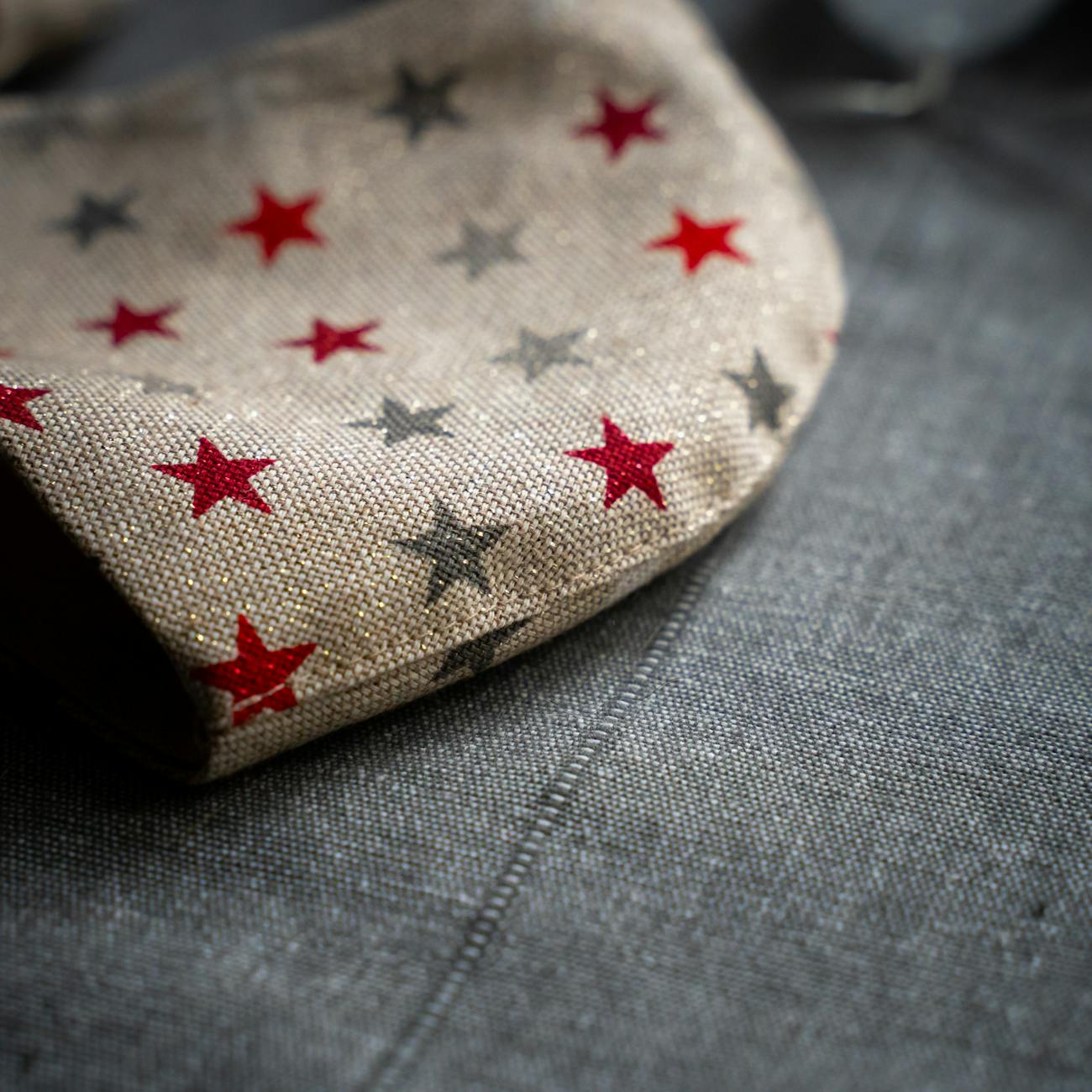
Print and pattern are elements that can be used to add visual interest to a design. Prints and patterns can be created using different colours to create unique and creative designs. Understanding how to combine colours in prints and patterns is essential for creating successful designs.
Colour Harmony
Colour harmony refers to the pleasing arrangement of colours in a design. Harmonious colour schemes create a sense of balance and unity in a design. Achieving colour harmony involves understanding how colours interact with each other and using them in a thoughtful and intentional way.
Colour Contrast
Colour contrast is the difference between two or more colours in a design. Contrasting colours create visual interest and can draw attention to specific areas of a garment. Understanding how to use colour contrast effectively is important for creating dynamic and impactful designs.
Colour Blocking Examples
An example of colour blocking in fashion design is a dress that combines a bright red top with a bold blue skirt. The contrast between the two colours creates a striking look that is visually appealing. Colour blocking can be used to create modern and edgy designs that stand out.
Print and Pattern Examples
An example of using colour in prints and patterns is a floral print dress that combines different shades of pink, green, and yellow. The combination of colours in the print creates a vibrant and lively design that is perfect for spring or summer. Prints and patterns can be used to add personality and character to a garment.
Challenges in Colour Application
One of the challenges in colour application in fashion design is achieving the right balance of colours in a design. Too many colours can overwhelm a design, while too few colours can make it look dull. Designers must carefully consider the use of colour to create a cohesive and visually appealing design.
Conclusion
In conclusion, understanding how to effectively apply colour in fashion design is essential for creating impactful and visually appealing collections. By mastering key terms and vocabulary related to colour application, designers can create harmonious and innovative designs that resonate with consumers. Colour theory, colour psychology, and colour trends all play a crucial role in the world of fashion design, and designers must be well-versed in these concepts to create successful designs. Whether using complementary colours for a bold statement or monochromatic colours for a sophisticated look, colour application is a powerful tool that can elevate any fashion design.
Key takeaways
- Understanding how to effectively apply colour in fashion design is essential for creating impactful and visually appealing collections.
- Colour theory is the study of how colours interact with each other and how they can be combined to create harmonious or contrasting effects.
- Primary colours are the three basic colours that cannot be created by mixing other colours together.
- The secondary colours are orange (red + yellow), green (blue + yellow), and purple (red + blue).
- Tertiary colours are red-orange, yellow-orange, yellow-green, blue-green, blue-purple, and red-purple.
- The colour wheel helps designers choose complementary, analogous, or monochromatic colour schemes for their designs.
- When placed next to each other, complementary colours create a strong contrast and make each other appear more vibrant.