
Advanced Certificate in UV Safety
… will respond to incidents involving UV sources. An ERP typically includes defined roles, communication protocols, equipment inventories, decontamination methods, and post‑incident analysis procedures. A well‑crafted ERP enables rapid containment, protects personnel, and minimizes downtime and regulatory penalties. A core component of UV ERP is the Incident Command S …

Advanced Certificate in UV Safety
… to absorb specific UV wavelengths while maintaining visible transparency. These engineering solutions are preferred because they provide continuous protection independent of worker behavior. Administrative Controls complement engineering solutions by defining how work is organized to minimize UV risk. They include the development of Standard Operating Procedures (SOP …

Certificate in Military and Defense Project Management
… impose more stringent requirements than a general federal regulation, and that failure to comply with the stricter standard can result in denial of funding, contract termination, or criminal prosecution. Defense Acquisition Regulation (often abbreviated as DFARS ) is a cornerstone of the U.S. Defense procurement system. It supplements the Federal Acquisition Regulatio …

Global Governance and Policy
… global governance include divergent national interests, uneven capacity to implement commitments, and the risk of “governance gaps” where no institution has clear authority. Policy analysis is the systematic examination of policy options, processes, and outcomes to inform decision‑makers. It draws on a range of methods—quantitative modeling, case study comparison, st …

Global Governance and Policy
… retaliation. The Vienna Convention on Diplomatic Relations codifies the scope of immunity, covering both personal and official acts. For instance, a diplomat may not be subject to criminal prosecution for actions taken in the course of official duties, but they can be expelled if they engage in activities deemed harmful to the host state. The balance between immunit …

Fraud Detection and Prevention
… assign numerical scores to factors such as transaction volume, exposure to third‑party vendors, and historical fraud incidence. Qualitative methods rely on expert judgment and scenario analysis. The output is a risk heat map that guides the prioritization of investigative resources. A key challenge is the dynamic nature of risk; new product lines or market expansions can …

Fraud Detection and Prevention
… seeks to stop it before it materializes. Anomaly detection is a core concept in fraud detection. It involves identifying patterns that deviate significantly from a baseline of normal behavior. For example, a credit card holder who typically spends in their home city may trigger an anomaly when a purchase is made overseas within minutes of a local transaction. Anomaly d …

Customer Due Diligence
… transaction presents a higher risk of money laundering, terrorist financing, or other illicit activity. EDD goes beyond the standard Customer Due Diligence (CDD) measures by requiring deeper analysis of the client’s identity, business activities, and the underlying purpose of the transaction. For example, if a financial institution receives a request to open an account for a c …

Fraud Risk Assessment and Management
… Controls focus on identifying fraud after it has occurred. They include reconciliations, exception reporting, continuous monitoring, and data analytics. For example, an automated variance analysis that flags any payroll expense that exceeds a historical average by more than 20 % can quickly bring attention to potential ghost‑employee schemes. Detective controls are most eff …

Fraud Risk Assessment and Management
Fraud Impact Analysis is a systematic process used to quantify the potential consequences of fraudulent activity on an organization. It involves identifying the various types of loss that could arise, …

Compliance and Anti Money Laundering
… example, and common challenges that may arise in day‑to‑day operations. Anti‑Money Laundering (AML) refers to the set of laws, regulations, and internal procedures designed to prevent criminals from disguising illicit funds as legitimate income. AML programs typically include customer due diligence (CDD), transaction monitoring, reporting of suspicious activity, and ong …

Compliance and Anti Money Laundering
… luxury vehicles, and then sells those assets to generate “clean” proceeds. The three‑stage model—placement, layering, and integration—remains a useful framework for understanding how criminals attempt to conceal illicit origins. Placement refers to the initial introduction of illegal cash into the financial system. Common techniques include structuring deposits just be …

Compliance and Anti Money Laundering
… regulations, or supervisory expectations. In the context of anti‑money‑laundering (AML) programs, regulatory risk is heightened because violations can trigger fines, sanctions, or criminal prosecution. Effective regulatory risk management therefore begins with a clear understanding of the legal environment, including domestic statutes, international standards, and s …

Compliance and Anti Money Laundering
… funds so they appear to be derived from legitimate sources. The three‑stage model— placement , layering , and integration —remains the foundational framework for understanding how criminals attempt to insert dirty money into the financial system, obscure its trail, and eventually use it without detection. For example, a drug trafficker may deposit cash from street s …

Compliance and Anti Money Laundering
Anti‑Money Laundering (AML) is the set of laws, regulations and procedures designed to prevent criminals from disguising the proceeds of illegal activity as legitimate earnings. The primary purpose of AML is to detect, deter and report suspicious financial transactions that could be …

International Anti Money Laundering Standards
… For instance, a bank may flag a new client who is a PEP from a country that appears on the Financial Action Task Force (FATF) high‑risk list, thereby triggering deeper scrutiny. Risk analysis follows identification and seeks to understand the likelihood and potential impact of each identified risk. This stage often uses a matrix that plots likelihood on one axis and im …

International Anti Money Laundering Standards
Suspicious Activity Report (SAR) is the cornerstone document used by financial institutions and other reporting entities to convey information about transactions or behavior that may indicate money laundering, terrorist financing, or other illicit activity. A SAR must contain a clear description of the facts, the parties involved, and the reason why t …

International Anti Money Laundering Standards
… apply SDD to a customer who should have been subject to full CDD, thereby creating a compliance gap. Ongoing Monitoring refers to the continuous review of a customer’s transactions and behavior throughout the life of the relationship to detect deviations from the expected profile. It is a dynamic component of AML that complements the static snapshot obtained at onboardin …

Certified Professional in Lead Paint Removal in Construction
… During the survey, a qualified professional determines the presence, location, and condition of lead‑based paint. The survey may involve paint chip sampling, X‑ray fluorescence (XRF) analysis, or laboratory testing. The results are documented in a written report that includes photographs, paint condition ratings, and recommendations for remediation or control. For exam …
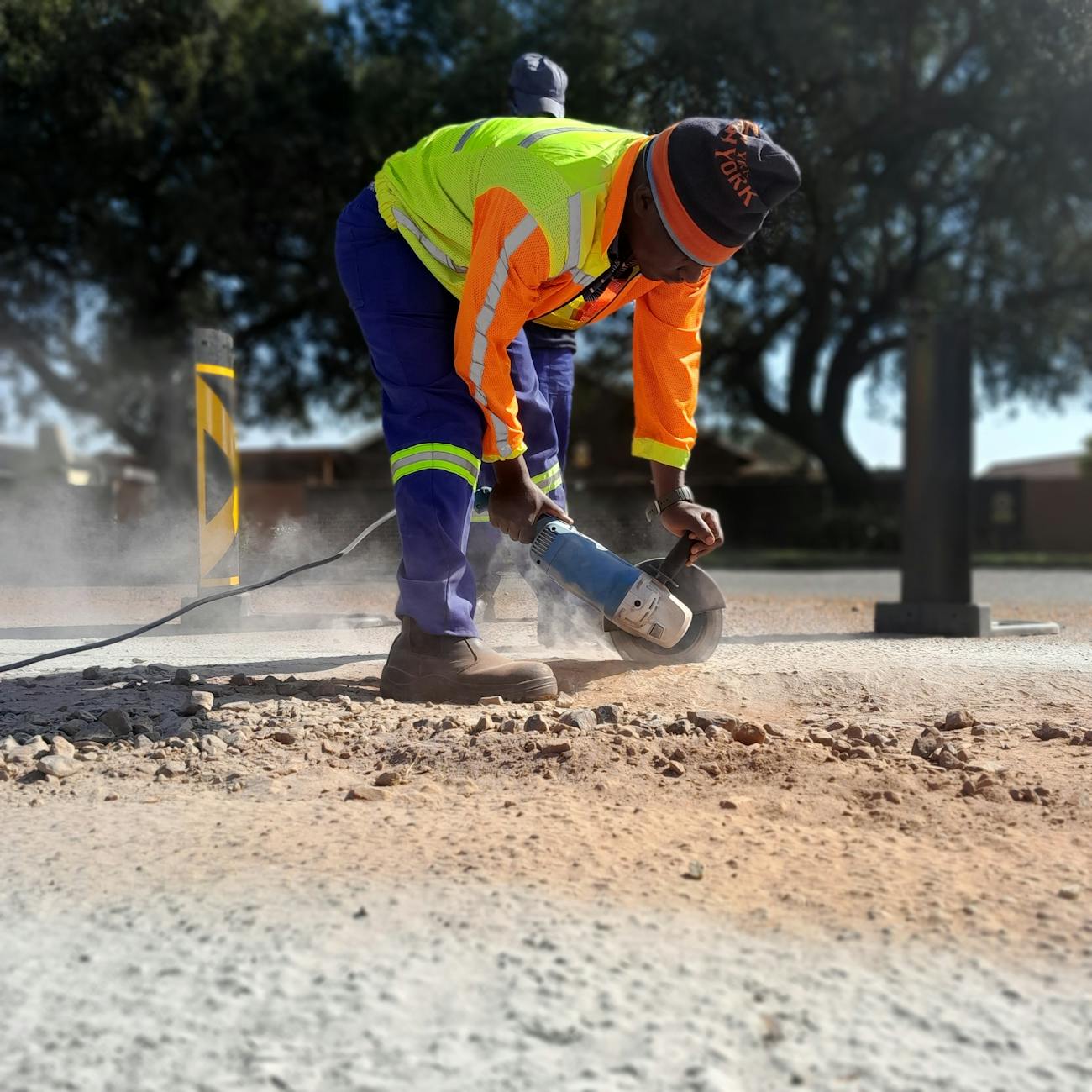
Certified Professional in Lead Paint Removal in Construction
… result from deteriorated or disturbed paint. When paint chips, dust, or fumes are generated, they can be inhaled or ingested, especially by children who are prone to hand‑to‑mouth behavior. A lead hazard is therefore a condition, not a substance; it exists when the environment contains lead at levels that pose a risk to health. Hazard identification is the systemati …
