
Commodities Market Analysis
Welcome to this episode of the London School of International Business podcast, where we're exploring the fascinating world of commodities hedging strategies. I'm your host, and I'm excited to dive into one of the most critical units of our…
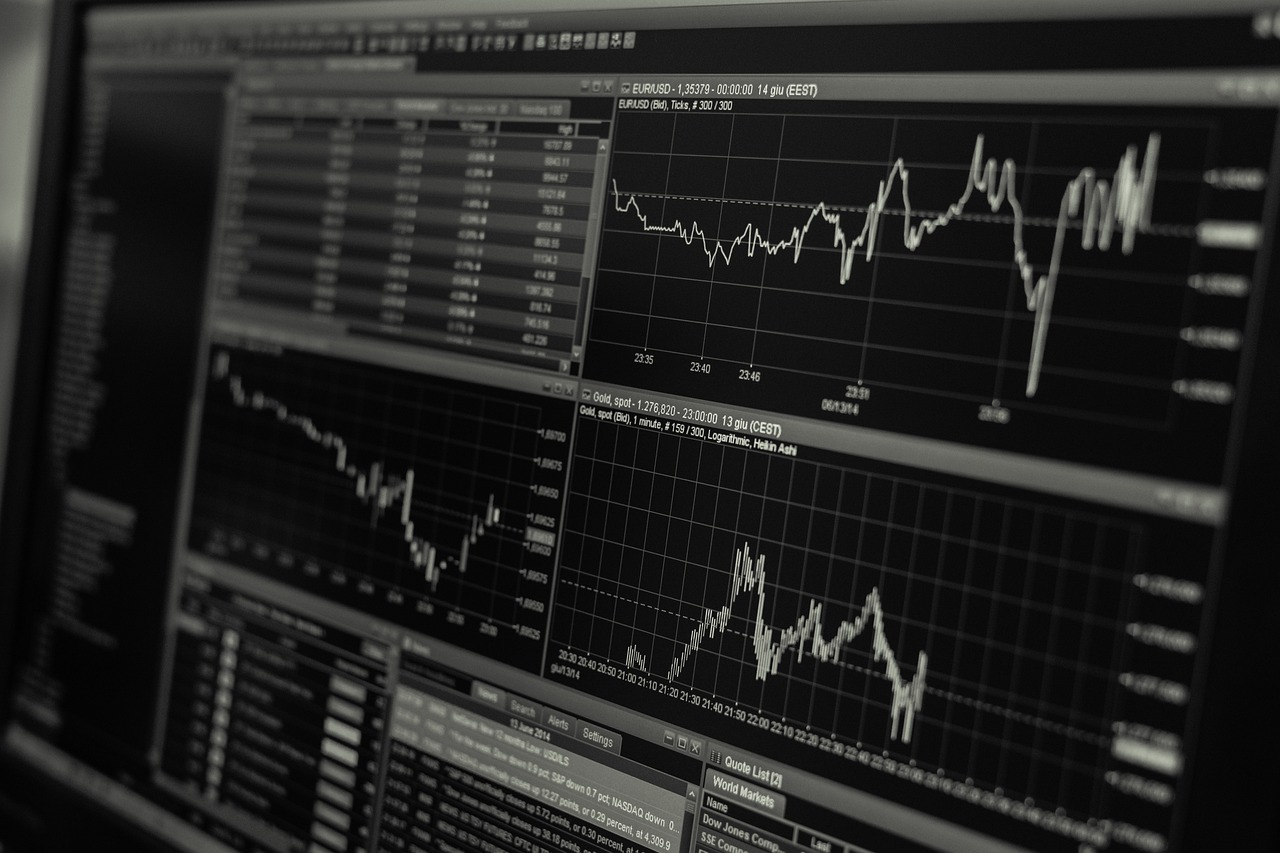
Photo from Pexels
Welcome to this episode of the London School of International Business podcast, where we're exploring the fascinating world of commodities hedging strategies. I'm your host, and I'm excited to dive into one of the most critical units of our Advanced Skill Certificate in Commodities Hedging Strategies, which is offered by the London School of International Business, or LSIB for short. Today, we're going to talk about Commodities Market Analysis, a topic that has been at the heart of global trade and commerce for centuries.
To set the stage, let's take a brief look at the evolution of commodities markets. From the early days of trading spices and textiles, to the modern era of oil, gold, and cryptocurrencies, commodities have played a vital role in shaping the global economy. The concept of commodities market analysis has been around for just as long, with traders and investors using various techniques to predict price movements and make informed decisions. Over time, these techniques have become more sophisticated, incorporating advanced statistical models, machine learning algorithms, and real-time data analysis.
So, why is Commodities Market Analysis so important, and how can it benefit you? Whether you're a seasoned trader, a business owner, or simply an individual looking to diversify your investment portfolio, understanding commodities markets can give you a unique edge in today's fast-paced financial landscape. By analyzing market trends, identifying patterns, and making data-driven decisions, you can reduce risk, increase returns, and stay ahead of the competition.
Now, let's get into some practical applications of Commodities Market Analysis. One of the most effective strategies is to use technical analysis, which involves studying charts and graphs to identify trends and predict future price movements. For example, by using indicators such as moving averages and relative strength index, you can identify areas of support and resistance, and make informed decisions about when to buy or sell. Another strategy is to use fundamental analysis, which involves examining factors such as supply and demand, geopolitical events, and economic indicators to predict price movements.
However, it's not all smooth sailing. One of the common pitfalls to avoid is relying too heavily on emotional decision-making, rather than objective analysis. This can lead to impulsive decisions, which can result in significant losses. Another pitfall is failing to diversify your portfolio, which can leave you exposed to market volatility. To avoid these pitfalls, it's essential to develop a disciplined approach to commodities market analysis, using a combination of technical and fundamental analysis, and always keeping a long-term perspective in mind.
For example, by using indicators such as moving averages and relative strength index, you can identify areas of support and resistance, and make informed decisions about when to buy or sell.
To illustrate this, let me share an example. Suppose you're a business owner who relies on importing raw materials from overseas. By using commodities market analysis, you can predict price movements and hedge against potential losses. For instance, if you anticipate a rise in the price of oil, you can purchase futures contracts to lock in a fixed price, thereby reducing your exposure to market volatility. This can help you save thousands of dollars in costs, and give you a competitive edge in the market.
As we conclude this episode, I want to leave you with a message of inspiration and encouragement. Commodities Market Analysis is a powerful tool that can help you achieve your financial goals, whether personal or professional. By applying the strategies and techniques we've discussed, you can take control of your financial future, and make informed decisions that drive growth and success. So, I encourage you to continue your journey of growth, and to stay tuned to our podcast for more exciting episodes on commodities hedging strategies, brought to you by the London School of International Business, or LSIB.
If you've enjoyed this episode, please subscribe to our podcast, share it with your friends and colleagues, and engage with us on social media. We'd love to hear your thoughts, feedback, and suggestions for future episodes. By working together, we can create a community of like-minded individuals who are passionate about commodities hedging strategies, and committed to achieving financial excellence. Thanks for listening, and we look forward to welcoming you to our next episode, from the London School of International Business, or LSIB.
Key takeaways
- I'm your host, and I'm excited to dive into one of the most critical units of our Advanced Skill Certificate in Commodities Hedging Strategies, which is offered by the London School of International Business, or LSIB for short.
- The concept of commodities market analysis has been around for just as long, with traders and investors using various techniques to predict price movements and make informed decisions.
- Whether you're a seasoned trader, a business owner, or simply an individual looking to diversify your investment portfolio, understanding commodities markets can give you a unique edge in today's fast-paced financial landscape.
- For example, by using indicators such as moving averages and relative strength index, you can identify areas of support and resistance, and make informed decisions about when to buy or sell.
- To avoid these pitfalls, it's essential to develop a disciplined approach to commodities market analysis, using a combination of technical and fundamental analysis, and always keeping a long-term perspective in mind.
- For instance, if you anticipate a rise in the price of oil, you can purchase futures contracts to lock in a fixed price, thereby reducing your exposure to market volatility.
- So, I encourage you to continue your journey of growth, and to stay tuned to our podcast for more exciting episodes on commodities hedging strategies, brought to you by the London School of International Business, or LSIB.