
* Social Behavior in Public Spaces
Welcome to this episode of the London School of International Business podcast, where we explore the fascinating world of environmental psychology. I'm your host, and today we're going to delve into the intriguing topic of social behavior i…
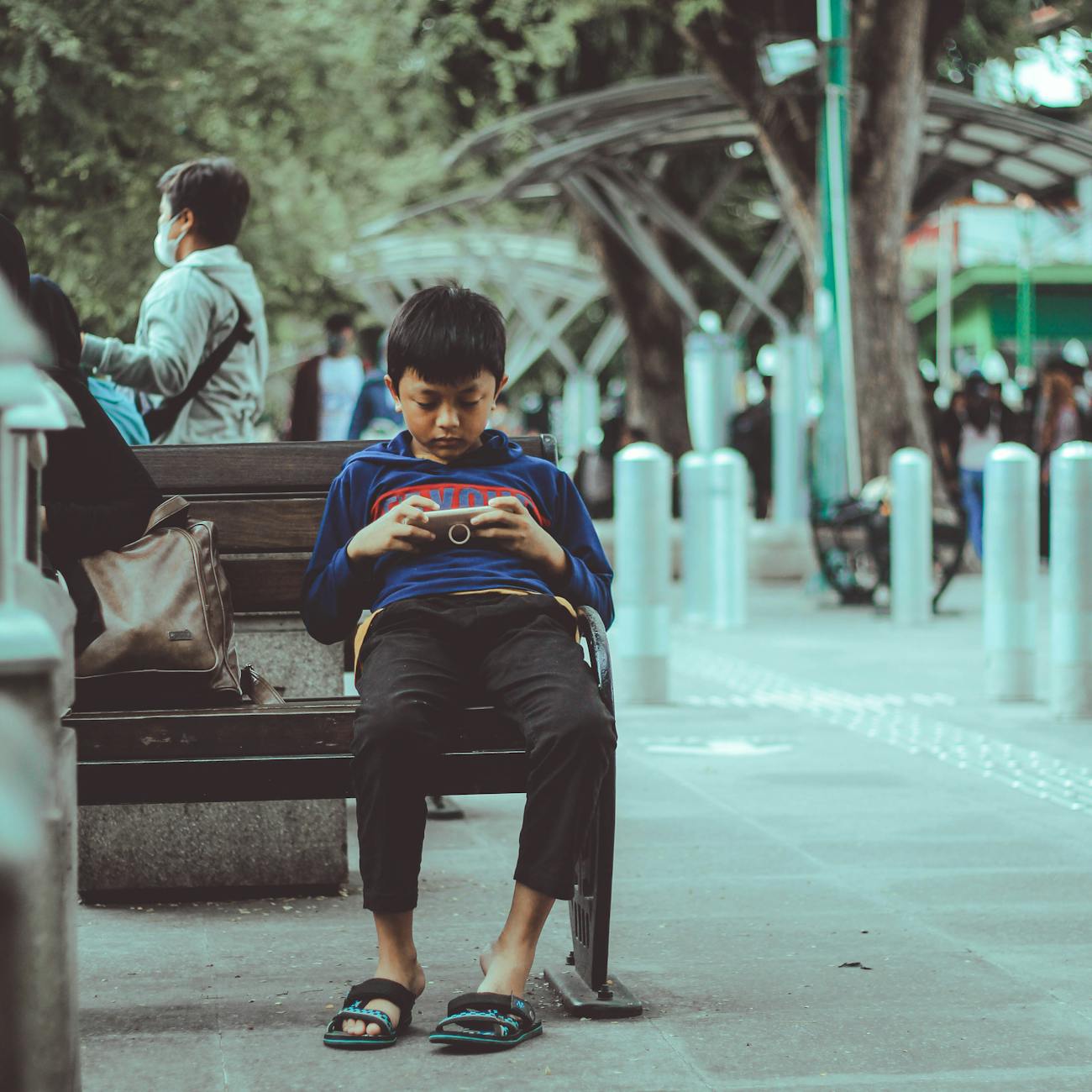
Photo from Pexels
Welcome to this episode of the London School of International Business podcast, where we explore the fascinating world of environmental psychology. I'm your host, and today we're going to delve into the intriguing topic of social behavior in public spaces. This unit is a crucial part of our Postgraduate Certificate in Environmental Psychology Techniques, and I'm excited to share its significance and relevance with you.
As we navigate our daily lives, we often find ourselves in public spaces, interacting with strangers, and influencing each other's behavior. But have you ever stopped to think about the psychological factors that drive our actions in these environments? From ancient agora to modern shopping malls, public spaces have been the heartbeat of human interaction, shaping our social norms, and cultural values. The study of social behavior in public spaces has evolved significantly over the years, with pioneers like William H. Whyte, who observed and documented the dynamics of urban spaces in the 1970s and 80s.
Fast-forward to today, and we can see how this knowledge has become essential in various fields, from urban planning and architecture to marketing and social policy. By understanding how people interact in public spaces, we can design more effective, sustainable, and enjoyable environments that promote social cohesion, and support individual well-being. So, what can we learn from the study of social behavior in public spaces, and how can we apply it in our own lives?
Let's consider a simple yet powerful example. Have you ever noticed how the layout of a public space can influence your behavior? For instance, a well-designed park with ample seating and greenery can encourage social interaction, while a poorly lit, and crowded area can lead to anxiety, and avoidance. By recognizing these dynamics, urban planners, and architects can create spaces that foster a sense of community, and promote social connection.
Now, let's talk about some actionable strategies that you can use in your own life or work. If you're an urban planner, consider designing public spaces that incorporate natural elements, like parks, or green roofs, which have been shown to reduce stress, and improve mood. If you're a business owner, think about how you can create inviting, and inclusive environments that encourage social interaction, and customer engagement. And if you're simply a concerned citizen, you can start by being more mindful of your own behavior in public spaces, and how it affects those around you.
If you're an urban planner, consider designing public spaces that incorporate natural elements, like parks, or green roofs, which have been shown to reduce stress, and improve mood.
As we explore the practical applications of social behavior in public spaces, it's also important to be aware of common pitfalls to avoid. For instance, the over-reliance on technology can lead to social isolation, and decreased face-to-face interaction. To avoid this, consider implementing tech-free zones, or designing spaces that encourage people to put down their devices, and engage with each other.
Another common pitfall is the lack of accessibility, and inclusivity in public spaces. To address this, consider incorporating features like wheelchair-accessible pathways, or sensory-friendly areas, which can help create a more welcoming environment for everyone.
As we conclude this episode, I want to leave you with an inspiring message. By applying the principles of social behavior in public spaces, we can create a more harmonious, and sustainable world, where people can thrive, and reach their full potential. So, I encourage you to take what you've learned today, and start making a positive impact in your own community.
If you're as passionate about environmental psychology as I am, I invite you to subscribe to our podcast, and join the conversation on social media using the hashtag #LSIB. Share your thoughts, ideas, and experiences with us, and let's work together to create a better world, one public space at a time. Thanks for tuning in to this episode of the London School of International Business podcast, and we look forward to exploring more fascinating topics in environmental psychology with you in the future.
Key takeaways
- This unit is a crucial part of our Postgraduate Certificate in Environmental Psychology Techniques, and I'm excited to share its significance and relevance with you.
- From ancient agora to modern shopping malls, public spaces have been the heartbeat of human interaction, shaping our social norms, and cultural values.
- By understanding how people interact in public spaces, we can design more effective, sustainable, and enjoyable environments that promote social cohesion, and support individual well-being.
- For instance, a well-designed park with ample seating and greenery can encourage social interaction, while a poorly lit, and crowded area can lead to anxiety, and avoidance.
- If you're an urban planner, consider designing public spaces that incorporate natural elements, like parks, or green roofs, which have been shown to reduce stress, and improve mood.
- To avoid this, consider implementing tech-free zones, or designing spaces that encourage people to put down their devices, and engage with each other.
- To address this, consider incorporating features like wheelchair-accessible pathways, or sensory-friendly areas, which can help create a more welcoming environment for everyone.