
Personalization and Recommendation Systems
Imagine attending a wedding where every detail, from the flowers to the music, is tailored specifically to the couple's unique tastes and preferences. This is the magic of Personalization and Recommendation Systems, the topic we're diving i…
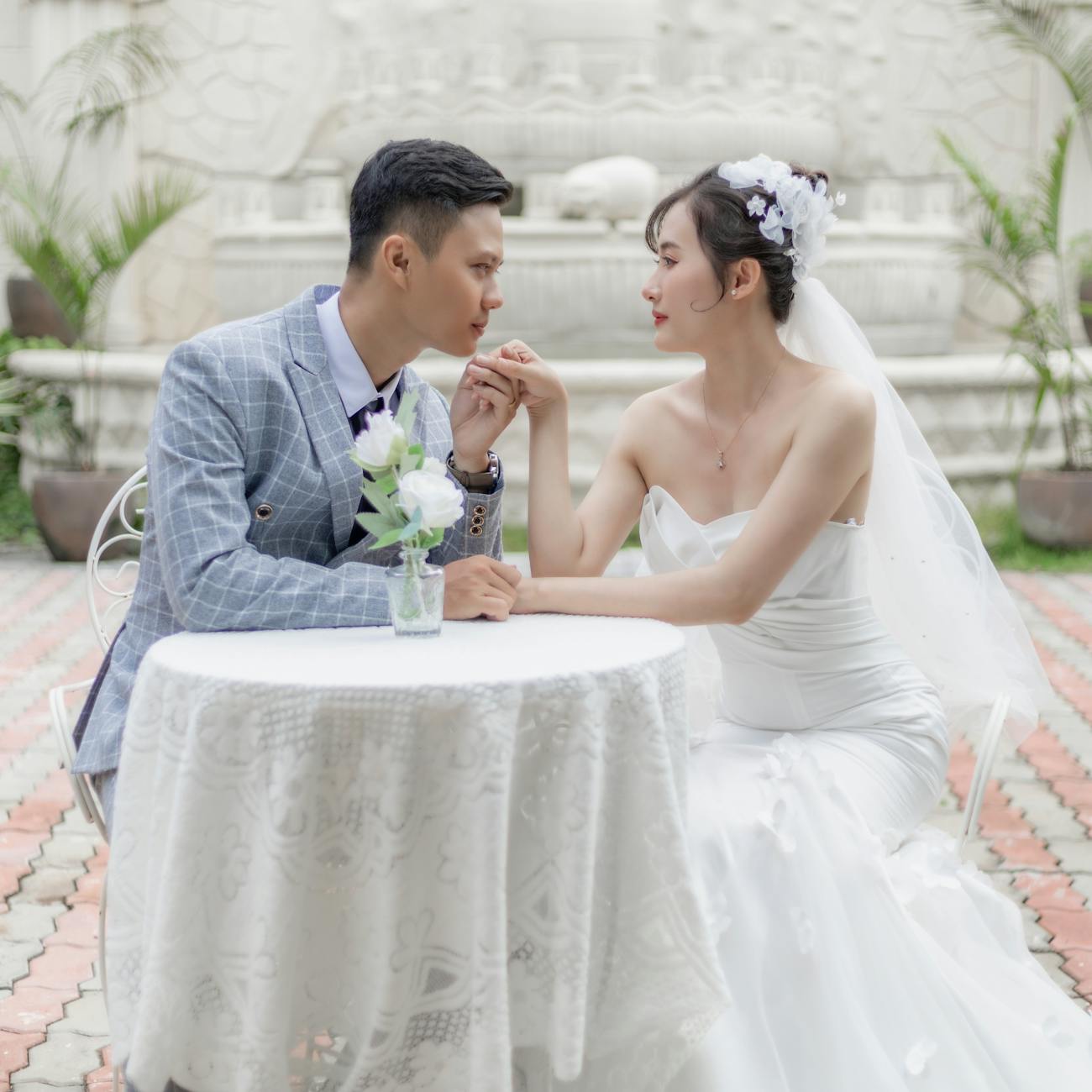
Photo from Pexels
Imagine attending a wedding where every detail, from the flowers to the music, is tailored specifically to the couple's unique tastes and preferences. This is the magic of Personalization and Recommendation Systems, the topic we're diving into today in our Professional Certificate in AI for Wedding Planners course, brought to you by London School of International Business, or LSIB. As wedding planners, being able to offer bespoke experiences is not just a luxury, but a necessity in today's competitive market. But have you ever wondered how we got to this point, where personalization is the gold standard?
Let's take a step back and look at the evolution of personalization. It all began with the early days of the internet, when online shopping first emerged. Companies like Amazon and Netflix pioneered the use of data to recommend products and services to their customers. Fast forward to today, and we see personalization everywhere, from social media feeds to music streaming services. But what does this mean for wedding planners? How can we harness the power of AI to create unforgettable, personalized experiences for our clients?
The answer lies in Personalization and Recommendation Systems. These systems use machine learning algorithms to analyze data and make predictions about what our clients might like or dislike. For instance, if a couple has shown a preference for vintage decor, the system can suggest vendors that specialize in vintage rentals. Or, if they've indicated a love for Italian cuisine, the system can recommend catering services that serve authentic Italian dishes. The possibilities are endless, and the impact on the client experience is profound.
But how can we, as wedding planners, start using Personalization and Recommendation Systems in our work? One actionable strategy is to start collecting data on our clients' preferences and behaviors. This can be as simple as sending out surveys or questionnaires, or using social media to gather insights. We can then use this data to train our own recommendation systems, or partner with vendors who already have these systems in place. For example, we could use a platform that analyzes our clients' Pinterest boards to suggest wedding themes or color palettes.
Of course, there are also common pitfalls to avoid when working with Personalization and Recommendation Systems. One of the biggest mistakes is relying too heavily on algorithms, without considering the human touch. At the end of the day, weddings are emotional, personal events, and we need to make sure that our use of technology enhances, rather than overshadows, the experience. Another pitfall is failing to consider the potential biases in our data, which can lead to recommendations that are skewed or unfair.
For instance, if a couple has shown a preference for vintage decor, the system can suggest vendors that specialize in vintage rentals.
So, what's the solution? How can we balance the power of technology with the need for human intuition and empathy? The answer lies in using Personalization and Recommendation Systems as tools, rather than relying on them solely. We need to stay involved in the process, using our own judgment and expertise to guide the recommendations. We also need to be aware of the potential biases in our data, and take steps to mitigate them. By doing so, we can create truly personalized experiences that exceed our clients' expectations.
As we conclude this episode, I want to leave you with an inspiring message. The world of wedding planning is evolving rapidly, and those who embrace the power of AI and personalization will be at the forefront of this revolution. So, don't be afraid to experiment, to try new things, and to push the boundaries of what's possible. Remember, the key to success lies in combining the art of wedding planning with the science of Personalization and Recommendation Systems.
If you're as excited as I am about the possibilities of AI in wedding planning, be sure to subscribe to our podcast, and share this episode with your friends and colleagues. Join the conversation on social media, using the hashtag #AIforWeddingPlanners, and let's continue to explore the frontiers of this exciting field together. Thanks for tuning in, and we'll see you in the next episode, brought to you by London School of International Business, or LSIB.
Key takeaways
- This is the magic of Personalization and Recommendation Systems, the topic we're diving into today in our Professional Certificate in AI for Wedding Planners course, brought to you by London School of International Business, or LSIB.
- Companies like Amazon and Netflix pioneered the use of data to recommend products and services to their customers.
- For instance, if a couple has shown a preference for vintage decor, the system can suggest vendors that specialize in vintage rentals.
- We can then use this data to train our own recommendation systems, or partner with vendors who already have these systems in place.
- At the end of the day, weddings are emotional, personal events, and we need to make sure that our use of technology enhances, rather than overshadows, the experience.
- The answer lies in using Personalization and Recommendation Systems as tools, rather than relying on them solely.
- The world of wedding planning is evolving rapidly, and those who embrace the power of AI and personalization will be at the forefront of this revolution.