
Fundamentals Of Commodity Markets
Welcome to this episode of Commodities Trading Fundamentals, a podcast brought to you by London School of International Business, or LSIB. I'm your host, and I'm excited to dive into the fascinating world of commodity markets. Today, we're …
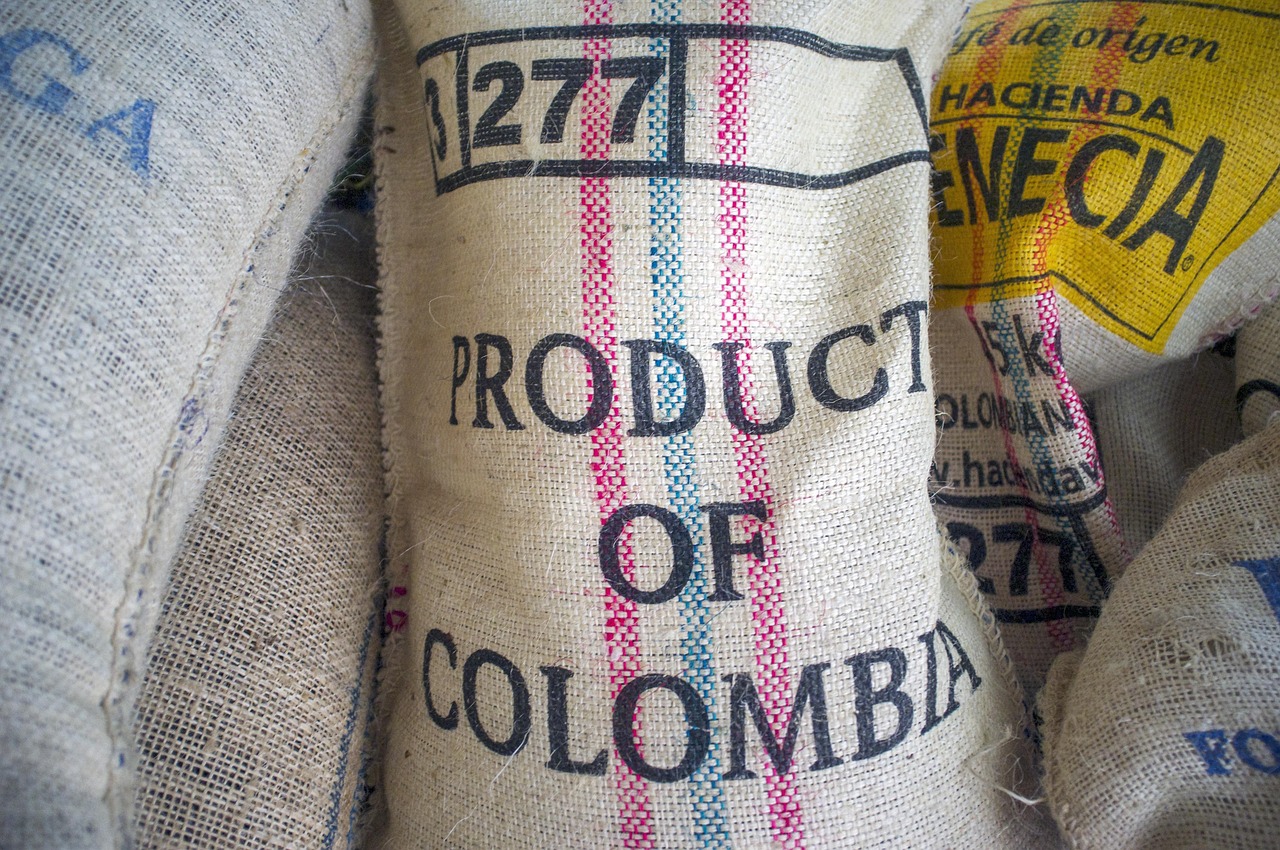
Photo from Pexels
Welcome to this episode of Commodities Trading Fundamentals, a podcast brought to you by London School of International Business, or LSIB. I'm your host, and I'm excited to dive into the fascinating world of commodity markets. Today, we're going to explore the fundamentals of commodity markets, a topic that has been shaping the global economy for centuries. From ancient civilizations trading spices and textiles to modern-day markets dealing in oil, gold, and cryptocurrencies, commodity markets have played a vital role in human progress.
As we delve into the world of commodity markets, it's essential to understand the historical context that has led us to where we are today. The concept of commodity trading dates back to ancient times, when merchants would trade goods such as grains, metals, and spices. Over time, these markets evolved, and new commodities emerged, such as oil, natural gas, and precious metals. Today, commodity markets are a vital part of the global economy, with millions of people around the world relying on them for their livelihood.
So, why is it crucial to understand the fundamentals of commodity markets? Well, for one, it can help you make informed investment decisions, whether you're a seasoned trader or just starting out. By grasping the underlying principles of commodity markets, you can better navigate the complexities of the market and avoid common pitfalls that can lead to financial losses. Moreover, understanding commodity markets can also help you stay ahead of the curve, anticipating trends and shifts in the market that can impact your business or investments.
Now, let's talk about some practical applications of the fundamentals of commodity markets. One key concept to understand is the concept of supply and demand. This may seem straightforward, but it's surprising how often people overlook the basics. For instance, when demand for a commodity is high, and supply is low, prices tend to rise. Conversely, when demand is low, and supply is high, prices tend to fall. This simple principle can help you make informed decisions about when to buy or sell a commodity.
Another important aspect of commodity markets is the role of speculation. Speculators, such as hedge funds and individual traders, play a crucial role in commodity markets, as they help to drive prices and create liquidity. However, speculation can also lead to market volatility, which can be detrimental to investors who are not prepared. To avoid getting caught up in the hype, it's essential to stay informed, do your research, and develop a solid understanding of the underlying market fundamentals.
To avoid getting caught up in the hype, it's essential to stay informed, do your research, and develop a solid understanding of the underlying market fundamentals.
As we explore the world of commodity markets, it's also important to highlight some common pitfalls to avoid. One of the most significant mistakes people make is failing to diversify their portfolio. By putting all your eggs in one basket, you're exposing yourself to significant risk. Instead, consider spreading your investments across different asset classes, including commodities, stocks, and bonds. This can help you mitigate risk and protect your wealth over the long term.
Another common mistake is failing to stay up-to-date with market trends and news. Commodity markets are constantly evolving, with new developments and events impacting prices and trends. To stay ahead of the curve, it's essential to stay informed, whether through news outlets, social media, or industry publications.
As we conclude this episode, I want to leave you with a message of inspiration and encouragement. The world of commodity markets can seem complex and intimidating, but with the right knowledge and skills, you can navigate it with confidence. Remember, the fundamentals of commodity markets are not just for investors and traders; they're for anyone who wants to understand the global economy and make informed decisions about their financial future.
If you've enjoyed this episode, I encourage you to subscribe to our podcast, share it with your friends and family, and engage with us on social media. At London School of International Business, or LSIB, we're committed to providing you with the knowledge and skills you need to succeed in the world of commodities trading. Join us on this journey of growth and discovery, and together, let's explore the exciting world of commodity markets. Thanks for tuning in, and we'll see you in the next episode!
Key takeaways
- From ancient civilizations trading spices and textiles to modern-day markets dealing in oil, gold, and cryptocurrencies, commodity markets have played a vital role in human progress.
- Today, commodity markets are a vital part of the global economy, with millions of people around the world relying on them for their livelihood.
- By grasping the underlying principles of commodity markets, you can better navigate the complexities of the market and avoid common pitfalls that can lead to financial losses.
- This simple principle can help you make informed decisions about when to buy or sell a commodity.
- To avoid getting caught up in the hype, it's essential to stay informed, do your research, and develop a solid understanding of the underlying market fundamentals.
- Instead, consider spreading your investments across different asset classes, including commodities, stocks, and bonds.
- To stay ahead of the curve, it's essential to stay informed, whether through news outlets, social media, or industry publications.