
Eye Contact and Proxemics
Welcome to this exciting episode of our Professional Certificate in Nonverbal Communication Techniques, where we delve into the fascinating world of Eye Contact and Proxemics. I'm your enthusiastic host, and I'm thrilled to share this journ…
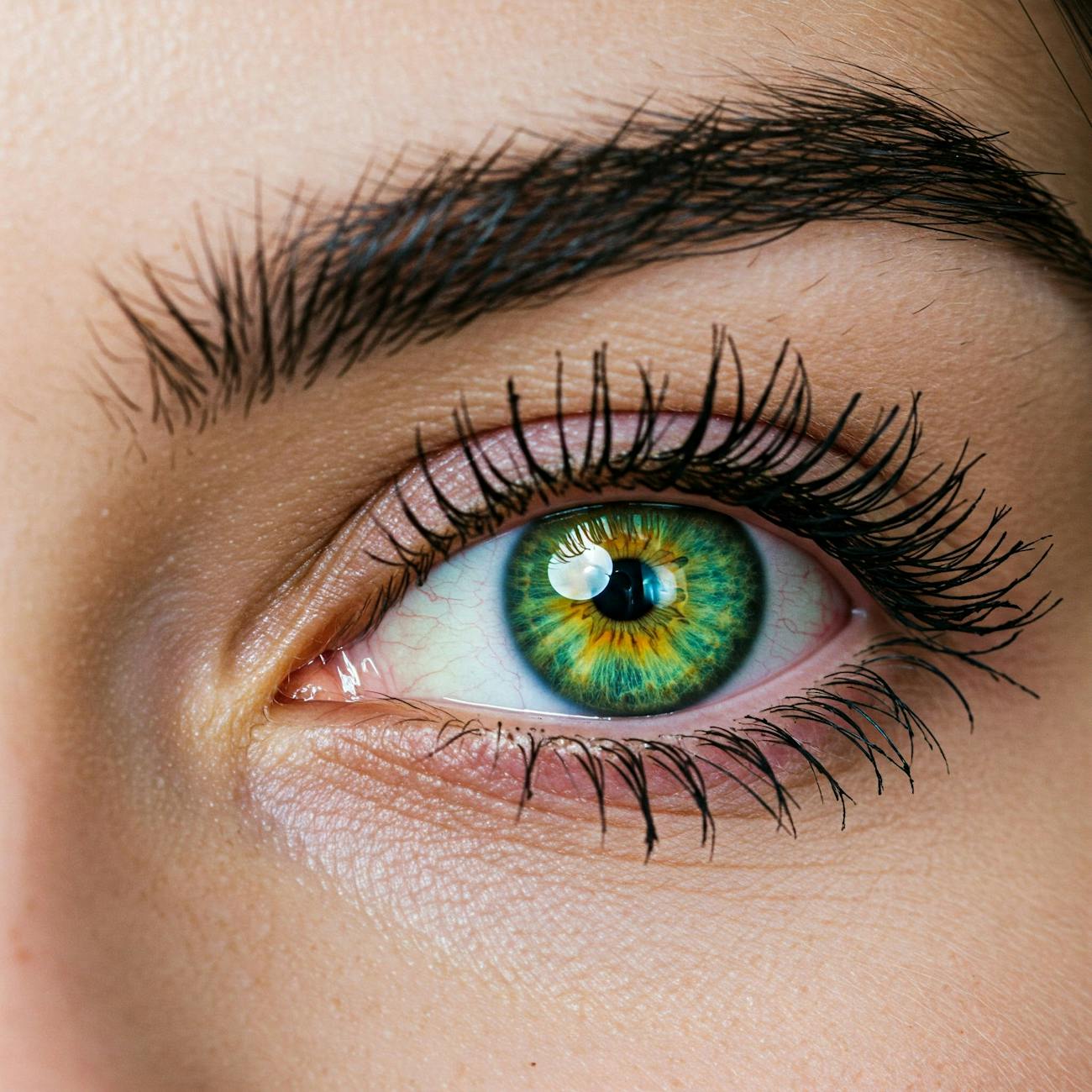
Welcome to this exciting episode of our Professional Certificate in Nonverbal Communication Techniques, where we delve into the fascinating world of Eye Contact and Proxemics. I'm your enthusiastic host, and I'm thrilled to share this journey with you.
Imagine yourself in a crowded room, trying to make a connection with someone new. You may not realize it, but your use of eye contact and the space between you both can make or break that interaction. Today, we're going to explore why these aspects of nonverbal communication are so crucial and how they've evolved over time.
Throughout history, eye contact has been a powerful tool for communication. From ancient Greek orators who used it to captivate their audiences to modern-day business leaders who employ it to establish credibility, eye contact has consistently played a significant role in human interaction. Proxemics, the study of personal space and how we use it, was first introduced by anthropologist Edward T. Hall in the mid-20th century. His groundbreaking work revealed how people from different cultures perceive and navigate space, providing invaluable insights into the world of nonverbal communication.
Now, let's dive into the practical applications of Eye Contact and Proxemics. For eye contact, maintaining a balanced gaze is key. Too little eye contact can make you appear disinterested or evasive, while too much can come across as intense or aggressive. Aim for 50-70% eye contact during conversations to strike the perfect balance.
As for proxemics, be mindful of the four distance zones: intimate (0-18 inches), personal (1.5-4 feet), social (4-12 feet), and public (12 feet or more). Adapting your proximity to these zones can significantly impact the message you're trying to convey. For instance, standing too close during a job interview might make the interviewer uncomfortable, while standing too far away could signal disinterest.
From ancient Greek orators who used it to captivate their audiences to modern-day business leaders who employ it to establish credibility, eye contact has consistently played a significant role in human interaction.
Now, let's discuss common pitfalls and solutions. For eye contact, avoid staring or breaking eye contact too frequently, as both can negatively impact the flow of conversation. Instead, practice active listening and respond with appropriate facial expressions. With proxemics, be aware of cultural differences in personal space and adjust your proximity accordingly.
To conclude, I'd like to share an inspiring message. By mastering the art of eye contact and proxemics, you're not only enhancing your nonverbal communication skills but also deepening your connection with others. As you apply these techniques in your life, I encourage you to share your experiences, insights, and questions with our podcast community.
And remember, subscribing, sharing, or engaging with our podcast helps support our mission to empower learners like you. Together, we can transform the way we communicate and forge meaningful connections. Thank you for joining me on this episode, and I look forward to our next conversation.
Key takeaways
- Welcome to this exciting episode of our Professional Certificate in Nonverbal Communication Techniques, where we delve into the fascinating world of Eye Contact and Proxemics.
- Today, we're going to explore why these aspects of nonverbal communication are so crucial and how they've evolved over time.
- From ancient Greek orators who used it to captivate their audiences to modern-day business leaders who employ it to establish credibility, eye contact has consistently played a significant role in human interaction.
- Too little eye contact can make you appear disinterested or evasive, while too much can come across as intense or aggressive.
- For instance, standing too close during a job interview might make the interviewer uncomfortable, while standing too far away could signal disinterest.
- For eye contact, avoid staring or breaking eye contact too frequently, as both can negatively impact the flow of conversation.
- By mastering the art of eye contact and proxemics, you're not only enhancing your nonverbal communication skills but also deepening your connection with others.