
Foundations and earthworks
Expert-defined terms from the Advanced Certificate in Engineering Geology and Soil Mechanics course at Greenwich School of Business and Finance. Free to read, free to share, paired with a professional course.
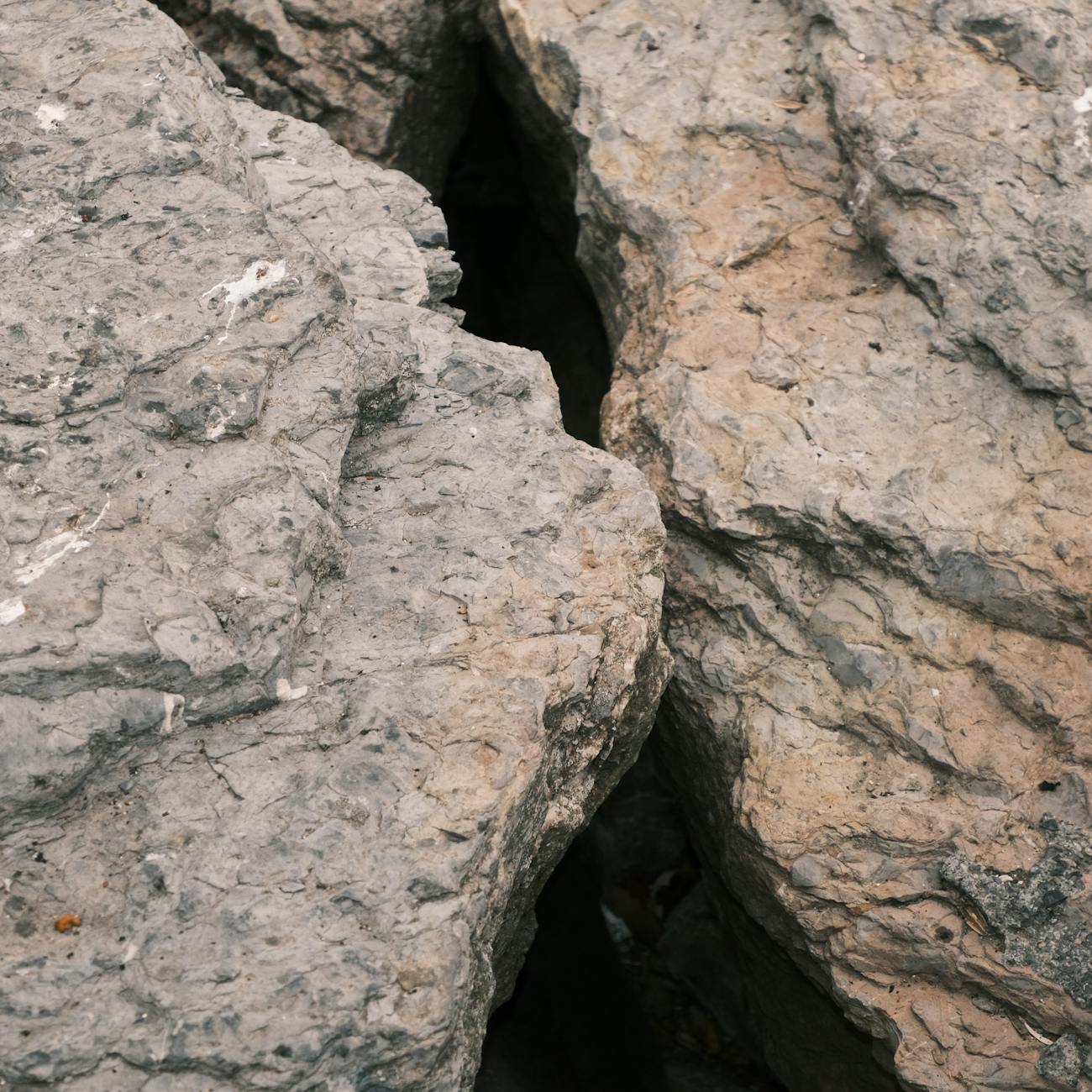
Foundations and Earthworks #
Foundations and Earthworks
Foundations #
Foundations are structural elements that transfer loads from a building or structure to the underlying soil or rock. They provide support and stability, preventing settlement or movement.
- Types of Foundations: There are several types of foundations, including… #
- Types of Foundations: There are several types of foundations, including shallow foundations (such as spread footings and mat foundations) and deep foundations (such as piles and caissons).
- Example: A typical shallow foundation consists of a spread footing that… #
- Example: A typical shallow foundation consists of a spread footing that distributes the load over a larger area of soil to reduce bearing pressure.
- Practical Application: Proper foundation design is crucial for the stab… #
Engineers must consider soil conditions, building loads, and environmental factors when selecting the appropriate foundation type.
- Challenges: Challenges in foundation design include dealing with variab… #
- Challenges: Challenges in foundation design include dealing with variable soil conditions, accounting for seismic forces, and ensuring long-term durability and stability.
Earthworks #
Earthworks refer to the manipulation of soil and rock materials for construction purposes, such as excavating, filling, grading, and compacting.
- Types of Earthworks: Common types of earthworks include cut and fill op… #
- Types of Earthworks: Common types of earthworks include cut and fill operations, embankments, land grading, and slope stabilization.
- Example: Excavation is a common earthwork process where soil or rock is… #
- Example: Excavation is a common earthwork process where soil or rock is removed to create space for foundations, basements, or underground structures.
- Practical Application: Earthworks are essential in preparing constructi… #
- Practical Application: Earthworks are essential in preparing construction sites, creating level surfaces for buildings, roads, and utilities, and controlling erosion and drainage.
- Challenges: Challenges in earthworks include managing soil compaction,… #
- Challenges: Challenges in earthworks include managing soil compaction, controlling erosion, minimizing environmental impact, and ensuring proper drainage and stability.
Grading #
Grading is the process of adjusting the slope and elevation of land to achieve a specific design or engineering requirement.
- Types of Grading: Grading can be classified as cut or fill operations,… #
- Types of Grading: Grading can be classified as cut or fill operations, where soil is either removed (cut) or added (fill) to achieve the desired elevation.
- Example: Grading is commonly used in road construction to create a smoo… #
- Example: Grading is commonly used in road construction to create a smooth and even surface for vehicles to travel on.
- Practical Application: Proper grading is essential for controlling surf… #
- Practical Application: Proper grading is essential for controlling surface water drainage, preventing erosion, and ensuring the stability of structures built on sloped terrain.
- Challenges: Challenges in grading include achieving the desired slope,… #
- Challenges: Challenges in grading include achieving the desired slope, managing soil compaction, and addressing potential erosion and sedimentation issues.
Mat Foundation #
A mat foundation, also known as a raft foundation, is a type of shallow foundation that spreads the building load over a large area to reduce the bearing pressure on the soil.
- Example: Mat foundations are commonly used for large structures, such a… #
- Example: Mat foundations are commonly used for large structures, such as high-rise buildings, where the soil bearing capacity is limited.
- Practical Application: Mat foundations are suitable for soft or compres… #
- Practical Application: Mat foundations are suitable for soft or compressible soils, where traditional spread footings may not provide adequate support.
- Challenges: Challenges in mat foundation design include accounting for… #
- Challenges: Challenges in mat foundation design include accounting for differential settlement, ensuring uniform soil support, and verifying the structural integrity of the foundation.
Pile Foundation #
A pile foundation is a type of deep foundation that transfers building loads to deeper, more stable layers of soil or rock through vertical columns (piles).
- Example: Pile foundations are commonly used in areas with weak or compr… #
- Example: Pile foundations are commonly used in areas with weak or compressible soil, where shallow foundations would be inadequate.
- Practical Application: Pile foundations are suitable for supporting str… #
- Practical Application: Pile foundations are suitable for supporting structures with heavy loads, such as bridges, high-rise buildings, and industrial facilities.
- Challenges: Challenges in pile foundation design include selecting the… #
- Challenges: Challenges in pile foundation design include selecting the appropriate pile type, determining the required length and spacing, and considering factors such as soil conditions, groundwater levels, and seismic forces.
Retaining Wall #
A retaining wall is a structure designed to hold back soil or rock, preventing erosion and maintaining the stability of slopes or embankments.
- Example: Retaining walls are commonly used in landscaping, road constru… #
- Example: Retaining walls are commonly used in landscaping, road construction, and building foundations to create level terraces or prevent soil erosion.
- Practical Application: Retaining walls are essential for controlling so… #
- Practical Application: Retaining walls are essential for controlling soil movement, managing water drainage, and enhancing the aesthetic appeal of outdoor spaces.
- Challenges: Challenges in retaining wall design include addressing late… #
- Challenges: Challenges in retaining wall design include addressing lateral earth pressure, accommodating water runoff, preventing wall failure, and ensuring long-term durability and stability.
Slope Stability #
Slope stability refers to the ability of a slope or embankment to resist sliding, collapsing, or failing under the influence of gravity, water, or external forces.
- Example: Slope stability analysis is crucial in road construction, mini… #
- Example: Slope stability analysis is crucial in road construction, mining operations, and geotechnical engineering to prevent slope failures and ensure worker safety.
- Practical Application: Slope stability assessments involve evaluating f… #
- Practical Application: Slope stability assessments involve evaluating factors such as soil type, slope angle, groundwater levels, and vegetation cover to determine the risk of slope failure.
- Challenges: Challenges in slope stability analysis include predicting s… #
- Challenges: Challenges in slope stability analysis include predicting soil behavior, assessing the impact of external factors, and implementing effective slope stabilization measures.
Soil Mechanics #
Soil mechanics is the branch of geotechnical engineering that studies the behavior of soils, including their physical properties, strength characteristics, and interaction with structures.
- Example: Soil mechanics principles are applied in foundation design, sl… #
- Example: Soil mechanics principles are applied in foundation design, slope stability analysis, earthworks planning, and construction material testing.
- Practical Application: Understanding soil mechanics is essential for as… #
- Practical Application: Understanding soil mechanics is essential for assessing soil suitability, determining foundation types, and predicting soil response to loading and environmental conditions.
- Challenges: Challenges in soil mechanics include characterizing soil pr… #
- Challenges: Challenges in soil mechanics include characterizing soil properties, predicting soil behavior, accounting for variability, and ensuring the accuracy of testing methods.
Spread Footing #
A spread footing, also known as a pad footing, is a type of shallow foundation that supports columns or walls by spreading the building load over a wider area of soil.
- Example: Spread footings are commonly used in residential construction,… #
- Example: Spread footings are commonly used in residential construction, where individual column or wall loads are relatively small.
- Practical Application: Spread footings are suitable for stable soil con… #
- Practical Application: Spread footings are suitable for stable soil conditions, where the bearing capacity is sufficient to support the applied loads without excessive settlement.
- Challenges: Challenges in spread footing design include determining the… #
- Challenges: Challenges in spread footing design include determining the required footing size, accounting for soil bearing capacity, and considering factors such as frost depth and water table levels.
Subgrade #
The subgrade is the natural soil or prepared surface beneath a pavement, foundation, or structure that provides support and stability.
- Example: Proper subgrade preparation is essential for road construction… #
- Example: Proper subgrade preparation is essential for road construction, building foundations, and infrastructure projects to ensure long-term durability and performance.
- Practical Application: Subgrade stabilization techniques include soil c… #
- Practical Application: Subgrade stabilization techniques include soil compaction, moisture control, and reinforcement to improve load-bearing capacity and prevent settlement.
- Challenges: Challenges in subgrade preparation include addressing varia… #
- Challenges: Challenges in subgrade preparation include addressing variable soil conditions, controlling moisture content, preventing subgrade erosion, and ensuring proper compaction.
Trench Excavation #
Trench excavation is the process of digging narrow, deep channels in the ground to install utilities, pipelines, foundations, or other underground structures.
- Example: Trench excavation is commonly used in sewer line installation,… #
- Example: Trench excavation is commonly used in sewer line installation, cable laying, and foundation construction to create a confined space for below-ground structures.
- Practical Application: Trench excavation methods include open cut, tren… #
- Practical Application: Trench excavation methods include open cut, trenchless technology, and shoring techniques to ensure worker safety, prevent soil collapse, and maintain structural integrity.
- Challenges: Challenges in trench excavation include addressing soil sta… #
- Challenges: Challenges in trench excavation include addressing soil stability, controlling groundwater seepage, complying with safety regulations, and minimizing environmental impact.
Underpinning #
Underpinning is a construction technique used to strengthen or stabilize existing foundations by extending their depth, width, or load-bearing capacity.
- Example: Underpinning is commonly used in building renovations, histori… #
- Example: Underpinning is commonly used in building renovations, historic preservation, and foundation repair to address settling, cracking, or structural instability.
- Practical Application: Underpinning methods include micropiles, jet gro… #
- Practical Application: Underpinning methods include micropiles, jet grouting, and steel beams to reinforce existing foundations and prevent further subsidence or movement.
- Challenges: Challenges in underpinning projects include accessing confi… #
- Challenges: Challenges in underpinning projects include accessing confined spaces, coordinating with existing structures, ensuring structural compatibility, and minimizing disruption to occupants.
Void Filling #
Void filling is the process of injecting grout, concrete, or other materials into underground voids, gaps, or cavities to stabilize soil, support structures, or prevent settlement.
- Example: Void filling is commonly used in tunneling, mining, and constr… #
- Example: Void filling is commonly used in tunneling, mining, and construction projects to address subsurface voids, sinkholes, or abandoned mine workings.
- Practical Application: Void filling techniques include pressure groutin… #
- Practical Application: Void filling techniques include pressure grouting, compaction grouting, and chemical injection to fill voids, improve soil strength, and enhance ground stability.
- Challenges: Challenges in void filling operations include identifying v… #
- Challenges: Challenges in void filling operations include identifying void locations, selecting appropriate filling materials, controlling injection pressures, and ensuring uniform grout distribution.
Waterproofing #
Waterproofing is the process of applying protective coatings, membranes, or sealants to prevent water infiltration, moisture damage, or leaks in building foundations, basements, and structures.
- Example: Waterproofing is essential in below-grade construction, such a… #
- Example: Waterproofing is essential in below-grade construction, such as basements, tunnels, and retaining walls, to protect against water seepage, mold growth, and structural deterioration.
- Practical Application: Waterproofing methods include liquid membranes,… #
- Practical Application: Waterproofing methods include liquid membranes, sheet membranes, and spray coatings to create a watertight barrier and ensure a dry, durable building envelope.
- Challenges: Challenges in waterproofing projects include assessing wate… #
- Challenges: Challenges in waterproofing projects include assessing water pressure, selecting compatible materials, addressing substrate conditions, and maintaining quality control during application.
eXcavation #
Excavation is the process of removing soil, rock, or other materials from the ground to create space for foundations, utilities, basements, or underground structures.
- Example: Excavation is a critical step in construction projects, such a… #
- Example: Excavation is a critical step in construction projects, such as building foundations, roadways, and utility installations, to prepare the site for further development.
- Practical Application: Excavation methods include mechanical excavators… #
- Practical Application: Excavation methods include mechanical excavators, hand tools, and blasting techniques to safely and efficiently remove soil, rock, or debris from the site.
- Challenges: Challenges in excavation work include addressing soil stabi… #
- Challenges: Challenges in excavation work include addressing soil stability, controlling groundwater seepage, ensuring worker safety, and complying with environmental regulations.
Foundations and Earthworks #
Foundations and Earthworks
Foundations #
Foundations
Foundations are structural elements that transfer loads from a building to the g… #
They provide stability and support for the structure above. There are several types of foundations, including shallow foundations such as spread footings, mat foundations, and deep foundations like piles and caissons.
- Spread Footings: Spread footings are large concrete pads that distribute the l… #
- Spread Footings: Spread footings are large concrete pads that distribute the load of a structure over a wider area of soil.
- Mat Foundations: Mat foundations are large slabs of reinforced concrete that s… #
- Mat Foundations: Mat foundations are large slabs of reinforced concrete that support multiple columns and walls.
- Piles: Piles are long, slender structural elements driven into the ground to t… #
- Piles: Piles are long, slender structural elements driven into the ground to transfer loads to deeper, more stable soil or rock layers.
- Caissons: Caissons are watertight structures used in the construction of bridg… #
- Caissons: Caissons are watertight structures used in the construction of bridges, dams, and other large structures to allow construction in water or soft soil.
Earthworks #
Earthworks
Earthworks refer to the process of moving and shaping soil and rock to create th… #
This may involve excavation, filling, compaction, and grading to prepare the site for foundations, roads, or other infrastructure.
- Excavation: Excavation is the process of removing soil or rock from a site to… #
- Excavation: Excavation is the process of removing soil or rock from a site to create a hole or trench for foundations or utilities.
- Filling: Filling is the process of placing soil or rock in a depression or low… #
- Filling: Filling is the process of placing soil or rock in a depression or low-lying area to raise the ground level.
- Compaction: Compaction is the process of mechanically densifying soil to impro… #
- Compaction: Compaction is the process of mechanically densifying soil to improve its load-bearing capacity and reduce settling.
- Grading: Grading is the process of shaping the ground surface to achieve the d… #
- Grading: Grading is the process of shaping the ground surface to achieve the desired slopes and elevations for a project.
Soil Mechanics #
Soil Mechanics
Soil mechanics is a branch of civil engineering that studies the behavior of soi… #
It involves understanding the physical, chemical, and mechanical properties of soil to design foundations and earthworks that are safe and stable.
- Soil Properties: Soil properties include characteristics such as particle size… #
- Soil Properties: Soil properties include characteristics such as particle size distribution, density, moisture content, permeability, and shear strength.
- Soil Classification: Soil classification is the process of categorizing soil t… #
- Soil Classification: Soil classification is the process of categorizing soil types based on their physical properties and behavior.
- Soil Compaction: Soil compaction is the process of increasing the density of s… #
- Soil Compaction: Soil compaction is the process of increasing the density of soil by removing air voids and rearranging soil particles.
- Shear Strength: Shear strength is the ability of soil to resist sliding along… #
- Shear Strength: Shear strength is the ability of soil to resist sliding along internal planes or surfaces.
Geology #
Geology
Geology is the study of the Earth's history, structure, and processes that shape… #
It involves examining rocks, minerals, fossils, and landforms to understand the formation and evolution of the Earth over millions of years.
- Rock Types: Rock types include igneous, sedimentary, and metamorphic rocks for… #
- Rock Types: Rock types include igneous, sedimentary, and metamorphic rocks formed by different geological processes.
- Geological Time Scale: The geological time scale is a timeline that divides Ea… #
- Geological Time Scale: The geological time scale is a timeline that divides Earth's history into eons, eras, periods, and epochs based on significant geological events.
- Plate Tectonics: Plate tectonics is the theory that Earth's lithosphere is div… #
- Plate Tectonics: Plate tectonics is the theory that Earth's lithosphere is divided into large plates that move and interact with each other, causing earthquakes, volcanoes, and mountain building.
- Geologic Hazards: Geologic hazards are natural events such as earthquakes, lan… #
- Geologic Hazards: Geologic hazards are natural events such as earthquakes, landslides, and floods that pose risks to human life and property.
Structural Engineering #
Structural Engineering
Structural engineering is a branch of civil engineering that focuses on designin… #
Structural engineers work with architects to create buildings, bridges, and other structures that can withstand various loads and environmental conditions.
- Structural Analysis: Structural analysis is the process of calculating interna… #
- Structural Analysis: Structural analysis is the process of calculating internal forces, stresses, and deformations in a structure to ensure it can support its intended loads.
- Structural Design: Structural design involves selecting materials, dimensions,… #
- Structural Design: Structural design involves selecting materials, dimensions, and configurations to create a safe and efficient structure.
- Structural Load: Structural load is the force or weight acting on a structure,… #
- Structural Load: Structural load is the force or weight acting on a structure, including dead loads (permanent), live loads (temporary), and environmental loads (wind, snow, seismic).
- Structural Integrity: Structural integrity is the ability of a structure to re… #
- Structural Integrity: Structural integrity is the ability of a structure to resist failure due to excessive loads, deterioration, or other factors.
Retaining Walls #
Retaining Walls
Retaining walls are structures designed to support and contain soil or rock at d… #
They are commonly used to create level terraces on sloping sites, prevent erosion, or protect structures from landslides. Retaining walls can be constructed from various materials, including concrete, stone, and timber.
- Gravity Walls: Gravity walls rely on their own weight and mass to resist the p… #
- Gravity Walls: Gravity walls rely on their own weight and mass to resist the pressure of soil or water behind them.
- Cantilever Walls: Cantilever walls are reinforced concrete walls that use a ho… #
- Cantilever Walls: Cantilever walls are reinforced concrete walls that use a horizontal base slab and vertical stem to support the retained soil.
- Gabion Walls: Gabion walls are wire mesh baskets filled with stones or other m… #
- Gabion Walls: Gabion walls are wire mesh baskets filled with stones or other materials that create a flexible and permeable retaining structure.
- Reinforced Earth Walls: Reinforced earth walls use layers of soil reinforced w… #
- Reinforced Earth Walls: Reinforced earth walls use layers of soil reinforced with geosynthetic materials to create a stable and durable retaining structure.
Slope Stability #
Slope Stability
Slope stability refers to the ability of a slope or embankment to resist sliding… #
Engineers analyze slope stability to assess the risk of landslides, erosion, and other geotechnical hazards that can affect infrastructure and property.
- Factor of Safety: The factor of safety is a ratio that compares the resisting… #
- Factor of Safety: The factor of safety is a ratio that compares the resisting forces to the driving forces acting on a slope to ensure stability.
- Critical Slope Angle: The critical slope angle is the steepest slope at which… #
- Critical Slope Angle: The critical slope angle is the steepest slope at which soil or rock remains stable and does not fail.
- Slope Stability Analysis: Slope stability analysis involves evaluating the sta… #
- Slope Stability Analysis: Slope stability analysis involves evaluating the stability of a slope by considering factors such as slope geometry, soil properties, and external loads.
- Slope Protection: Slope protection measures include vegetation, erosion contro… #
- Slope Protection: Slope protection measures include vegetation, erosion control blankets, and retaining structures to stabilize slopes and prevent erosion.
Ground Improvement #
Ground Improvement
Ground improvement techniques are used to modify the properties of soil or rock… #
Common ground improvement methods include compaction, grouting, soil reinforcement, and soil stabilization.
- Compaction Grouting: Compaction grouting involves injecting a cement-based gro… #
- Compaction Grouting: Compaction grouting involves injecting a cement-based grout into the ground to densify and strengthen loose or weak soil.
- Soil Reinforcement: Soil reinforcement techniques use geosynthetic materials l… #
- Soil Reinforcement: Soil reinforcement techniques use geosynthetic materials like geogrids, geotextiles, and soil nails to improve the tensile strength and stability of soil.
- Soil Stabilization: Soil stabilization methods involve adding chemical stabili… #
- Soil Stabilization: Soil stabilization methods involve adding chemical stabilizers, cement, lime, or fly ash to soil to increase its strength and reduce settlement.
- Dynamic Compaction: Dynamic compaction is a ground improvement technique that… #
- Dynamic Compaction: Dynamic compaction is a ground improvement technique that uses repeated impacts from a heavy weight to densify and compact loose or soft soil.
Geotechnical Investigation #
Geotechnical Investigation
Geotechnical investigation is the process of collecting and analyzing soil and r… #
This information is used to design foundations, earthworks, and other geotechnical structures that are safe and reliable.
- Soil Sampling: Soil sampling involves collecting representative samples of soi… #
- Soil Sampling: Soil sampling involves collecting representative samples of soil from different depths and locations on a site for laboratory testing.
- Standard Penetration Test (SPT): The standard penetration test is a common in-… #
- Standard Penetration Test (SPT): The standard penetration test is a common in-situ test used to measure the resistance of soil to penetration by a standard sampler driven by a hammer.
- Cone Penetration Test (CPT): The cone penetration test is an in-situ test that… #
- Cone Penetration Test (CPT): The cone penetration test is an in-situ test that measures the resistance of soil to penetration by a cone-shaped probe pushed into the ground at a constant rate.
- Borehole Logging: Borehole logging is the process of recording and interpretin… #
- Borehole Logging: Borehole logging is the process of recording and interpreting geological and geotechnical data obtained from drilling and sampling boreholes.
Settlement #
Settlement
Settlement is the downward movement or compression of a structure or the ground… #
Settlement can cause uneven floors, cracks in walls, and other structural damage if not properly accounted for in the design and construction of foundations.
- Total Settlement: Total settlement is the overall vertical movement of a struc… #
- Total Settlement: Total settlement is the overall vertical movement of a structure or the ground surface due to all contributing factors.
- Immediate Settlement: Immediate settlement occurs rapidly after construction a… #
- Immediate Settlement: Immediate settlement occurs rapidly after construction as the soil consolidates under the initial load of the structure.
- Consolidation Settlement: Consolidation settlement is a gradual process where… #
- Consolidation Settlement: Consolidation settlement is a gradual process where excess pore water pressure in saturated soil dissipates, causing the soil particles to rearrange and settle.
- Differential Settlement: Differential settlement is the uneven settlement of d… #
- Differential Settlement: Differential settlement is the uneven settlement of different parts of a structure, which can lead to structural damage and instability.
Groundwater #
Groundwater
Groundwater is water that saturates the soil or rock beneath the ground surface… #
It plays a critical role in geotechnical engineering as it affects soil properties, slope stability, foundation design, and construction dewatering. Groundwater flow and pressure must be carefully considered during site investigations and design.
- Water Table: The water table is the upper surface of the saturated zone where… #
- Water Table: The water table is the upper surface of the saturated zone where groundwater pressure equals atmospheric pressure.
- Aquifer: An aquifer is a geological formation that contains and transmits grou… #
- Aquifer: An aquifer is a geological formation that contains and transmits groundwater, such as sand, gravel, or fractured rock.
- Seepage: Seepage is the movement of water through soil or rock due to gravity… #
- Seepage: Seepage is the movement of water through soil or rock due to gravity or hydraulic gradients, which can affect slope stability and foundation performance.
- Dewatering: Dewatering is the process of removing groundwater from a site to l… #
- Dewatering: Dewatering is the process of removing groundwater from a site to lower the water table and create a dry working environment for construction.
Seismic Design #
Seismic Design
Seismic design is the process of designing structures to resist earthquakes and… #
It involves assessing the seismic hazard of a region, determining the dynamic response of structures, and implementing measures to reduce the risk of damage and collapse during seismic events.
- Seismic Hazard: Seismic hazard is the potential for ground shaking, ground rup… #
- Seismic Hazard: Seismic hazard is the potential for ground shaking, ground rupture, and other earthquake-related hazards in a particular region.
- Seismic Load: Seismic load is the force exerted on a structure during an earth… #
- Seismic Load: Seismic load is the force exerted on a structure during an earthquake, which depends on the ground motion, building characteristics, and soil conditions.
- Base Isolation: Base isolation is a seismic design technique that decouples a… #
- Base Isolation: Base isolation is a seismic design technique that decouples a structure from the ground using flexible bearings or isolators to reduce seismic forces.
- Ductility: Ductility is the ability of a structure to deform plastically and a… #
- Ductility: Ductility is the ability of a structure to deform plastically and absorb energy during an earthquake without collapsing.
Footing Design #
Footing Design
Footing design is the process of sizing and detailing foundations to support the… #
Footings can be shallow or deep, depending on the soil conditions, structural loads, and building requirements. Proper footing design is essential to ensure the stability and longevity of a structure.
- Bearing Capacity: Bearing capacity is the maximum load that a soil or rock can… #
- Bearing Capacity: Bearing capacity is the maximum load that a soil or rock can support without failure, which is critical for footing design.
- Settlement Analysis: Settlement analysis involves predicting the expected sett… #
- Settlement Analysis: Settlement analysis involves predicting the expected settlement of a structure based on soil properties, foundation type, and loading conditions.
- Footing Types: Footing types include spread footings, mat foundations, pile ca… #
- Footing Types: Footing types include spread footings, mat foundations, pile caps, and caissons, which are selected based on the soil conditions and structural requirements.
- Footing Detailing: Footing detailing includes reinforcement layout, anchor bol… #
- Footing Detailing: Footing detailing includes reinforcement layout, anchor bolt placement, and formwork design to ensure proper construction and load transfer.
Soil Erosion #
Soil Erosion
Soil erosion is the process of detachment and transport of soil particles by wat… #
It can lead to loss of fertile topsoil, slope instability, sedimentation of water bodies, and degradation of ecosystems. Soil erosion control measures such as vegetation, retaining walls, and erosion control blankets are used to protect soil and prevent erosion.
- Erosion Control: Erosion control measures include vegetative cover, mulching,… #
- Erosion Control: Erosion control measures include vegetative cover, mulching, silt fences, and check dams to reduce soil erosion and sedimentation.
- Sedimentation: Sedimentation is the deposition of eroded soil particles in riv… #
- Sedimentation: Sedimentation is the deposition of eroded soil particles in rivers, lakes, and reservoirs, which can degrade water quality and aquatic habitats.
- Mass Wasting: Mass wasting is the downslope movement of soil and rock under th… #
- Mass Wasting: Mass wasting is the downslope movement of soil and rock under the influence of gravity, which can lead to landslides, rockfalls, and debris flows.
- Soil Stabilization: Soil stabilization techniques such as revegetation, bioeng… #
- Soil Stabilization: Soil stabilization techniques such as revegetation, bioengineering, and erosion control structures are used to prevent soil erosion and slope instability.
Geosynthetics #
Geosynthetics
Geosynthetics are synthetic materials used in geotechnical engineering to improv… #
They include geotextiles, geogrids, geomembranes, and geocomposites that provide reinforcement, filtration, drainage, and containment functions in various geotechnical applications.
- Geotextiles: Geotextiles are permeable fabrics made of synthetic fibers used f… #
- Geotextiles: Geotextiles are permeable fabrics made of synthetic fibers used for filtration, separation, and reinforcement in soil and rock.
- Geogrids: Geogrids are grid-like structures made of polymer or metal used to r… #
- Geogrids: Geogrids are grid-like structures made of polymer or metal used to reinforce soil, stabilize slopes, and support retaining walls.
- Geomembranes: Geomembranes are impermeable sheets or liners used for containme… #
- Geomembranes: Geomembranes are impermeable sheets or liners used for containment of liquids, gases, and pollutants in landfills, ponds, and reservoirs.
- Geocomposites: Geocomposites are engineered materials combining two or more ge… #
- Geocomposites: Geocomposites are engineered materials combining two or more geosynthetic components to provide multiple functions such as drainage, filtration, and reinforcement.
Ground Investigation #
Ground Investigation
Ground investigation is the process of collecting and analyzing data from a site… #
It involves field exploration, laboratory testing, and geophysical surveys to assess soil properties, groundwater levels, and potential risks for construction projects.
- Subsurface Exploration: Subsurface exploration involves drilling boreholes, sa… #
- Subsurface Exploration: Subsurface exploration involves drilling boreholes, sampling soil and rock, and conducting in-situ tests to characterize the subsurface conditions.
- Geophysical Survey: Geophysical surveys use methods such as seismic refraction… #
- Geophysical Survey: Geophysical surveys use methods such as seismic refraction, electrical resistivity, and ground-penetrating radar to map subsurface features and identify geological structures.
- Geotechnical Report: A geotechnical report presents the findings of a ground i… #
- Geotechnical Report: A geotechnical report presents the findings of a ground investigation, including site conditions, engineering recommendations, and risk assessments for construction.
- Site Investigation: Site investigation includes soil sampling, field testing,… #
- Site Investigation: Site investigation includes soil sampling, field testing, and laboratory analysis to evaluate the suitability of a site for construction and identify potential geotechnical challenges.
Rock Mechanics #
Rock Mechanics
Rock mechanics is the study of the behavior of rock materials under different lo… #
It involves understanding the strength, deformation, and failure mechanisms of rocks to design safe and stable rock structures such as tunnels, slopes, and foundations.
- Rock Properties: Rock properties include characteristics such as strength, sti… #
- Rock Properties: Rock properties include characteristics such as strength, stiffness, porosity, and weathering that influence the behavior of rocks under various conditions.
- Rock Mass: A rock mass is a volume of rock material that behaves as a single u… #
- Rock Mass: A rock mass is a volume of rock material that behaves as a single unit due to jointing, bedding, and other geological structures.
- Rock Slope Stability: Rock slope stability analysis involves assessing the sta… #
- Rock Slope Stability: Rock slope stability analysis involves assessing the stability of rock slopes using methods such as rock mass classification, kinematic analysis, and numerical modeling.
- Rock Support: Rock support measures such as rock bolts, shotcrete, and mesh ar… #
- Rock Support: Rock support measures such as rock bolts, shotcrete, and mesh are used to stabilize rock slopes, tunnels, and excavations and prevent rockfall and collapse.
Groundwater Control #
Groundwater Control
Groundwater control involves managing and controlling the level and flow of grou… #
Groundwater control methods include dewatering, grouting, cutoff walls, and wellpoint systems to lower the water table, stabilize slopes, and prevent groundwater ingress.
- Dewatering: Dewatering is the process of pumping out groundwater from excavati… #
- Dewatering: Dewatering is the process of pumping out groundwater from excavations, basements, and tunnels to lower the water table and maintain a dry working environment.
- Grouting: Grouting involves injecting a cement-based or chemical grout into th… #
- Grouting: Grouting involves injecting a cement-based or chemical grout into the ground to seal fractures, stabilize soil, and control groundwater flow.
- Cutoff Walls: Cutoff walls are impermeable barriers constructed underground to… #
- Cutoff Walls: Cutoff walls are impermeable barriers constructed underground to prevent the flow of groundwater into excavations, tunnels, and foundations.
- Wellpoint System: A wellpoint system consists of shallow wells connected to a… #
- Wellpoint System: A wellpoint system consists of shallow wells connected to a vacuum pump to lower the water table and control groundwater inflow during construction.
Geotechnical Design #
Geotechnical Design
Geotechnical design involves applying geotechnical engineering principles to des… #
It includes analyzing site conditions, soil properties, and loading conditions to ensure the safety, stability, and durability of the designed structures.
- Limit State Design: Limit state design is a method that considers both ultimat… #
- Limit State Design: Limit state design is a method that considers both ultimate limit states (failure) and serviceability limit states (deflection, settlement) in the design of geotechnical structures.
- Performance-Based Design: Performance-based design involves assessing the expe… #
- Performance-Based Design: Performance-based design involves assessing the expected performance of a structure under various loading conditions to meet specific safety and serviceability requirements.
- Geotechnical Software: Geotechnical software programs such as PLAXIS, GeoStudi… #
- Geotechnical Software: Geotechnical software programs such as PLAXIS, GeoStudio, and FLAC are used for numerical analysis, modeling, and design of geotechnical structures.
- Design Codes: Design codes such as Eurocode, ASTM, and AASHTO provide guidelin… #
- Design Codes: Design codes such as Eurocode, ASTM, and AASHTO provide guidelines, standards, and specifications for the design of geotechnical structures in different countries and regions.
Excavation Support #
Excavation Support
Excavation support systems are temporary structures used to stabilize and protec… #
Common excavation support methods include sheet piles, soldier piles, secant piles, soil nails, and retaining walls to ensure the safety and stability of excavations.
- Sheet Piles: Sheet piles are interlocking steel or concrete sheets driven into… #
- Sheet Piles: Sheet piles are interlocking steel or concrete sheets driven into the ground to create a continuous retaining wall around an excavation.
- Soldier Piles: Soldier piles are vertical steel or concrete beams installed in… #
- Soldier Piles: Soldier piles are vertical steel or concrete beams installed in drilled holes or driven into the ground to support excavation walls.
- Secant Piles: Secant piles are reinforced concrete piles installed in overlapp… #
- Secant Piles: Secant piles are reinforced concrete piles installed in overlapping fashion to create a continuous wall for deep excavations in urban areas.
- Soil Nails: Soil nails are slender steel bars grouted into predrilled holes to… #
- Soil Nails: Soil nails are slender steel bars grouted into predrilled holes to reinforce and stabilize soil slopes and excavations.
Ground Improvement #
Ground Improvement
Ground improvement techniques are used to modify the properties of soil or rock… #
Common ground improvement methods include compaction, grouting, soil reinforcement, and soil stabilization.
- Compaction Grouting: Compaction grouting involves injecting a cement-based gro… #
- Compaction Grouting: Compaction grouting involves injecting a cement-based grout into the ground to densify and strengthen loose or weak soil.
- Soil Reinforcement: Soil reinforcement techniques use geosynthetic materials l… #
- Soil Reinforcement: Soil reinforcement techniques use geosynthetic materials like geogrids, geotextiles, and soil nails to improve the tensile strength and stability of soil.
- Soil Stabilization: Soil stabilization methods involve adding chemical stabili… #
- Soil Stabilization: Soil stabilization methods involve adding chemical stabilizers, cement, lime, or fly ash to soil to increase its strength and reduce settlement.
- Dynamic Compaction: Dynamic compaction is a ground improvement technique that… #
- Dynamic Compaction: Dynamic compaction is a ground improvement technique that uses repeated impacts from a heavy weight to densify and compact loose or soft soil.
Geotechnical Investigation #
Geotechnical Investigation
Geotechnical investigation is the process of collecting and analyzing soil and r… #
This information is used to design foundations, earthworks, and other geotechn