
Eco Friendly Accommodation Management
Eco‑friendly accommodation refers to lodging facilities that operate in a manner that minimizes negative impacts on the environment while enhancing the well‑being of local communities and preserving cultural heritage. In the context of slow…
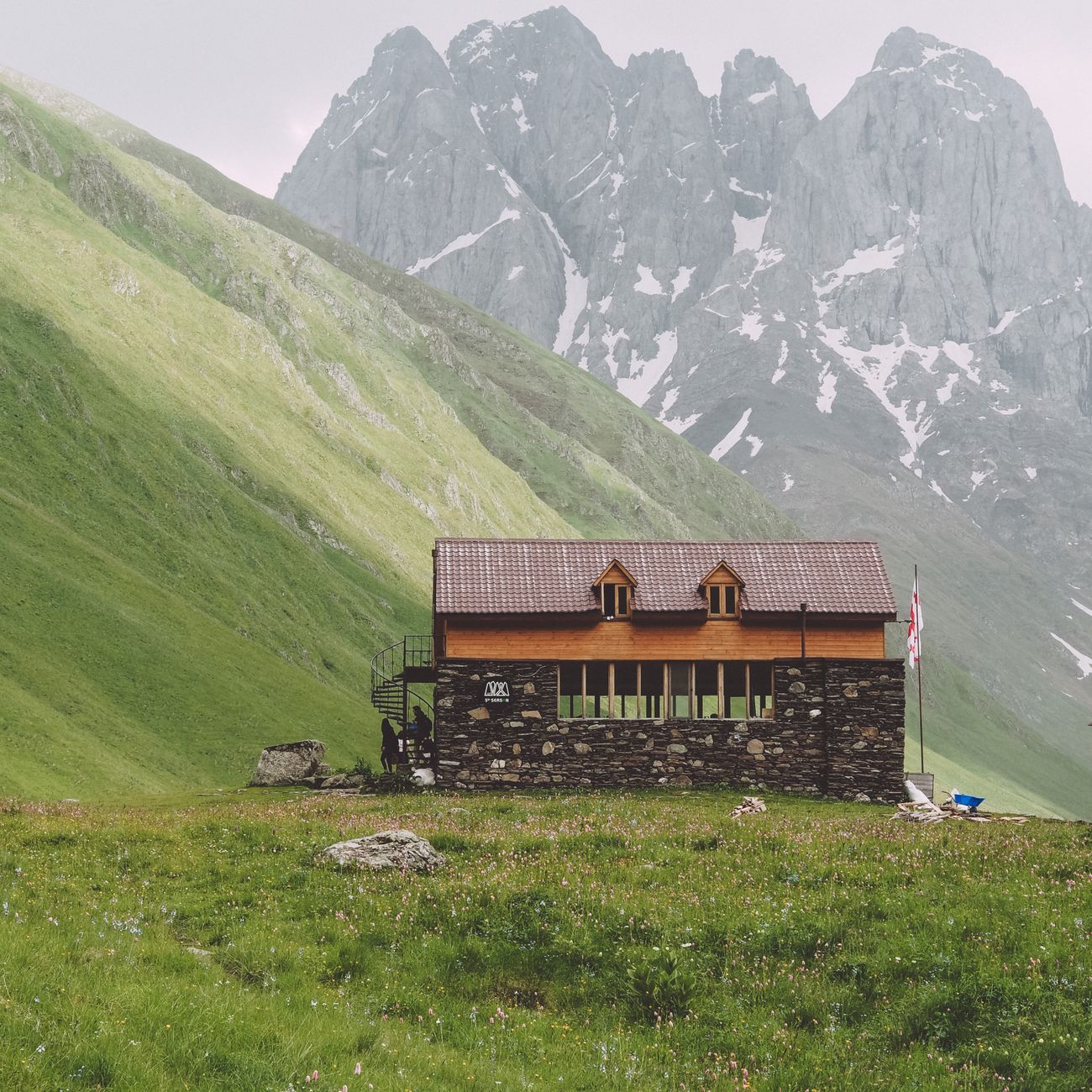
Eco‑friendly accommodation refers to lodging facilities that operate in a manner that minimizes negative impacts on the environment while enhancing the well‑being of local communities and preserving cultural heritage. In the context of slow tourism, such establishments prioritize quality of experience over volume, encouraging guests to engage deeply with place, people, and nature. Understanding the terminology that underpins this field is essential for managers who aim to integrate sustainability into every aspect of operations, from design and construction to daily service delivery and guest interaction.
Carbon footprint measures the total greenhouse gas emissions associated with the operation of a property, expressed in carbon dioxide equivalents. Calculating a carbon footprint involves accounting for energy consumption, transportation, waste processing, and even the embodied emissions of building materials. For example, a boutique hotel that installs solar panels may reduce its footprint by 30 % compared to a similar property relying solely on grid electricity. The challenge lies in obtaining accurate data, especially for indirect emissions such as those generated by suppliers.
Renewable energy sources—solar, wind, hydro, and biomass—replace fossil‑based power and are a cornerstone of low‑impact accommodation. Solar photovoltaic (PV) systems can be mounted on rooftops or integrated into façades, providing on‑site generation that offsets grid consumption. Wind turbines are less common in urban settings but may be viable in rural lodges with sufficient wind speeds. The principal obstacles include upfront capital costs, regulatory permitting, and the need for skilled maintenance personnel.
Energy‑efficient lighting typically involves the use of light‑emitting diode (LED) fixtures, which consume up to 80 % less electricity than traditional incandescent bulbs while offering longer lifespans. In practice, swapping all guestroom lighting to LEDs can save a mid‑size hotel several thousand kilowatt‑hours annually. However, the initial investment and the need to match colour temperature preferences of guests can create resistance among staff accustomed to older lighting technologies.
Smart thermostats and occupancy sensors enable dynamic control of heating, ventilation, and air‑conditioning (HVAC) systems based on real‑time guest presence. A sensor that detects a vacant room can automatically lower the temperature, reducing energy use without compromising comfort. Implementation challenges include ensuring compatibility with existing HVAC infrastructure and training staff to interpret usage data correctly.
Passive solar design harnesses natural sunlight for heating and daylighting, reducing reliance on artificial lighting and mechanical heating. Architectural features such as south‑facing windows, thermal mass walls, and overhangs are designed to capture winter sun while shading interior spaces during summer. For a mountain lodge, incorporating passive solar elements can cut heating demand by up to 40 %. The main difficulty is balancing aesthetic desires with the precise orientation required for optimal performance.
Thermal insulation materials—such as cellulose, sheep’s wool, or recycled denim—slow heat transfer through walls, roofs, and floors. High‑performance insulation maintains interior temperatures, diminishing the workload on HVAC systems. In historic buildings, retrofitting insulation must respect preservation guidelines, often necessitating bespoke solutions that increase cost and complexity.
Natural ventilation relies on pressure differentials and wind to move air through a building, eliminating the need for mechanical fans in many situations. Operable windows, vents, and atriums can create a comfortable indoor climate when external conditions are favourable. While this reduces energy consumption, it can also introduce challenges related to indoor air quality, especially in areas with high pollen or pollution levels.
Water conservation is achieved through low‑flow fixtures, leak detection systems, and behavioural programmes that encourage guests to reuse towels and linens. A typical low‑flow showerhead reduces water use by 30 % without noticeable loss of performance. The primary barrier to widespread adoption is the perception among guests that reduced water flow may diminish comfort, requiring clear communication and education.
Greywater recycling treats lightly used water from sinks, showers, and laundry for reuse in irrigation or toilet flushing. Simple filtration systems can achieve a reuse rate of 50‑70 % in small resorts. The technology demands regular maintenance and monitoring to prevent bacterial growth, and local regulations may restrict the use of recycled water for certain purposes.
Rainwater harvesting captures precipitation from rooftops, storing it in tanks for later use in landscaping, cleaning, or even potable supply after proper treatment. A coastal eco‑resort that installs a 10,000‑liter tank can offset up to 40 % of its annual water demand. The variability of rainfall patterns and the need for filtration infrastructure are common challenges, particularly in arid regions.
Waste management encompasses the segregation, collection, and treatment of solid waste generated by accommodation operations. Implementing a three‑stream system—recyclables, organics, and landfill—helps reduce the volume sent to incinerators or landfills. For instance, a hostel that composts kitchen scraps can divert 60 % of its waste from disposal. The difficulty lies in ensuring consistent participation from staff and guests, as well as securing reliable recycling partners.
Composting transforms organic waste into nutrient‑rich soil amendment, which can be used in on‑site gardens or donated to local farms. A small urban boutique hotel may operate a vermicomposting bin that processes 5 kg of food waste per week, producing valuable compost for its rooftop garden. Managing odor, pests, and the learning curve for staff are typical obstacles.
Circular economy principles aim to keep resources in use for as long as possible, designing out waste and regenerating natural systems. In accommodation, this can involve using reclaimed furniture, offering refill stations for toiletries, and partnering with local artisans to upcycle discarded materials. The transition to a circular model often requires redesigning procurement processes and establishing new supplier relationships, which can be time‑consuming.
Local sourcing means procuring food, beverages, and other consumables from producers within a defined radius, typically 50‑100 km. Farm‑to‑table restaurants in eco‑lodges showcase seasonal ingredients, reducing transportation emissions and supporting the regional economy. The main challenges include seasonal variability of produce, potential higher prices, and ensuring that local suppliers meet food safety standards.
Farm‑to‑table extends local sourcing by integrating on‑site gardens, orchards, or small‑scale livestock. A countryside inn that grows herbs and vegetables on its property can supply up to 30 % of its kitchen needs, enhancing freshness and guest perception of sustainability. Maintaining agricultural operations demands expertise, water, and land, which may not be feasible for all properties.
Community engagement involves collaborating with local residents, cultural groups, and businesses to create mutually beneficial tourism experiences. Hosting workshops on traditional crafts, offering guided walks led by locals, or supporting community‑led conservation projects are common practices. The challenge is achieving genuine partnership rather than tokenistic involvement, which requires ongoing dialogue and shared decision‑making.
Cultural heritage preservation ensures that historic sites, traditions, and intangible practices are respected and protected. Eco‑friendly accommodations situated in heritage buildings must adhere to conservation guidelines while integrating modern sustainability measures. For example, installing discreet solar panels on a historic villa can provide renewable energy without compromising visual integrity. Balancing preservation with performance often leads to higher costs and regulatory complexity.
Low‑impact design focuses on minimizing the ecological footprint of a building through site selection, material choice, and construction methods. Selecting a location that avoids sensitive ecosystems, using timber from certified forests, and employing modular construction can reduce habitat disturbance and waste. The trade‑off may involve limited site options and the need for careful environmental impact assessments.
Biodegradable amenities replace conventional plastic toiletries with products that break down naturally, such as shampoo bars, bamboo toothbrushes, and compostable packaging. Providing these items in refill stations further reduces single‑use waste. Guest acceptance can vary; some travelers may prefer familiar packaged products, requiring clear signage and education to encourage adoption.
Refill stations allow guests to top up soaps, shampoos, and other consumables from bulk dispensers, cutting down on plastic bottles. A hotel that installs wall‑mounted refill units can reduce its plastic waste by up to 80 %. Maintaining hygiene standards and ensuring dispenser reliability are practical concerns that need regular oversight.
Smart meters monitor real‑time electricity, water, and gas consumption, providing data that can be used to optimise resource use. By analysing meter readings, managers can identify peak usage periods and implement demand‑response strategies. The initial cost of installing smart meters and the need for data analytics capabilities can be barriers for smaller establishments.
Life‑cycle assessment (LCA) evaluates the environmental impacts of a product or service from raw material extraction through disposal. Conducting an LCA for a building material, such as reclaimed timber, helps determine its overall sustainability compared to new lumber. Performing comprehensive LCAs requires specialised expertise and access to reliable data, which may be scarce for niche products.
Carbon offsetting involves investing in projects that reduce or sequester greenhouse gases to compensate for emissions that cannot be eliminated on site. Examples include reforestation, renewable energy installations, or methane capture initiatives. While offsets can aid in achieving net‑zero goals, they must be credible, verifiable, and additional to existing efforts; otherwise, they risk being perceived as greenwashing.
Biodiversity conservation aims to protect the variety of life within an ecosystem, from microorganisms to large mammals. Eco‑friendly lodges may preserve native vegetation, install bird‑friendly lighting, and create wildlife corridors. Monitoring biodiversity outcomes often requires collaboration with ecologists and long‑term data collection, which can be resource‑intensive.
Habitat restoration restores degraded ecosystems to a more natural state, enhancing ecological resilience. A coastal resort might rehabilitate mangrove areas to protect against erosion and provide nursery grounds for fish. Restoration projects demand technical knowledge, ongoing maintenance, and community involvement to succeed.
Sustainable transport options reduce the carbon intensity of guest and staff travel. Providing bike rentals, electric vehicle (EV) charging stations, and shuttle services using low‑emission vehicles are common measures. Encouraging guests to use public transport or walk to nearby attractions aligns with slow‑tourism principles. Infrastructure costs and the need for reliable local transport networks can limit implementation.
Electric vehicle charging infrastructure enables guests to recharge EVs on‑site, supporting the transition to low‑carbon mobility. Installing Level 2 chargers can attract environmentally conscious travelers and differentiate a property in competitive markets. The primary challenges are the electrical load requirements, permitting processes, and ensuring sufficient utilisation to justify the investment.
Bike rentals promote active travel, reduce traffic congestion, and enhance guest immersion in the local landscape. A mountain‑region hostel that offers a fleet of mountain bikes can extend guest stays by encouraging exploration of surrounding trails. Maintenance, theft prevention, and insurance are practical considerations that need to be addressed.
Visitor education programs raise awareness about local ecosystems, cultural practices, and sustainable behaviours. Offering guided nature walks, workshops on traditional cooking, or informational displays about the property’s energy systems helps embed sustainability in the guest experience. Designing engaging content that resonates with diverse audiences can be demanding, and measuring educational impact often requires surveys or feedback mechanisms.
Environmental stewardship is the ongoing commitment of an accommodation to protect and enhance natural resources. This ethos can be expressed through policies such as zero‑waste targets, regular biodiversity monitoring, and transparent reporting. Embedding stewardship into corporate culture requires leadership buy‑in, staff training, and clear performance metrics.
Monitoring and reporting involve systematic data collection on energy, water, waste, and social impacts, followed by dissemination to stakeholders. Annual sustainability reports, often aligned with global standards such as the Global Reporting Initiative (GRI), demonstrate accountability and can attract eco‑conscious travelers. The main difficulty lies in maintaining data accuracy, especially when multiple departments are involved.
Key performance indicators (KPIs) provide measurable targets that track progress toward sustainability goals. Common KPIs include energy use per occupied room, water consumption per guest night, waste diversion rate, and percentage of local food sourced. Selecting appropriate KPIs requires balancing relevance, data availability, and the ability to influence outcomes through management actions.
Stakeholder collaboration brings together owners, staff, guests, suppliers, local authorities, and community groups to co‑create sustainable solutions. Joint initiatives, such as a shared recycling centre or a regional eco‑tourism alliance, amplify impact. Coordinating diverse interests and ensuring equitable benefit distribution can be complex, requiring skilled facilitation and clear governance structures.
Green procurement prioritises purchasing products and services that have lower environmental impacts, such as energy‑star appliances, FSC‑certified timber, and recycled paper. By setting procurement policies that require suppliers to demonstrate sustainability credentials, accommodation managers can influence supply‑chain practices. The trade‑off may involve higher unit costs and the need to verify supplier claims.
Supply‑chain transparency ensures that every stage of a product’s journey—from raw material extraction to final delivery—is traceable and accountable. Implementing traceability systems, such as blockchain or certification schemes, helps verify claims of ethical sourcing. The complexity of global supply chains and limited supplier cooperation can impede full transparency.
Eco‑tourism is a travel approach that prioritises conservation, community benefit, and low‑impact experiences. While eco‑tourism overlaps with slow tourism, the former often emphasises nature‑focused activities, whereas the latter stresses pacing and cultural immersion. A property that markets itself as an eco‑tourism hub must align its operations with rigorous environmental standards to avoid accusations of greenwashing.
Slow tourism encourages travellers to engage deeply with a destination, fostering longer stays, local interaction, and mindful consumption. Eco‑friendly accommodation that adopts slow‑tourism principles may offer extended‑stay discounts, cultural workshops, and itineraries that avoid overcrowded attractions. The challenge is balancing profitability with the reduced turnover inherent in slower travel models.
Immersive travel leverages sensory and experiential design to make guests feel fully integrated into the local environment. This can include using locally sourced materials in interior design, offering language lessons, or facilitating participation in community festivals. Designing immersive experiences requires thorough cultural research and sensitivity to avoid appropriation.
Experiential learning in the hospitality context refers to educational activities where guests acquire knowledge through direct involvement, such as cooking traditional dishes or participating in conservation tasks. This approach deepens appreciation for sustainability and can increase guest loyalty. However, ensuring safety, accessibility, and relevance for diverse visitor profiles can be demanding.
Authenticity describes the genuine representation of local culture, traditions, and environment, free from staged or commercialised elements. Authentic experiences often involve collaboration with local artisans, storytellers, and cultural custodians. Maintaining authenticity while meeting commercial objectives requires careful curation and ongoing community dialogue.
Place‑based storytelling uses narratives tied to a specific location’s history, ecology, and people to enrich the guest experience. For instance, a mountain lodge might share legends of the surrounding peaks, linking them to current conservation efforts. Crafting compelling stories demands research, sensitivity, and the ability to convey information in an engaging manner.
Regenerative tourism goes beyond sustainability by seeking to leave destinations better than they were found. Practices include habitat restoration, carbon sequestration projects, and supporting local entrepreneurship that provides long‑term economic resilience. Measuring regenerative impact is complex, often requiring longitudinal studies and interdisciplinary collaboration.
Net‑zero aims to balance the amount of greenhouse gases emitted with an equivalent amount removed from the atmosphere, resulting in a net neutral carbon impact. Achieving net‑zero for an accommodation involves a combination of energy efficiency, renewable generation, and high‑quality carbon offsets. The ambition is high, and many properties find the transition financially and technically challenging without external support.
Zero‑waste targets the elimination of waste sent to landfill or incineration through comprehensive reduction, reuse, and recycling strategies. A resort that implements a zero‑waste policy may redesign its kitchen operations, partner with composting facilities, and eliminate single‑use plastics. Full zero‑waste achievement is rare; most organisations adopt a progressive approach, setting incremental targets.
Green certification provides third‑party verification that an accommodation meets defined sustainability criteria. Prominent schemes include LEED, BREEAM, Green Globe, and the EarthCheck program. Certification processes involve documentation, audits, and performance verification. While certification can enhance marketability, the cost of assessment, ongoing compliance, and potential “certificate fatigue” among guests are notable drawbacks.
LEED (Leadership in Energy and Environmental Design) is a widely recognised rating system that evaluates building design, construction, and operation across categories such as energy, water, materials, and indoor environmental quality. A hotel achieving LEED Gold demonstrates a high level of environmental performance. The rigorous documentation required and the need for experienced consultants can be barriers for smaller operators.
BREEAM (Building Research Establishment Environmental Assessment Method) offers a similar framework to LEED but is more prevalent in Europe and focuses heavily on life‑cycle impacts. Obtaining BREEAM certification often involves a detailed assessment of site ecology, transport access, and construction waste management. The regional specificity of BREEAM may limit its applicability in non‑European contexts.
Eco‑label symbols, such as the EU Ecolabel or the Green Key, provide quick visual cues to consumers about a property’s environmental performance. Displaying an eco‑label can attract environmentally conscious travelers and differentiate a property in competitive markets. However, the proliferation of labels can cause confusion, and the credibility of some labels varies, necessitating careful selection.
Green Key is an international eco‑label that assesses hotels on criteria including energy, water, waste, and staff training. To retain the Green Key, properties must undergo regular audits and demonstrate continuous improvement. The audit process can be resource‑intensive, especially for establishments with limited staff.
Global Reporting Initiative (GRI) provides a standardized framework for sustainability reporting, enabling organisations to disclose their environmental, social, and governance (ESG) impacts transparently. Aligning accommodation reporting with GRI helps meet stakeholder expectations and can facilitate access to sustainable financing. The extensive data requirements and need for expert interpretation may be daunting for small businesses.
Sustainable procurement expands green procurement by incorporating social criteria, such as fair‑trade certification, labour standards, and community benefit clauses. Purchasing fair‑trade coffee, for example, supports producers in developing regions while ensuring ethical practices. Integrating these criteria into existing purchasing workflows often requires policy revisions and supplier education.
Carbon accounting tracks emissions across scopes: Scope 1 (direct emissions), Scope 2 (indirect energy), and Scope 3 (value‑chain emissions). Accurate carbon accounting enables targeted reduction strategies and credible reporting. Gathering Scope 3 data—such as emissions from guest travel or outsourced services—can be particularly challenging due to data gaps and reliance on estimates.
Energy performance contracts (EPCs) allow accommodation operators to implement energy‑saving measures financed by the projected cost savings, often managed by an external specialist. This model reduces upfront capital outlay but requires clear agreement on measurement and verification protocols. EPCs can be complex to negotiate and may involve long contract terms.
Renewable energy certificates (RECs) represent the environmental attributes of renewable electricity generation and can be purchased to offset non‑renewable energy consumption. Acquiring RECs enables a hotel to claim renewable energy use without installing on‑site generation. Critics argue that RECs may not guarantee additional renewable capacity, so they should be used alongside direct generation where possible.
Smart building technology integrates sensors, automated controls, and data analytics to optimise building performance. For example, a hotel may use occupancy sensors to adjust lighting and HVAC in real time, achieving energy savings of up to 15 %. Implementation requires robust IT infrastructure, cybersecurity measures, and staff training to interpret system feedback.
Biophilic design incorporates natural elements—such as living walls, natural materials, and daylight—into the built environment to enhance occupant well‑being and reduce stress. A resort that includes indoor waterfalls and extensive plantings can improve guest satisfaction and support mental health. The design and maintenance of biophilic features can increase operational complexity and cost.
Life‑cycle cost analysis (LCCA) evaluates the total cost of a building component over its entire lifespan, including acquisition, operation, maintenance, and disposal. By comparing the LCCA of a high‑efficiency HVAC system versus a conventional unit, managers can justify higher upfront expenditures based on long‑term savings. Accurate LCCA requires reliable cost data and assumptions about future energy prices.
Embodied carbon refers to the greenhouse gases emitted during the extraction, manufacture, transport, and installation of building materials. Selecting low‑embodied‑carbon materials, such as recycled steel or timber, can significantly reduce a property’s overall carbon footprint. Calculating embodied carbon is data‑intensive and often relies on industry databases that may not reflect regional variations.
Renewable heat technologies, such as solar thermal collectors or ground‑source heat pumps, provide low‑carbon heating solutions. A mountain lodge that installs a solar thermal system for domestic hot water can cut its heating emissions by 40 %. The feasibility of renewable heat depends on climate conditions, site constraints, and the availability of skilled installers.
Green roofs are vegetated roof systems that provide insulation, storm‑water retention, and habitat for pollinators. Installing a green roof on a boutique hotel can reduce cooling loads and enhance aesthetic appeal. Structural load‑bearing capacity, maintenance requirements, and potential water leakage are critical considerations in the design phase.
Living labs are real‑world test sites where innovative sustainability solutions are trialled and evaluated. An eco‑friendly resort may serve as a living lab for new water‑filtration technologies, providing data for broader industry adoption. Managing a living lab requires rigorous monitoring protocols, ethical considerations for guest participation, and clear communication of experimental status.
Stakeholder mapping identifies all parties affected by or influencing an accommodation’s sustainability initiatives, ranging from investors and regulators to local NGOs and guests. Effective mapping helps prioritize engagement efforts and allocate resources efficiently. The process can become complex when interests conflict, necessitating negotiation and compromise.
Social impact assessment (SIA) evaluates how a tourism development affects local communities, including employment, cultural integrity, and social cohesion. Conducting an SIA for a new eco‑lodge can reveal potential displacement risks or opportunities for community capacity building. The methodology often requires interdisciplinary expertise and can be time‑consuming.
Visitor capacity management controls the number of guests allowed in a sensitive area at any given time to prevent overuse and degradation. Implementing a reservation‑based system for a protected wildlife sanctuary helps maintain ecological balance. Balancing revenue goals with capacity limits may lead to tension between management and marketing teams.
Eco‑friendly housekeeping adopts cleaning products and practices that minimise environmental harm, such as using biodegradable detergents, microfiber cloths, and low‑water washing techniques. Training housekeeping staff on product selection and proper dilution is essential to maintain cleaning standards while reducing chemical load. Resistance may arise if staff perceive new products as less effective.
Guest‑centric sustainability integrates environmental initiatives into the guest experience, encouraging participation without compromising comfort. Examples include offering optional linen reuse programmes, providing in‑room recycling bins, and displaying real‑time energy use dashboards. Designing seamless and appealing sustainability options can increase participation rates, yet requires thoughtful placement and clear instructions.
Behavioral nudges use subtle cues to influence guest choices toward more sustainable actions, such as placing recycling bins prominently or using signage that highlights collective impact. A study showed that messages emphasizing “most guests reuse towels” increased reuse rates by 20 %. The effectiveness of nudges can diminish over time, necessitating periodic refreshes.
Supply‑chain risk assessment identifies vulnerabilities related to environmental compliance, labor practices, and resource availability among suppliers. Conducting a risk assessment for a hotel’s linen provider might reveal reliance on water‑intensive cotton production, prompting a switch to organic alternatives. The assessment process can be extensive, especially for multi‑tiered supply chains.
Carbon-neutral events are meetings or functions that offset all emissions generated by the activity, often through a combination of on‑site efficiency measures and purchased offsets. A conference hosted at an eco‑friendly resort may achieve carbon neutrality by investing in a local reforestation project. Verifying the neutrality of events demands transparent accounting and credible offset partners.
Environmental management system (EMS) provides a structured framework—often aligned with ISO 14001—for planning, implementing, and reviewing environmental policies. An EMS helps accommodation facilities systematically track performance, set objectives, and ensure compliance. Establishing an EMS can be resource‑intensive, requiring documentation, audits, and continuous improvement cycles.
Eco‑innovation refers to the development of new products, processes, or services that deliver environmental benefits while adding value. Examples include a hotel app that tracks personal carbon footprints or a modular room design that reduces construction waste. Bringing eco‑innovations to market often involves research, prototyping, and market testing, which can be costly and uncertain.
Green finance includes loans, bonds, or investment funds earmarked for environmentally sustainable projects. Accessing green finance can enable a property to fund large‑scale retrofits, such as installing a geothermal heating system. Eligibility criteria often require rigorous sustainability reporting and third‑party verification, which may be challenging for smaller operators.
Carbon budgeting allocates a fixed amount of allowable emissions for a given period, guiding operational decisions and prioritising reduction projects. A resort may set an annual carbon budget of 5,000 tCO₂e, monitoring progress through monthly reporting. Rigid budgets can create pressure on staff and may limit flexibility for unexpected operational changes.
Renewable energy purchase agreements (Power Purchase Agreements, PPAs) enable accommodations to source renewable electricity directly from producers, often at a fixed price over a long term. By entering a PPA, a hotel can claim 100 % renewable electricity without on‑site generation. Negotiating PPAs requires legal expertise and market knowledge, and the long‑term nature of contracts can pose financial risks if market conditions shift.
Water stewardship extends beyond conservation to include watershed protection, community water access, and collaborative management with local authorities. A resort located near a river may implement upstream reforestation to improve water quality for both the property and surrounding communities. Coordinating multi‑stakeholder water initiatives can be complex and may involve lengthy negotiations.
Ecotourism certification programmes, such as the Global Sustainable Tourism Council (GSTC) standards, assess tourism businesses against criteria covering environmental, cultural, and socio‑economic sustainability. Achieving certification signals commitment to responsible tourism and can open new market segments. The certification process often demands extensive documentation, staff training, and periodic audits.
Zero‑energy building (ZEB) aims to produce as much energy as it consumes over a defined period, typically a year, through a combination of efficiency measures and on‑site renewable generation. Designing a ZEB hotel requires integrated planning across architecture, engineering, and operations. High upfront costs, performance verification, and the need for occupant behaviour alignment are common hurdles.
Green lease incorporates sustainability clauses into rental agreements, obligating tenants to meet energy‑saving targets, report consumption, and share improvement costs. For a property that leases space to independent operators, a green lease can drive collective performance gains. Drafting enforceable and fair clauses may require legal counsel and negotiation with tenants.
Carbon‑intensity metric expresses emissions relative to an activity unit, such as kilograms of CO₂ per occupied room night. This metric enables benchmarking across properties of different sizes and occupancy rates. Accurate calculation depends on reliable data for both emissions and occupancy, which may be inconsistent across systems.
Community‑based tourism empowers local residents to own and manage tourism enterprises, ensuring that benefits remain within the community. An eco‑friendly lodge that partners with a nearby village to operate guided hikes shares revenue and decision‑making authority. Maintaining quality standards and managing visitor expectations while preserving community autonomy can be delicate.
Nature‑based solutions leverage natural processes to address environmental challenges, such as using wetlands for wastewater treatment or forests for carbon sequestration. Incorporating nature‑based solutions into accommodation design can reduce reliance on mechanical systems and enhance biodiversity. Site suitability, maintenance requirements, and regulatory approvals often dictate feasibility.
Green building envelope comprises the physical barrier—walls, roof, windows—that separates interior from exterior environments. High‑performance envelopes reduce heat loss, improve airtightness, and minimise energy demand. Retrofitting an existing building’s envelope may involve window replacement, insulation upgrades, and sealing of air leaks, each requiring careful planning to avoid disruption to operations.
Ecological footprint quantifies the amount of biologically productive land and water area required to sustain a property’s resource consumption and waste generation. Comparing the ecological footprint of two hotels can highlight opportunities for resource reduction. Calculating the footprint demands comprehensive data on material use, energy, water, and waste, which can be challenging to gather.
Supply‑chain decarbonisation focuses on reducing emissions across the entire value chain, from raw material extraction to final delivery. For a hotel, this might involve selecting linen suppliers that use renewable energy or partnering with food distributors that employ electric vehicles. Aligning suppliers with decarbonisation goals often requires incentives and long‑term contracts.
Behavioral change programmes aim to shift guest and staff habits toward more sustainable practices through education, incentives, and feedback. A programme that rewards guests with points for opting out of daily housekeeping can achieve significant water and energy savings. Sustaining motivation over time may require periodic updates and varied reward structures.
Energy performance monitoring uses meters and analytics platforms to track real‑time consumption, identify anomalies, and benchmark against targets. Implementing a dashboard that displays energy use per guest room can empower managers to act quickly on inefficiencies. Data overload and the need for skilled analysts can impede effective use of monitoring tools.
Green marketing communicates a property’s sustainability attributes to attract eco‑conscious travellers. Transparent messaging, supported by third‑party certifications and measurable outcomes, builds trust. Overstating or misrepresenting sustainability claims—greenwashing—can damage reputation and invite regulatory scrutiny.
Regenerative design integrates principles that restore and enhance ecosystems, such as incorporating native vegetation, using permeable paving, and creating wildlife corridors. A resort that adopts regenerative design may see improved soil health and increased pollinator activity. The design process often requires collaboration with ecologists and landscape architects, adding complexity.
Carbon‑neutral supply chain involves ensuring that all suppliers either have zero emissions or offset their emissions to achieve net‑zero impact. Verifying carbon neutrality across a diverse supplier base can be arduous, requiring robust certification and monitoring mechanisms.
Eco‑label credibility depends on the rigor of the certification process, transparency of criteria, and independence of the certifying body. Selecting reputable eco‑labels helps avoid consumer scepticism and enhances market positioning. The proliferation of low‑standards labels can dilute overall trust in sustainability claims.
Low‑carbon construction employs techniques such as prefabrication, modular assembly, and the use of low‑embodied‑carbon materials to reduce emissions associated with building. Prefabricated wall panels, for instance, can cut construction waste by up to 70 %. Coordination between manufacturers and on‑site teams is critical to avoid delays and quality issues.
Green cleaning protocols standardise the use of environmentally responsible cleaning agents and methods, reducing chemical runoff and indoor air pollutants. Developing a protocol may involve testing product efficacy, training staff, and establishing disposal procedures for waste chemicals. Resistance can arise if staff perceive green products as less effective or more time‑consuming.
Carbon‑aware procurement integrates carbon intensity data into purchasing decisions, favouring suppliers with lower emissions profiles. A hotel that evaluates the carbon impact of its linen supplier may switch to a provider using renewable energy, achieving measurable emissions reductions. Access to reliable carbon data for all suppliers can be limited, requiring estimation methods.
Green building certifications often require a points‑based system where each sustainable feature contributes to an overall rating. Accumulating points may involve installing energy‑efficient appliances, implementing water‑saving fixtures, and providing staff training. The points system can incentivise comprehensive sustainability action but may also encourage “checkbox” compliance rather than holistic integration.
Carbon‑positive initiatives aim to generate more carbon sequestration than emissions produced, such as planting trees on unused land or supporting community reforestation projects. A resort that dedicates 10 % of its grounds to a native forest can achieve carbon‑positive status over time. The time lag between planting and effective sequestration requires careful planning and long‑term commitment.
Environmental stewardship programmes engage staff and guests in activities like beach clean‑ups, tree planting, and wildlife monitoring. These programmes foster a sense of ownership and can improve brand loyalty. Coordinating volunteer events, ensuring safety, and measuring impact are essential components of successful stewardship initiatives.
Eco‑tourist profile typically includes travellers who prioritize low‑impact experiences, cultural immersion, and environmental education. Understanding this demographic’s preferences—such as desire for authentic food, minimal waste, and educational tours—helps tailor accommodation services. Market segmentation based on eco‑tourist profiles can guide targeted marketing and product development.
Travel‑induced emissions refer to greenhouse gases produced by guests’ journeys to and from the accommodation. Offering carbon‑offset options at the point of booking, providing information on low‑carbon transport modes, and encouraging longer stays can mitigate travel‑induced impacts. Calculating these emissions accurately requires data on guest origins, transport modes, and distances travelled.
Resilience planning prepares accommodation facilities for climate‑related risks, such as extreme weather events, sea‑level rise, and temperature spikes. Strategies may include elevating structures, installing flood‑resistant barriers, and diversifying water sources. Incorporating resilience into sustainability planning ensures long‑term viability but can increase capital expenditures.
Ecological monitoring tracks indicators such as species diversity, water quality, and habitat health to assess the effectiveness of sustainability measures. A lodge that monitors butterfly populations in its surrounding meadow can gauge the success of habitat restoration efforts. Continuous monitoring demands expertise, equipment, and data management systems.
Stakeholder trust building is essential for collaborative sustainability initiatives. Transparent communication, shared decision‑making, and delivering on promises foster trust. Failure to involve stakeholders meaningfully can lead to opposition, reduced cooperation, and reputational damage.
Green procurement policy outlines the criteria and processes for selecting environmentally responsible products and services. A well‑crafted policy may mandate that all purchased paper be FSC‑certified and that cleaning chemicals meet specific biodegradability standards. Enforcing the policy requires monitoring purchases and supplier compliance.
Eco‑friendly interior design uses sustainable materials, such as reclaimed wood, natural fibres, and low‑VOC paints, to create healthy indoor environments. Design choices influence guest perception of the property’s commitment to sustainability. Sourcing high‑quality sustainable décor can be more expensive and may involve longer lead times.
Carbon‑aware marketing highlights a property’s carbon performance without overstating achievements. Messaging that includes specific metrics—e.G.
Key takeaways
- Understanding the terminology that underpins this field is essential for managers who aim to integrate sustainability into every aspect of operations, from design and construction to daily service delivery and guest interaction.
- Calculating a carbon footprint involves accounting for energy consumption, transportation, waste processing, and even the embodied emissions of building materials.
- Solar photovoltaic (PV) systems can be mounted on rooftops or integrated into façades, providing on‑site generation that offsets grid consumption.
- Energy‑efficient lighting typically involves the use of light‑emitting diode (LED) fixtures, which consume up to 80 % less electricity than traditional incandescent bulbs while offering longer lifespans.
- Smart thermostats and occupancy sensors enable dynamic control of heating, ventilation, and air‑conditioning (HVAC) systems based on real‑time guest presence.
- Architectural features such as south‑facing windows, thermal mass walls, and overhangs are designed to capture winter sun while shading interior spaces during summer.
- In historic buildings, retrofitting insulation must respect preservation guidelines, often necessitating bespoke solutions that increase cost and complexity.