
Visitor Experience Design and Co Creation
Visitor Experience Design is a multidisciplinary field that focuses on creating meaningful and memorable experiences for visitors in various settings, such as museums, parks, and cultural attractions. At its core, Visitor Experience Design …
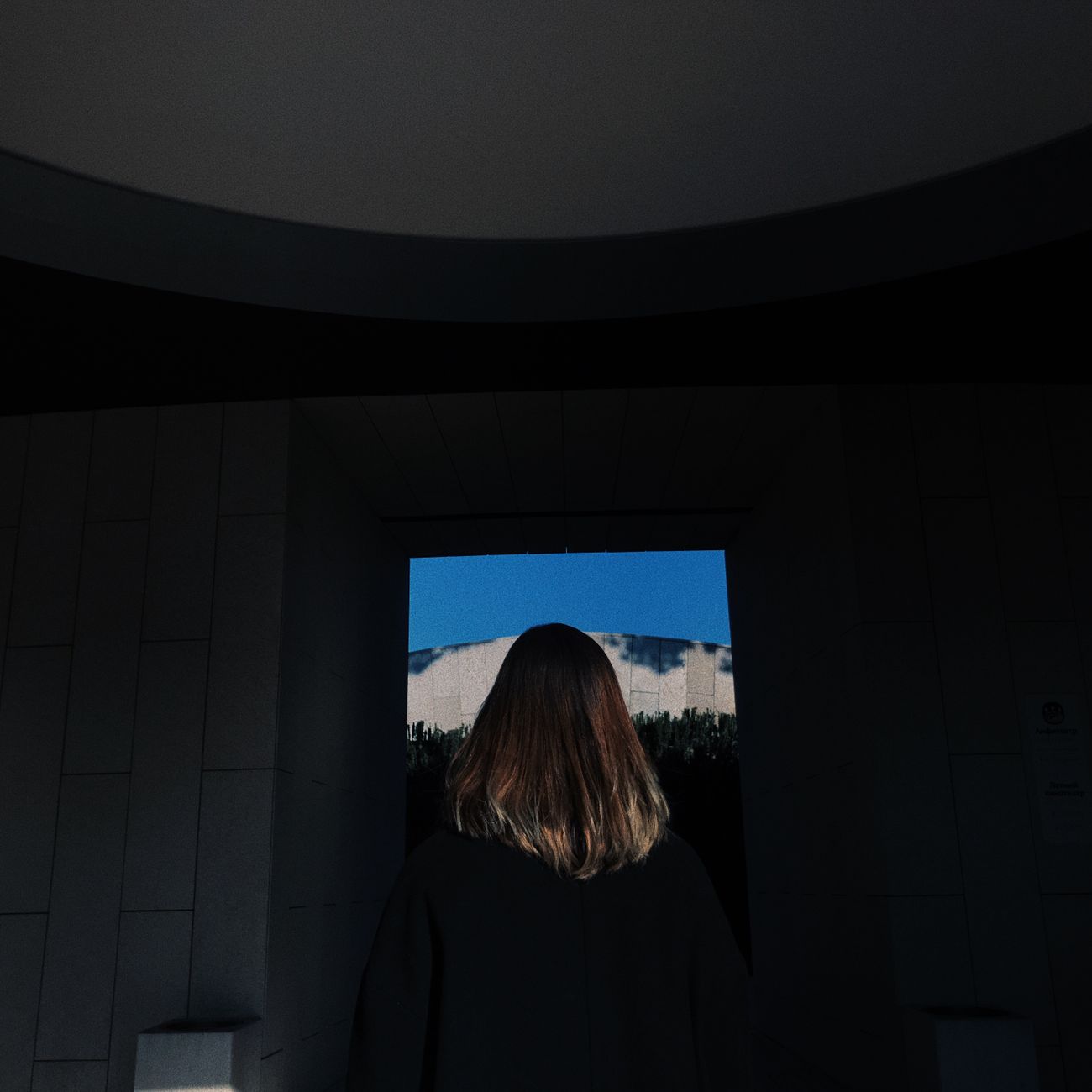
Visitor Experience Design is a multidisciplinary field that focuses on creating meaningful and memorable experiences for visitors in various settings, such as museums, parks, and cultural attractions. At its core, Visitor Experience Design is about understanding the needs and desires of visitors and designing experiences that meet those needs. This involves considering the physical environment, the emotional connection, and the cognitive understanding of the visitor. By taking a holistic approach, designers can create experiences that are engaging, informative, and enjoyable for visitors.
Co-creation is a key concept in Visitor Experience Design, as it involves collaborating with visitors to create personalized and meaningful experiences. This can be achieved through various techniques, such as participatory design, where visitors are involved in the design process, or interactive exhibits, where visitors can engage with the content in a hands-on way. Co-creation can also involve technology, such as mobile apps or virtual reality experiences, that allow visitors to customize their experience and interact with the content in new and innovative ways.
One of the key challenges in Visitor Experience Design is understanding the diverse needs and preferences of visitors. Visitors come from different cultural backgrounds, have different abilities, and have different interests. Designers must consider these differences when creating experiences, and strive to create inclusive and accessible environments that cater to the needs of all visitors. This can involve providing multilingual signage, wheelchair accessibility, and audio descriptions for visitors with visual impairments.
Slow Tourism is a concept that emphasizes the importance of slowing down and appreciating the local culture and environment. It involves taking the time to engage with the local community, learn about the history and traditions, and appreciate the natural beauty of the area. Slow Tourism is often associated with rural areas, where visitors can experience the authentic way of life and connect with the local community. However, it can also be applied to urban areas, where visitors can explore the hidden gems and local neighborhoods.
Immersive Travel is a type of travel that involves fully engaging with the local culture and environment. It involves immersing oneself in the local way of life, learning about the customs and traditions, and participating in local activities. Immersive Travel can involve staying with local families, participating in workshops and classes, and engaging with the local community. It can also involve volunteering for local projects and conservation efforts, which can provide a sense of purpose and meaning to the travel experience.
The design process for Visitor Experience Design involves several stages, including research, concept development, and evaluation. The research stage involves understanding the needs and desires of visitors, as well as the context and environment in which the experience will take place. The concept development stage involves generating ideas and prototypes for the experience, and the evaluation stage involves testing and refining the experience based on visitor feedback.
One of the key tools used in Visitor Experience Design is storytelling. Storytelling involves using narratives and anecdotes to convey information and create an emotional connection with visitors. It can involve using multimedia elements, such as videos and audio recordings, to bring the story to life. Storytelling can also involve interactive elements, such as games and quizzes, that encourage visitors to engage with the story and become a part of it.
Another key concept in Visitor Experience Design is wayfinding. Wayfinding involves providing visitors with clear and concise information about the location and layout of the attraction. It can involve using signage and maps to help visitors navigate the space, as well as technology, such as mobile apps and digital displays, to provide visitors with real-time information and updates.
The evaluation of Visitor Experience Design is crucial to understanding the impact and effectiveness of the experience. Evaluation can involve using quantitative methods, such as surveys and questionnaires, to collect data on visitor satisfaction and engagement. It can also involve using qualitative methods, such as interviews and focus groups, to gather more in-depth and nuanced insights into the visitor experience.
Co-creation is a key aspect of Visitor Experience Design, as it involves collaborating with visitors to create personalized and meaningful experiences. Co-creation can involve participatory design, where visitors are involved in the design process, or interactive exhibits, where visitors can engage with the content in a hands-on way.
Slow Tourism and Immersive Travel are closely related concepts that emphasize the importance of slowing down and appreciating the local culture and environment. Slow Tourism involves taking the time to engage with the local community, learn about the history and traditions, and appreciate the natural beauty of the area. Immersive Travel involves fully engaging with the local culture and environment, and can involve staying with local families, participating in workshops and classes, and engaging with the local community.
The benefits of Visitor Experience Design are numerous, and can include increased satisfaction and engagement among visitors, as well as improved learning outcomes and retention of information. Visitor Experience Design can also have economic benefits, such as increased revenue and job creation, as well as social benefits, such as increased community engagement and cultural preservation.
The challenges of Visitor Experience Design are also numerous, and can include the need to balance education and entertainment, as well as the need to cater to diverse visitor needs and preferences. Visitor Experience Design can also be resource-intensive, requiring significant investments of time, money, and personnel. Additionally, Visitor Experience Design must often navigate complex and dynamic contexts, such as changing technologies and environmental conditions.
The future of Visitor Experience Design is likely to be shaped by emerging technologies, such as artificial intelligence and virtual reality, which will provide new opportunities for immersive and interactive experiences. The future of Visitor Experience Design will also be shaped by changing demographics and preferences, such as the growing demand for sustainable and responsible tourism practices. As the field of Visitor Experience Design continues to evolve, it is likely that we will see new and innovative approaches to creating meaningful and memorable experiences for visitors.
The application of Visitor Experience Design principles can be seen in a wide range of settings, from museums and parks to theme parks and resorts. Visitor Experience Design can be used to create immersive and interactive exhibits, such as virtual reality experiences or hands-on activities. It can also be used to design wayfinding systems and navigational tools, such as maps and signage.
The evaluation of Visitor Experience Design is a critical component of the design process, as it provides feedback and insights into the effectiveness of the experience.
The importance of Visitor Experience Design cannot be overstated, as it has the power to transform the way we experience and interact with the world around us. By creating meaningful and memorable experiences, Visitor Experience Design can inspire and educate visitors, while also promoting cultural preservation and environmental sustainability. As the field of Visitor Experience Design continues to evolve, it is likely that we will see new and innovative approaches to creating immersive and interactive experiences that engage and inspire visitors.
The role of technology in Visitor Experience Design is becoming increasingly important, as it provides new opportunities for immersive and interactive experiences. Technology can be used to create virtual reality experiences, mobile apps, and digital exhibits that engage and educate visitors. It can also be used to provide wayfinding and navigational tools, such as maps and signage, that help visitors navigate the physical space.
The impact of Visitor Experience Design on the environment is a critical consideration, as it can have both positive and negative effects. On the one hand, Visitor Experience Design can promote environmental sustainability by encouraging visitors to appreciate and protect the natural environment. On the other hand, it can also contribute to environmental degradation by increasing traffic and pollution. As such, it is essential to consider the environmental impact of Visitor Experience Design and to strive for sustainable and responsible practices.
The relationship between Visitor Experience Design and culture is complex and multifaceted. On the one hand, Visitor Experience Design can promote cultural preservation by showcasing local traditions and customs. On the other hand, it can also contribute to cultural homogenization by promoting standardized and commercialized experiences. As such, it is essential to consider the cultural context of Visitor Experience Design and to strive for authentic and responsible representations of local culture.
The future of Visitor Experience Design will be shaped by a range of Factors, including emerging technologies, changing demographics, and shifting values and preferences. As the field continues to evolve, it is likely that we will see new and innovative approaches to creating immersive and interactive experiences that engage and inspire visitors. The future of Visitor Experience Design will also be shaped by the need to balance education and entertainment, as well as the need to cater to diverse visitor needs and preferences.
The application of Visitor Experience Design principles can be seen in a wide range of settings, from museums and parks to theme parks and resorts. It can also be used to design wayfinding systems and navigational tools, such as maps and signage, that help visitors navigate the physical space.
The role of storytelling in Visitor Experience Design is critical, as it provides a way to convey information and create an emotional connection with visitors. Storytelling can involve using multimedia elements, such as videos and audio recordings, to bring the story to life. It can also involve using interactive elements, such as games and quizzes, that encourage visitors to engage with the story and become a part of it.
The impact of Visitor Experience Design on the local community is a critical consideration, as it can have both positive and negative effects. On the one hand, Visitor Experience Design can promote local economic development by encouraging visitors to spend money in the local economy. On the other hand, it can also contribute to gentrification and displacement of local residents. As such, it is essential to consider the impact of Visitor Experience Design on the local community and to strive for sustainable and responsible practices.
The relationship between Visitor Experience Design and sustainability is complex and multifaceted.
Key takeaways
- Visitor Experience Design is a multidisciplinary field that focuses on creating meaningful and memorable experiences for visitors in various settings, such as museums, parks, and cultural attractions.
- This can be achieved through various techniques, such as participatory design, where visitors are involved in the design process, or interactive exhibits, where visitors can engage with the content in a hands-on way.
- Designers must consider these differences when creating experiences, and strive to create inclusive and accessible environments that cater to the needs of all visitors.
- It involves taking the time to engage with the local community, learn about the history and traditions, and appreciate the natural beauty of the area.
- It can also involve volunteering for local projects and conservation efforts, which can provide a sense of purpose and meaning to the travel experience.
- The concept development stage involves generating ideas and prototypes for the experience, and the evaluation stage involves testing and refining the experience based on visitor feedback.
- Storytelling can also involve interactive elements, such as games and quizzes, that encourage visitors to engage with the story and become a part of it.