
Introduction To Art Therapy
Art therapy is a specialised form of psychotherapy that uses the visual arts as a primary means of communication and expression. In the context of teaching art to special needs students, art therapy provides a framework for understanding ho…
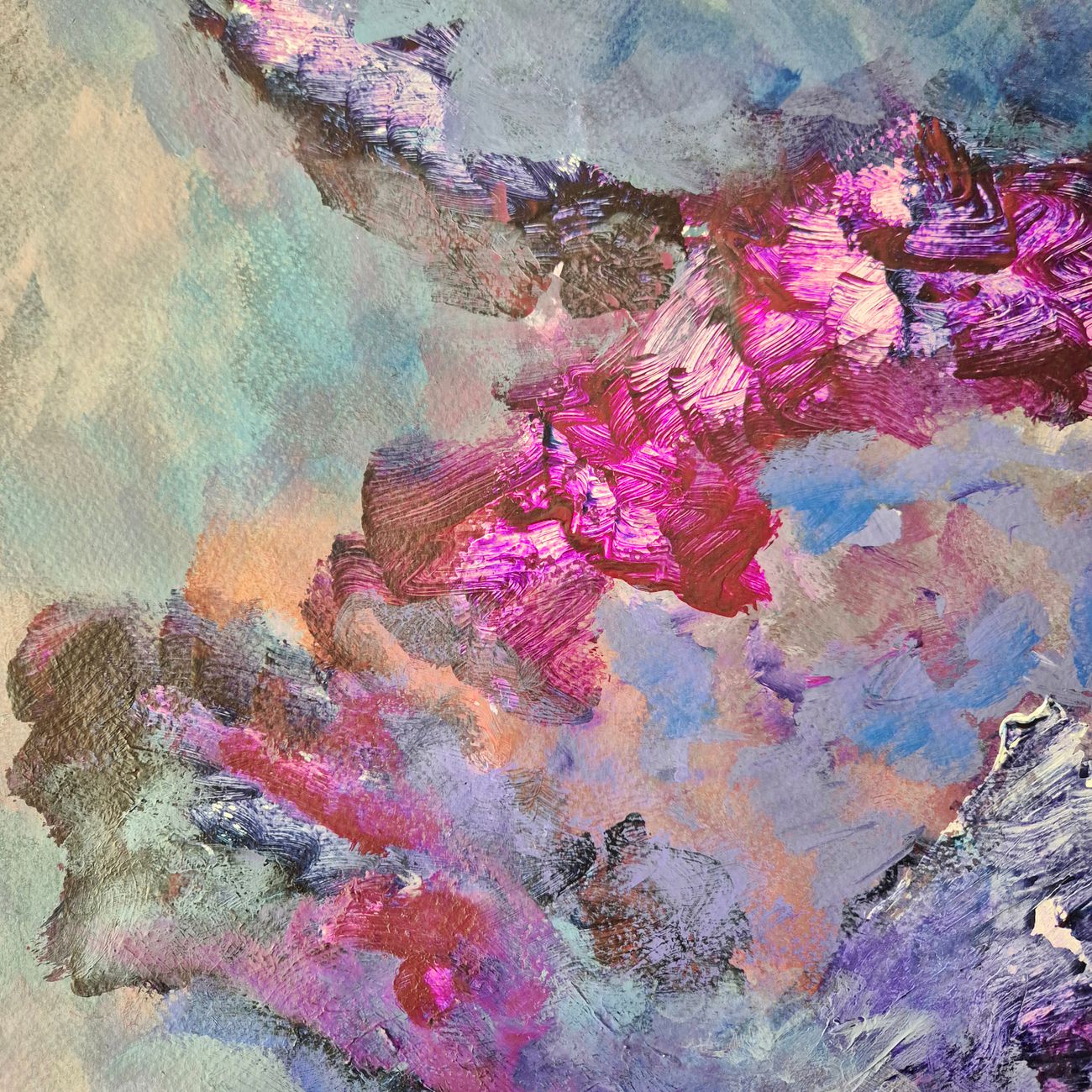
Art therapy is a specialised form of psychotherapy that uses the visual arts as a primary means of communication and expression. In the context of teaching art to special needs students, art therapy provides a framework for understanding how creative activities can support emotional, cognitive and social development. The term itself conveys the dual nature of the practice: The artistic component involves the use of colour, line, form and material, while the therapeutic component refers to the intentional, evidence‑based process of facilitating change. When a teacher integrates art therapy principles, the classroom becomes a space where the act of creating is linked to personal insight, coping skill development and relational growth.
Therapeutic relationship describes the professional bond between the facilitator and the learner that is built on trust, empathy and mutual respect. In a special needs setting, this relationship often requires heightened sensitivity to communication differences, sensory preferences and behavioural triggers. A strong therapeutic relationship allows the student to feel safe enough to experiment with new media, to take risks, and to reveal inner experiences that may be difficult to verbalise. For example, a pupil with limited spoken language may use a collage of torn newspaper to indicate feelings of fragmentation; the teacher’s attentive response validates the expression and deepens the relational bond.
Creative process refers to the series of mental and physical actions that lead from an initial idea to a finished artwork. It includes stages such as brainstorming, planning, material selection, execution, reflection and revision. In art therapy, the emphasis is placed on the process rather than the final product, because the act of making can reveal unconscious material, promote problem‑solving and regulate affect. A teacher might ask a student to draw a “storm” to explore moments of anxiety, then guide the learner to add calming elements such as gentle waves, thereby illustrating how the process can model emotional regulation.
Symbolism is the use of visual elements to represent deeper, often unconscious, meanings. Symbols can be culturally shared (e.G., A heart for love) or personally constructed (e.G., A broken chain for freedom). Recognising symbolism helps the practitioner interpret the emotional content of an artwork and supports the learner in gaining insight. For instance, a child who repeatedly draws a locked door may be expressing feelings of restriction; through discussion, the teacher can help the child explore ways to “open” the door, both literally in the artwork and metaphorically in life.
Projection describes the displacement of internal feelings, thoughts or conflicts onto external objects, including art materials. When a student paints an angry red swirl, the colour and movement may be a projection of inner tension. Identifying projection allows the teacher to address underlying emotions without confronting the student directly, which can be less threatening for learners who have difficulty with verbal articulation.
Process‑oriented approach is a therapeutic stance that prioritises the experience of making art over the evaluation of artistic skill or aesthetic outcome. This approach aligns with the values of inclusive education, where the focus is on personal growth rather than comparison with normative standards. In practice, a teacher might encourage a student to experiment with texture using modelling clay, praising the curiosity and tactile exploration rather than the realism of the final shape.
Non‑verbal communication encompasses gestures, facial expressions, posture and, crucially, the visual language of art. Many special needs students rely heavily on non‑verbal channels to convey needs and emotions. Art provides a rich medium for this communication, allowing learners to bypass linguistic barriers. A teacher might notice that a student consistently uses dark, heavy strokes when feeling overwhelmed; recognising this pattern can inform timely support strategies.
Sensory integration is the process by which the brain organises and interprets sensory input to produce appropriate responses. Art therapy often incorporates sensory‑rich materials—such as sand, textured paper, scented inks—to support sensory integration, particularly for students with sensory processing difficulties. Practical application includes offering a “sensory box” of varied tactile items during a drawing session, enabling the learner to self‑regulate arousal levels while engaging in creative expression.
Visual language denotes the system of signs, symbols and conventions that convey meaning through visual means. Understanding visual language is essential for interpreting student artwork and for teaching art concepts in a way that resonates with diverse learners. For example, teaching the concept of “balance” can be illustrated through a simple seesaw drawing, which then becomes a metaphor for emotional equilibrium.
Psychodynamic perspective in art therapy draws on theories of unconscious processes, early relational experiences and internal conflicts. From this viewpoint, artworks are seen as windows into the inner world, revealing patterns that may stem from childhood attachment or trauma. A teacher employing a psychodynamic lens might explore recurring motifs—such as repeated images of water—as symbolic representations of emotional flow or suppression.
Humanistic perspective emphasizes personal growth, self‑actualisation and the inherent worth of each individual. In a classroom setting, this perspective encourages the teacher to create an environment that nurtures autonomy, choice and authenticity. Allowing students to select their own materials and themes respects their agency, fostering a sense of ownership over the therapeutic process.
Developmental perspective focuses on the stages of cognitive, emotional and social growth that influence how a learner engages with art. Knowledge of developmental milestones guides the selection of age‑appropriate activities. For instance, younger children may benefit from finger painting to develop fine motor skills, while adolescents can explore more abstract concepts such as identity through mixed‑media collages.
Cognitive‑behavioural approach integrates the principles of cognition and behaviour with artistic expression. It posits that thoughts influence emotions and actions, and that altering maladaptive thoughts can lead to healthier behaviours. In practice, a teacher may ask a student to illustrate a “negative thought” as a monster, then collaboratively create a “positive thought” as a superhero, thereby externalising and restructuring the cognitive pattern.
Affect regulation refers to the ability to manage and respond to emotional experiences in a flexible and adaptive manner. Art therapy offers concrete strategies for affect regulation, such as using colour to represent mood states or employing rhythmic drawing to calm physiological arousal. A practical example is a “colour‑mood chart” where a student selects a colour each morning to indicate emotional baseline, then uses that colour in a daily sketch to track changes.
Trauma‑informed practice acknowledges the prevalence of trauma and its impact on learning, behaviour and neurobiology. In an art‑focused classroom, trauma‑informed practice means creating predictable routines, offering choices, and providing safe materials that do not trigger re‑enactment of traumatic experiences. For example, a student who has experienced physical restraint may find the sensation of pressing hard with a paintbrush overwhelming; offering softer brushes or alternative media respects the student’s sensory boundaries.
Medium denotes the material used to create artwork, such as pencil, charcoal, watercolour, collage, digital tools or sculpture. Different media engage distinct sensory pathways and can be selected to match therapeutic goals. A teacher may introduce clay to a student who needs proprioceptive input, while offering watercolours to a learner who benefits from fluid, calming movements.
Material properties refer to the inherent characteristics of artistic supplies—texture, opacity, viscosity, weight, colour intensity—that influence the tactile and visual experience. Understanding these properties enables the teacher to match materials to the learner’s needs. For instance, a student with fine motor difficulty may find thick‑bodied oil pastels easier to grip than delicate water‑based markers.
Safe space is a physical and emotional environment where learners feel protected from judgement, criticism and potential harm. In art therapy, a safe space is characterised by clear boundaries, predictable routines, and the availability of calming resources. Establishing a safe space may involve arranging the studio so that each student has a personal work area, providing noise‑reducing headphones, and setting explicit rules about sharing materials.
Boundaries are the limits that define the professional relationship, the physical environment and the expectations for behaviour. Clear boundaries help maintain therapeutic integrity and protect both the student and the facilitator. In a classroom, boundaries might include scheduled start and finish times for art activities, defined rules for material use, and respectful communication protocols.
Reflective practice is the ongoing process of examining one’s own actions, decisions and emotional responses in order to improve professional competence. Teachers who engage in reflective practice regularly review session notes, seek supervision, and consider how their own biases may affect the therapeutic process. For example, a teacher might notice a tendency to intervene quickly when a student appears frustrated, and reflect on whether allowing the student more time to explore could foster resilience.
Case formulation involves synthesising information about a learner’s history, strengths, challenges, and therapeutic goals into a coherent narrative that guides intervention planning. In the context of art therapy, case formulation integrates observations of artistic expression, behavioural patterns, and contextual factors such as family dynamics or school support. A well‑constructed case formulation helps the teacher set realistic objectives, choose appropriate media, and monitor progress.
Assessment in art therapy includes both formal and informal methods of gathering information about a learner’s needs, abilities and responses to artistic interventions. Tools may consist of visual rating scales, portfolio reviews, observation checklists, and structured interviews. An example of an informal assessment is a “feelings thermometer” where a student places a sticker on a visual scale to indicate current emotional intensity before beginning a drawing task.
Intervention refers to the specific therapeutic actions taken to address identified needs and achieve set goals. In an art‑focused educational setting, interventions may range from guided imagery drawing, collaborative mural projects, to sensory‑rich sculpture workshops. The choice of intervention is informed by the case formulation, the student’s preferred learning style, and the therapeutic orientation of the teacher.
Outcome measures are the criteria used to evaluate the effectiveness of an intervention. In art therapy, outcome measures can be quantitative (e.G., Reduction in anxiety scores) or qualitative (e.G., Increased self‑expression observed in artwork). Teachers may employ pre‑ and post‑session questionnaires, behavioural logs, or thematic analysis of art pieces to capture change over time.
Play therapy is a related modality that uses play as a medium for emotional expression and healing. While play therapy often involves toys and dramatization, art therapy overlaps by allowing creative play with visual materials. Understanding the distinction and synergy between the two enhances the teacher’s ability to select the most appropriate modality for each learner.
Multimodal expression acknowledges that individuals communicate through a combination of visual, auditory, kinesthetic and verbal channels. Incorporating multimodal activities—such as adding music to a painting session or encouraging movement while shaping clay—supports holistic development and caters to diverse sensory preferences.
Group dynamics describe the interpersonal processes that occur when learners work together in a shared artistic project. Group art therapy can foster peer support, empathy, and social skills, yet it also presents challenges such as managing conflict, ensuring equitable participation, and maintaining individual therapeutic focus. A teacher might structure a group mural by assigning each student a distinct colour palette, then guiding the group to blend sections, thereby promoting cooperation while preserving personal agency.
Individualised Education Plan (IEP) is a legally binding document in the United Kingdom that outlines specific educational goals, accommodations and support strategies for a learner with special needs. Integrating art therapy into an IEP requires aligning therapeutic objectives with academic targets, documenting progress, and collaborating with multidisciplinary teams. For example, an IEP goal might state “increase ability to identify and verbalise emotions,” and the art therapist can contribute by using colour‑emotion mapping activities as evidence of attainment.
Behavioural support plan outlines strategies to prevent, manage and reduce challenging behaviours. Art therapy can be embedded within such a plan as a proactive tool for emotional regulation. A teacher may note that a student’s escalation is often preceded by a refusal to engage with a particular material; the plan could therefore include a gradual exposure schedule, offering alternative textures that the student finds soothing.
Neurodiversity is the concept that neurological differences such as autism, ADHD, dyslexia and dyspraxia represent natural variations of human cognition rather than deficits. Embracing neurodiversity in art therapy means valuing diverse creative styles, allowing unconventional use of materials, and recognising that atypical sensory preferences can be strengths. A teacher might celebrate a student’s intense focus on pattern creation as a unique artistic voice, rather than perceiving it solely as a classroom management issue.
Self‑advocacy involves the ability to articulate one’s own needs, preferences and rights. Art therapy can empower learners to develop self‑advocacy skills by providing a non‑threatening platform for expression. For instance, after completing a piece that represents a personal boundary, a student may be encouraged to discuss how the visual metaphor relates to real‑world situations, thereby practising articulate communication of personal limits.
Emotional literacy is the capacity to recognise, label, and manage one’s own emotions as well as to understand others’ feelings. Visual arts are an effective conduit for building emotional literacy, especially for learners who struggle with verbal articulation. A practical activity might involve creating a “feelings collage” where students cut out images that represent various emotions, then share their selections with peers, fostering empathic dialogue.
Resilience denotes the ability to bounce back from adversity, adapt to change, and maintain well‑being. Art therapy contributes to resilience by offering a safe outlet for processing stress, by reinforcing problem‑solving through artistic experimentation, and by highlighting personal strengths through the creation of meaningful artwork. A teacher can nurture resilience by celebrating incremental progress, such as a student’s willingness to try a new medium after previous resistance.
Mindfulness is the practice of maintaining present‑moment awareness with an attitude of curiosity and non‑judgement. Integrating mindfulness into art activities can deepen sensory engagement and reduce anxiety. For example, a guided “breathing‑while‑painting” exercise invites the student to synchronise brushstrokes with inhalations and exhalations, fostering a calming rhythm.
Attachment theory explores the emotional bonds formed between a child and primary caregivers and how these patterns influence later relationships. In art therapy, attachment themes may emerge through the use of relational symbols such as hands, bridges, or safe places. A teacher attuned to attachment dynamics can use these symbols to explore trust, dependence and autonomy in a developmentally appropriate manner.
Transference occurs when a learner projects feelings associated with past relationships onto the therapist or teacher. Recognising transference helps the facilitator maintain professional boundaries and use the material therapeutically. For instance, a student who views the teacher as a “parental figure” may become overly compliant or resistant; the teacher can reflect on this dynamic and gently redirect focus to the artwork.
Counter‑transference refers to the therapist’s emotional responses to the client’s material, which can influence the therapeutic process. Teachers must monitor their own reactions—such as feeling protective of a student who reminds them of a younger sibling—to avoid bias and to maintain objectivity. Supervision and reflective practice are essential tools for managing counter‑transference.
Ethical considerations encompass confidentiality, informed consent, cultural sensitivity and professional competence. In a special needs classroom, ethical practice includes obtaining consent from parents or guardians, explaining the purpose of artistic activities in age‑appropriate language, and respecting cultural preferences for colour, symbolism and representation. Teachers must also be aware of safeguarding protocols and report any concerns according to statutory guidelines.
Cultural competence is the ability to understand, respect and effectively work within the cultural contexts of diverse learners. Artistic symbols, colour meanings and preferred media can vary widely across cultures. A culturally competent teacher might ask a student about the significance of a particular pattern before interpreting it, thereby avoiding misattribution and fostering a sense of respect.
Inclusive pedagogy refers to teaching methods that accommodate the full spectrum of learner diversity, ensuring that every student can access, engage with and benefit from the curriculum. Art therapy aligns with inclusive pedagogy by offering multiple entry points—visual, tactile, auditory—and by adapting instruction to individual strengths. Strategies include providing choice boards, offering assistive technology for digital art, and using universal design for learning (UDL) principles.
Universal Design for Learning (UDL) is a framework that advocates for multiple means of representation, expression and engagement. Applying UDL to art therapy might involve presenting instructions both verbally and visually, allowing students to demonstrate understanding through drawing, sculpture or digital media, and providing varied levels of challenge to sustain motivation.
Assistive technology includes devices and software that support learners with physical, sensory or cognitive impairments in creating art. Examples are adaptive grips for crayons, voice‑activated drawing programs, or switch‑controlled digital canvases. Incorporating assistive technology expands participation and ensures that artistic expression is not limited by motor or sensory barriers.
Documentation is the systematic recording of therapeutic sessions, observations, artistic outputs and progress notes. Accurate documentation is essential for tracking outcomes, informing multidisciplinary collaboration, and meeting professional standards. Teachers should capture high‑quality photographs of artwork, note emotional cues observed during creation, and reflect on any shifts in behaviour or communication.
Supervision provides a structured environment for professional support, case discussion and ethical guidance. Regular supervision enables teachers to process emotional impact, refine intervention strategies, and maintain therapeutic effectiveness. In a school setting, supervision may occur with a senior art therapist, a school psychologist, or an external clinical supervisor.
Professional boundaries delineate the limits of the teacher‑student relationship, protecting both parties from role confusion and potential exploitation. Maintaining boundaries includes refraining from sharing personal contact details, avoiding dual relationships (e.G., Being both a therapist and a personal friend), and adhering to the scope of practice defined by the governing professional body.
Scope of practice defines the activities, responsibilities and competencies that a qualified art therapist or teacher is authorised to perform. In the United Kingdom, practitioners must adhere to the standards set by the British Association of Art Therapists (BAAT) and the Health and Care Professions Council (HCPC) where applicable. Understanding scope of practice prevents over‑stepping into clinical domains that require additional qualifications.
Professional registration is the formal recognition of a practitioner’s qualifications, experience and adherence to ethical standards. Registration with bodies such as the BAAT or HCPC confers credibility, ensures accountability, and provides access to continuing professional development (CPD) resources. Teachers pursuing an Executive Certificate in Teaching Art to Special Needs Students may seek registration to enhance their career prospects.
Continuing Professional Development (CPD) involves ongoing learning activities that maintain and enhance professional competence. CPD may include attending workshops on trauma‑informed art practices, completing research courses on neurodiversity, or participating in peer‑review groups that discuss case studies. Engaging in CPD ensures that teachers stay current with evidence‑based interventions.
Evidence‑based practice integrates the best available research, clinical expertise and client preferences to guide therapeutic decisions. In art therapy, evidence‑based practice might involve selecting interventions that have demonstrated efficacy in reducing anxiety for students with autism, while also considering the individual’s personal interests and cultural background.
Research methodology refers to the systematic approach used to investigate the effectiveness of art‑based interventions. Common methodologies include qualitative case studies, quantitative pre‑post designs, mixed‑methods approaches, and participatory action research. Understanding research methodology enables teachers to critically evaluate literature and to contribute to the knowledge base through practice‑based research.
Outcome evaluation is the systematic process of measuring the impact of an intervention against predefined objectives. Evaluation may involve statistical analysis of anxiety scales, thematic analysis of artwork, or observational rating of social interaction. A robust outcome evaluation informs future planning and justifies the inclusion of art therapy within the curriculum.
Program evaluation assesses the overall effectiveness of an art‑therapy program, considering factors such as fidelity of implementation, participant satisfaction, resource utilisation and long‑term sustainability. Evaluation data can be presented to school leadership to secure funding, demonstrate compliance with statutory requirements, and guide strategic improvements.
Multidisciplinary collaboration involves working with professionals from education, psychology, speech‑language therapy, occupational therapy and health services to provide holistic support. Effective collaboration requires clear communication, shared goals, and mutual respect for each discipline’s expertise. For example, an art therapist might coordinate with an occupational therapist to select materials that support both sensory integration and expressive goals.
Family involvement recognises the pivotal role of caregivers in reinforcing therapeutic gains beyond the classroom. Engaging families can include sharing artwork, offering home‑based art activities, and providing psycho‑education about the therapeutic process. A teacher might host a “family art night” where parents and students create collaborative pieces, strengthening relational bonds.
Community resources encompass external organisations, galleries, museums, and therapeutic arts centres that can supplement school‑based art therapy. Partnerships with community resources broaden exposure, provide specialist expertise, and foster cultural enrichment. For instance, arranging a field trip to a local art exhibition can inspire students and contextualise their own creative work.
Advocacy is the act of supporting and promoting the rights and needs of learners with special needs within the educational system and broader society. Art therapists can advocate by presenting evidence of therapeutic outcomes, influencing policy development, and raising public awareness through exhibitions of student artwork that highlight diverse abilities.
Professional identity reflects the self‑concept and values that a practitioner holds regarding their role, expertise and ethical stance. Developing a strong professional identity aids in navigating challenges, maintaining confidence, and fostering a sense of purpose. Reflection on personal motivations for working with special needs students, and alignment with the therapeutic mission, strengthens this identity.
Self‑care is the deliberate practice of maintaining physical, emotional and mental well‑being. Working in art therapy can be emotionally demanding, especially when confronting trauma or intense affect. Teachers should implement regular self‑care routines—such as mindfulness, exercise, peer support groups, and supervision—to prevent burnout and sustain therapeutic efficacy.
Boundary crossings are intentional, temporary deviations from standard boundaries that serve a therapeutic purpose, such as sharing a personal story to model vulnerability. While sometimes beneficial, boundary crossings must be carefully considered, documented and discussed in supervision to avoid confusion or ethical breaches.
Boundary violations are inappropriate or harmful breaches of professional limits, such as engaging in a romantic relationship with a student or disclosing confidential information. Recognising and preventing boundary violations is essential for safeguarding the welfare of learners and maintaining professional integrity.
Resilience building strategies within art therapy might include goal‑setting through visual timelines, celebrating incremental achievements with a “progress wall,” and encouraging problem‑solving through artistic experimentation. These strategies reinforce a growth mindset and empower students to view challenges as opportunities for creativity.
Emotion regulation techniques that can be integrated into art sessions include colour‑coded mood journals, rhythmic drawing to synchronise breath, and tactile grounding exercises using modelling clay. By linking specific techniques to artistic processes, teachers provide concrete tools that students can transfer to non‑art contexts.
Trauma‑sensitive language involves using words and phrases that avoid re‑traumatising the learner and that promote safety. For instance, instead of asking “What made you angry?” A teacher might say “Can you show me how you felt today?” This shift respects the learner’s autonomy and reduces the risk of triggering distress.
Strengths‑based approach focuses on identifying and amplifying the learner’s existing abilities, interests and resources, rather than solely addressing deficits. In art therapy, a strengths‑based approach could involve highlighting a student’s keen eye for detail in pattern work, and using that strength to explore narrative sequencing in a comic‑strip activity.
Empowerment is the process of enabling learners to gain control over their own lives and decisions. Artistic empowerment can be facilitated by offering choices of media, encouraging self‑directed projects, and validating the personal meaning behind each creation. When a student decides to paint a self‑portrait, the act itself reinforces a sense of agency.
Peer modelling occurs when learners observe and imitate the behaviours of classmates. In an art‑therapy context, peer modelling can be harnessed by showcasing a student who successfully uses a calming colour palette, thereby providing a visual exemplar for others. Structured peer‑feedback sessions can further reinforce positive modelling.
Co‑creation involves collaborative artistic processes where two or more individuals contribute equally to a single work. Co‑creation nurtures communication, negotiation and shared responsibility, skills essential for social integration. A teacher might facilitate a joint mural where each student adds a symbolic element representing personal hope, resulting in a collective narrative of resilience.
Reflective dialogue is a conversational technique that encourages learners to articulate thoughts about their artwork, the emotions it evokes, and the process they experienced. Open‑ended questions such as “What do you notice about the way you used colour today?” Invite deeper self‑exploration while respecting the learner’s pace.
Art‑based assessment utilizes the creation of artwork as a means of evaluating developmental milestones, emotional states, or cognitive skills. For example, a drawing task that asks students to depict a familiar scene can reveal perspective‑taking abilities, fine‑motor development, and narrative coherence. Such assessments complement traditional academic evaluations and provide richer insight into the learner’s internal world.
Visual metaphor is a symbolic representation that conveys abstract ideas through concrete images. Teaching students to use visual metaphors—such as drawing a storm to signify inner turmoil—enhances abstract thinking and emotional articulation. Metaphors also serve as therapeutic anchors that can be revisited across sessions to track change.
Symbolic play merges the concepts of play and symbolism, allowing learners to experiment with meaning in a low‑stakes environment. Through symbolic play, a student might build a “bridge” out of blocks to represent a desire for connection, facilitating discussion about social relationships in a tangible way.
Therapeutic alliance is the collaborative partnership formed between facilitator and learner, characterised by mutual trust, agreement on goals, and shared commitment to the therapeutic process. A strong therapeutic alliance predicts positive outcomes and is cultivated through consistent empathy, clear communication and respect for the learner’s autonomy.
Transcultural art therapy acknowledges the influence of cultural contexts on artistic expression and therapeutic processes. Practitioners must be aware of cultural variations in colour symbolism, body representation, and artistic traditions. Engaging with cultural consultants or community elders can enrich the therapeutic relevance of activities.
Psychosocial development encompasses the intertwined growth of psychological and social capacities. Art therapy supports psychosocial development by offering a platform for identity exploration, emotional regulation, and interpersonal skill building. Activities such as creating a “future self” collage encourage forward‑looking thinking and self‑concept consolidation.
Identity formation is the process through which individuals develop a coherent sense of self, including personal values, roles, and affiliations. Art offers a medium for exploring multiple facets of identity, especially for learners whose verbal self‑concept may be underdeveloped. A project that invites students to illustrate “who I am” can reveal strengths, aspirations and cultural heritage.
Self‑esteem reflects an individual’s overall evaluation of personal worth. Positive artistic experiences—such as successfully mastering a new technique or receiving affirming feedback—contribute to enhanced self‑esteem. Teachers should provide balanced praise that recognises effort, creativity and perseverance, rather than solely focusing on technical skill.
Social cognition involves the ability to interpret and respond to social cues, intentions and emotions. Art therapy activities that incorporate perspective‑taking—such as drawing a scene from another person’s viewpoint—strengthen social cognition. Group critiques, when conducted respectfully, also foster empathy and constructive communication.
Executive functioning includes cognitive processes such as planning, inhibition, working memory and mental flexibility. Artistic tasks can be structured to target executive functioning, for example by requiring a student to outline steps before beginning a mixed‑media project, thereby practising sequencing and organisational skills.
Motor planning (praxis) refers to the ability to conceive, organise and execute a sequence of movements. Art therapy provides natural opportunities for motor planning through activities like sculpting, cutting, and brushwork. For learners with dyspraxia, breaking tasks into smaller, observable steps and providing visual prompts can support successful execution.
Fine motor skills involve precise movements of the hands and fingers, essential for tasks such as drawing, writing and manipulating small objects. Repetitive art activities—such as tracing shapes, bead stringing, or detailed pen work—serve as therapeutic exercises to strengthen fine motor coordination.
Gross motor skills encompass larger body movements, which can be incorporated into art therapy through large‑scale installations, body‑based painting, or movement‑linked drawing. Engaging gross motor pathways supports bodily awareness and can be especially beneficial for learners with sensory processing challenges.
Sensory processing describes how the nervous system receives, integrates and responds to sensory information. Art therapy can be tailored to support sensory processing by selecting materials that provide calming (e.G., Soft pastels) or alerting (e.G., Textured sand) input, depending on the learner’s needs. Monitoring the learner’s response to different sensory experiences informs ongoing adaptation.
Self‑regulation is the capacity to monitor and adjust one’s emotional and physiological states. Artistic activities that incorporate rhythmic patterns, breath‑synchronised strokes, or tactile grounding promote self‑regulation. Teachers can embed brief check‑in moments before, during and after art sessions to assess regulation levels.
Emotional expression through art enables learners to externalise feelings that may be difficult to verbalise. Providing a variety of colour palettes and media encourages the exploration of a wide emotional range. For instance, a student may use aggressive, jagged lines to represent anger, then transition to smoother curves to depict calm, illustrating an emotional journey.
Reflective journaling combines written or visual documentation with personal reflection. In an art‑focused setting, learners may keep a “creative journal” where they sketch daily experiences and annotate feelings. This practice fosters metacognition, encourages continuity of therapeutic insight, and creates a tangible record of progress.
Goal setting is the process of establishing specific, measurable, achievable, relevant and time‑bound (SMART) objectives for therapeutic work. In an art‑therapy context, goals might include “increase use of varied colour palettes to represent at least three distinct emotions within four weeks” or “complete a collaborative mural that demonstrates turn‑taking skills.” Clear goals guide intervention planning and outcome evaluation.
Motivation drives engagement and persistence in therapeutic activities. Intrinsic motivation—stemming from personal interest, curiosity or enjoyment—yields deeper involvement than extrinsic rewards. Teachers can enhance intrinsic motivation by offering meaningful choices, connecting art tasks to the learner’s passions, and celebrating personal milestones.
Positive reinforcement involves providing encouraging feedback or tangible rewards following a desired behaviour. In art therapy, reinforcement might include verbal acknowledgement of effort (“I see you tried a new technique”), display of artwork in a communal space, or granting additional time for a preferred activity. Reinforcement should be contingent on the learner’s individual preferences to maximise impact.
Negative reinforcement removes an aversive stimulus after a desired behaviour, thereby increasing the likelihood of that behaviour. For example, if a student feels anxious about loud noises, allowing them to use noise‑cancelling headphones during a painting session can reduce distress and encourage continued participation.
Negative punishment involves withdrawing a pleasant stimulus following an undesired behaviour, thereby decreasing the likelihood of that behaviour. While punitive measures are generally discouraged in therapeutic settings, teachers may employ natural consequences—such as limiting access to preferred materials when disruptive behaviour occurs—while ensuring the response is proportionate and explained.
Positive punishment introduces an aversive stimulus after an undesired behaviour. This approach is rarely appropriate in art‑therapy contexts, as it can damage trust and impede therapeutic alliance. Instead, teachers are encouraged to focus on supportive strategies that reinforce desired behaviours.
Behavioural observation is the systematic recording of a learner’s actions, affect, and interaction patterns during an art session. Observation can be structured (using checklists) or informal (field notes). Detailed observation informs case formulation, guides intervention adjustments, and provides data for outcome measurement.
Functional behaviour analysis examines the antecedents, behaviours, and consequences that maintain challenging actions. By analysing the function of a behaviour—such as seeking sensory input, escaping a task, or gaining attention—teachers can design targeted art‑based interventions that address the underlying need. For instance, a student who repeatedly knocks over paint trays may be seeking proprioceptive input; offering a heavy‑weight modelling clay can satisfy that need more appropriately.
Behavioural modification employs systematic strategies to increase adaptive behaviours and decrease maladaptive ones. In art therapy, modification may involve shaping desired behaviours through successive approximations—e.G., Gradually increasing the length of time a student remains engaged with a drawing task, while providing praise for each incremental step.
Positive behaviour support (PBS) is a proactive framework that focuses on building skills, altering environments, and reinforcing positive behaviours. Integrating PBS with art therapy creates a cohesive approach where artistic activities serve as both skill‑building and reinforcement mechanisms. A PBS plan might include a visual schedule of art tasks, clear expectations, and a token system linked to creative achievements.
Individualised support tailors interventions to the unique profile of each learner, accounting for strengths, challenges, preferences and cultural background. In practice, this could involve adapting a drawing assignment to accommodate a student’s motor limitations by providing a larger grip handle for pencils, or offering a digital tablet for a learner who prefers screen‑based media.
Collaborative goal planning engages the learner, family and multidisciplinary team in establishing shared objectives. By involving the student in goal setting—using visual goal‑cards or simple language—teachers promote ownership and relevance. Family input ensures that goals align with home contexts, enhancing generalisation of skills.
Peer support encourages students to assist one another, fostering community and shared learning. Structured peer support can involve pairing a learner with a “buddy” who models a technique, provides encouragement, or helps manage materials. Peer support not only reinforces social skills but also builds empathy and cooperative attitudes.
Role‑play allows learners to act out scenarios, experimenting with new behaviours in a safe environment. Art‑based role‑play may involve creating characters with puppets or drawing comic strips that depict social interactions. Role‑play helps students rehearse coping strategies, perspective‑taking and conflict resolution.
Therapeutic storytelling combines narrative creation with artistic expression, enabling learners to externalise experiences and re‑author personal narratives. Students might illustrate a story about overcoming a challenge, thereby reinforcing resilience and hope. Storytelling also supports language development and sequential thinking.
Mind‑body connection highlights the interrelationship between mental states and physical sensations. Art activities that emphasise breath, posture, and movement—such as large‑scale body painting—illustrate this connection, helping learners develop bodily awareness and emotional insight.
Embodied cognition posits that cognitive processes are grounded in bodily experiences. Engaging the body through tactile art forms (e.G., Clay modelling) can enhance cognitive flexibility, problem‑solving, and memory. Teachers can design activities that require physical manipulation of materials to support conceptual learning.
Neuroplasticity refers to the brain’s capacity to reorganise and form new neural connections in response to experience. Repeated artistic practice can stimulate neuroplastic changes, particularly in areas related to visual‑motor integration, emotion regulation and executive functioning. Highlighting neuroplasticity reinforces the value of consistent creative engagement.
Self‑reflection is the process of examining one’s own thoughts, feelings and behaviours. In art therapy, self‑reflection can be facilitated through prompts such as “What does this colour mean to you?” Or “How did you feel while shaping this piece?” Encouraging reflective dialogue deepens insight and promotes personal growth.
Professional development encompasses activities that enhance knowledge, skills and competencies. For art‑therapy educators, professional development may include attending conferences on special education, completing certifications in trauma‑informed practice, or participating in research collaborations that explore innovative art‑based interventions.
Research literacy is the ability to locate, evaluate and apply research findings. Developing research literacy enables teachers to critically assess evidence, integrate best practices, and contribute to scholarly discourse.
Key takeaways
- In the context of teaching art to special needs students, art therapy provides a framework for understanding how creative activities can support emotional, cognitive and social development.
- For example, a pupil with limited spoken language may use a collage of torn newspaper to indicate feelings of fragmentation; the teacher’s attentive response validates the expression and deepens the relational bond.
- A teacher might ask a student to draw a “storm” to explore moments of anxiety, then guide the learner to add calming elements such as gentle waves, thereby illustrating how the process can model emotional regulation.
- Recognising symbolism helps the practitioner interpret the emotional content of an artwork and supports the learner in gaining insight.
- Identifying projection allows the teacher to address underlying emotions without confronting the student directly, which can be less threatening for learners who have difficulty with verbal articulation.
- In practice, a teacher might encourage a student to experiment with texture using modelling clay, praising the curiosity and tactile exploration rather than the realism of the final shape.
- A teacher might notice that a student consistently uses dark, heavy strokes when feeling overwhelmed; recognising this pattern can inform timely support strategies.