
Art And Disability
Accessibility refers to the design of art environments, materials, and instructional strategies that enable all learners, regardless of ability, to engage fully with artistic processes. In practice, this may involve providing adjustable eas…
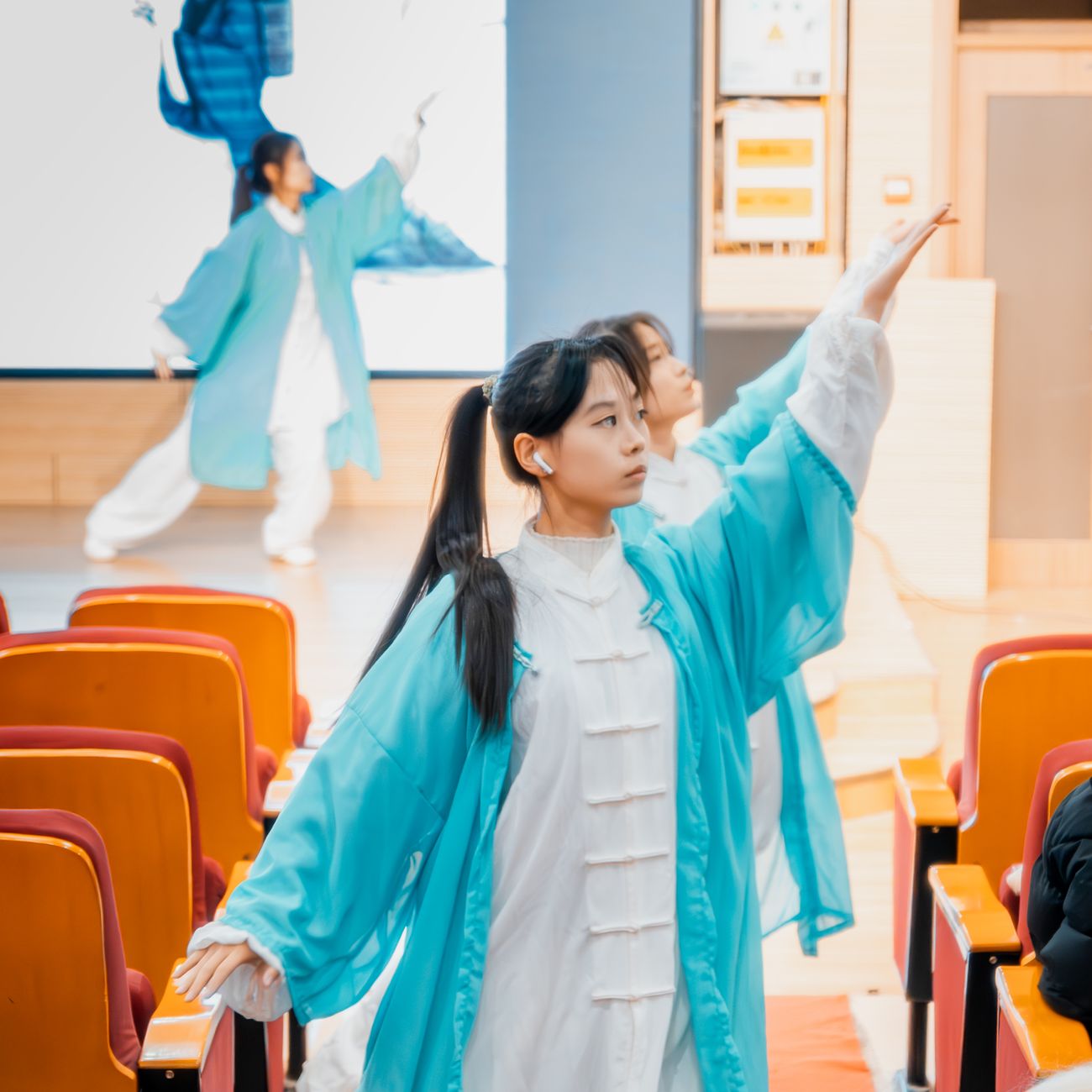
Accessibility refers to the design of art environments, materials, and instructional strategies that enable all learners, regardless of ability, to engage fully with artistic processes. In practice, this may involve providing adjustable easels, wheelchair‑friendly studio layouts, or digital platforms that support screen‑reader technology. A common challenge is ensuring that physical modifications do not unintentionally create new barriers; for example, a low‑height table may benefit students who work seated but could impede those who need a standing workspace. Teachers must therefore assess the spatial dynamics of the studio and negotiate solutions that accommodate a range of postural needs.
Assistive Technology encompasses devices and software that extend or augment a learner’s capacity to create and appreciate art. Examples include stylus pens that reduce the force required for fine‑motor drawing, voice‑activated software for selecting colors, and adaptive switches that trigger digital brushes. When integrating assistive technology, educators should conduct a needs analysis to match the tool with the student’s specific functional profile. A potential pitfall is over‑reliance on technology, which can limit the development of alternative strategies; therefore, a balanced approach that combines technology with traditional methods is advisable.
Universal Design for Learning (UDL) is a framework that promotes flexible learning environments capable of meeting diverse learner needs. In the context of art education, UDL encourages the provision of multiple means of representation (e.G., Visual, tactile, auditory), expression (e.G., Painting, sculpting, digital media), and engagement (e.G., Collaborative projects, solitary exploration). An illustrative application might involve presenting a color theory lesson through a video, a textured color swatch board, and a hands‑on mixing activity. Challenges arise when teachers attempt to implement all three UDL principles simultaneously without adequate planning; incremental integration, beginning with one principle, often yields more sustainable outcomes.
Inclusion denotes the intentional practice of welcoming learners with disabilities into mainstream art activities while respecting their unique contributions. Inclusive classrooms prioritize peer interaction, shared decision‑making, and equitable access to resources. For instance, a mixed‑ability group may co‑create a mural where each student contributes a section using a medium that aligns with their strengths—such as mosaic tiles for a student with limited hand dexterity. The primary obstacle to inclusion is the tendency to view accommodations as add‑ons rather than integral components of the curriculum; reframing accommodations as pedagogical choices helps to overcome this barrier.
Adaptive Materials are art supplies that have been modified to suit the physical or sensory needs of learners. Examples include thick‑handle paintbrushes for students with limited grip strength, high‑contrast markers for those with visual impairments, and scented clay for individuals who benefit from olfactory stimulation. The selection of adaptive materials should be guided by a collaborative assessment involving the student, therapist, and teacher. A common difficulty is the limited availability of commercially produced adaptive supplies, which often necessitates creative DIY solutions, such as attaching foam tubing to standard brushes to increase diameter.
Sensory Processing describes how individuals receive, organize, and respond to sensory input. In art education, sensory processing considerations affect choices of lighting, texture, sound, and spatial arrangement. A student with hyper‑sensitivity to tactile stimuli might prefer smooth, non‑abrasive surfaces, while another with hypo‑sensitivity may seek highly textured materials like sand or rough‑sanded paper. Teachers can conduct sensory profiles to tailor the studio environment, for example, dimming harsh fluorescent lights and providing noise‑cancelling headphones for students who are easily overwhelmed by auditory distractions. The challenge lies in balancing the needs of multiple students whose sensory preferences may conflict; rotating stations or offering individualized sensory kits can mitigate such tension.
Fine Motor Skills involve the coordination of small muscles, particularly those in the hands and fingers, essential for detailed artistic work such as drawing, carving, or precise brushwork. Instructional strategies to support fine motor development include using larger‑grip tools, providing hand‑strengthening activities, and allowing ample time for practice. An example activity is a “dot‑to‑dot” drawing that encourages controlled hand movements while reinforcing shape recognition. Teachers must be cautious not to set expectations that exceed a learner’s current motor capacity, as this can lead to frustration and disengagement.
Gross Motor Skills refer to the larger body movements that facilitate actions like reaching, moving around the studio, or manipulating heavy materials. Art projects that incorporate gross motor involvement—such as large‑scale mural painting, sculptural building with oversized blocks, or collaborative floor‑based collages—can be especially beneficial for students with limited fine motor control but strong whole‑body coordination. A practical challenge is ensuring safety when students move large items; clear pathways, stable work surfaces, and supervised handling protocols are essential.
Visual Arts encompass disciplines that primarily engage sight, including drawing, painting, photography, and printmaking. When teaching visual arts to learners with visual impairments, educators might employ high‑contrast color palettes, enlarged visual references, and tactile outlining techniques. For example, a student with low vision can trace raised lines on a canvas before applying paint, thereby integrating tactile feedback with visual perception. The difficulty often lies in finding appropriate visual aids that are both accessible and pedagogically sound; collaboration with specialist services can yield customized resources.
Tactile Art emphasizes the sense of touch as a primary mode of artistic expression. Materials such as clay, fabric, textured paper, and three‑dimensional modeling tools allow students with visual or auditory impairments to explore form, depth, and composition through hands‑on interaction. A tactile art project might involve creating a “sensory map” where each raised element represents a different terrain feature, encouraging both artistic creativity and spatial reasoning. One challenge is ensuring that tactile artworks remain meaningful to sighted peers; incorporating descriptive labels or audio recordings can bridge this gap.
Multimodal learning integrates multiple sensory channels—visual, auditory, kinesthetic, and tactile—to reinforce concepts. In an art lesson on rhythm, a teacher could combine music, movement, and visual pattern creation. For a student with auditory processing difficulties, the visual representation of rhythm (e.G., Colored bars) provides an alternative pathway to understanding. The primary obstacle to multimodal instruction is the potential for sensory overload; careful sequencing and the provision of quiet zones help maintain a balanced learning environment.
Aesthetic Experience is the personal, emotional, and intellectual response a learner has to an artwork. Encouraging students to articulate their aesthetic experience can deepen engagement and foster critical thinking. Teachers might ask open‑ended questions such as “What does this texture remind you of?” Or “How does the color make you feel?” For learners with communication challenges, alternative response methods—like selecting emoticon cards or using a communication board—enable expression of aesthetic judgments. The difficulty often resides in interpreting non‑verbal responses accurately; ongoing observation and dialogue with the student’s support network are essential for accurate assessment.
Artistic Agency denotes the learner’s sense of control and authorship over their creative output. Providing choices—such as selecting materials, themes, or presentation formats—empowers students with disabilities to assert their artistic identity. An example is offering a palette of both traditional paints and digital drawing tablets, allowing the student to decide which medium best conveys their vision. A common barrier is the misconception that accommodations limit artistic freedom; educators must therefore design flexible options that expand, rather than restrict, creative possibilities.
Collaboration in art projects encourages peer interaction, shared problem‑solving, and social inclusion. Structured collaborative tasks—like joint mural sections, paired sculpture building, or group digital collage—can be adapted to accommodate diverse abilities. For instance, a student with limited speech may contribute by arranging visual elements, while a peer with strong verbal skills describes the conceptual narrative. The main challenge is ensuring equitable contribution; assigning clear roles and rotating responsibilities helps maintain balance.
Curriculum Adaptation involves modifying learning objectives, content, or assessment criteria to align with the abilities and goals of learners with disabilities. In an art curriculum, adaptation might mean simplifying a complex technique into a series of manageable steps or providing alternative assessment methods such as process portfolios instead of final products. Teachers should document each adaptation to maintain transparency and to support ongoing evaluation. A frequent issue is the perception that adapted curricula lower academic standards; framing adaptations as pathways to achieve the same learning outcomes counters this notion.
Individualised Education Plan (IEP) is a legally binding document that outlines specific educational goals, accommodations, and support strategies for a learner with a disability. In art education, the IEP may specify targets such as “demonstrate the ability to mix primary colors using adaptive tools” or “participate in a group art exhibition with peer support.” Teachers must reference the IEP when planning lessons, ensuring that each activity aligns with the stated objectives. A challenge is the dynamic nature of artistic development; regular IEP reviews are necessary to adjust goals as the student’s skills evolve.
Learning Styles refer to preferred ways individuals process information, such as visual, auditory, or kinesthetic preferences. While the concept of learning styles is debated, acknowledging diverse preferences can inform differentiated instruction. In an art class, a kinesthetic learner might benefit from sculpting with clay, whereas a visual learner may prefer drawing from observation. Teachers should avoid rigid categorisation; instead, provide a variety of entry points to accommodate shifting preferences. The difficulty lies in balancing resource constraints while offering multiple modalities.
Multiculturalism in art education acknowledges the diverse cultural backgrounds of learners and integrates culturally relevant artistic practices. For students with disabilities from various cultural contexts, incorporating traditional crafts—such as weaving, pottery, or indigenous painting techniques—can enhance relevance and pride. An example is a project that explores pattern making using motifs from the student’s heritage, adapted with tactile materials if needed. A potential challenge is ensuring cultural authenticity while adapting techniques for accessibility; consulting cultural experts and community members can guide respectful adaptation.
Neurodiversity recognises that neurological differences, such as autism spectrum disorder, ADHD, or dyslexia, constitute natural variations in human cognition. In art classrooms, neurodivergent learners may exhibit unique strengths—such as heightened visual memory or exceptional pattern recognition—that can be harnessed creatively. Teachers can provide structured routines, clear visual schedules, and sensory‑friendly workspaces to support neurodivergent students. The challenge is avoiding pathologising behaviours that are simply expressions of neurodiversity; adopting a strengths‑based perspective promotes empowerment.
Participatory Art engages learners as co‑creators rather than passive observers. Projects that invite community input—such as public installations or collaborative storytelling murals—offer inclusive platforms for expression. When involving students with disabilities, facilitators should ensure that participation mechanisms are accessible, such as allowing contributions via audio recordings, tactile drawings, or digital uploads. A logistical challenge is coordinating diverse contributions within a cohesive final piece; clear project timelines and designated liaison roles can streamline the process.
Portfolio Development involves compiling a collection of a learner’s artworks, reflections, and progress documentation. For students with disabilities, portfolios can include a mixture of visual pieces, audio commentaries, and video demonstrations of technique. Portfolios serve as evidence of growth, support assessment, and can be used for exhibition purposes. Teachers should guide students in selecting representative works and articulating personal meaning, possibly through assisted writing tools. A common obstacle is the time required to curate portfolios; integrating portfolio updates into regular class routines alleviates this pressure.
Process‑Oriented Assessment evaluates the learner’s artistic journey rather than solely the final product. Criteria may include experimentation, problem‑solving, collaboration, and reflection. In a classroom with special needs learners, process assessment acknowledges incremental advances, such as mastering a new grip technique or successfully communicating an artistic idea. Teachers can use observation logs, video recordings, and student self‑assessments to capture process data. The difficulty lies in maintaining objectivity; establishing clear rubrics and involving multiple assessors can enhance reliability.
Reflective Practice encourages educators to examine their teaching decisions, outcomes, and student responses to improve future instruction. For art teachers working with special needs students, reflective practice might involve reviewing the effectiveness of a particular adaptive tool, noting student engagement levels, and adjusting subsequent lesson plans accordingly. Maintaining a reflective journal, seeking peer feedback, and participating in professional learning communities support ongoing development. A barrier is the limited time allocated for reflection; scheduling brief, focused reflection periods after each class can make the habit sustainable.
Representation in art education refers to the ways content is presented to learners, including visual, auditory, and tactile formats. To ensure equitable representation, teachers might provide enlarged images, audio descriptions, and raised‑line drawings of artworks. For example, a lesson on chiaroscuro could include a high‑contrast print, a spoken description of light and shadow, and a tactile model of a three‑dimensional form. Challenges arise when resources are scarce; collaborating with libraries, museums, or digital archives can expand available representations.
Responsive Teaching adapts instructional strategies in real time based on student feedback and observable needs. In a dynamic art classroom, a teacher might notice that a student with sensory sensitivities is disengaged and promptly introduce a soothing background sound or a calming colour palette. Responsive teaching demands acute observation, flexibility, and a repertoire of alternative strategies. The main difficulty is maintaining instructional flow while making adjustments; having pre‑prepared contingency plans can reduce disruption.
Scaffolding provides temporary support structures that enable learners to achieve tasks beyond their current capabilities. In art, scaffolding can involve step‑by‑step demonstrations, guided practice with teacher modeling, and gradually reducing assistance as competence grows. For a student with limited fine motor control, the teacher might first demonstrate a brushstroke while the student holds the brush, then transition to independent practice with a larger‑grip brush. A pitfall is providing excessive scaffolding, which can hinder independence; regular assessment of the learner’s emerging skills guides the appropriate release of support.
Sensory Integration therapy aims to help individuals process and respond to sensory input more effectively. While not a classroom intervention per se, understanding sensory integration principles can inform art lesson planning. For example, incorporating rhythmic tapping activities or textured materials can support students who benefit from proprioceptive input. Teachers should collaborate with occupational therapists to align classroom activities with therapeutic goals. A challenge is ensuring that sensory integration activities remain artistic rather than purely therapeutic; integrating them into the creative process maintains artistic relevance.
Social Model of Disability posits that disability arises from societal barriers rather than individual impairments. In an art context, this model encourages educators to identify and remove environmental, attitudinal, and procedural obstacles that limit participation. Examples include re‑configuring studio layouts to be wheelchair accessible, training staff on inclusive language, and revising assessment criteria to value diverse artistic expressions. Implementing the social model can encounter resistance from entrenched practices; ongoing advocacy and evidence of positive student outcomes help shift perspectives.
Special Educational Needs (SEN) is a broad term encompassing learners who require additional support to access the curriculum due to physical, sensory, cognitive, or emotional differences. In art education, SEN may manifest as a need for modified tools, differentiated instruction, or alternative assessment methods. Teachers should adopt a strengths‑based approach, recognising each learner’s unique artistic potential while providing appropriate accommodations. A common challenge is the variability of needs within a single class; systematic data collection and flexible lesson design are essential for responsiveness.
Strengths‑Based Approach focuses on the learner’s abilities, talents, and interests rather than deficits. In practice, this means identifying a student’s passion for colour mixing, their keen eye for pattern, or their aptitude for digital illustration, and building lessons that capitalize on these strengths. For example, a learner with limited verbal communication may excel in visual storytelling through sequential art. The difficulty lies in balancing strengths with necessary skill development; integrating supportive challenges ensures holistic growth.
Technology‑Enhanced Learning (TEL) leverages digital tools to enrich artistic instruction. Tools such as graphic tablets, virtual reality (VR) painting apps, and online collaborative platforms can provide accessible entry points for learners with physical or sensory limitations. A VR painting program, for instance, allows a student with limited reach to manipulate virtual brushstrokes using head‑tracking technology. However, TEL introduces concerns about digital equity, device maintenance, and potential distractions; establishing clear usage policies and providing alternative non‑digital activities mitigates these risks.
Visual Literacy is the ability to interpret, create, and communicate meaning through visual symbols. Teaching visual literacy to learners with disabilities involves explicit instruction in elements such as line, shape, colour, and composition, often supplemented with tactile or auditory supports. An activity might involve students arranging textured shapes to convey a narrative, followed by a discussion of the visual vocabulary used. A challenge is ensuring that visual literacy instruction does not rely solely on sight; incorporating multisensory strategies ensures accessibility.
Whole‑Child Approach emphasizes the development of the learner’s cognitive, emotional, social, and physical domains. In art education, this translates to designing projects that nurture creativity, self‑esteem, collaboration, and motor development simultaneously. For example, a collaborative sculpture project can foster teamwork, encourage problem‑solving, and improve gross motor coordination through the handling of large materials. The difficulty lies in aligning artistic objectives with broader developmental goals without diluting either; interdisciplinary planning with specialists supports coherence.
Art Therapy uses artistic creation as a therapeutic medium to promote emotional expression and healing. While distinct from classroom art instruction, art therapy principles can inform inclusive teaching practices, especially in supporting students who use art to regulate emotions or process trauma. Teachers might allocate a calm‑down corner with soothing colours, soft textures, and drawing materials for self‑reflection. A key consideration is maintaining professional boundaries; collaboration with qualified art therapists ensures ethical practice.
Community of Practice describes a group of individuals who share a concern or passion for a particular domain and learn through regular interaction. For art educators working with special needs students, a community of practice might include teachers, therapists, parents, and artists who exchange resources, strategies, and success stories. Participation in such networks can provide fresh ideas, peer support, and collective problem‑solving. The challenge is sustaining engagement; setting clear shared goals and meeting regularly promotes longevity.
Creative Confidence reflects a learner’s belief in their ability to generate original ideas and produce artistic work. Building creative confidence involves providing low‑stakes opportunities for experimentation, celebrating effort, and offering constructive feedback. For a student who has previously experienced failure with fine‑motor tasks, introducing a large‑scale, free‑form painting activity can restore a sense of competence. A barrier is the tendency to focus on technical mastery over creative risk‑taking; educators should explicitly value originality and process.
Design Thinking is a problem‑solving approach that encourages empathy, ideation, prototyping, and testing. In art education for learners with disabilities, design thinking can be employed to develop adaptive tools or inclusive projects. For instance, students might collaborate to design a custom‑fit easel that accommodates wheelchair users, iterating based on feedback. The process nurtures critical thinking, collaboration, and real‑world relevance. Challenges include time constraints and the need for cross‑disciplinary expertise; integrating design thinking into longer‑term units can accommodate these demands.
Emotional Regulation involves managing one’s emotional responses to maintain focus and wellbeing. Artistic activities can serve as a conduit for emotional regulation, such as using colour to express mood or engaging in rhythmic brushwork to calm anxiety. Teachers can incorporate brief reflective pauses, breathing exercises, or soothing background music to support regulation. Students with sensory processing challenges may require additional supports, like weighted blankets or tactile fidget tools. The difficulty lies in recognizing early signs of dysregulation; ongoing observation and open communication channels are vital.
Equity in art education ensures that every learner receives fair access to resources, instruction, and opportunities to succeed, acknowledging that fairness does not always mean identical treatment. Equity actions may include providing additional support time for a student who needs extra practice, or allocating budget for specialized adaptive equipment. Equity differs from equality by recognizing divergent starting points. A typical challenge is measuring equity outcomes; data collection on participation rates and achievement gaps assists in evaluating effectiveness.
Experiential Learning emphasizes learning through direct experience, reflection, and application. In an inclusive art classroom, experiential learning might involve field trips to accessible galleries, hands‑on workshops with visiting artists, or community mural projects. Such experiences broaden cultural exposure and offer authentic contexts for skill development. Logistical barriers, such as transportation accessibility and risk assessments, must be addressed through careful planning and collaboration with external partners.
Feedback Loops are mechanisms that allow information about performance to be shared between learner and instructor, facilitating continuous improvement. Effective feedback loops in art education incorporate timely, specific, and actionable comments, often accompanied by visual examples. For a student using a stylus, a teacher might demonstrate a refined line technique on a tablet and then invite the student to replicate it, providing immediate guidance. A potential pitfall is overwhelming the learner with excessive feedback; prioritising a few key focus areas per session maintains clarity.
Goal‑Setting involves establishing clear, measurable, and achievable objectives for artistic development. Goals should be aligned with the learner’s IEP and reflect both skill acquisition and personal aspirations. An example goal could be “demonstrate independent use of a medium‑size brush to create a composition with at least three colour layers within 30 minutes.” Regular review of progress toward goals encourages motivation and accountability. Challenges include setting goals that are both ambitious and realistic; collaborative goal‑setting with the learner enhances relevance.
Hybrid Learning blends face‑to‑face instruction with online components, expanding accessibility and flexibility. In art education, hybrid models might include in‑studio demonstrations complemented by virtual tutorials that can be accessed at the learner’s own pace. For students with mobility constraints, remote participation options ensure continued engagement. However, hybrid learning can exacerbate digital exclusion if reliable internet or devices are lacking; providing loaner equipment and offline alternatives mitigates this issue.
Inclusive Pedagogy refers to teaching methods that respect and respond to the diversity of learners, fostering a sense of belonging. Core principles include differentiated instruction, collaborative learning, and culturally responsive content. In practice, an inclusive art lesson might offer multiple entry points—such as drawing, collage, or digital media—allowing each student to choose a mode that aligns with their strengths. A common obstacle is the misconception that inclusive pedagogy dilutes academic rigor; evidence shows that thoughtful differentiation can raise overall achievement.
Interdisciplinary Integration connects art with other subject areas, enriching learning and providing multiple contexts for expression. For example, a project that visualises scientific data through infographics can involve students with dyscalculia who excel in visual representation. Collaboration with teachers of mathematics, science, or language arts expands the relevance of artistic tasks. The challenge is coordinating curricula across departments and ensuring alignment with assessment standards; joint planning meetings and shared documentation facilitate successful integration.
Learning Outcomes articulate the knowledge, skills, attitudes, and values that learners are expected to demonstrate. In the context of Art and Disability, outcomes may include “apply adaptive techniques to produce a mixed‑media artwork” or “critically evaluate personal artistic choices using accessible language.” Clearly defined outcomes guide instruction, assessment, and curriculum design. A difficulty arises when outcomes are too generic; specificity ensures that accommodations and adaptations are purposeful.
Mentorship involves a more experienced individual guiding a learner’s artistic development. Mentors can be professional artists, senior students, or community volunteers who provide modelling, encouragement, and constructive critique. For learners with disabilities, mentorship can boost confidence, expose them to new techniques, and broaden professional networks. Establishing mentorship relationships requires careful matching of interests and communication styles; ongoing monitoring ensures the partnership remains beneficial.
Motor Planning is the cognitive process that translates an intention into coordinated movement. Difficulties in motor planning can affect a student’s ability to execute precise brushstrokes or sculptural forms. Teachers can support motor planning by breaking tasks into sequential steps, using visual cue cards, and allowing rehearsal time. For example, a student may first practice the motion of moving a brush across a surface on a large sheet before attempting a detailed drawing. The challenge lies in differentiating motor planning deficits from lack of motivation; observation and consultation with occupational therapists aid accurate identification.
Multisensory Instruction engages more than one sense at a time, reinforcing learning through redundancy. In art, this might involve pairing a tactile texture with a corresponding sound (e.G., Crinkling paper) while discussing colour. Multisensory instruction benefits learners with auditory, visual, or tactile processing differences, providing alternative pathways to comprehension. Managing classroom noise levels while delivering multisensory experiences can be challenging; using headphones or designated sensory stations helps maintain focus.
Participatory Design invites learners in the creation of learning environments, tools, and resources. By involving students with disabilities in designing a studio layout or selecting colour palettes for the classroom, educators foster ownership and relevance. A practical example is a workshop where students prototype a portable art kit that meets their specific ergonomic needs. The difficulty lies in balancing professional expertise with learner input; facilitation techniques that encourage equitable contribution ensure productive outcomes.
Professional Development refers to ongoing learning activities that enhance educators’ knowledge, skills, and attitudes. For teachers of art to special needs students, professional development may cover topics such as adaptive tool use, legal frameworks for disability inclusion, and emerging assistive technologies. Engaging in workshops, conferences, and peer observation supports continuous improvement. Time constraints and funding limitations are common barriers; leveraging free online resources and school‑provided training can offset these challenges.
Reflective Journaling is a personal record where teachers document observations, decisions, successes, and areas for growth. In the realm of Art and Disability, reflective journaling can capture nuanced insights about student engagement, the efficacy of adaptations, and emerging patterns. Regular entries encourage metacognition and inform future lesson planning. Maintaining consistency can be difficult amidst a busy teaching schedule; setting aside a brief, scheduled period after each class promotes habit formation.
Self‑Advocacy empowers learners to articulate their needs, preferences, and rights. In an art classroom, self‑advocacy might involve a student requesting a specific type of brush or asking for a quieter workspace. Teachers can cultivate self‑advocacy by modelling assertive communication, providing choice cards, and reinforcing successful requests. A challenge is that some learners may lack confidence or language skills to advocate effectively; scaffolding communication strategies and offering visual prompts can bridge this gap.
Social‑Emotional Learning (SEL) integrates the development of self‑awareness, self‑management, social awareness, relationship skills, and responsible decision‑making into the curriculum. Artistic activities naturally lend themselves to SEL, as they encourage expression, collaboration, and empathy. For example, a collaborative collage about community values can foster discussion of diverse perspectives and shared goals. Implementing SEL requires intentional planning and assessment; aligning SEL objectives with artistic outcomes ensures coherence.
Studio Management encompasses the organisation, safety, and maintenance of the art learning environment. For inclusive studios, management includes ensuring clear pathways for mobility devices, securing materials to prevent hazards, and establishing routines for clean‑up that accommodate varied abilities. A well‑structured studio routine can reduce anxiety for learners who thrive on predictability. Challenges include balancing accessibility with artistic freedom; flexible zoning—such as separate areas for messy media and quiet work—helps accommodate diverse activities.
Student‑Centered Learning places the learner’s interests, needs, and goals at the core of instructional design. In practice, this means allowing students to choose themes, mediums, and evaluation criteria for their projects. For a learner with a passion for music, integrating sound‑responsive visual art can deepen engagement. A potential difficulty is aligning student‑chosen content with curriculum standards; collaborative mapping of objectives to student interests resolves this tension.
Technology Integration involves embedding digital tools within artistic practice to enhance creativity and accessibility. Examples include using iPad apps for digital sketching, 3D printers for producing tactile models, and online galleries for sharing work. Successful integration requires teacher competence, reliable infrastructure, and alignment with artistic goals. Overreliance on technology may marginalise learners who prefer hands‑on media; maintaining a balanced toolkit safeguards inclusivity.
Visual Impairment encompasses a spectrum of conditions that affect sight, ranging from low vision to total blindness. In art education, adaptations for visual impairment may involve high‑contrast materials, enlarged formats, tactile representations, and audio descriptions. For instance, a student with low vision might use a magnifying lamp while working on a detailed drawing. Collaboration with vision specialists ensures that adaptations are appropriately calibrated. A frequent challenge is the tendency to assume uniform needs; individualized assessments are essential.
Workshop Model refers to a teaching format where learners engage in focused, hands‑on activities within a limited time frame, often guided by a specialist. Workshops can be particularly effective for introducing new techniques or adaptive tools to special needs students. A well‑structured workshop includes clear objectives, step‑by‑step demonstrations, guided practice, and reflection. Logistical considerations include ensuring the space is accessible, providing sufficient materials, and accommodating varying skill levels. The challenge lies in pacing; offering differentiated stations allows learners to progress at appropriate speeds.
World‑Wide Web Accessibility ensures that online art resources, portfolios, and learning platforms are usable by individuals with disabilities. Implementing web accessibility standards—such as providing alt‑text for images, captioning videos, and ensuring keyboard navigation—expands the reach of artistic content. Teachers can model best practices by curating accessible digital galleries for student work. A common obstacle is the prevalence of non‑compliant websites; educating students on how to identify and request accessible alternatives promotes digital advocacy.
Artistic Expression denotes the process of communicating ideas, emotions, and experiences through creative media. For learners with disabilities, artistic expression can serve as a primary mode of communication, especially when verbal language is limited. Encouraging diverse forms of expression—such as movement‑based performance art, soundscapes, or tactile sculptures—recognises the breadth of communicative possibilities. A difficulty is that assessment criteria may not capture non‑traditional expressions; developing flexible rubrics that value intention and process addresses this limitation.
Adaptive Curriculum is a curriculum that has been systematically modified to meet the unique learning profiles of students with disabilities. Modifications may involve simplifying language, providing alternative assessment formats, or incorporating assistive technologies. An adaptive curriculum aligns with the learner’s IEP goals while preserving the integrity of artistic standards. The process of adaptation requires ongoing monitoring and revision; collaborative planning with support staff ensures fidelity.
Artistic Process includes the stages of ideation, planning, execution, and reflection. Emphasising the process over the product is especially important for learners who may require additional time to develop technical skills. Teachers can document the process through photo journals, video diaries, or reflective prompts, allowing learners to track growth and identify areas for improvement. A challenge is balancing process documentation with classroom time constraints; integrating documentation into the activity itself—such as taking photos at each step—optimises efficiency.
Behaviour Management involves strategies to maintain a safe, productive, and supportive classroom climate. In inclusive art settings, behaviour management plans should consider sensory triggers, communication needs, and the potential for frustration during challenging tasks. Positive reinforcement, clear visual schedules, and calm‑down areas are effective tools. A frequent pitfall is applying punitive measures that may exacerbate anxiety; restorative approaches that focus on understanding and repairing harm are more appropriate.
Cultural Responsiveness ensures that artistic content, methods, and examples reflect the cultural backgrounds of learners. Incorporating traditional crafts, local narratives, and culturally relevant symbols validates student identities and enriches the learning experience. For a student from a community with a strong textile tradition, integrating weaving techniques into a mixed‑media project can foster connection and pride. Challenges include avoiding tokenism; authentic collaboration with cultural representatives ensures depth and respect.
Designated Support Staff includes teaching assistants, occupational therapists, speech‑language pathologists, and other specialists who collaborate with the art teacher to implement accommodations. Effective coordination requires clear communication, shared documentation, and regular meetings to review progress. For example, an occupational therapist may advise on ergonomic tool adaptations, while a teaching assistant facilitates peer‑mediated collaboration. A common barrier is fragmented communication; establishing a central log or digital platform for updates streamlines information flow.
Digital Portfolio is an online collection of a learner’s artworks, reflections, and multimedia evidence of artistic development. Digital portfolios enable easy sharing with families, peers, and external audiences, and can incorporate accessibility features such as screen‑reader compatibility and captioned videos. For a student with limited handwriting ability, audio commentary can accompany each piece. Maintaining a digital portfolio requires regular updates and data privacy considerations; obtaining informed consent and using secure platforms address these concerns.
Emphasis on Process highlights the importance of learning through doing, experimentation, and iteration rather than focusing solely on final outcomes. This approach aligns with constructivist theories and supports learners who need more time to develop technical proficiency. Teachers can structure lessons with clear process checkpoints, encouraging reflection at each stage. A difficulty is that assessment systems sometimes prioritize product; incorporating process‑based rubrics balances evaluation criteria.
Feedback Literacy refers to the ability of both teachers and learners to give, receive, and act upon feedback effectively. In inclusive art classrooms, feedback literacy involves using language that is clear, specific, and respectful of the learner’s abilities. For instance, instead of saying “that’s not good,” a teacher might say, “I notice you used a strong contrast of dark and light; next time you could try adding a middle tone to create depth.” Developing feedback literacy requires modeling, practice, and reflection. A barrier is the potential for feedback to be perceived as criticism; framing comments within a growth mindset mitigates this risk.
Goal Alignment ensures that lesson objectives, IEP targets, and assessment criteria are coherent and mutually supportive. Aligning goals facilitates purposeful instruction and measurable outcomes. For example, a lesson on colour mixing can directly support an IEP goal of “demonstrate independent use of two‑colour blends.” Regular review of alignment helps identify gaps and adjust instruction accordingly. A challenge is the complexity of juggling multiple goal sets; visual mapping tools can simplify the alignment process.
Inclusive Assessment involves designing evaluation methods that accommodate diverse abilities while maintaining academic standards. Strategies include using rubrics with differentiated criteria, offering oral presentations as alternatives to written critiques, and allowing extended time for complex tasks. For a student with dysgraphia, providing a digital drawing tool in place of a traditional sketchbook preserves the ability to demonstrate artistic concepts. The difficulty lies in ensuring fairness; transparent criteria and consistent application uphold assessment integrity.
Learning Environment encompasses the physical, social, and emotional contexts in which artistic learning occurs. An inclusive learning environment is accessible, supportive, and stimulating. Elements such as adjustable lighting, clear signage, and a welcoming tone contribute to a positive atmosphere. For learners with anxiety, predictable routines and a calm colour scheme can reduce stress. Challenges include balancing the needs of diverse learners; flexible zoning and adaptable resources support varied preferences.
Multimodal Representation offers content through multiple sensory channels, enhancing comprehension for learners with different processing strengths. In art, this could involve presenting a colour theory concept via a visual diagram, a tactile colour swatch board, and an auditory explanation. Multimodal representation reduces reliance on any single sense and promotes inclusive understanding. The main obstacle is the resource intensity of creating multimodal materials; leveraging existing open‑access resources and student‑generated content can alleviate the burden.
Peer‑Mediated Instruction utilizes classmates to model, support, and reinforce learning. In an art class, peers can demonstrate techniques, share tools, and provide constructive critique, fostering a collaborative culture. For a student with limited speech, a peer might help articulate the artistic intention using a communication board. Effective peer‑mediated instruction requires clear role definitions and teacher oversight to ensure that support remains constructive. Potential challenges include managing power dynamics and ensuring that peer support does not inadvertently create dependency.
Professional Boundaries define the appropriate relationship between educators and learners, safeguarding ethical practice. In art education, boundaries involve respecting student autonomy, maintaining confidentiality, and avoiding over‑involvement in personal matters. When working with vulnerable learners, teachers must be vigilant about maintaining professional distance while offering necessary support. Regular supervision and reflective practice help uphold boundaries. A challenge is navigating the fine line between mentorship and personal involvement; clear policies and documentation aid clarity.
Reflective Practice Cycle consists of planning, acting, observing, and reflecting—an iterative process that drives continuous improvement. In an inclusive art context, the cycle may begin with lesson planning that incorporates accommodations, followed by implementation, observation of student responses, and reflection on efficacy. Adjustments are then made for subsequent iterations. The cycle promotes responsiveness and adaptability. A common barrier is insufficient time for reflection; integrating brief reflective pauses within the lesson schedule addresses this issue.
Resource Allocation refers to the distribution of materials, funding, and personnel to support inclusive art instruction. Effective allocation ensures that adaptive tools, assistive technologies, and specialized staff are available where needed. Budget planning should account for ongoing maintenance and replacement of adaptive equipment. A challenge is competing demands for limited resources; advocating for the educational and therapeutic value of art can strengthen funding proposals.
Key takeaways
- A common challenge is ensuring that physical modifications do not unintentionally create new barriers; for example, a low‑height table may benefit students who work seated but could impede those who need a standing workspace.
- A potential pitfall is over‑reliance on technology, which can limit the development of alternative strategies; therefore, a balanced approach that combines technology with traditional methods is advisable.
- Challenges arise when teachers attempt to implement all three UDL principles simultaneously without adequate planning; incremental integration, beginning with one principle, often yields more sustainable outcomes.
- The primary obstacle to inclusion is the tendency to view accommodations as add‑ons rather than integral components of the curriculum; reframing accommodations as pedagogical choices helps to overcome this barrier.
- Examples include thick‑handle paintbrushes for students with limited grip strength, high‑contrast markers for those with visual impairments, and scented clay for individuals who benefit from olfactory stimulation.
- Teachers can conduct sensory profiles to tailor the studio environment, for example, dimming harsh fluorescent lights and providing noise‑cancelling headphones for students who are easily overwhelmed by auditory distractions.
- Fine Motor Skills involve the coordination of small muscles, particularly those in the hands and fingers, essential for detailed artistic work such as drawing, carving, or precise brushwork.