
Puppet-Making Techniques
Puppet-Making Techniques: Puppet-making techniques are essential skills for puppet therapists to create diverse puppets that can be used in therapeutic settings to facilitate communication, self-expression, and emotional healing. These tech…
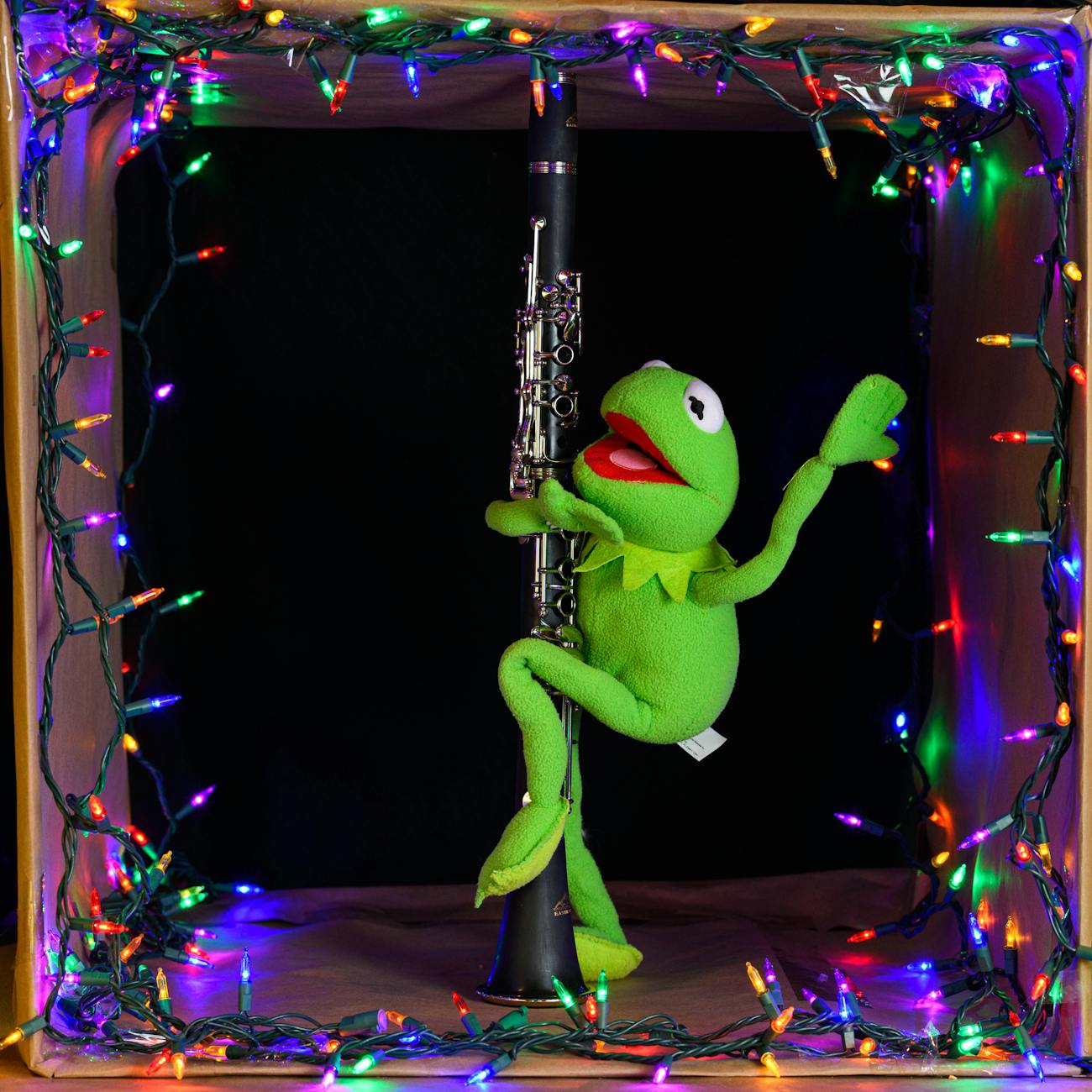
Puppet-Making Techniques: Puppet-making techniques are essential skills for puppet therapists to create diverse puppets that can be used in therapeutic settings to facilitate communication, self-expression, and emotional healing. These techniques involve various processes such as designing, constructing, and manipulating puppets to bring them to life and engage with clients effectively.
Key Terms and Vocabulary:
1. Armature: An armature is a framework or skeleton structure used as a foundation for building a puppet. It provides support and shape to the puppet, allowing the puppeteer to manipulate it easily. Armatures can be made from various materials such as wire, foam, or fabric.
2. Puppet Patterns: Puppet patterns are templates or guides used to cut and sew fabric pieces together to create a puppet. These patterns are essential for ensuring the correct size and shape of the puppet's body parts. They can be customized to create different types of puppets such as hand puppets, rod puppets, or marionettes.
3. Puppet Construction: Puppet construction refers to the process of assembling and connecting different parts of the puppet, including the body, head, arms, and legs. This involves sewing, gluing, or attaching these components together to form a complete puppet. Construction techniques vary depending on the type of puppet being made.
4. Puppet Materials: Puppet materials are the various fabrics, foams, paints, and other supplies used to create puppets. These materials can range from simple felt and yarn to more complex materials like latex or silicone for creating detailed features. Choosing the right materials is crucial for achieving the desired look and functionality of the puppet.
5. Puppet Manipulation: Puppet manipulation refers to the techniques used to bring a puppet to life through movement and expression. This includes controlling the puppet's gestures, facial expressions, and voice to convey emotions and communicate with clients. Puppeteers use different methods such as hand movements, rods, strings, or mechanisms to manipulate puppets effectively.
6. Puppet Design: Puppet design involves the creative process of conceptualizing and visualizing the appearance and character of a puppet. Design elements such as colors, shapes, textures, and features are carefully considered to reflect the puppet's personality and purpose. Designing puppets allows puppet therapists to tailor them to specific therapeutic goals and client needs.
7. Puppet Maintenance: Puppet maintenance is the ongoing care and repair of puppets to ensure their durability and usability. Regular maintenance tasks include cleaning, reattaching loose parts, and replacing worn-out components to keep puppets in good condition. Proper maintenance practices prolong the lifespan of puppets and ensure their effectiveness in therapy sessions.
8. Puppet Performance: Puppet performance refers to the act of presenting and animating puppets in therapy sessions or public engagements. Puppeteers use their skills in manipulation, voice acting, and storytelling to engage audiences and convey messages through puppet characters. Effective puppet performances can evoke emotions, provoke thought, and create meaningful interactions with viewers.
9. Puppetry Techniques: Puppetry techniques encompass a wide range of skills and methods used in puppetry performances. These techniques include lip-syncing, eye focus, body language, and character voice development to enhance the realism and expressiveness of puppets. Puppet therapists can use these techniques to create engaging and impactful puppet interactions with clients.
10. Puppetry Styles: Puppetry styles refer to the different traditions, genres, and approaches to puppetry practiced around the world. Styles can vary based on cultural influences, storytelling techniques, and puppet designs. Common puppetry styles include hand puppetry, shadow puppetry, object puppetry, and experimental puppetry, each offering unique opportunities for creative expression and therapeutic exploration.
11. Puppet Integration: Puppet integration involves incorporating puppets seamlessly into therapy sessions to enhance communication and engagement with clients. Therapists use puppets as tools to facilitate self-expression, role-playing, storytelling, and emotional processing. Effective puppet integration requires careful planning, sensitivity to clients' needs, and skillful puppet manipulation techniques.
12. Puppet Therapy: Puppet therapy is a therapeutic approach that uses puppets as tools to help clients explore and address emotional issues, improve communication skills, and promote self-awareness. Puppet therapists employ various puppetry techniques and interventions to create a safe and supportive environment for clients to engage with their thoughts and feelings. Puppet therapy can be used with individuals, groups, families, or communities to achieve therapeutic goals.
13. Puppet Character Development: Puppet character development involves creating unique personalities, backstories, and traits for puppet characters to make them relatable and engaging. Developing well-rounded puppet characters enhances their ability to connect with clients and convey complex emotions and experiences. Character development is an essential aspect of puppet-making for therapeutic purposes.
14. Puppet Play: Puppet play is a form of creative expression and exploration where clients use puppets to act out scenarios, narratives, or emotions. Through puppet play, clients can externalize their inner experiences, gain insight into their feelings, and practice new ways of coping with challenges. Puppet play allows clients to engage in symbolic communication and storytelling in a non-threatening and playful manner.
15. Puppet Symbolism: Puppet symbolism refers to the use of puppets as symbolic representations of thoughts, feelings, or relationships in therapy. Puppets can serve as metaphors for clients' experiences, allowing them to explore complex issues indirectly through puppet interactions. Understanding the symbolic meaning of puppets is essential for puppet therapists to interpret clients' responses and facilitate therapeutic progress.
16. Puppet Animation: Puppet animation involves creating movement and storytelling sequences using puppets in a filmed or digital format. Animators use techniques such as stop-motion, puppetry, or computer-generated imagery to bring puppet characters to life on screen. Puppet animation can be a powerful tool for visual storytelling and entertainment, as well as therapeutic interventions in puppet therapy.
17. Puppet Building Techniques: Puppet building techniques encompass a variety of methods for constructing puppets from scratch or modifying existing puppets. These techniques include sewing, sculpting, molding, painting, and assembling puppet components to achieve a desired look and functionality. Puppet builders use their skills and creativity to bring puppets to life and meet specific design requirements.
18. Puppet Synchronization: Puppet synchronization refers to the coordination of puppet movements, gestures, and expressions with verbal or non-verbal cues during puppet performances. Synchronizing puppet actions with dialogue or music enhances the realism and impact of puppet interactions with audiences. Puppeteers practice timing, rhythm, and coordination to achieve seamless synchronization in their performances.
19. Puppet Transformation: Puppet transformation involves changing the appearance or function of a puppet to adapt to different roles or scenarios. Transforming puppets may involve adding or removing accessories, altering facial expressions, or adjusting movement patterns to convey different emotions or behaviors. Puppet therapists use transformation techniques to create dynamic and versatile puppet characters for therapeutic purposes.
20. Puppet Improvisation: Puppet improvisation is a spontaneous and creative approach to puppetry where puppeteers respond to unexpected situations or interactions during performances. Improvisation allows puppeteers to adapt to clients' responses, incorporate new ideas, and explore creative possibilities in real-time. Puppet therapists use improvisation techniques to enhance engagement, flexibility, and authenticity in puppet interactions with clients.
21. Puppet Collaboration: Puppet collaboration involves working with other puppeteers, therapists, or artists to create and perform puppetry projects collaboratively. Collaborative puppetry allows for the exchange of ideas, skills, and perspectives to develop richer and more diverse puppet performances. Through collaboration, puppet therapists can expand their creative horizons, learn from others, and create impactful puppetry experiences for clients.
22. Puppet Symbolic Play: Puppet symbolic play is a therapeutic technique where clients use puppets to symbolically represent their thoughts, feelings, or experiences in a non-verbal and imaginative way. Symbolic play allows clients to explore complex or difficult emotions, express themselves creatively, and gain insights into their inner world through puppet interactions. Puppet therapists facilitate symbolic play to support clients in processing and resolving emotional issues.
23. Puppet Art Therapy: Puppet art therapy combines puppetry techniques with art therapy principles to promote healing and self-expression through creative processes. In puppet art therapy, clients use puppets as artistic mediums to explore and communicate their emotions, experiences, and aspirations. By integrating puppetry and art therapy, clients can engage in multi-sensory and multi-modal expressions of their inner world for therapeutic growth.
24. Puppet Storytelling: Puppet storytelling involves using puppets to narrate stories, fables, or personal experiences in a visual and engaging way. Puppet storytellers bring characters to life through puppet manipulation, voice acting, and expressive movements to captivate audiences and convey moral lessons or messages. Puppet storytelling can be a powerful tool for communication, education, and emotional connection in therapy settings.
25. Puppet Therapeutic Alliance: Puppet therapeutic alliance refers to the relationship and connection formed between clients and puppet therapists through puppet interactions. The therapeutic alliance is based on trust, empathy, mutual respect, and collaboration, allowing clients to feel safe and supported in exploring their inner world with puppets. Building a strong therapeutic alliance is essential for fostering positive therapeutic outcomes and client empowerment in puppet therapy.
26. Puppet Reflection: Puppet reflection is a technique where clients use puppets as mirrors to reflect on their thoughts, emotions, and behaviors in a symbolic and non-threatening manner. By projecting themselves onto puppet characters, clients can gain insight into their self-perceptions, motivations, and relational dynamics. Puppet reflection allows clients to explore their inner world from a different perspective and facilitate self-awareness and growth.
27. Puppet Integration Challenges: Puppet integration challenges refer to the obstacles or complexities that may arise when incorporating puppets into therapy sessions effectively. Challenges can include clients' resistance to puppet interactions, technical difficulties in puppet manipulation, or cultural sensitivities around puppet symbolism. Overcoming integration challenges requires flexibility, creativity, and sensitivity to clients' needs to ensure the success of puppet therapy interventions.
28. Puppet Performance Evaluation: Puppet performance evaluation involves assessing the effectiveness and impact of puppet interactions in therapy sessions based on predetermined goals and outcomes. Therapists observe clients' responses, behaviors, and emotional expressions during puppet performances to evaluate the therapeutic progress and effectiveness of interventions. Performance evaluation helps therapists adjust their approach, refine techniques, and tailor interventions to meet clients' needs more effectively.
29. Puppet Making Workshops: Puppet making workshops are educational sessions or training programs where participants learn puppet-making techniques, design principles, and manipulation skills. Workshops provide hands-on experiences, demonstrations, and guidance from experienced puppet makers to help participants create their puppets. Puppet making workshops offer opportunities for skill development, creative expression, and collaboration in a supportive learning environment.
30. Puppet Therapy Research: Puppet therapy research involves studying the effects, benefits, and applications of puppet therapy in various clinical, educational, and community settings. Researchers investigate the therapeutic mechanisms, outcomes, and best practices of using puppets in therapy to inform evidence-based interventions and professional development. Puppet therapy research contributes to advancing the field of puppet therapy and expanding its potential for promoting mental health and well-being.
31. Puppet-Making Tools: Puppet-making tools are specialized equipment and supplies used to create, assemble, and customize puppets. These tools include scissors, sewing needles, glue guns, paintbrushes, and sculpting tools for cutting, sewing, gluing, painting, and shaping puppet materials. Having the right tools is essential for achieving precision, efficiency, and quality in puppet-making processes.
32. Puppet Performance Skills: Puppet performance skills are the abilities and techniques that puppeteers develop to bring puppets to life and engage audiences effectively. These skills include voice modulation, gesture control, character development, and improvisation to create dynamic and expressive puppet performances. Developing performance skills enhances puppeteers' ability to convey emotions, tell stories, and connect with viewers through puppet characters.
33. Puppet Adaptation: Puppet adaptation involves modifying existing puppet designs or techniques to suit specific therapeutic goals, client preferences, or performance contexts. Adaptation may include changing puppet features, movements, or interactions to enhance their effectiveness in therapy sessions. Puppet therapists use adaptation strategies to tailor puppets to clients' needs, cultural backgrounds, or developmental stages for optimal therapeutic outcomes.
34. Puppet Voice Acting: Puppet voice acting is the practice of using vocal expressions, tones, and accents to give personality and character to puppet roles. Voice actors manipulate their voices to match puppet characters' traits, emotions, and motivations, creating believable and engaging performances. Voice acting skills are essential for bringing puppets to life and conveying emotions, intentions, and messages effectively in therapy sessions.
35. Puppet Management: Puppet management involves organizing, storing, and caring for puppets in a systematic and efficient manner to maintain their quality and functionality. Management tasks include labeling puppets, storing them in protective containers, and tracking their condition and usage over time. Effective puppet management ensures that puppets remain accessible, well-maintained, and ready for use in therapy sessions or performances.
36. Puppet Emotion Recognition: Puppet emotion recognition is the ability to perceive, interpret, and respond to emotions conveyed through puppet movements, expressions, and interactions. Therapists and clients develop emotional awareness and empathy by observing and reflecting on puppet characters' emotions and behaviors. Emotion recognition skills help clients identify and express their feelings, improve social skills, and develop emotional intelligence through puppet interactions.
37. Puppet Symbolic Communication: Puppet symbolic communication involves using puppets as symbolic tools to convey thoughts, feelings, and experiences in a non-verbal and creative way. Clients express themselves through puppet interactions, gestures, and narratives to communicate complex or sensitive issues indirectly. Symbolic communication allows clients to explore personal themes, resolve conflicts, and gain insights into their inner world through puppet interactions in therapy.
38. Puppet Movement Analysis: Puppet movement analysis is the process of observing, analyzing, and interpreting puppet movements to understand their meanings, intentions, and emotional expressions. Therapists study puppet gestures, postures, and rhythms to identify patterns, themes, and changes in clients' emotions and behaviors. Movement analysis helps therapists assess clients' non-verbal communication, body language, and emotional responses during puppet interactions for therapeutic insights.
39. Puppet Design Principles: Puppet design principles are the guidelines and aesthetics used to create visually appealing, functional, and expressive puppet characters. Principles such as proportion, balance, symmetry, and contrast inform puppet design decisions to achieve a cohesive and effective look. Understanding design principles helps puppet makers create puppets that resonate with clients, convey emotions, and support therapeutic goals in puppet therapy.
40. Puppet Therapeutic Techniques: Puppet therapeutic techniques are the strategies, interventions, and activities used by puppet therapists to address clients' emotional, cognitive, and social needs in therapy sessions. Techniques such as puppet role-playing, puppet storytelling, puppet reflection, and puppet symbolism help clients explore, express, and process their thoughts and feelings through puppet interactions. Therapeutic techniques leverage the power of puppetry to promote healing, growth, and self-awareness in clients.
41. Puppet Expressive Arts Therapy: Puppet expressive arts therapy combines puppetry with other creative modalities such as visual arts, music, dance, and drama to engage clients in holistic and multi-sensory therapeutic experiences. Expressive arts therapists integrate puppetry into expressive arts processes to foster self-expression, exploration, and integration of emotions and experiences. Puppet expressive arts therapy offers clients diverse ways to communicate, reflect, and transform through artistic and symbolic means.
42. Puppet Therapy Interventions: Puppet therapy interventions are specific activities, exercises, or rituals designed by puppet therapists to address clients' therapeutic goals and needs using puppets. Interventions may include puppet role-playing, puppet dialogue, puppet visualization, or puppet improvisation to engage clients in creative and symbolic expressions. Puppet therapy interventions are tailored to clients' preferences, strengths, and challenges to promote self-discovery, healing, and growth in therapy.
43. Puppet Therapeutic Play: Puppet therapeutic play is a form of play therapy where clients engage in playful and imaginative interactions with puppets to explore, process, and communicate their emotions and experiences. Therapists use puppets as tools to create a safe and supportive play environment for clients to express themselves freely, experiment with new behaviors, and work through challenges. Puppet therapeutic play encourages creativity, spontaneity, and self-expression in clients for therapeutic exploration and healing.
44. Puppet Therapy Assessment: Puppet therapy assessment involves evaluating clients' responses, behaviors, and progress during puppet therapy sessions to monitor outcomes and inform treatment planning. Therapists use observational, self-report, and feedback methods to assess clients' engagement, emotional expression, and therapeutic gains through puppet interactions. Assessment data helps therapists track clients' development, adjust interventions, and measure the effectiveness of puppet therapy in achieving therapeutic goals.
45. Puppet Therapy Training: Puppet therapy training offers professional development opportunities for therapists, educators, and artists to learn puppetry techniques, therapeutic applications, and ethical considerations in puppet therapy. Training programs provide theoretical knowledge, practical skills, and experiential learning in using puppets for therapeutic purposes. Puppet therapy training equips participants with the competencies and confidence to integrate puppetry into their practice and engage clients effectively in therapy settings.
46. Puppet Therapy Supervision: Puppet therapy supervision involves receiving guidance, feedback, and support from experienced puppet therapists or supervisors to enhance clinical skills, self-awareness, and ethical practice in puppet therapy. Supervision sessions offer a reflective space for therapists to discuss cases, explore challenges, and receive mentorship in using puppets effectively in therapy. Puppet therapy supervision promotes professional growth, competence, and ethical conduct in delivering quality puppet therapy services to clients.
47. Puppet Therapy Ethics: Puppet therapy ethics encompass the ethical principles, guidelines, and responsibilities that puppet therapists adhere to in their practice to ensure the well-being, autonomy, and confidentiality of clients. Ethical considerations in puppet therapy include informed consent, client confidentiality, cultural sensitivity, professional boundaries, and therapist self-care. Upholding ethical standards is essential for maintaining trust, integrity, and ethical practice in using puppets for therapeutic purposes.
48. Puppet Therapy Documentation: Puppet therapy documentation involves recording and documenting clients' assessments, progress, interventions, and outcomes in therapy sessions using puppets. Therapists maintain accurate and confidential records of puppet interactions, client responses, and therapeutic goals to track clients' development and inform treatment planning. Documentation practices ensure accountability, continuity of care, and quality assurance in puppet therapy services for clients.
49. Puppet Therapy Supervision: Puppet therapy supervision involves receiving guidance, feedback, and support from experienced puppet therapists or supervisors to enhance clinical skills, self-awareness, and ethical practice in puppet therapy. Supervision sessions offer a reflective space for therapists
Key takeaways
- Puppet-Making Techniques: Puppet-making techniques are essential skills for puppet therapists to create diverse puppets that can be used in therapeutic settings to facilitate communication, self-expression, and emotional healing.
- Armature: An armature is a framework or skeleton structure used as a foundation for building a puppet.
- Puppet Patterns: Puppet patterns are templates or guides used to cut and sew fabric pieces together to create a puppet.
- Puppet Construction: Puppet construction refers to the process of assembling and connecting different parts of the puppet, including the body, head, arms, and legs.
- These materials can range from simple felt and yarn to more complex materials like latex or silicone for creating detailed features.
- Puppet Manipulation: Puppet manipulation refers to the techniques used to bring a puppet to life through movement and expression.
- Puppet Design: Puppet design involves the creative process of conceptualizing and visualizing the appearance and character of a puppet.