
Group Therapy with Puppets
Group Therapy with Puppets
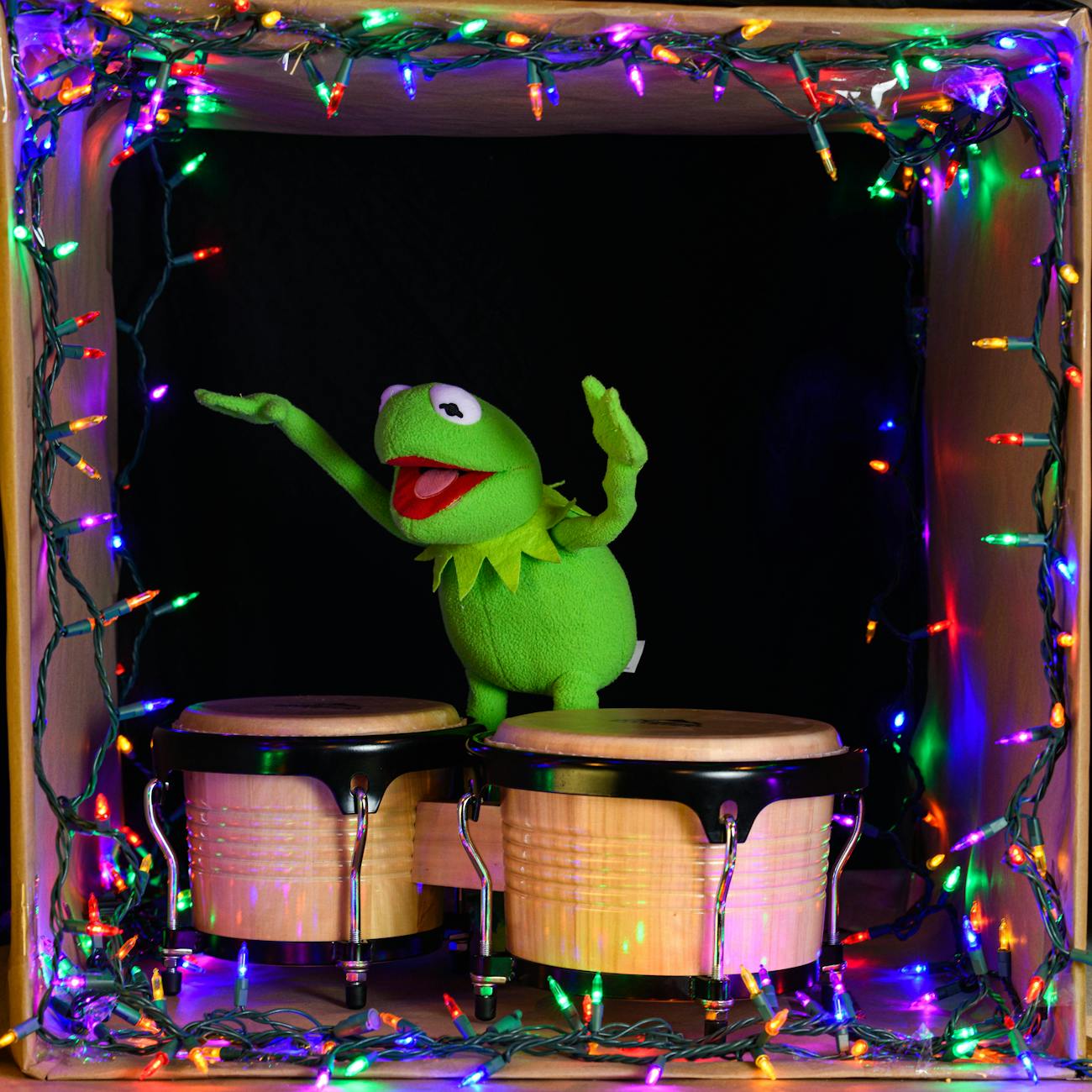
Group Therapy with Puppets
Group therapy with puppets is a powerful therapeutic approach that uses puppets as a medium to facilitate communication, expression, and healing in a group setting. This innovative form of therapy combines the benefits of group therapy with the creative and playful elements of puppetry to create a safe and supportive environment for individuals to explore their thoughts, feelings, and experiences.
Puppets
Puppets are symbolic representations of human or animal figures that are manipulated by puppeteers to convey messages, emotions, and stories. In group therapy with puppets, puppets serve as tools for communication and expression, allowing participants to externalize their inner thoughts and feelings through the puppet characters they create and interact with.
Puppets come in various forms, such as hand puppets, rod puppets, glove puppets, and marionettes. Each type of puppet offers unique possibilities for expression and engagement in group therapy. For example, hand puppets are versatile and easy to manipulate, making them ideal for interactive role-playing activities, while rod puppets can be used to act out more complex scenarios and narratives.
Therapeutic Goals
Group therapy with puppets aims to achieve a variety of therapeutic goals, including:
1. Enhancing communication skills: Puppets provide a non-threatening and creative way for participants to express their thoughts and feelings, improving their ability to communicate effectively with others.
2. Increasing self-awareness: Through puppet play, individuals can explore different aspects of themselves and gain insight into their emotions, behaviors, and relationships.
3. Building social skills: Group therapy with puppets promotes collaboration, teamwork, and empathy among participants, helping them develop positive social skills and interpersonal relationships.
4. Processing trauma: Puppets can be used to reenact and process traumatic experiences in a safe and controlled environment, allowing individuals to work through their emotions and memories.
5. Promoting creativity and imagination: Puppetry encourages participants to tap into their creativity and imagination, fostering self-expression and problem-solving skills.
Benefits of Group Therapy with Puppets
Group therapy with puppets offers a range of benefits for participants, including:
1. Emotional expression: Puppets provide a symbolic outlet for individuals to express and explore their emotions in a safe and supportive environment.
2. Playful engagement: The playful and creative nature of puppetry makes therapy sessions engaging and enjoyable, reducing anxiety and resistance among participants.
3. Increased self-confidence: Through puppet play, individuals can experiment with different roles and identities, boosting their self-esteem and self-efficacy.
4. Enhanced group cohesion: Working with puppets fosters a sense of connection and camaraderie among group members, creating a supportive and cohesive therapeutic community.
5. Therapeutic distance: Puppets create a psychological distance between participants and their issues, making it easier for them to address sensitive or difficult topics.
Applications of Group Therapy with Puppets
Group therapy with puppets can be used in a variety of settings and populations, including:
1. Schools: Puppets can be used in school settings to help children and adolescents develop social skills, emotional regulation, and conflict resolution strategies.
2. Mental health clinics: Group therapy with puppets is effective in treating a wide range of mental health issues, such as anxiety, depression, trauma, and behavioral disorders.
3. Hospitals: Puppets can be used in hospital settings to support patients coping with illness, pain, and medical procedures, providing a creative outlet for emotional expression and healing.
4. Community centers: Group therapy with puppets can be implemented in community centers to promote mental health and well-being among diverse populations, including refugees, immigrants, and marginalized communities.
5. Correctional facilities: Puppets can be used in correctional settings to help inmates develop social skills, emotional intelligence, and conflict resolution strategies, reducing recidivism and promoting rehabilitation.
Challenges of Group Therapy with Puppets
While group therapy with puppets offers numerous benefits, it also presents some challenges, including:
1. Resistance to play: Some participants may feel hesitant or resistant to engage in puppet play, viewing it as childish or frivolous. Therapists need to create a supportive and non-judgmental environment to encourage participation.
2. Emotional intensity: Puppet play can evoke strong emotions and memories in participants, leading to emotional distress or overwhelm. Therapists must be prepared to provide adequate support and containment for individuals experiencing intense emotions.
3. Cultural sensitivity: Puppets may carry cultural or symbolic meanings that differ across diverse populations. Therapists need to be mindful of cultural differences and adapt their approach to ensure that puppets are used respectfully and appropriately.
4. Group dynamics: Working with puppets in a group setting can impact group dynamics, leading to conflicts, power struggles, or disruptions. Therapists should be skilled in managing group processes and addressing interpersonal issues that may arise during therapy sessions.
5. Therapist training: Using puppets in therapy requires specialized training and skills in puppetry, play therapy, and group dynamics. Therapists need to undergo comprehensive training to effectively integrate puppets into their therapeutic practice.
Conclusion
Group therapy with puppets is a unique and effective approach to promoting emotional expression, communication, and healing in a group setting. By harnessing the power of puppetry, therapists can create a safe and playful environment for individuals to explore their inner world, connect with others, and work towards personal growth and transformation. Through careful planning, skillful facilitation, and ongoing training, therapists can harness the transformative potential of puppetry to support individuals on their journey towards healing and well-being.
Key takeaways
- This innovative form of therapy combines the benefits of group therapy with the creative and playful elements of puppetry to create a safe and supportive environment for individuals to explore their thoughts, feelings, and experiences.
- In group therapy with puppets, puppets serve as tools for communication and expression, allowing participants to externalize their inner thoughts and feelings through the puppet characters they create and interact with.
- For example, hand puppets are versatile and easy to manipulate, making them ideal for interactive role-playing activities, while rod puppets can be used to act out more complex scenarios and narratives.
- Enhancing communication skills: Puppets provide a non-threatening and creative way for participants to express their thoughts and feelings, improving their ability to communicate effectively with others.
- Increasing self-awareness: Through puppet play, individuals can explore different aspects of themselves and gain insight into their emotions, behaviors, and relationships.
- Building social skills: Group therapy with puppets promotes collaboration, teamwork, and empathy among participants, helping them develop positive social skills and interpersonal relationships.
- Processing trauma: Puppets can be used to reenact and process traumatic experiences in a safe and controlled environment, allowing individuals to work through their emotions and memories.