
Solar Inverter Technology
Solar Inverter Technology: Solar inverter technology plays a crucial role in the generation of electricity from solar panels. In simple terms, a solar inverter converts the direct current (DC) electricity produced by solar panels into alter…
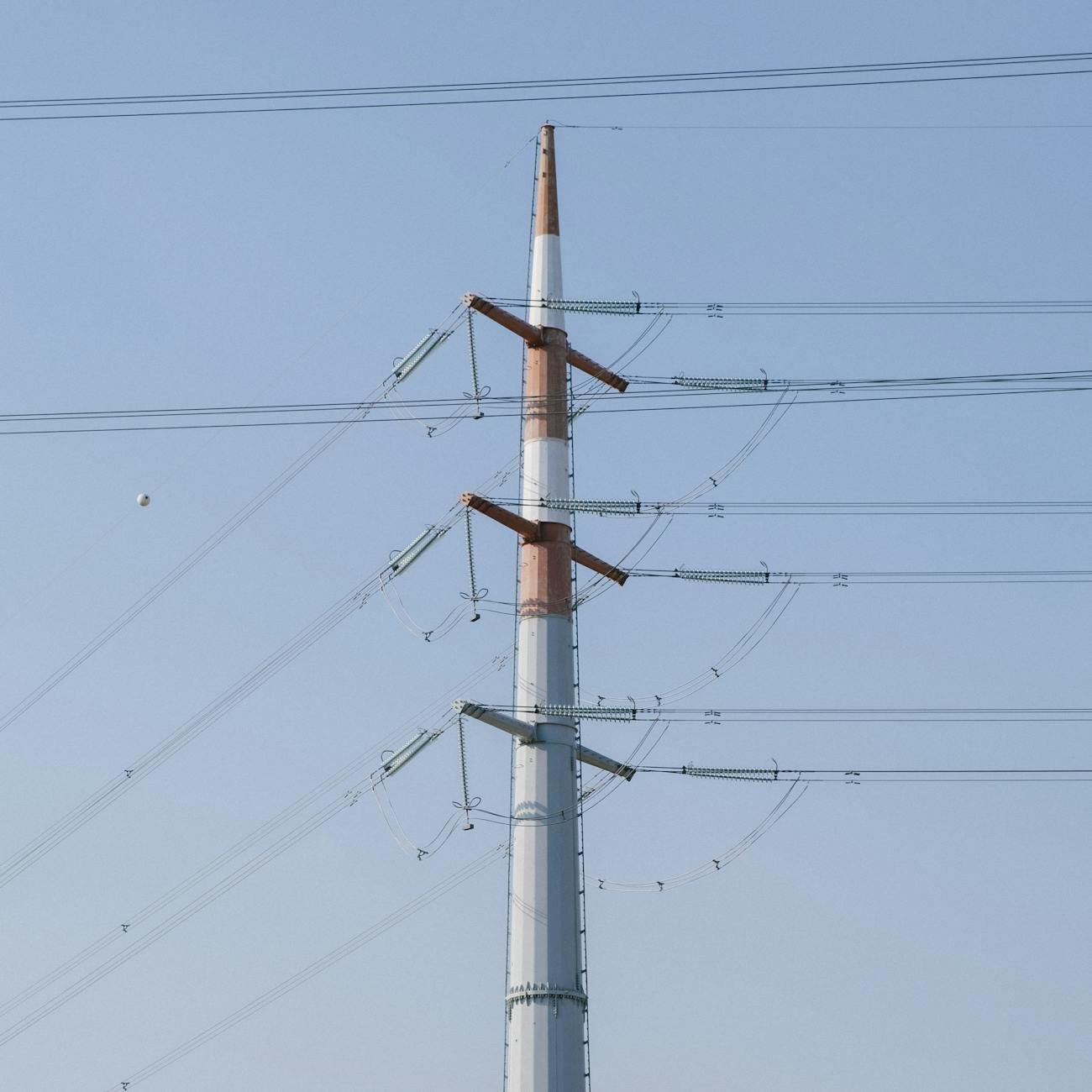
Solar Inverter Technology: Solar inverter technology plays a crucial role in the generation of electricity from solar panels. In simple terms, a solar inverter converts the direct current (DC) electricity produced by solar panels into alternating current (AC) electricity that can be used to power homes, businesses, and other electrical devices.
Key Terms and Vocabulary:
1. Photovoltaic (PV) Panels: PV panels are the primary components of a solar power system. They consist of multiple solar cells that convert sunlight into DC electricity. The amount of electricity generated depends on the intensity of sunlight and the efficiency of the panels.
2. Direct Current (DC): DC is the type of electricity produced by solar panels. It flows in one direction and is typically used in small electronic devices. However, most household appliances and the electrical grid operate on AC electricity.
3. Alternating Current (AC): AC electricity periodically changes direction, making it suitable for powering most household appliances and industrial equipment. Solar inverters convert DC electricity from solar panels into AC electricity for use in homes and businesses.
4. Maximum Power Point Tracking (MPPT): MPPT is a feature found in many modern solar inverters that allows them to optimize the power output of solar panels. By continuously adjusting the voltage and current to find the maximum power point, MPPT ensures that the system operates at peak efficiency.
5. Efficiency: Efficiency is a critical factor in solar inverter technology. It refers to the ratio of output power to input power and is usually expressed as a percentage. Higher efficiency inverters waste less energy and can maximize the amount of electricity generated by solar panels.
6. Grid-Tied Inverters: Grid-tied inverters are connected to the utility grid and allow solar power systems to feed excess electricity back into the grid. This can result in energy savings and even financial benefits through net metering or feed-in tariffs.
7. Off-Grid Inverters: Off-grid inverters are used in standalone solar power systems that are not connected to the utility grid. These inverters are designed to work with batteries to store excess energy for use when sunlight is not available.
8. Microinverters: Microinverters are small inverters that are installed on each individual solar panel. They convert DC electricity to AC electricity at the panel level, which can improve system efficiency and performance, especially in situations where panels are shaded or have different orientations.
9. String Inverters: String inverters are larger inverters that are connected to multiple solar panels in series, forming a "string." These inverters are more cost-effective than microinverters but may be subject to reduced performance if one panel in the string is shaded or underperforming.
10. Power Factor: Power factor is a measure of how effectively a solar inverter converts DC electricity into AC electricity. A power factor of 1 indicates that all the power is being converted efficiently, while a lower power factor can result in energy losses and reduced performance.
11. Reactive Power Control: Reactive power control is a feature of some advanced solar inverters that allows them to manage the flow of reactive power in the electrical system. This can help improve system stability and efficiency, especially in grid-tied applications.
12. Inverter Sizing: Inverter sizing is an important consideration in solar power system design. The capacity of the inverter should match the maximum power output of the solar panels to ensure optimal performance and efficiency.
13. Anti-Islanding Protection: Anti-islanding protection is a safety feature required in grid-tied solar inverters to prevent them from continuing to operate during a power outage. This protects utility workers and prevents damage to the electrical grid.
14. Monitoring and Data Logging: Many modern solar inverters come equipped with monitoring and data logging capabilities that allow users to track the performance of their solar power systems. This data can be used to identify issues, optimize system performance, and maximize energy savings.
15. Grid Support Functions: Grid support functions are features in some solar inverters that allow them to provide ancillary services to the utility grid, such as voltage regulation and frequency control. These functions can help improve grid stability and reliability.
16. Power Quality: Power quality refers to the consistency and reliability of the electricity produced by a solar power system. Solar inverters play a critical role in maintaining power quality by ensuring that the electricity generated meets the required standards for voltage, frequency, and waveform.
17. Surge Protection: Surge protection is essential in solar power systems to protect sensitive electronic equipment from voltage spikes and surges. Solar inverters often include built-in surge protection devices to safeguard the system from damage.
18. Electromagnetic Interference (EMI): EMI is electromagnetic radiation that can interfere with the operation of electronic devices. Solar inverters must comply with EMI standards to ensure that they do not disrupt other electrical equipment or communication systems.
19. Fault Detection and Diagnostics: Fault detection and diagnostics are capabilities built into some solar inverters to identify and troubleshoot issues in the system. These features can help users quickly diagnose problems and minimize downtime in their solar power systems.
20. Remote Monitoring and Control: Remote monitoring and control allow users to access and adjust their solar power systems from a distance. This feature can be especially useful for system owners who want to track performance, receive alerts, and make adjustments to maximize energy production.
21. Power Electronics: Power electronics refer to the technology used in solar inverters to convert and control electrical power. These devices play a critical role in regulating the flow of electricity and ensuring that the system operates safely and efficiently.
22. Thermal Management: Thermal management is essential in solar inverters to prevent overheating and ensure reliable operation. Proper cooling and temperature control can extend the lifespan of the inverter and optimize its performance in varying environmental conditions.
23. Voltage Regulation: Voltage regulation is the process of maintaining a stable voltage output from the solar inverter. Fluctuations in voltage can damage electrical equipment and affect system performance, so precise voltage regulation is crucial for the reliable operation of solar power systems.
24. Frequency Control: Frequency control is the ability of a solar inverter to maintain a consistent output frequency. In grid-tied systems, this is essential for synchronizing with the utility grid and ensuring that the electricity generated is compatible with other sources on the grid.
25. Power Factor Correction: Power factor correction is a technique used in some solar inverters to improve the efficiency of power conversion. By adjusting the phase relationship between voltage and current, power factor correction can reduce energy losses and optimize system performance.
26. Electromagnetic Compatibility (EMC): EMC refers to the ability of a solar inverter to operate without causing interference to other electrical devices. In order to comply with EMC standards, inverters must be designed to minimize electromagnetic emissions and susceptibility to external interference.
27. System Integration: System integration involves the coordination of various components in a solar power system, including solar panels, inverters, batteries, and monitoring devices. Proper system integration ensures that all components work together seamlessly to maximize energy production and efficiency.
28. Energy Storage: Energy storage is becoming increasingly important in solar power systems to store excess electricity for use when the sun is not shining. Solar inverters can work in conjunction with batteries to store and discharge energy as needed, providing backup power and enhancing system flexibility.
29. Grid Resilience: Grid resilience refers to the ability of a solar power system to continue operating during grid outages or disruptions. By incorporating energy storage and grid support functions, solar inverters can help improve the resilience of the electrical grid and provide backup power when needed.
30. Smart Grid Technologies: Smart grid technologies leverage advanced communication and control systems to optimize the integration of renewable energy sources like solar power. Solar inverters with smart grid capabilities can participate in demand response programs, grid balancing, and other energy management initiatives.
31. Cost-Effectiveness: Cost-effectiveness is a key consideration in the selection of solar inverters for a power system. While advanced features and high efficiency can increase the upfront cost of inverters, they can also result in long-term savings through improved energy production and reduced maintenance.
32. Environmental Impact: The environmental impact of solar inverters is an important factor to consider when evaluating their sustainability. Inverters that are energy-efficient, recyclable, and have a low carbon footprint can help minimize the environmental impact of solar power systems.
33. Regulatory Compliance: Regulatory compliance is essential for solar inverters to ensure that they meet safety, performance, and interoperability standards. Inverters must adhere to local and international regulations to be eligible for government incentives, grid connections, and warranty protection.
34. System Performance Monitoring: System performance monitoring allows users to track the output of their solar power systems and identify any issues that may affect performance. By analyzing data from the inverter, users can optimize system operation, troubleshoot problems, and maximize energy production.
35. Inverter Maintenance: Inverter maintenance is necessary to ensure the long-term reliability and performance of a solar power system. Regular inspections, cleaning, and firmware updates can help prevent issues and extend the lifespan of the inverter, reducing the risk of downtime and costly repairs.
36. Power Grid Interconnection: Power grid interconnection refers to the connection of solar power systems to the utility grid. Inverters play a critical role in managing the flow of electricity between the system and the grid, ensuring that power is delivered safely and efficiently.
37. Energy Management Systems: Energy management systems use software and hardware to optimize the operation of solar power systems. By integrating with inverters, these systems can monitor energy production, control energy storage, and adjust system settings to maximize efficiency and savings.
38. Voltage Ride-Through: Voltage ride-through is a feature in some solar inverters that allows them to withstand temporary voltage fluctuations or disturbances on the grid. By maintaining operation during these events, inverters can help stabilize the grid and prevent system shutdowns.
39. Inverter Efficiency Curves: Inverter efficiency curves show the relationship between input power and output power at different operating conditions. By analyzing these curves, users can determine the efficiency of the inverter at various load levels and optimize system performance accordingly.
40. Power Quality Standards: Power quality standards define the acceptable levels of voltage, frequency, and waveform characteristics for electricity supplied to consumers. Solar inverters must comply with these standards to ensure that the electricity they generate meets the required quality criteria.
41. Grid Code Compliance: Grid code compliance refers to the requirements that solar power systems must meet to connect to the utility grid. Inverters must adhere to grid codes to ensure safe and reliable operation, and to prevent issues such as voltage instability or power quality problems.
42. Fault Ride-Through: Fault ride-through is a capability in some solar inverters that allows them to remain connected to the grid during short-term faults or disturbances. By riding through these events, inverters can help maintain grid stability and prevent system disconnection.
43. Cybersecurity: Cybersecurity measures are essential to protect solar inverters from cyber threats and unauthorized access. Inverters with robust cybersecurity features can prevent data breaches, system disruptions, and other security risks that may compromise system performance and reliability.
44. Power Plant Control Systems: Power plant control systems use advanced software and hardware to manage the operation of large-scale solar power plants. Inverters play a key role in these systems by communicating with other components, controlling power flow, and optimizing energy production.
45. Fault Detection Algorithms: Fault detection algorithms are used in some solar inverters to identify and diagnose issues in the system. By analyzing data from sensors and other inputs, these algorithms can detect faults such as overvoltage, overcurrent, or ground faults, allowing for quick resolution and system protection.
46. Remote Firmware Updates: Remote firmware updates allow users to update the software in their solar inverters without the need for on-site visits. This feature can ensure that the inverter operates with the latest features and security patches, improving system performance and reliability.
47. Load Control: Load control is a feature in some solar inverters that allows users to prioritize the use of solar-generated electricity for specific loads or appliances. By adjusting the power output of the inverter based on demand, users can optimize energy consumption and reduce reliance on the grid.
48. Inverter Overload Protection: Inverter overload protection safeguards the inverter from damage caused by excessive current or power output. By automatically shutting down or reducing output in overload conditions, inverters can prevent overheating, component failure, and other issues that may compromise system safety.
49. Inverter Harmonic Filter: Inverter harmonic filters are used to reduce harmonic distortion in the output voltage of solar inverters. Harmonics can cause interference with other electrical equipment and affect power quality, so the use of harmonic filters can help mitigate these issues and ensure smooth operation of the system.
50. Islanding Detection: Islanding detection is a feature in grid-tied solar inverters that monitors the grid for disturbances and disconnects the system if it detects an islanding condition. This safety feature is essential to protect utility workers and prevent damage to the grid during a power outage.
51. Inverter Commissioning: Inverter commissioning is the process of setting up and testing the inverter to ensure that it operates correctly and meets performance specifications. Proper commissioning can help identify issues early, optimize system performance, and ensure compliance with industry standards.
52. Inverter Efficiency Testing: Inverter efficiency testing involves measuring the efficiency of the inverter under various operating conditions to validate performance claims. By conducting efficiency tests, users can verify that the inverter meets the specified efficiency ratings and operates as expected in real-world conditions.
53. Power Electronics Cooling: Power electronics cooling is essential to prevent overheating and ensure the reliable operation of solar inverters. Effective cooling systems can dissipate heat generated during operation, maintain optimal operating temperatures, and extend the lifespan of the inverter components.
54. Remote Troubleshooting: Remote troubleshooting allows technical support personnel to diagnose and resolve issues with solar inverters without the need for on-site visits. By accessing the inverter's data remotely, support teams can quickly identify problems, provide solutions, and minimize system downtime.
55. Inverter Reliability Testing: Inverter reliability testing involves subjecting the inverter to various stress tests and simulations to evaluate its durability and performance under harsh conditions. By testing the inverter's reliability, manufacturers can identify potential weaknesses, improve design, and ensure long-term reliability for end-users.
56. Inverter Lifespan: The lifespan of a solar inverter is an important consideration when selecting a system for a solar power installation. Inverters typically have a lifespan of 10-20 years, depending on factors such as operating conditions, maintenance practices, and quality of components.
57. Inverter Degradation: Inverter degradation refers to the gradual decline in performance and efficiency of the inverter over time. Factors such as heat, humidity, and electrical stress can contribute to degradation, so proper maintenance and monitoring are essential to minimize the impact on system performance.
58. Inverter Warranty: Inverter warranties provide protection against defects, malfunctions, and performance issues during the specified warranty period. When selecting a solar inverter, it is important to consider the length and terms of the warranty to ensure that the system is covered in case of any issues.
59. Inverter Recyclability: Inverter recyclability is an important factor in the environmental impact of solar power systems. At the end of its lifespan, the inverter should be disposed of or recycled in an environmentally friendly manner to minimize waste and reduce the system's carbon footprint.
60. Inverter Disposal: Inverter disposal involves safely removing and disposing of the inverter at the end of its lifespan. Proper disposal methods should be followed to ensure that the inverter components are recycled or disposed of in compliance with environmental regulations and best practices.
61. Inverter Upgradability: Inverter upgradability refers to the ability to update or expand the capabilities of the inverter through software or hardware upgrades. Upgradable inverters can adapt to changing requirements, incorporate new features, and extend their lifespan without the need for complete replacement.
62. Inverter Compatibility: Inverter compatibility is essential to ensure that the inverter works seamlessly with other components in the solar power system. Compatibility issues can lead to performance problems, system errors, and reduced efficiency, so it is important to select inverters that are compatible with the rest of the system.
63. Inverter Mounting and Installation: Inverter mounting and installation are critical steps in the deployment of a solar power system. The inverter should be mounted in a secure location, protected from the elements, and installed according to manufacturer guidelines to ensure safe and reliable operation.
64. Inverter User Interface: The inverter user interface provides users with access to system data, settings, and performance metrics. A user-friendly interface with clear displays, intuitive controls, and remote monitoring capabilities can enhance the user experience and enable efficient system operation.
65. Inverter Data Logging: Inverter data logging records performance data, system events, and error logs for analysis and troubleshooting. By reviewing data logs, users can identify trends, diagnose issues, and optimize system operation to maximize energy production and efficiency.
66. Inverter Remote Access: Inverter remote access allows users to monitor and control the inverter from a remote location. With remote access capabilities, users can adjust settings, receive alerts, and troubleshoot issues without the need for on-site visits, improving system management and maintenance.
67. Inverter Firmware Updates: Inverter firmware updates deliver software improvements, bug fixes, and security patches to the inverter. By keeping the firmware up to date, users can ensure that the inverter operates with the latest features, performance enhancements, and protection against vulnerabilities.
68. Inverter Energy Production Monitoring: Inverter energy production monitoring tracks the amount of electricity generated by the solar power system. By monitoring energy production over time, users can assess system performance, identify inefficiencies, and estimate energy savings and returns on investment.
69. Inverter System Alerts: Inverter system alerts notify users of critical events, errors, or performance issues in the solar power system. By receiving real-time alerts, users can quickly respond to problems, prevent system downtime, and maintain optimal operation of the inverter and the entire system.
70. Inverter Trou
Key takeaways
- In simple terms, a solar inverter converts the direct current (DC) electricity produced by solar panels into alternating current (AC) electricity that can be used to power homes, businesses, and other electrical devices.
- The amount of electricity generated depends on the intensity of sunlight and the efficiency of the panels.
- However, most household appliances and the electrical grid operate on AC electricity.
- Alternating Current (AC): AC electricity periodically changes direction, making it suitable for powering most household appliances and industrial equipment.
- Maximum Power Point Tracking (MPPT): MPPT is a feature found in many modern solar inverters that allows them to optimize the power output of solar panels.
- Higher efficiency inverters waste less energy and can maximize the amount of electricity generated by solar panels.
- Grid-Tied Inverters: Grid-tied inverters are connected to the utility grid and allow solar power systems to feed excess electricity back into the grid.