
Grid-Connected Solar Systems
Grid-Connected Solar Systems: Grid-connected solar systems are photovoltaic (PV) systems that are connected to the main electricity grid. These systems generate electricity from sunlight using solar panels and feed this electricity into the…
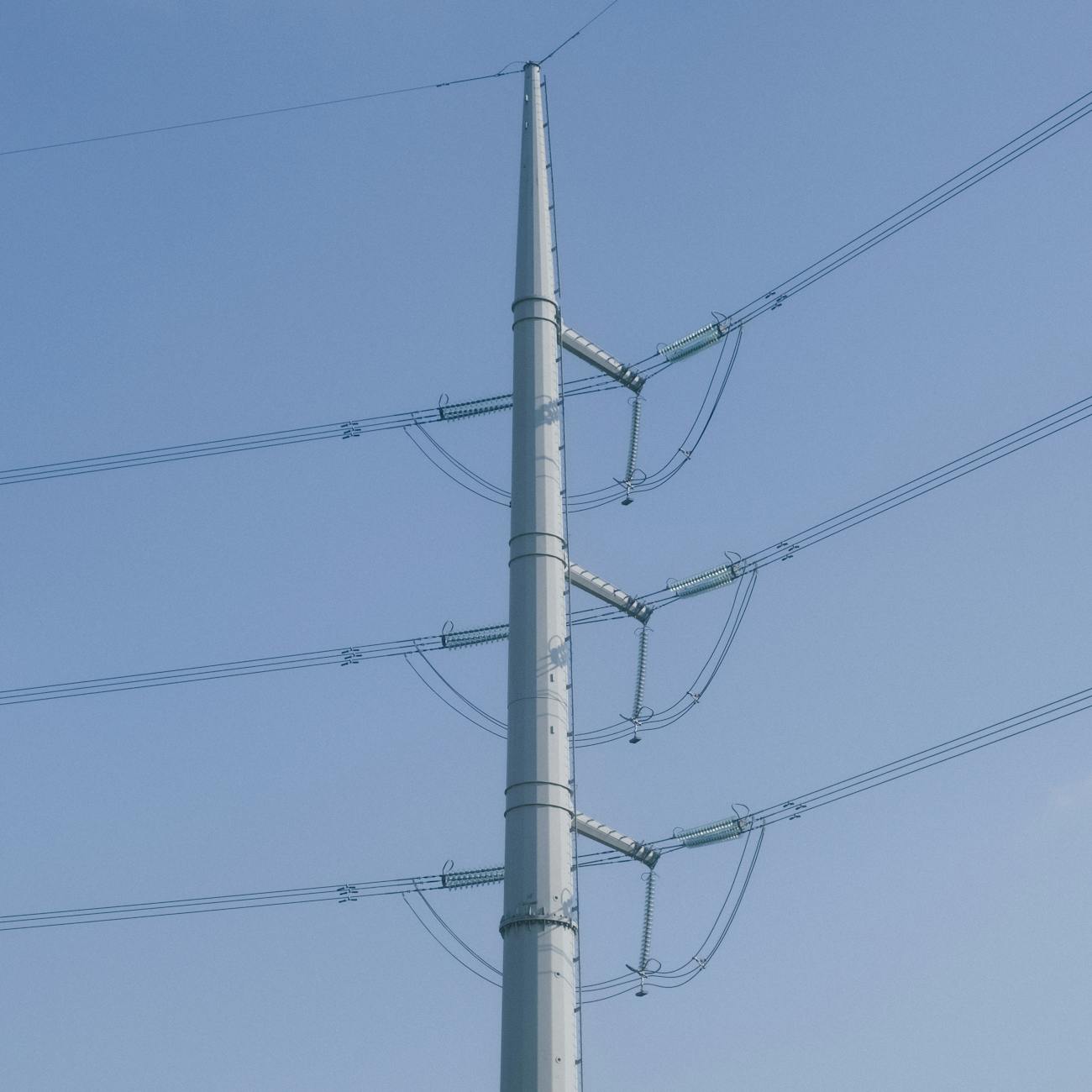
Grid-Connected Solar Systems: Grid-connected solar systems are photovoltaic (PV) systems that are connected to the main electricity grid. These systems generate electricity from sunlight using solar panels and feed this electricity into the grid. They can also draw electricity from the grid when solar production is insufficient, ensuring a reliable and continuous power supply.
Solar Energy: Solar energy is energy derived from the sun's radiation. Solar radiation can be converted into electricity or used for heating purposes through technologies like solar panels and solar thermal systems. Solar energy is a renewable and sustainable source of energy that is abundant and environmentally friendly.
Photovoltaic (PV) System: A photovoltaic system, commonly known as a solar panel system, converts sunlight into electricity using solar cells. These systems consist of solar panels, inverters, mounting structures, and other components. Photovoltaic systems can be grid-connected or off-grid, providing electricity for residential, commercial, and industrial applications.
Grid Connection: Grid connection refers to the connection of a solar system to the main electricity grid. Grid-connected solar systems allow for the bi-directional flow of electricity between the solar system and the grid. This connection enables users to export excess electricity to the grid and import electricity from the grid when needed.
Inverter: An inverter is a crucial component of a grid-connected solar system that converts the direct current (DC) electricity generated by solar panels into alternating current (AC) electricity suitable for use in homes and businesses. Inverters also synchronize the solar system with the grid and ensure the safety and efficiency of electricity transfer.
Net Metering: Net metering is a billing mechanism that allows grid-connected solar system owners to receive credit for the excess electricity they generate and feed into the grid. With net metering, the electricity meter runs backward when the solar system produces more electricity than is consumed, offsetting future electricity bills.
Feed-in Tariff (FiT): A feed-in tariff is a policy mechanism that incentivizes the adoption of renewable energy, including solar power. Under a feed-in tariff, solar system owners are paid a fixed rate for the electricity they generate and feed into the grid. This financial incentive encourages the growth of solar energy installations.
Power Purchase Agreement (PPA): A power purchase agreement is a contract between a solar system owner and a utility or electricity consumer. Under a PPA, the solar system owner agrees to sell electricity generated by the solar system to the buyer at a predetermined price over a specified period. PPAs help finance solar projects and ensure long-term revenue for system owners.
Renewable Energy Credits (RECs): Renewable energy credits are tradable certificates that represent the environmental attributes of renewable energy generation, including solar power. Solar system owners can earn RECs for every unit of electricity generated from renewable sources. These credits can be sold or traded to support renewable energy development.
Smart Grid: A smart grid is an advanced electricity distribution system that incorporates digital technologies to monitor and control the flow of electricity. Smart grids enable seamless integration of renewable energy sources like solar power, improve grid reliability, and support energy efficiency and demand response programs.
Distributed Generation: Distributed generation refers to the generation of electricity from small-scale sources like rooftop solar systems located close to where the electricity is consumed. Distributed generation reduces transmission losses, enhances grid resilience, and promotes a decentralized energy system with increased renewable energy penetration.
Interconnection Standards: Interconnection standards are technical requirements established by utilities and regulatory authorities for connecting renewable energy systems to the grid. These standards ensure the safe and reliable operation of grid-connected solar systems, specify equipment and installation criteria, and outline procedures for grid interconnection.
Peak Demand: Peak demand is the maximum amount of electricity consumed on the grid at a given time. Grid-connected solar systems can help reduce peak demand by generating electricity during periods of high demand, offsetting the need for costly peaking power plants and enhancing grid stability and reliability.
Load Profile: A load profile is a graphical representation of an electricity consumer's energy usage over a specific period. Understanding the load profile is essential for sizing and designing a grid-connected solar system to meet the consumer's energy needs efficiently. Load profiles vary by time of day, season, and consumer behavior.
Balance of System (BOS): Balance of system refers to all components of a solar system other than the solar panels and inverters. BOS components include mounting structures, wiring, combiner boxes, monitoring systems, and other hardware necessary for the safe and efficient operation of a grid-connected solar system.
Maximum Power Point Tracking (MPPT): Maximum power point tracking is a technology used in inverters to optimize the performance of solar panels by continuously adjusting the operating point to maximize power output. MPPT ensures that the solar system operates at its peak efficiency, even under varying sunlight conditions.
Shading Analysis: Shading analysis is a critical aspect of designing a grid-connected solar system to assess the impact of shading from trees, buildings, or other obstructions on solar panel performance. By conducting shading analysis, solar designers can optimize panel placement and orientation to maximize energy production.
System Performance Monitoring: System performance monitoring involves tracking and analyzing the energy production and efficiency of a grid-connected solar system over time. Monitoring systems collect data on solar irradiance, electricity generation, and system health to identify issues, optimize performance, and ensure the system meets its expected output.
Islanding: Islanding occurs when a grid-connected solar system continues to operate independently during a grid outage, creating a safety hazard for utility workers trying to restore power. Anti-islanding measures, such as automatic disconnection of the solar system during grid failure, are essential to prevent islanding and protect the grid.
Energy Storage: Energy storage systems, such as batteries, store excess electricity generated by a grid-connected solar system for later use when solar production is low or during grid outages. Energy storage enhances the self-consumption of solar energy, improves system reliability, and enables off-grid operation in remote locations.
Microgrid: A microgrid is a localized energy system that combines distributed energy resources, including solar power, with energy storage and control technologies to operate independently or in coordination with the main grid. Microgrids enhance energy resilience, support renewable energy integration, and provide backup power during outages.
Virtual Power Plant (VPP): A virtual power plant is a network of interconnected distributed energy resources, such as grid-connected solar systems, energy storage, and demand response systems, managed through a central platform to optimize energy generation, consumption, and trading. VPPs enhance grid flexibility, reduce energy costs, and support grid stability.
Energy Management System (EMS): An energy management system is a software platform that monitors, controls, and optimizes energy consumption and generation in buildings, facilities, or grid-connected solar systems. EMSs integrate data from sensors, meters, and control devices to improve energy efficiency, reduce costs, and support sustainability goals.
Remote Monitoring and Control: Remote monitoring and control systems enable solar system owners and operators to monitor performance, troubleshoot issues, and adjust settings of grid-connected solar systems from a centralized platform. Remote monitoring improves system visibility, reduces maintenance costs, and ensures optimal system operation.
Power Quality: Power quality refers to the stability and reliability of electricity supplied to consumers, including factors like voltage fluctuations, harmonics, and frequency variations. Grid-connected solar systems must meet power quality standards to ensure seamless integration with the grid and prevent adverse effects on electrical equipment.
Grid Stability: Grid stability is the ability of an electricity grid to maintain a balanced supply-demand relationship and withstand disturbances or fluctuations in power generation or consumption. Grid-connected solar systems can impact grid stability through their intermittent nature, requiring advanced control strategies and grid support functions.
Grid Integration: Grid integration involves the seamless incorporation of renewable energy sources, like solar power, into the existing electricity grid infrastructure. Effective grid integration requires coordination between grid operators, regulators, and solar system owners to ensure reliable, efficient, and cost-effective operation of grid-connected solar systems.
Energy Transition: The energy transition refers to the global shift from fossil fuel-based energy systems to renewable energy sources like solar power to reduce greenhouse gas emissions, promote energy security, and mitigate climate change. Grid-connected solar systems play a crucial role in accelerating the energy transition towards a sustainable and low-carbon future.
Regulatory Framework: The regulatory framework includes laws, policies, and regulations that govern the deployment, operation, and integration of grid-connected solar systems within the electricity sector. A supportive regulatory environment is essential to incentivize solar energy investment, ensure grid reliability, and promote sustainable energy development.
Energy Market: The energy market encompasses the buying and selling of electricity, including wholesale markets, retail markets, and ancillary services markets. Grid-connected solar systems participate in energy markets by supplying electricity to the grid, earning revenue through feed-in tariffs, power purchase agreements, and other market mechanisms.
Electricity Tariffs: Electricity tariffs are the pricing structures that determine the cost of electricity for consumers based on consumption levels, time of use, and other factors. Grid-connected solar system owners can benefit from favorable electricity tariffs, such as time-of-use rates or net metering, to maximize savings and increase the return on investment.
Energy Independence: Energy independence refers to the ability of individuals, communities, or countries to meet their energy needs through self-generation from renewable sources like solar power. Grid-connected solar systems enhance energy independence by reducing reliance on fossil fuels, minimizing energy costs, and promoting local energy production.
Decentralized Energy: Decentralized energy systems involve the local generation and distribution of electricity from renewable sources, such as grid-connected solar systems, within communities or regions. Decentralized energy promotes energy resilience, enhances energy security, and empowers consumers to participate in the clean energy transition.
Climate Resilience: Climate resilience refers to the capacity of systems, communities, and ecosystems to withstand and adapt to the impacts of climate change, including extreme weather events, sea-level rise, and temperature fluctuations. Grid-connected solar systems contribute to climate resilience by reducing greenhouse gas emissions, mitigating climate risks, and fostering sustainable development.
Energy Policy: Energy policy encompasses the strategic decisions, regulations, and incentives adopted by governments to shape the energy sector, promote renewable energy deployment, and address energy-related challenges like climate change and energy security. Effective energy policies support the growth of grid-connected solar systems and accelerate the transition to a clean energy future.
Energy Efficiency: Energy efficiency refers to the optimal use of energy to achieve desired outcomes while minimizing waste and reducing energy consumption. Grid-connected solar systems enhance energy efficiency by producing clean electricity on-site, reducing transmission losses, and complementing energy-saving measures in buildings and industries.
Carbon Footprint: A carbon footprint is the total amount of greenhouse gas emissions, particularly carbon dioxide (CO2), produced directly or indirectly by human activities like energy consumption, transportation, and industrial processes. Grid-connected solar systems help reduce carbon footprints by displacing fossil fuel-based electricity generation with clean and renewable solar energy.
Renewable Energy Transition: The renewable energy transition involves the global shift from conventional energy sources like coal, oil, and natural gas to renewable energy technologies, such as solar, wind, and hydropower. Grid-connected solar systems are key drivers of the renewable energy transition, displacing polluting energy sources and advancing sustainable energy development.
Energy Equity: Energy equity refers to ensuring that all individuals and communities have access to affordable, reliable, and clean energy services, regardless of socioeconomic status or geographic location. Grid-connected solar systems can promote energy equity by reducing energy costs, creating local job opportunities, and expanding energy access in underserved areas.
Environmental Impact: The environmental impact of grid-connected solar systems includes benefits like reduced greenhouse gas emissions, air pollution, and water consumption compared to fossil fuel-based electricity generation. Solar systems also have environmental considerations, such as land use, materials extraction, and end-of-life disposal, that need to be managed sustainably.
Solar PV System Design: Solar PV system design involves the process of sizing, configuring, and optimizing grid-connected solar systems to meet specific energy requirements, site conditions, and regulatory standards. Design considerations include solar resource assessment, shading analysis, equipment selection, and electrical layout to ensure a reliable and efficient solar installation.
Energy Storage Integration: Energy storage integration involves the incorporation of battery storage systems with grid-connected solar systems to store excess energy for later use, improve self-consumption, and provide backup power. Storage integration enhances system flexibility, resilience, and economic viability, particularly in regions with high solar penetration.
Grid Resilience: Grid resilience refers to the ability of an electricity grid to withstand and recover from disruptions, such as extreme weather events, cyber-attacks, or equipment failures. Grid-connected solar systems contribute to grid resilience by diversifying energy sources, enhancing system flexibility, and supporting distributed generation and energy storage.
Energy Transition Challenges: The energy transition faces challenges like policy uncertainties, market barriers, technical constraints, and social acceptance issues that can impede the adoption of grid-connected solar systems and renewable energy technologies. Overcoming these challenges requires collaboration among stakeholders, innovation in technology and finance, and supportive regulatory frameworks.
Solar Energy Financing: Solar energy financing involves the mechanisms and sources of funding used to finance grid-connected solar projects, including residential, commercial, and utility-scale installations. Financing options include loans, leases, power purchase agreements, tax incentives, grants, and other financial instruments that help overcome upfront costs and make solar energy more accessible.
Energy Transition Opportunities: The energy transition presents opportunities for innovation, job creation, economic growth, and sustainable development through the deployment of grid-connected solar systems and other renewable energy solutions. Opportunities include clean energy investments, green jobs, energy access expansion, and climate change mitigation, driving the transition to a low-carbon future.
Grid-Connected Solar System Maintenance: Grid-connected solar system maintenance involves regular inspections, cleaning, and performance checks to ensure the optimal operation and longevity of solar installations. Maintenance tasks include monitoring system performance, replacing faulty components, updating software, and complying with safety and warranty requirements to maximize system efficiency and reliability.
Energy Transition Strategies: Energy transition strategies encompass the policies, technologies, and market mechanisms adopted to facilitate the shift from fossil fuels to renewable energy sources like solar power. Strategies include renewable energy targets, carbon pricing, energy efficiency measures, grid modernization, and public-private partnerships that drive sustainable energy transitions at local, national, and global levels.
Renewable Energy Advocacy: Renewable energy advocacy involves promoting the benefits of renewable energy, including grid-connected solar systems, to policymakers, businesses, communities, and the public. Advocacy efforts raise awareness, build support, and drive action towards accelerating the adoption of clean energy solutions, reducing carbon emissions, and advancing sustainable development goals.
Grid-Connected Solar Systems
Grid-connected solar systems, also known as grid-tied solar systems, are photovoltaic (PV) systems that are connected to the utility grid. These systems allow for the generation of solar electricity to be used on-site and any excess electricity to be exported to the grid. Grid-connected solar systems are the most common type of solar installation due to their ease of installation, cost-effectiveness, and the ability to offset electricity costs.
Key Terms and Vocabulary
1. Photovoltaic (PV) System: A system that uses solar panels to convert sunlight into electricity. PV systems can be grid-connected, off-grid, or hybrid systems.
2. Utility Grid: The interconnected network of power lines and infrastructure that deliver electricity from power plants to consumers. Grid-connected solar systems are directly connected to this grid.
3. Net Metering: A billing arrangement where the excess electricity generated by a grid-connected solar system is fed back into the grid, and the solar system owner receives credits for the electricity they export.
4. Inverter: A device that converts the direct current (DC) electricity generated by solar panels into alternating current (AC) electricity, which is used in homes and businesses.
5. Solar Panels: Devices that contain photovoltaic cells that convert sunlight into electricity. Solar panels are mounted on rooftops or ground-mounted to capture sunlight.
6. Array: A group of solar panels connected together to form a single unit. Arrays can be mounted on rooftops, ground-mounted, or integrated into building structures.
7. kWh (Kilowatt-hour): A unit of energy equal to one kilowatt of power used for one hour. It is the standard unit of measurement for electricity consumption.
8. Peak Sun Hours: The number of hours in a day when the sun's intensity is sufficient to generate electricity. This value is used to calculate the energy output of a solar system.
9. Grid Connection Agreement: An agreement between the solar system owner and the utility company that outlines the terms and conditions of connecting the solar system to the grid.
10. Interconnection: The process of physically connecting a grid-connected solar system to the utility grid. This process involves safety checks, meter installation, and approval from the utility company.
11. Power Purchase Agreement (PPA): A contract between a solar system owner and a utility company where the utility agrees to purchase electricity generated by the solar system at a predetermined rate.
12. Feed-in Tariff (FIT): A policy mechanism where utility companies are required to purchase electricity generated by renewable energy sources at a fixed rate. FITs are designed to promote the development of renewable energy projects.
13. Distributed Generation: The generation of electricity from small-scale sources located near the point of consumption. Grid-connected solar systems are a form of distributed generation.
14. Solar Energy Design: The process of designing a solar system to meet the energy needs of a specific location. This includes determining the size, orientation, and tilt of solar panels.
15. Solar Energy Installation: The process of physically installing a solar system, including mounting solar panels, wiring components, and connecting the system to the grid.
16. Performance Monitoring: The ongoing monitoring of a solar system's performance to ensure it is operating efficiently and producing the expected amount of electricity.
17. Renewable Energy Credits (RECs): Certificates that represent the environmental benefits of generating electricity from renewable sources. RECs can be sold or traded to support renewable energy projects.
18. System Payback Period: The amount of time it takes for a solar system to pay for itself through energy savings. This period is influenced by factors such as installation costs, electricity rates, and incentives.
19. Solar Energy Storage: The use of batteries or other storage devices to store excess electricity generated by a solar system for use when sunlight is not available.
20. Shade Analysis: The process of evaluating potential shading issues that could impact the performance of a solar system. Shade analysis helps optimize the placement of solar panels.
21. Tilt Angle: The angle at which solar panels are mounted to maximize sunlight exposure. The tilt angle is determined based on the location's latitude and the desired energy output.
22. Orientation: The direction in which solar panels are facing to capture sunlight. South-facing orientation is optimal in the northern hemisphere, while north-facing orientation is preferred in the southern hemisphere.
23. Grid Parity: The point at which the cost of electricity generated by solar systems is equal to or lower than the cost of electricity from the grid. Grid parity is a key milestone for the widespread adoption of solar energy.
24. Incentive Programs: Government programs that provide financial incentives, rebates, or tax credits to encourage the installation of solar systems. Incentive programs help offset the upfront costs of solar installations.
25. Energy Independence: The ability of a property or region to generate its own electricity from renewable sources, reducing reliance on the utility grid and fossil fuels.
26. System Reliability: The ability of a solar system to consistently generate electricity over time. Factors such as equipment quality, maintenance, and weather conditions affect system reliability.
27. Grid Stability: The ability of the utility grid to maintain a balanced supply and demand of electricity. Grid-connected solar systems can impact grid stability due to their intermittent nature.
28. Smart Grid Integration: The integration of advanced communication and control technologies into the utility grid to optimize the integration of renewable energy sources like solar power.
29. Load Profile: A detailed analysis of a property's electricity usage patterns throughout the day. Load profiles help size solar systems accurately to meet the property's energy needs.
30. Permitting Process: The process of obtaining permits and approvals from local authorities before installing a solar system. Permitting requirements vary by location and may include zoning, electrical, and structural permits.
31. Energy Efficiency: The practice of using energy-efficient appliances, lighting, and building materials to reduce energy consumption and improve the performance of a solar system.
32. Carbon Footprint: The total amount of greenhouse gas emissions produced directly or indirectly by an individual, organization, or product. Solar systems help reduce carbon footprints by generating clean electricity.
33. O&M (Operations and Maintenance): The ongoing activities required to ensure the optimal performance and longevity of a solar system. O&M tasks include cleaning, monitoring, and periodic maintenance.
34. Remote Monitoring: The ability to monitor the performance of a solar system from a remote location using monitoring software or apps. Remote monitoring allows for real-time data analysis and troubleshooting.
35. Fault Detection: The identification of issues or malfunctions in a solar system that could impact its performance. Fault detection is essential for maintaining system reliability and efficiency.
36. Solar Shading: The obstruction of sunlight on solar panels caused by nearby trees, buildings, or other objects. Solar shading can reduce the energy output of a solar system.
37. Microinverters: Devices that convert DC electricity from individual solar panels into AC electricity. Microinverters are installed on each panel and allow for independent power production.
38. String Inverters: Devices that convert DC electricity from multiple solar panels connected in a series into AC electricity. String inverters are a common choice for residential and commercial solar installations.
39. Anti-Islanding Protection: A safety feature that disconnects a solar system from the grid during a power outage to prevent backfeeding electricity to utility workers. Anti-islanding protection is required for grid-connected systems.
40. System Monitoring Portal: An online platform that allows solar system owners to track the performance, energy production, and savings of their solar system in real-time.
41. kWh Meter: A device that measures the amount of electricity consumed or generated in kilowatt-hours. kWh meters are used to monitor the energy production of solar systems.
42. Circuit Breaker: A safety device that automatically shuts off electrical circuits in case of overcurrent or short circuit. Circuit breakers protect solar systems from electrical hazards.
43. Ground Fault Protection: A safety feature that detects faults in electrical circuits and interrupts the flow of electricity to prevent electric shocks or fires. Ground fault protection is essential for solar systems.
44. Energy Management System: A system that optimizes the energy consumption and production of a property by integrating solar power, energy storage, and energy-efficient technologies.
45. System Performance Ratio: A measure of the efficiency of a solar system calculated by comparing the actual energy output to the expected energy output based on sunlight conditions.
46. Solar Racking System: The support structure that holds solar panels in place and attaches them to rooftops or the ground. Racking systems are designed to withstand wind, snow, and other environmental conditions.
47. Remote Diagnostics: The process of diagnosing issues or malfunctions in a solar system using remote monitoring tools and data analysis. Remote diagnostics help identify and resolve problems quickly.
48. Solar Lease: A financial arrangement where a third party owns and operates a solar system on a property, and the property owner pays a monthly fee for the electricity generated.
49. Solar Loan: A financing option that allows property owners to purchase a solar system with a loan and repay it over time. Solar loans help make solar installations more affordable.
50. Solar Tax Credit: A financial incentive provided by the government that allows individuals or businesses to deduct a percentage of the cost of a solar system from their taxes.
51. Solar Panel Efficiency: The ability of solar panels to convert sunlight into electricity. Higher efficiency panels produce more electricity per square meter of space.
52. Solar Tracking System: A system that automatically adjusts the tilt and orientation of solar panels to optimize sunlight exposure throughout the day. Solar tracking systems can increase energy production.
53. Solar Microgrid: A localized grid that integrates solar power, energy storage, and other renewable energy sources to provide electricity to a specific area or community independent of the main grid.
54. Demand Response: A program where electricity consumers reduce their energy consumption during peak demand periods to balance the supply and demand on the grid. Grid-connected solar systems can participate in demand response programs.
55. Energy Storage System: A system that stores excess electricity generated by a solar system for later use. Energy storage systems can improve self-consumption and energy independence.
56. Solar Carport: A covered structure with solar panels mounted on the roof to provide shade for vehicles while generating electricity. Solar carports are a dual-purpose solution for parking lots.
57. Solar Farm: A large-scale solar installation that generates electricity from multiple solar panels or arrays. Solar farms can be ground-mounted or installed on open land.
58. Solar Thermal System: A system that uses solar energy to heat water or air for residential or commercial use. Solar thermal systems are different from PV systems, which generate electricity.
59. Solar Energy Audit: An assessment of a property's energy usage and potential for solar energy generation. Solar energy audits help determine the feasibility and benefits of installing a solar system.
60. Solar Energy Incentives: Financial incentives, rebates, tax credits, and other benefits provided by governments, utilities, or organizations to promote the adoption of solar energy.
61. Solar Irradiance: The amount of solar energy received per unit area at a specific location. Solar irradiance is a key factor in determining the energy output of a solar system.
62. Solar Panel Degradation: The gradual reduction in the efficiency and performance of solar panels over time due to environmental factors, wear, and tear. Panel degradation affects the energy production of a solar system.
63. Solar Panel Recycling: The process of recovering and reusing materials from end-of-life solar panels. Solar panel recycling is essential to reduce waste and environmental impact.
64. Solar Panel Warranty: A guarantee provided by manufacturers that covers the performance, durability, and quality of solar panels for a specified period. Solar panel warranties protect against defects and malfunctions.
65. Solar Power Purchase Agreement (SPPA): A contract between a solar developer and a property owner where the developer installs, owns, and operates a solar system on the property, and the owner purchases the electricity generated at a predetermined rate.
66. Solar Ready Building: A building designed and constructed to easily accommodate the installation of solar panels in the future. Solar-ready buildings have structural, electrical, and roof considerations for solar installations.
67. Solar Resource Assessment: An evaluation of the solar energy potential at a specific location to determine the feasibility and benefits of installing a solar system. Solar resource assessments consider sunlight, shading, and other factors.
68. Solar System Cost: The total cost of designing, purchasing, installing, and commissioning a solar system. Solar system costs include equipment, labor, permits, and other expenses.
69. Solar Thermal Collector: A device that collects and absorbs solar energy to heat a fluid for hot water or space heating. Solar thermal collectors are used in solar water heating systems.
70. Solar Tracking Technology: Systems that automatically adjust the position of solar panels to track the movement of the sun and optimize sunlight exposure. Solar tracking technology increases energy production.
71. Solar Window Film: Thin, transparent film applied to windows to reduce heat gain, glare, and UV radiation while allowing natural light to enter. Solar window film improves energy efficiency and comfort in buildings.
72. Solar-Powered Pump: A pump powered by solar energy to circulate water for irrigation, livestock, or domestic use. Solar-powered pumps are used in remote locations without access to grid electricity.
73. Solar-Powered Street Light: Street lights powered by solar panels and batteries to provide lighting in outdoor areas without grid power. Solar-powered street lights are energy-efficient and environmentally friendly.
74. Solar-Powered Ventilation: Ventilation systems powered by solar energy to regulate airflow, temperature, and humidity in buildings. Solar-powered ventilation reduces energy consumption and improves indoor air quality.
75. Solar-Powered Water Heater: A system that uses solar energy to heat water for domestic or commercial use. Solar water heaters are an energy-efficient alternative to conventional water heating systems.
76. Solar-Powered Wireless Communication: Wireless communication systems powered by solar panels to transmit data in remote locations without grid power. Solar-powered wireless communication is used in environmental monitoring, agriculture, and security applications.
77. Solar-Powered IoT Devices: Internet of Things (IoT) devices powered by solar energy to collect and transmit data for monitoring, control, and automation. Solar-powered IoT devices are used in smart homes, smart cities, and industrial applications.
78. Solar-Powered Electric Vehicle Charging Station: Charging stations for electric vehicles powered by solar panels to provide clean and renewable energy for charging. Solar-powered EV charging stations reduce emissions and support sustainable transportation.
79. Solar-Powered Water Purification System: A system that uses solar energy to purify water for drinking, irrigation, or industrial use. Solar-powered water purification systems are eco-friendly and sustainable solutions for clean water access.
80. Solar-Powered Desalination Plant: A facility that uses solar energy to desalinate seawater or brackish water for drinking or irrigation. Solar-powered desalination plants provide sustainable water supply solutions in arid regions.
81. Solar-Powered Air Conditioning: Air conditioning systems powered by solar energy to cool residential, commercial, or industrial spaces. Solar-powered air conditioning reduces electricity costs and carbon emissions.
82. Solar-Powered Refrigeration: Refrigeration systems powered by solar energy to store food, medicine, or other perishable items. Solar-powered refrigeration is essential in off-grid locations and during power outages.
83. Solar-Powered Lighting System: Lighting systems powered by solar panels to illuminate indoor or outdoor spaces. Solar-powered lighting systems are energy-efficient, cost-effective, and environmentally friendly.
84. Solar-Powered Irrigation System: An irrigation system powered by solar energy to water crops, gardens, or landscapes. Solar-powered irrigation systems are sustainable alternatives to diesel pumps or grid-connected systems.
85. Solar-Powered Remote Monitoring Station: A monitoring station powered by solar panels to collect and transmit data for environmental, meteorological, or industrial purposes. Solar-powered monitoring stations are used in remote and off-grid locations.
86. Solar-Powered Emergency Communication System: Communication systems powered by solar energy to provide emergency alerts, notifications, and communications during disasters or emergencies. Solar-powered emergency communication systems ensure reliable communication in critical situations.
87. Solar-Powered Security System: Security systems powered by solar panels to monitor and protect properties, assets, or individuals. Solar-powered security systems provide continuous surveillance without relying on grid electricity.
88. Solar-Powered Traffic Management System: Traffic management systems powered by solar energy to control traffic lights, signals, and signs. Solar-powered traffic management systems improve road safety and reduce energy consumption.
89. Solar-Powered Weather Station: Weather monitoring stations powered by solar panels to collect and analyze meteorological data. Solar-powered weather stations provide accurate weather forecasts and climate information.
90. Solar-Powered Agriculture Equipment: Farming equipment powered by solar energy to plow, irrigate, harvest, or process crops. Solar-powered agriculture equipment reduces fuel costs and environmental impact in farming operations.
91. Solar-Powered Aquaculture System: Aquaculture systems powered by solar energy to raise fish, shrimp, or other aquatic species. Solar-powered aquaculture systems provide sustainable and off-grid solutions for fish farming.
92. Solar-Powered Greenhouse: Greenhouses equipped with solar panels to generate electricity and regulate temperature, humidity, and lighting for plant growth. Solar-powered greenhouses improve crop yield and energy efficiency.
93. Solar-Powered Education Kit: Educational kits powered by solar energy to teach students about renewable energy, solar power, and sustainability. Solar-powered education kits promote hands-on learning and environmental awareness.
94. Solar-Powered Disaster Relief Kit: Emergency kits powered by solar panels to provide lighting, communication, and essential supplies during disasters or humanitarian crises. Solar-powered disaster relief kits help communities in need without access to electricity.
95. Solar-Powered Health Clinic: Health clinics powered by solar energy to operate medical equipment
Key takeaways
- Grid-Connected Solar Systems: Grid-connected solar systems are photovoltaic (PV) systems that are connected to the main electricity grid.
- Solar radiation can be converted into electricity or used for heating purposes through technologies like solar panels and solar thermal systems.
- Photovoltaic (PV) System: A photovoltaic system, commonly known as a solar panel system, converts sunlight into electricity using solar cells.
- This connection enables users to export excess electricity to the grid and import electricity from the grid when needed.
- Inverters also synchronize the solar system with the grid and ensure the safety and efficiency of electricity transfer.
- Net Metering: Net metering is a billing mechanism that allows grid-connected solar system owners to receive credit for the excess electricity they generate and feed into the grid.
- Feed-in Tariff (FiT): A feed-in tariff is a policy mechanism that incentivizes the adoption of renewable energy, including solar power.