
Hydroelectric Power System Design
Hydroelectric Power System Design
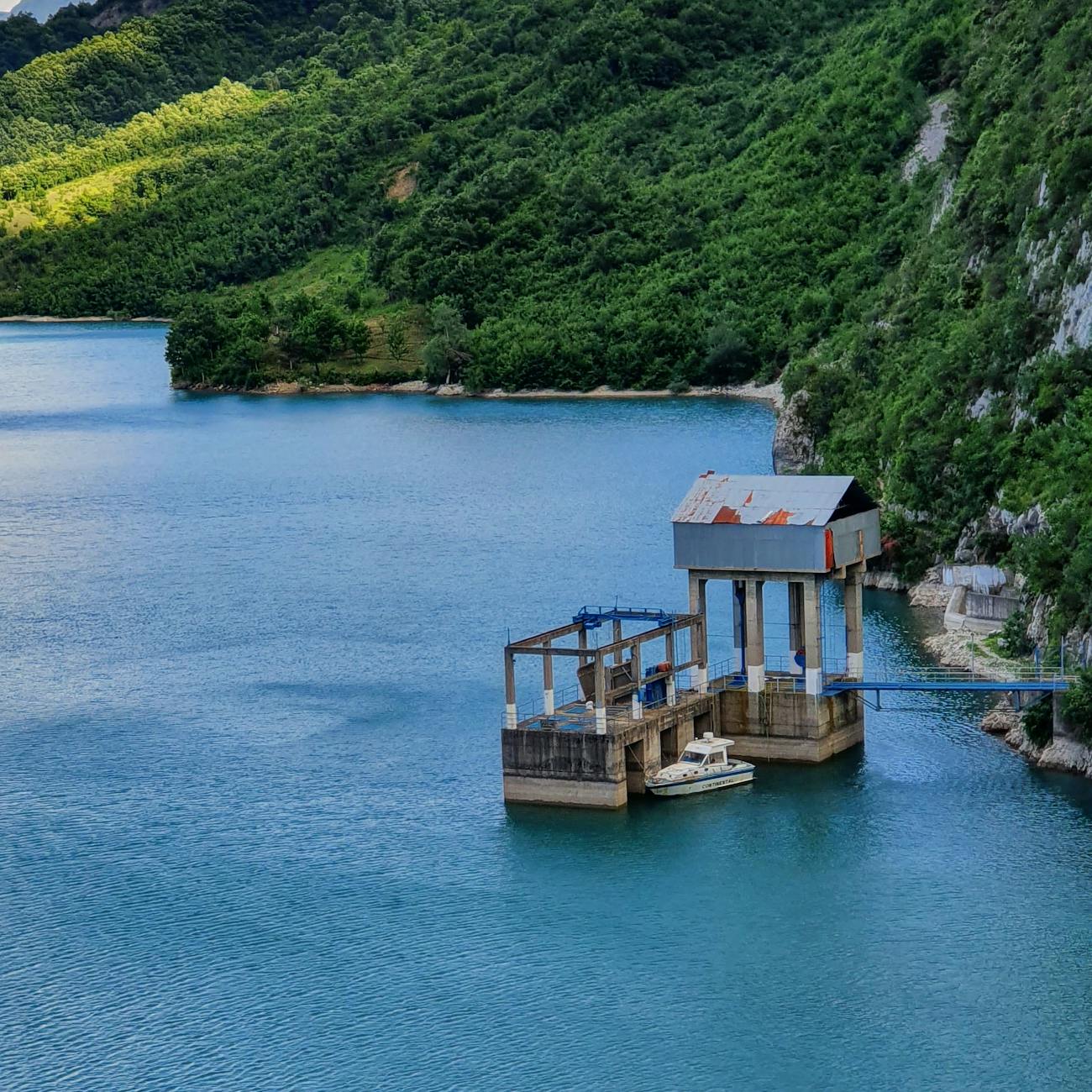
Hydroelectric Power System Design
Hydroelectric power is a renewable energy source that harnesses the power of flowing water to generate electricity. It is a clean and sustainable energy option that has been utilized for centuries. In this course, we will focus on the design aspects of hydroelectric power systems using AutoCAD software. Understanding key terms and vocabulary is critical to mastering the design process.
Renewable Energy
Renewable energy refers to energy sources that are naturally replenished on a human timescale, such as sunlight, wind, rain, tides, waves, and geothermal heat. Unlike fossil fuels, renewable energy sources are sustainable and have minimal impact on the environment.
Hydropower
Hydropower is a type of renewable energy that uses the energy of flowing water to generate electricity. It is one of the oldest and most widely used renewable energy sources, accounting for a significant portion of global electricity generation.
Hydroelectric Power Plant
A hydroelectric power plant is a facility that generates electricity by harnessing the energy of flowing water. It typically consists of a dam, reservoir, turbine, generator, and transmission lines. The design of a hydroelectric power plant is crucial to maximizing efficiency and output.
Dam
A dam is a structure built across a river or stream to create a reservoir of water. The water stored behind the dam is released through turbines to generate electricity. Dams play a key role in the design and operation of hydroelectric power plants.
Reservoir
A reservoir is an artificial lake created by a dam to store water for hydroelectric power generation. The water level in the reservoir can be controlled to regulate the flow of water through the turbines. Reservoirs are an essential component of hydroelectric power systems.
Turbine
A turbine is a device that converts the kinetic energy of flowing water into mechanical energy. The water flow causes the turbine blades to rotate, which drives a generator to produce electricity. Turbines come in various designs, such as Pelton, Francis, and Kaplan.
Generator
A generator is a machine that converts mechanical energy into electrical energy. In a hydroelectric power plant, the turbine drives the generator to produce electricity. Generators are critical components of the power generation process.
Transmission Lines
Transmission lines are cables that carry electricity from the power plant to homes, businesses, and other consumers. The design of transmission lines is essential to ensure efficient and reliable delivery of electricity to end-users.
AutoCAD
AutoCAD is a computer-aided design (CAD) software used by engineers and designers to create precise 2D and 3D drawings. It is widely used in various industries, including renewable energy design. AutoCAD offers tools and features that are essential for designing hydroelectric power systems.
Design Process
The design process involves conceptualizing, planning, and creating detailed drawings of a hydroelectric power system. It requires careful consideration of factors such as site location, water flow, turbine selection, and electrical output. AutoCAD is a powerful tool for visualizing and optimizing the design.
Site Location
The site location of a hydroelectric power plant is crucial to its efficiency and performance. Factors such as water availability, elevation, topography, and environmental impact must be considered when selecting a site. AutoCAD can help analyze and visualize potential sites for optimal design.
Water Flow
The flow of water is a key factor in determining the power output of a hydroelectric power plant. The design must account for the volume and velocity of water to maximize energy generation. AutoCAD allows designers to model and simulate water flow to optimize the system design.
Turbine Selection
Choosing the right turbine design is essential for efficient energy conversion in a hydroelectric power plant. Different types of turbines are suited for varying water flow conditions. AutoCAD enables designers to compare and select the most suitable turbine for the specific project requirements.
Electrical Output
The electrical output of a hydroelectric power plant depends on factors such as turbine efficiency, generator capacity, and transmission losses. The design must optimize these components to maximize electricity generation. AutoCAD can assist in calculating and analyzing the electrical output of the system.
Environmental Impact
Hydroelectric power plants can have environmental impacts, such as changes to river ecosystems and wildlife habitats. Designers must consider mitigation measures to minimize these impacts. AutoCAD can help assess and address environmental concerns in the design process.
Optimization
Optimizing the design of a hydroelectric power system involves maximizing efficiency, output, and reliability while minimizing costs and environmental impacts. AutoCAD provides tools for iterative design, simulation, and analysis to achieve optimal results.
Challenges
Designing a hydroelectric power system presents various challenges, such as site constraints, regulatory requirements, and technical complexities. Overcoming these challenges requires expertise in engineering, design, and project management. AutoCAD can streamline the design process and help address these challenges effectively.
Conclusion
In conclusion, mastering the key terms and vocabulary related to hydroelectric power system design is essential for success in the field of renewable energy. Understanding concepts such as hydropower, turbines, generators, and AutoCAD is critical to designing efficient and sustainable hydroelectric power plants. By applying these principles and utilizing AutoCAD tools, designers can create innovative solutions to meet the growing demand for clean energy.
Key takeaways
- Hydroelectric power is a renewable energy source that harnesses the power of flowing water to generate electricity.
- Renewable energy refers to energy sources that are naturally replenished on a human timescale, such as sunlight, wind, rain, tides, waves, and geothermal heat.
- It is one of the oldest and most widely used renewable energy sources, accounting for a significant portion of global electricity generation.
- A hydroelectric power plant is a facility that generates electricity by harnessing the energy of flowing water.
- The water stored behind the dam is released through turbines to generate electricity.
- The water level in the reservoir can be controlled to regulate the flow of water through the turbines.
- The water flow causes the turbine blades to rotate, which drives a generator to produce electricity.