
Energy Storage Technologies
Energy storage technologies play a crucial role in the field of renewable energy design, allowing for the capture and efficient utilization of energy generated by renewable sources such as solar, wind, and hydroelectric power. Understanding…
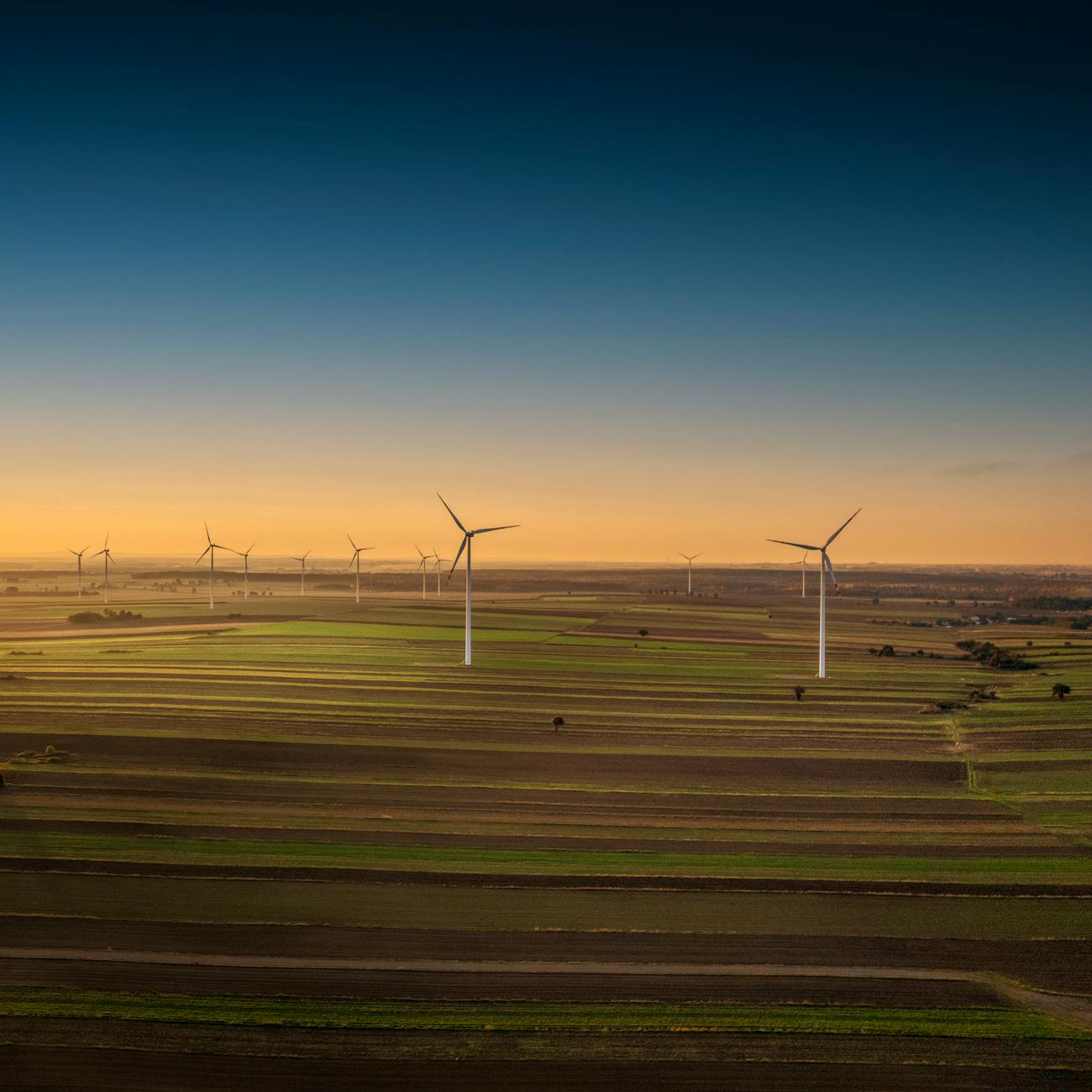
Energy storage technologies play a crucial role in the field of renewable energy design, allowing for the capture and efficient utilization of energy generated by renewable sources such as solar, wind, and hydroelectric power. Understanding the key terms and concepts related to energy storage is essential for designing effective and sustainable renewable energy systems. In this guide, we will explore the important vocabulary associated with energy storage technologies in the context of the Graduate Certificate in AutoCAD for Renewable Energy Design.
1. **Energy Storage**: Energy storage refers to the process of storing energy produced during times of low demand or high generation for later use when demand is high or generation is low. This helps to balance the supply and demand of energy, improving grid stability and reliability.
2. **Renewable Energy**: Renewable energy is energy that is generated from natural resources that are constantly replenished, such as sunlight, wind, and water. Unlike fossil fuels, renewable energy sources are sustainable and have minimal environmental impact.
3. **Battery Storage**: Battery storage involves storing energy in rechargeable batteries for later use. Batteries are commonly used in renewable energy systems to store excess energy generated during peak production periods for use during times of low production.
4. **Grid Storage**: Grid storage refers to energy storage systems that are connected to the electrical grid. These systems help to stabilize the grid by storing excess energy during off-peak hours and releasing it during peak demand periods.
5. **Lithium-Ion Battery**: Lithium-ion batteries are rechargeable batteries that are commonly used in energy storage applications due to their high energy density, long cycle life, and fast charging capabilities. They are widely used in electric vehicles and grid-scale energy storage systems.
6. **Flow Battery**: Flow batteries are a type of rechargeable battery where energy is stored in liquid electrolytes contained in external tanks. Flow batteries offer scalability and long cycle life, making them suitable for grid-scale energy storage applications.
7. **Pumped Hydro Storage**: Pumped hydro storage is a form of energy storage that uses water stored in an upper reservoir to generate electricity during periods of high demand. During off-peak hours, water is pumped back to the upper reservoir using excess energy.
8. **Compressed Air Energy Storage (CAES)**: CAES is a technology that stores energy by compressing air in underground caverns or tanks. The compressed air is then released to drive a turbine and generate electricity when needed.
9. **Flywheel Energy Storage**: Flywheel energy storage systems store energy by spinning a rotor at high speeds and converting kinetic energy into electricity when needed. Flywheels are used for short-duration energy storage and provide fast response times.
10. **Thermal Energy Storage**: Thermal energy storage systems store energy in the form of heat or cold for later use. This technology is often used in conjunction with solar thermal systems to store excess heat for space heating or water heating.
11. **Hydrogen Storage**: Hydrogen storage involves storing hydrogen gas for later use in fuel cells or combustion engines. Hydrogen is considered a versatile energy carrier that can be produced from renewable sources and used for various applications.
12. **Capacity Factor**: The capacity factor of an energy storage system is the ratio of the actual output of the system over a specific period to its maximum possible output if it operated at full capacity continuously. A high capacity factor indicates efficient utilization of the storage system.
13. **Round-Trip Efficiency**: Round-trip efficiency is the ratio of the amount of energy that can be retrieved from an energy storage system to the amount of energy that was originally stored in the system. Higher round-trip efficiency indicates a more efficient storage system.
14. **Cycle Life**: Cycle life refers to the number of charge-discharge cycles that an energy storage system can undergo before its capacity degrades to a specified level. A longer cycle life indicates a more durable and reliable storage system.
15. **Depth of Discharge (DoD)**: Depth of discharge is the percentage of the total capacity of an energy storage system that has been discharged. For example, a battery with a 50% depth of discharge has used half of its stored energy.
16. **State of Charge (SoC)**: State of charge refers to the current level of charge in an energy storage system, expressed as a percentage of its total capacity. Monitoring the state of charge is essential for ensuring the proper operation and management of the storage system.
17. **Grid Integration**: Grid integration involves the seamless integration of energy storage systems into the existing electrical grid infrastructure. Proper grid integration enables the effective management of renewable energy resources and enhances grid stability.
18. **Demand Response**: Demand response is a strategy that involves adjusting electricity consumption in response to signals from the grid operator. Energy storage systems play a key role in demand response programs by storing excess energy during off-peak hours and releasing it during peak demand periods.
19. **Frequency Regulation**: Frequency regulation is the process of maintaining the frequency of the electrical grid within acceptable limits by adjusting the output of power plants or energy storage systems. Energy storage technologies are well-suited for providing fast frequency response to stabilize the grid.
20. **Ancillary Services**: Ancillary services are additional services provided by energy storage systems to support the reliable operation of the electrical grid. These services include frequency regulation, voltage support, and black start capabilities, among others.
By familiarizing yourself with these key terms and concepts related to energy storage technologies, you will be better equipped to design efficient and sustainable renewable energy systems using AutoCAD. Energy storage plays a critical role in enabling the widespread adoption of renewable energy sources and reducing our reliance on fossil fuels. As the demand for clean and renewable energy continues to grow, mastering the principles of energy storage will be essential for designing innovative and resilient energy solutions for the future.
Key takeaways
- Energy storage technologies play a crucial role in the field of renewable energy design, allowing for the capture and efficient utilization of energy generated by renewable sources such as solar, wind, and hydroelectric power.
- **Energy Storage**: Energy storage refers to the process of storing energy produced during times of low demand or high generation for later use when demand is high or generation is low.
- **Renewable Energy**: Renewable energy is energy that is generated from natural resources that are constantly replenished, such as sunlight, wind, and water.
- Batteries are commonly used in renewable energy systems to store excess energy generated during peak production periods for use during times of low production.
- These systems help to stabilize the grid by storing excess energy during off-peak hours and releasing it during peak demand periods.
- **Lithium-Ion Battery**: Lithium-ion batteries are rechargeable batteries that are commonly used in energy storage applications due to their high energy density, long cycle life, and fast charging capabilities.
- **Flow Battery**: Flow batteries are a type of rechargeable battery where energy is stored in liquid electrolytes contained in external tanks.