
The role of imagery in CBT for athletes
The role of imagery in CBT for athletes
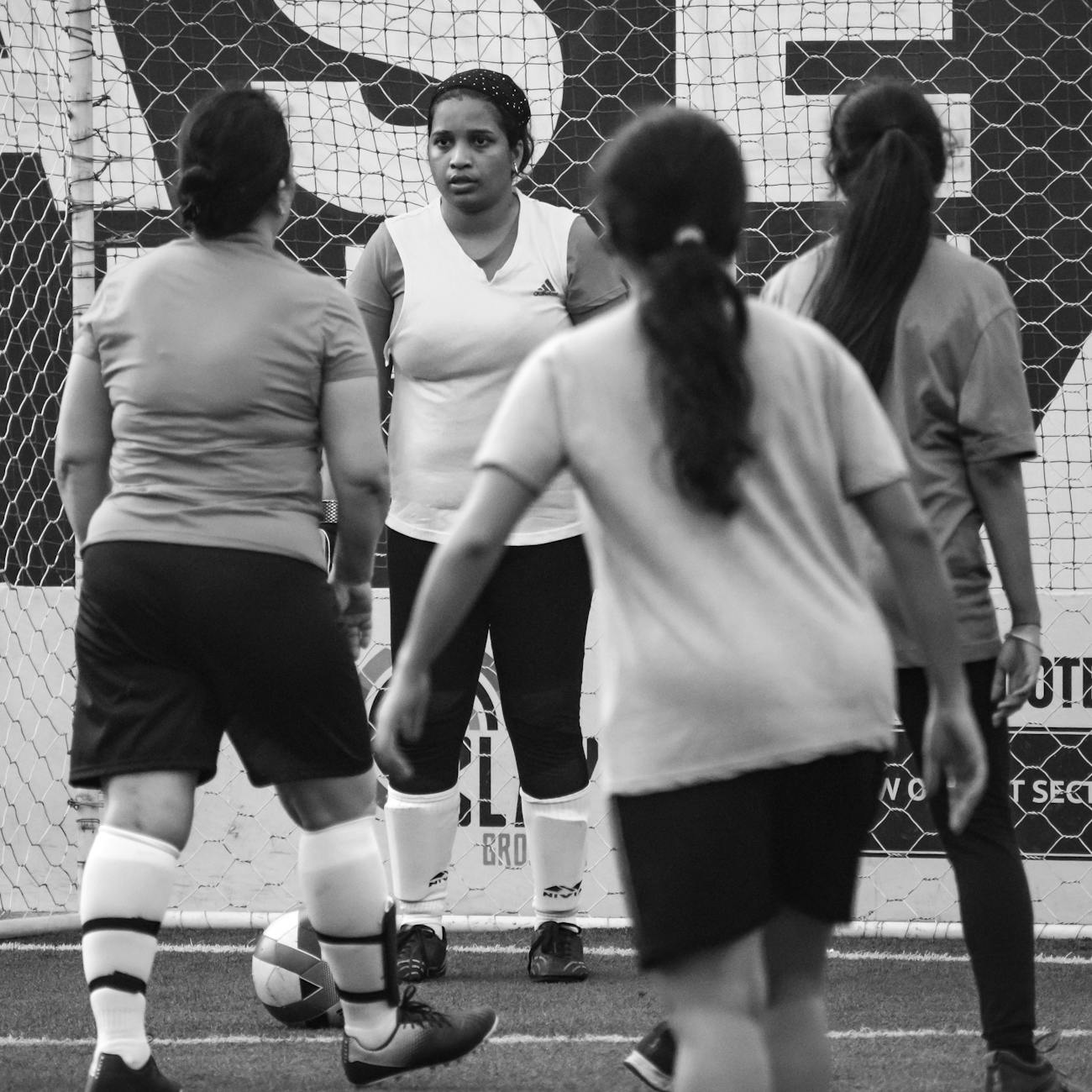
The role of imagery in CBT for athletes
Cognitive Behavioral Therapy (CBT) is a widely used therapeutic approach that focuses on how our thoughts, beliefs, and attitudes can affect our feelings and behaviors. In the context of sports psychology, CBT can be a powerful tool for athletes to improve their performance and mental well-being. One key aspect of CBT for athletes is the use of imagery, which involves creating mental images to enhance performance, reduce anxiety, and improve confidence.
Imagery
Imagery, also known as mental visualization or mental rehearsal, is the process of creating vivid and detailed mental images of performing a specific skill or task. Athletes use imagery to mentally rehearse their techniques, strategies, and performance goals. By engaging in imagery, athletes can improve their focus, confidence, and overall performance.
Types of imagery
There are two main types of imagery used in CBT for athletes: internal imagery and external imagery. Internal imagery involves imagining the sensations and feelings associated with performing a skill from a first-person perspective. For example, a tennis player might mentally rehearse the feeling of hitting a perfect serve. External imagery, on the other hand, involves watching oneself perform a skill from a third-person perspective. This type of imagery can help athletes gain a different perspective on their performance and identify areas for improvement.
Benefits of imagery in CBT for athletes
Imagery can have several benefits for athletes when used in conjunction with CBT. Some of the key benefits include:
1. Improved performance: By mentally rehearsing their skills and strategies, athletes can improve their technique, timing, and execution during actual competition.
2. Increased confidence: Imagery can help athletes visualize themselves succeeding and achieving their goals, which can boost their confidence and self-belief.
3. Reduced anxiety: Imagery can help athletes manage performance anxiety by visualizing themselves performing well under pressure and staying calm and focused.
4. Enhanced focus: Imagery can improve an athlete's ability to concentrate and maintain focus on the task at hand, leading to better performance outcomes.
5. Faster skill acquisition: Imagery can help athletes accelerate the learning process by mentally rehearsing new techniques and strategies before physically practicing them.
How imagery works in CBT for athletes
In CBT for athletes, imagery is used as a cognitive tool to help athletes identify and challenge negative thoughts and beliefs that may be hindering their performance. By using imagery to create positive and empowering mental images, athletes can reframe their thinking and build a more resilient mindset. Here's how imagery works in CBT for athletes:
1. Identifying negative thoughts: Athletes work with a CBT therapist to identify negative thoughts and beliefs that are impacting their performance, such as self-doubt, fear of failure, or perfectionism.
2. Challenging negative thoughts: Athletes learn to challenge and reframe their negative thoughts by replacing them with more positive and realistic beliefs. Imagery is used to visualize success, overcome obstacles, and build confidence.
3. Practicing positive imagery: Athletes practice positive imagery exercises regularly to reinforce their new beliefs and attitudes. These exercises can include visualizing successful performances, setting and achieving goals, and managing stress and anxiety.
4. Monitoring progress: Athletes track their progress and performance improvements over time by using imagery to assess their mental readiness, confidence levels, and overall mindset. This feedback loop helps athletes stay motivated and focused on their goals.
Practical applications of imagery in CBT for athletes
Imagery can be used in a variety of ways in CBT for athletes to enhance performance and mental well-being. Some practical applications of imagery include:
1. Pre-performance routines: Athletes can use imagery as part of their pre-performance routines to mentally prepare for competition, visualize success, and focus on their goals.
2. Skill development: Athletes can use imagery to mentally rehearse new skills, techniques, and strategies before physically practicing them. This can help athletes learn more quickly and improve their performance on the field.
3. Goal setting: Athletes can use imagery to set and achieve specific performance goals by visualizing themselves succeeding, overcoming obstacles, and staying motivated during training and competition.
4. Injury rehabilitation: Imagery can be used to aid in the rehabilitation process for injured athletes by visualizing the healing process, maintaining motivation, and staying mentally engaged during recovery.
5. Stress management: Athletes can use imagery to manage stress and anxiety by visualizing themselves staying calm, focused, and in control during high-pressure situations.
Challenges of using imagery in CBT for athletes
While imagery can be a powerful tool for athletes in CBT, there are some challenges and limitations to consider. Some of the challenges include:
1. Lack of consistency: Athletes may struggle to maintain a regular imagery practice due to time constraints, lack of motivation, or competing priorities.
2. Difficulty visualizing: Some athletes may find it challenging to create vivid and detailed mental images, which can hinder the effectiveness of imagery exercises.
3. Unrealistic expectations: Athletes may have unrealistic expectations about the benefits of imagery, leading to disappointment or frustration if they do not see immediate results.
4. Overreliance on imagery: Athletes may become overly reliant on imagery as a performance enhancement tool, neglecting other aspects of their training and mental preparation.
5. Individual differences: Not all athletes may respond to imagery in the same way, as individual differences in cognitive style, personality, and learning preferences can impact the effectiveness of imagery exercises.
In conclusion, imagery plays a crucial role in CBT for athletes by helping them improve their performance, confidence, and mental well-being. By incorporating imagery into their training and competition routines, athletes can enhance their focus, motivation, and resilience in the face of challenges. While there are challenges and limitations to consider, the benefits of imagery in CBT for athletes make it a valuable tool for sports psychologists and coaches looking to optimize athlete performance and well-being.
Key takeaways
- Cognitive Behavioral Therapy (CBT) is a widely used therapeutic approach that focuses on how our thoughts, beliefs, and attitudes can affect our feelings and behaviors.
- Imagery, also known as mental visualization or mental rehearsal, is the process of creating vivid and detailed mental images of performing a specific skill or task.
- Internal imagery involves imagining the sensations and feelings associated with performing a skill from a first-person perspective.
- Imagery can have several benefits for athletes when used in conjunction with CBT.
- Improved performance: By mentally rehearsing their skills and strategies, athletes can improve their technique, timing, and execution during actual competition.
- Increased confidence: Imagery can help athletes visualize themselves succeeding and achieving their goals, which can boost their confidence and self-belief.
- Reduced anxiety: Imagery can help athletes manage performance anxiety by visualizing themselves performing well under pressure and staying calm and focused.