
Mindfulness and relaxation techniques in sport psychology
Mindfulness and Relaxation Techniques in Sport Psychology
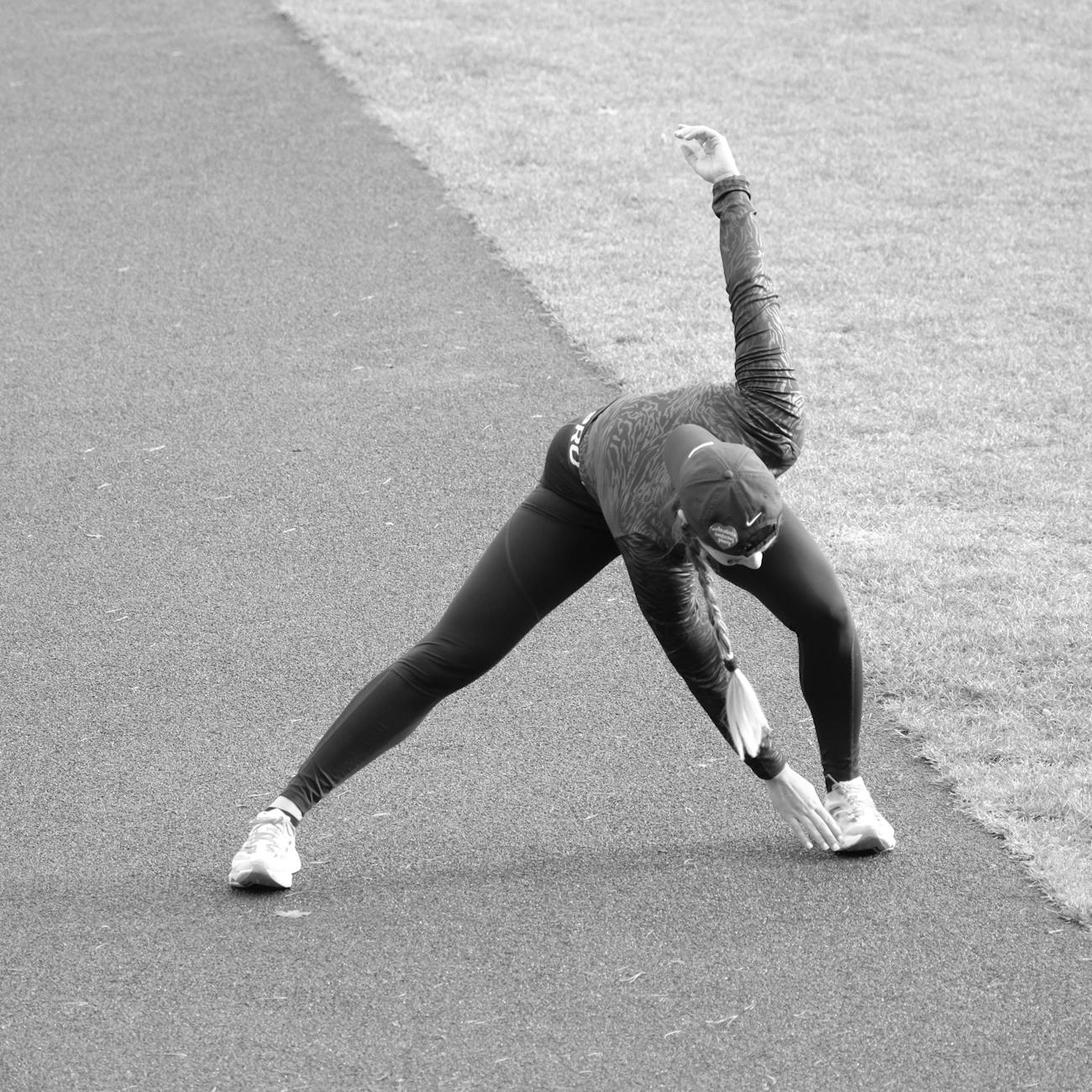
Mindfulness and Relaxation Techniques in Sport Psychology
In the realm of sport psychology, mindfulness and relaxation techniques play a crucial role in enhancing athletes' performance, mental well-being, and overall success. These techniques are utilized to help athletes manage stress, improve focus, build resilience, and optimize their performance on the field. Understanding key terms and vocabulary associated with mindfulness and relaxation techniques is essential for sports psychologists working with athletes to maximize their potential and achieve peak performance.
Mindfulness
Mindfulness is a mental state characterized by being fully present and engaged in the moment, without judgment or distraction. It involves paying attention to one's thoughts, feelings, bodily sensations, and the surrounding environment with a sense of openness and acceptance. Mindfulness practices have been widely used in sports psychology to help athletes develop greater self-awareness, emotional regulation, and mental clarity.
One key aspect of mindfulness is mindfulness meditation, which involves focusing on the breath or a specific object while observing one's thoughts and emotions without getting caught up in them. This practice helps athletes cultivate a non-reactive awareness that allows them to respond to challenges with composure and resilience. By training their minds to stay present and focused, athletes can enhance their performance under pressure and maintain a positive mindset in the face of adversity.
Another important concept related to mindfulness is mindfulness-based stress reduction (MBSR), a structured program that combines mindfulness meditation, body awareness, and gentle yoga to reduce stress and improve overall well-being. MBSR has been shown to be effective in helping athletes cope with performance anxiety, manage pain, and recover from injuries more effectively.
Relaxation Techniques
Relaxation techniques are strategies used to induce a state of relaxation in the body and mind, promoting physical and mental well-being. These techniques help athletes reduce stress, anxiety, tension, and muscle tightness, allowing them to perform at their best and recover more quickly from training and competition.
One commonly used relaxation technique is progressive muscle relaxation (PMR), which involves tensing and relaxing different muscle groups in the body to release physical tension and promote relaxation. Athletes can practice PMR before competition to calm their nerves and improve their focus, or after training to speed up recovery and prevent muscle soreness.
Another effective relaxation technique is diaphragmatic breathing, also known as deep belly breathing, which involves breathing deeply into the abdomen to activate the body's relaxation response and reduce the physiological symptoms of stress. Athletes can use diaphragmatic breathing to calm their nerves before a game, improve their concentration during performance, and recover more efficiently after exertion.
Key Terms and Vocabulary
1. Self-awareness: The ability to recognize and understand one's thoughts, emotions, and behavior, which is essential for athletes to identify their strengths, weaknesses, and areas for improvement.
2. Emotional regulation: The capacity to manage and control one's emotions effectively, enabling athletes to stay composed, focused, and resilient in high-pressure situations.
3. Resilience: The ability to bounce back from setbacks, adapt to challenges, and maintain a positive attitude in the face of adversity, which is crucial for athletes to persevere and succeed in their sport.
4. Concentration: The mental focus and attention directed towards a specific task or goal, which is vital for athletes to block out distractions, stay present, and perform at their peak.
5. Visualization: The practice of creating vivid mental images of desired outcomes and successful performances, which can help athletes enhance their confidence, motivation, and performance.
6. Stress management: The ability to cope with and reduce stress through various techniques, such as mindfulness, relaxation, exercise, and time management, to maintain optimal performance and well-being.
7. Performance anxiety: The feeling of fear, nervousness, or pressure before or during competition, which can negatively impact athletes' performance and confidence if not managed effectively.
8. Recovery: The process of rest, nutrition, hydration, and relaxation that athletes engage in after training or competition to repair muscle damage, replenish energy stores, and prepare for future performance.
9. Flow state: The mental state characterized by complete absorption, focus, and enjoyment in an activity, where athletes perform at their best effortlessly and lose track of time and self-consciousness.
10. Goal setting: The process of establishing specific, measurable, achievable, relevant, and time-bound goals to guide athletes' training, performance, and progress towards their desired outcomes.
Practical Applications
1. Incorporating mindfulness and relaxation techniques into athletes' daily routines, such as pre-game warm-ups, post-game recovery, and mental training sessions, to enhance their mental skills and performance.
2. Teaching athletes how to use mindfulness meditation, diaphragmatic breathing, progressive muscle relaxation, and visualization to manage stress, anxiety, and distractions, and improve their focus, confidence, and resilience.
3. Providing athletes with personalized mental training programs that include mindfulness-based stress reduction, goal setting, self-talk, and imagery techniques tailored to their individual needs, goals, and challenges.
4. Encouraging athletes to practice mindfulness and relaxation techniques regularly, both on and off the field, to build mental toughness, emotional intelligence, and self-care habits that support their overall well-being and performance.
5. Collaborating with coaches, trainers, and other sports professionals to integrate mindfulness and relaxation techniques into the team's training, competition, and recovery protocols, to create a supportive and high-performance environment for athletes.
Challenges
1. Resistance to change: Some athletes may be skeptical or hesitant to try mindfulness and relaxation techniques due to lack of awareness, understanding, or belief in their effectiveness, requiring education, motivation, and encouragement to overcome their resistance.
2. Time constraints: Athletes and coaches may struggle to find time to practice mindfulness and relaxation techniques amidst their busy schedules, training demands, and competitive pressures, necessitating creative solutions, prioritization, and time management strategies to make mental training a priority.
3. Individual differences: Athletes have varying personalities, learning styles, preferences, and needs when it comes to mental training, requiring sports psychologists to tailor their approach, techniques, and interventions to each athlete's unique characteristics, goals, and challenges.
4. Performance expectations: Athletes may feel pressure to perform perfectly or achieve immediate results when using mindfulness and relaxation techniques, leading to frustration, impatience, and self-criticism, which can hinder their progress and motivation, necessitating realistic goal-setting, feedback, and support to manage their expectations and mindset.
5. Integration and sustainability: Incorporating mindfulness and relaxation techniques into athletes' training and competition routines requires ongoing support, reinforcement, and monitoring to ensure their long-term adoption, effectiveness, and benefits for athletes' mental skills, performance, and well-being.
Overall, mastering the key terms and vocabulary related to mindfulness and relaxation techniques in sport psychology is essential for sports psychologists, coaches, and athletes to enhance their mental skills, performance, and well-being, and achieve success on and off the field. By understanding and applying these concepts effectively, athletes can optimize their mindset, focus, resilience, and overall performance, leading to improved outcomes, satisfaction, and growth in their sport.
Key takeaways
- Understanding key terms and vocabulary associated with mindfulness and relaxation techniques is essential for sports psychologists working with athletes to maximize their potential and achieve peak performance.
- Mindfulness practices have been widely used in sports psychology to help athletes develop greater self-awareness, emotional regulation, and mental clarity.
- One key aspect of mindfulness is mindfulness meditation, which involves focusing on the breath or a specific object while observing one's thoughts and emotions without getting caught up in them.
- Another important concept related to mindfulness is mindfulness-based stress reduction (MBSR), a structured program that combines mindfulness meditation, body awareness, and gentle yoga to reduce stress and improve overall well-being.
- These techniques help athletes reduce stress, anxiety, tension, and muscle tightness, allowing them to perform at their best and recover more quickly from training and competition.
- One commonly used relaxation technique is progressive muscle relaxation (PMR), which involves tensing and relaxing different muscle groups in the body to release physical tension and promote relaxation.
- Athletes can use diaphragmatic breathing to calm their nerves before a game, improve their concentration during performance, and recover more efficiently after exertion.