
BioHacking for Stress Management
BioHacking: Biohacking is the practice of using technology, science, and self-experimentation to optimize and improve one's health and well-being. It involves making small, incremental changes to diet, exercise, sleep, and other lifestyle f…
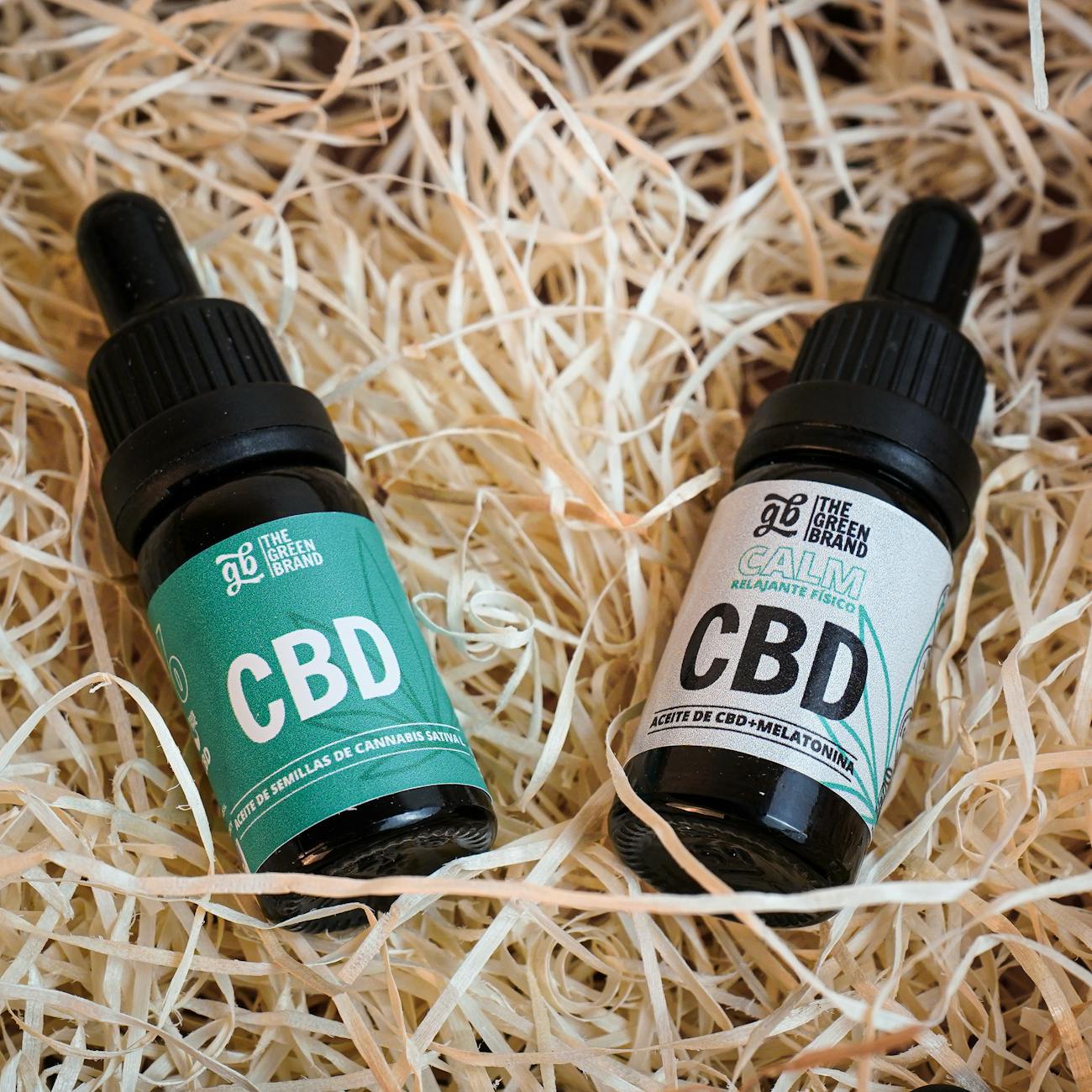
BioHacking: Biohacking is the practice of using technology, science, and self-experimentation to optimize and improve one's health and well-being. It involves making small, incremental changes to diet, exercise, sleep, and other lifestyle factors to achieve specific health goals.
Stress Management: Stress management refers to the techniques and strategies used to cope with and reduce stress levels in order to improve overall health and well-being. This can include mindfulness practices, relaxation techniques, physical activity, and other stress-reducing activities.
Executive Certificate in BioHacking for Health and Wellness Coaching: This certificate program is designed to provide individuals with the knowledge and skills needed to effectively use biohacking techniques for health and wellness coaching, specifically focusing on stress management.
Health and Wellness Coaching: Health and wellness coaching involves working with individuals to help them achieve their health and wellness goals through personalized guidance, support, and motivation. Coaches use a variety of techniques to empower clients to make positive lifestyle changes.
Optimization: Optimization refers to the process of making something as effective and efficient as possible. In the context of biohacking, optimization often involves fine-tuning various aspects of one's lifestyle to achieve peak performance and health.
Wellness: Wellness encompasses a holistic approach to health that includes physical, mental, emotional, and spiritual well-being. It focuses on preventive measures and lifestyle choices that promote overall health and longevity.
Coaching: Coaching is a collaborative process in which a coach works with an individual to help them achieve specific goals. Coaches provide support, guidance, and accountability to empower their clients to make positive changes in their lives.
Self-Experimentation: Self-experimentation involves trying out different techniques, interventions, or lifestyle changes on oneself to determine their effects on health and well-being. It allows individuals to gather data and insights about what works best for them personally.
Diet: Diet refers to the types of food and beverages that a person consumes on a regular basis. A healthy diet is essential for overall health and well-being, and plays a key role in managing stress levels.
Exercise: Exercise is physical activity that is planned, structured, and repetitive for the purpose of improving or maintaining physical fitness. Regular exercise has been shown to reduce stress and improve overall health.
Sleep: Sleep is a vital physiological process that allows the body and mind to rest, repair, and recharge. Quality sleep is crucial for managing stress levels and supporting overall health.
Mindfulness: Mindfulness is the practice of being present in the moment and fully engaged in one's thoughts, feelings, and surroundings. Mindfulness techniques can help reduce stress and improve mental well-being.
Relaxation Techniques: Relaxation techniques are practices that promote a state of calmness and relaxation in the body and mind. These can include deep breathing, progressive muscle relaxation, meditation, and guided imagery.
Physical Activity: Physical activity refers to any movement that engages the body's muscles and requires energy expenditure. Regular physical activity is essential for maintaining good health and reducing stress.
Stress-Reducing Activities: Stress-reducing activities are actions or practices that help to lower stress levels and promote relaxation. Examples include yoga, tai chi, spending time in nature, and engaging in hobbies.
Personalized Guidance: Personalized guidance involves tailoring advice, recommendations, and support to meet the specific needs and goals of an individual. This approach helps to ensure that interventions are effective and relevant to the individual.
Support: Support refers to providing encouragement, empathy, and assistance to help individuals overcome challenges and achieve their goals. Having a strong support system is important for maintaining motivation and accountability.
Motivation: Motivation is the drive or desire to achieve a goal or make a change. Coaches help clients stay motivated by setting achievable goals, tracking progress, and celebrating successes.
Empowerment: Empowerment involves helping individuals gain the knowledge, skills, and confidence needed to make positive changes in their lives. Coaches empower their clients to take control of their health and well-being.
Positive Lifestyle Changes: Positive lifestyle changes are modifications to one's habits, behaviors, and routines that promote health and well-being. These changes can include improving diet, increasing physical activity, reducing stress, and getting enough sleep.
Peak Performance: Peak performance refers to achieving one's highest level of physical, mental, and emotional functioning. Biohacking techniques can help individuals optimize their performance in various areas of life.
Longevity: Longevity refers to living a long and healthy life. By optimizing health and wellness through biohacking practices, individuals can increase their chances of living a longer, more fulfilling life.
Preventive Measures: Preventive measures are actions taken to prevent or reduce the risk of developing certain health conditions. By focusing on preventive health strategies, individuals can proactively protect their well-being.
Lifestyle Choices: Lifestyle choices are the decisions individuals make regarding their daily habits, behaviors, and activities. Making healthy lifestyle choices is essential for maintaining overall health and well-being.
Peak Health: Peak health refers to the optimal state of physical, mental, and emotional well-being. By implementing biohacking techniques for stress management, individuals can strive to achieve peak health and vitality.
Key takeaways
- BioHacking: Biohacking is the practice of using technology, science, and self-experimentation to optimize and improve one's health and well-being.
- Stress Management: Stress management refers to the techniques and strategies used to cope with and reduce stress levels in order to improve overall health and well-being.
- Health and Wellness Coaching: Health and wellness coaching involves working with individuals to help them achieve their health and wellness goals through personalized guidance, support, and motivation.
- In the context of biohacking, optimization often involves fine-tuning various aspects of one's lifestyle to achieve peak performance and health.
- Wellness: Wellness encompasses a holistic approach to health that includes physical, mental, emotional, and spiritual well-being.
- Coaching: Coaching is a collaborative process in which a coach works with an individual to help them achieve specific goals.
- Self-Experimentation: Self-experimentation involves trying out different techniques, interventions, or lifestyle changes on oneself to determine their effects on health and well-being.