
Integrated Parasite Management
Integrated Parasite Management (IPM) is a comprehensive approach to managing parasites in livestock that combines various control strategies to reduce the impact of parasites on animal health and productivity. This course on Professional Ce…
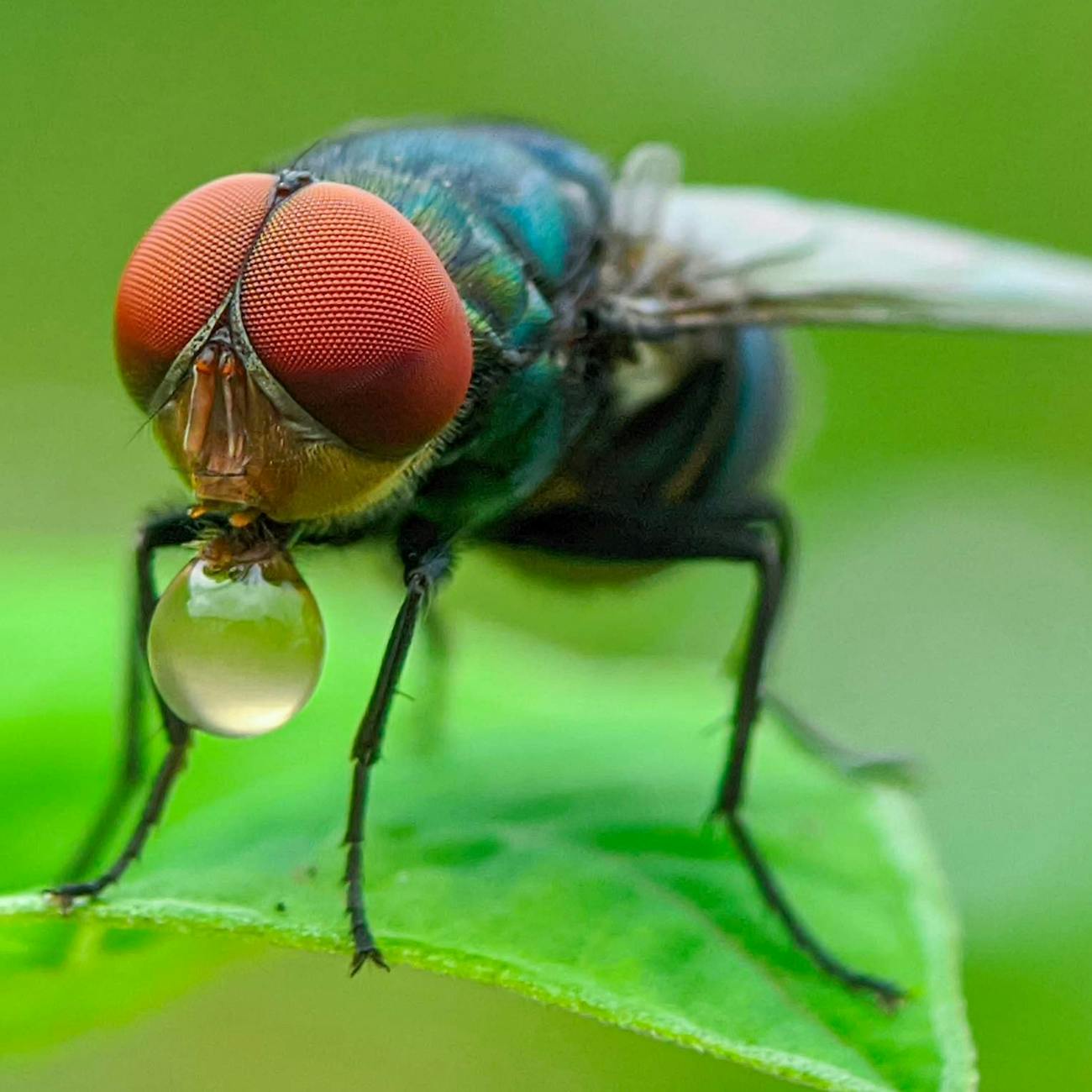
Integrated Parasite Management (IPM) is a comprehensive approach to managing parasites in livestock that combines various control strategies to reduce the impact of parasites on animal health and productivity. This course on Professional Certificate in Parasite Management Strategies focuses on equipping learners with the knowledge and skills necessary to implement effective IPM programs on farms.
Key Terms and Vocabulary:
1. Parasite: A parasite is an organism that lives on or inside another organism (the host) and benefits at the host's expense. Parasites can cause various diseases and health issues in animals, affecting their growth, reproduction, and overall well-being.
2. Integrated Parasite Management (IPM): IPM is a holistic approach to parasite control that combines multiple strategies to reduce parasite burdens in livestock. These strategies include using anthelmintics, pasture management, genetic selection for resistance, and biosecurity measures.
3. Anthelmintic: Anthelmintics are drugs used to treat and prevent parasitic worm infections in animals. They are commonly used in livestock to control internal parasites such as roundworms, tapeworms, and flukes.
4. Resistance: Parasite resistance refers to the ability of parasites to survive exposure to anthelmintic drugs or other control methods. Resistance can develop when parasites are exposed to the same treatment repeatedly, leading to ineffective control measures.
5. Pasture Management: Pasture management involves practices such as rotational grazing, harrowing, and strategic deworming to reduce parasite contamination on grazing land. Proper pasture management can help break the parasite life cycle and decrease parasite burdens in animals.
6. Genetic Selection: Genetic selection for parasite resistance involves breeding animals with natural resistance to parasites. By selecting animals with genetic resistance traits, farmers can reduce the reliance on anthelmintic drugs and mitigate the risk of parasite infections in livestock.
7. Biosecurity: Biosecurity measures aim to prevent the introduction and spread of parasites on farms. This includes practices such as quarantine procedures, disinfection protocols, and controlling animal movements to minimize the risk of parasite transmission.
8. Fecal Egg Count (FEC): FEC is a diagnostic test used to quantify the number of parasite eggs in animal feces. Monitoring FECs regularly can help farmers assess parasite burdens in their livestock and determine the effectiveness of control measures.
9. Drenching: Drenching is the administration of anthelmintic drugs orally to livestock to treat or prevent parasite infections. Proper drenching techniques are essential to ensure the effective delivery of the drug and minimize the development of resistance.
10. Refugia: Refugia refers to a population of parasites that are not exposed to control measures, allowing for the survival of susceptible individuals. Maintaining refugia is important in preventing the development of resistance in parasite populations.
11. Targeted Selective Treatment (TST): TST is a strategic approach to parasite control that involves treating only animals with high parasite burdens, rather than treating the entire herd or flock. This practice helps reduce the selection pressure for resistance development.
12. Integrated Control Program: An integrated control program combines multiple parasite control strategies in a coordinated manner to maximize effectiveness and sustainability. This approach considers the specific parasite species, farm conditions, and animal management practices to tailor control measures accordingly.
13. Sustainable Parasite Management: Sustainable parasite management aims to control parasites in livestock while minimizing the environmental impact, preserving anthelmintic efficacy, and promoting animal welfare. Sustainable practices focus on long-term solutions that are economically viable and environmentally friendly.
14. Co-grazing: Co-grazing involves mixing different species of livestock on the same pasture to reduce parasite burdens. Some species may be less susceptible to certain parasites, helping to break the parasite life cycle and improve pasture health.
15. Drug Rotation: Drug rotation is a strategy that involves alternating between different classes of anthelmintic drugs to prevent the development of resistance. By rotating drugs with different modes of action, farmers can delay resistance and maintain drug efficacy.
16. Strategic Dosing: Strategic dosing involves treating animals at specific times of the year when parasite burdens are typically high, such as during peak transmission seasons. This targeted approach helps maximize the effectiveness of anthelmintic treatments and reduce the overall parasite load in livestock.
17. Integrated Pest Management (IPM): IPM is a similar approach used in crop production to manage pests while minimizing reliance on chemical pesticides. IPM strategies focus on biological, cultural, and mechanical control methods in addition to chemical treatments.
18. Parasite Nematodes: Nematodes are a class of roundworms that include many parasitic species affecting livestock. Nematodes can cause diseases such as gastrointestinal worms, lungworms, and liver flukes in animals, leading to reduced productivity and health issues.
19. Parasite Lifecycle: The parasite lifecycle describes the stages of development that parasites go through to complete their life cycle. Understanding the parasite lifecycle is crucial for implementing effective control measures that target vulnerable points in the cycle to interrupt transmission.
20. Immunity: Immunity refers to the ability of animals to resist parasite infections through their immune system. Animals with strong immunity can better control parasite burdens and reduce the need for chemical treatments, contributing to sustainable parasite management.
Practical Applications:
1. Conducting regular fecal egg counts to monitor parasite burdens in livestock and make informed decisions about treatment strategies. 2. Implementing rotational grazing practices to reduce parasite contamination on pastures and improve animal health. 3. Selecting breeding animals with genetic resistance traits to parasites to enhance the overall resilience of the herd or flock. 4. Developing tailored integrated parasite management programs that combine multiple control strategies based on farm-specific conditions and parasite challenges. 5. Collaborating with veterinarians and parasitologists to diagnose parasite infections accurately and design effective control measures. 6. Training farm staff on proper drenching techniques and biosecurity protocols to ensure the safe and effective administration of anthelmintic drugs. 7. Monitoring the effectiveness of parasite control measures through regular testing and evaluation of parasite burdens in livestock. 8. Implementing sustainable parasite management practices that prioritize long-term solutions and environmental stewardship.
Challenges:
1. Parasite Resistance: The development of resistance to anthelmintic drugs poses a significant challenge in parasite management, requiring proactive strategies to delay resistance and preserve drug efficacy. 2. Environmental Impact: Some parasite control measures, such as chemical treatments, can have adverse effects on the environment if not used responsibly. Balancing effective control with environmental sustainability is a key challenge in parasite management. 3. Cost Considerations: Implementing integrated parasite management programs may require upfront investments in infrastructure, testing, and training, which can be a barrier for some farmers. Finding cost-effective solutions that prioritize sustainability is essential. 4. Monitoring and Evaluation: Regular monitoring of parasite burdens and treatment efficacy is crucial for adjusting control measures as needed. However, monitoring can be labor-intensive and require specialized knowledge and resources. 5. Communication and Collaboration: Effective parasite management often involves collaboration between farmers, veterinarians, researchers, and extension services. Maintaining open communication and sharing information across stakeholders can be challenging but is essential for success.
In conclusion, Integrated Parasite Management is a multifaceted approach to controlling parasites in livestock that combines various strategies to reduce parasite burdens effectively. By understanding key terms and concepts related to IPM, implementing practical applications, and addressing common challenges, farmers can enhance the health and productivity of their animals while promoting sustainable parasite management practices.
Key takeaways
- Integrated Parasite Management (IPM) is a comprehensive approach to managing parasites in livestock that combines various control strategies to reduce the impact of parasites on animal health and productivity.
- Parasites can cause various diseases and health issues in animals, affecting their growth, reproduction, and overall well-being.
- Integrated Parasite Management (IPM): IPM is a holistic approach to parasite control that combines multiple strategies to reduce parasite burdens in livestock.
- They are commonly used in livestock to control internal parasites such as roundworms, tapeworms, and flukes.
- Resistance: Parasite resistance refers to the ability of parasites to survive exposure to anthelmintic drugs or other control methods.
- Pasture Management: Pasture management involves practices such as rotational grazing, harrowing, and strategic deworming to reduce parasite contamination on grazing land.
- By selecting animals with genetic resistance traits, farmers can reduce the reliance on anthelmintic drugs and mitigate the risk of parasite infections in livestock.