
Emerging Parasite Threats
Emerging Parasite Threats:
Emerging Parasite Threats:
Parasites are organisms that live on or in a host organism and derive nutrients at the host's expense. They can cause a wide range of health issues in both humans and animals. Emerging parasite threats refer to parasites that are increasingly becoming a concern due to factors such as changes in climate, globalization, urbanization, and the development of resistance to existing control measures. In the Professional Certificate in Parasite Management Strategies course, understanding these emerging parasite threats is crucial for effective parasite control and management. Let's delve into the key terms and vocabulary related to emerging parasite threats:
1. Parasitology: Parasitology is the branch of biology that deals with the study of parasites, their hosts, and the relationship between them. It encompasses various disciplines, including microbiology, immunology, epidemiology, and veterinary and human medicine. Understanding parasitology is essential for identifying, preventing, and treating parasitic infections.
2. Zoonotic Parasites: Zoonotic parasites are parasites that can be transmitted between animals and humans. These parasites pose a significant public health risk as they can cause diseases in both animals and humans. Examples of zoonotic parasites include Toxoplasma gondii, Echinococcus granulosus, and Leishmania spp.
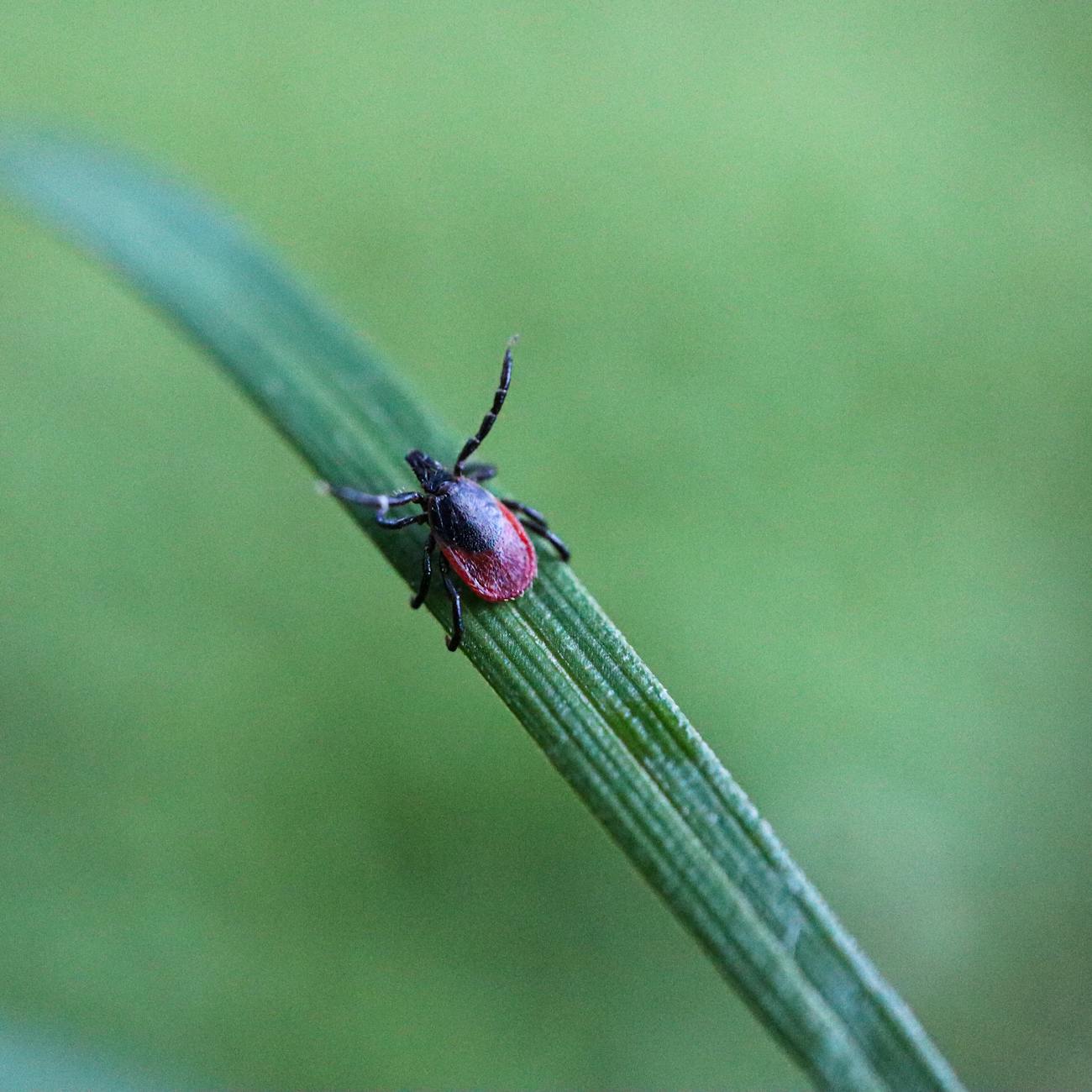
3. Vector-Borne Parasites: Vector-borne parasites are parasites that require an intermediate host, typically an arthropod vector, to complete their life cycle and infect a host organism. The most common vectors for parasite transmission are mosquitoes, ticks, and fleas. Examples of vector-borne parasites include Plasmodium spp. (malaria), Trypanosoma cruzi (Chagas disease), and Borrelia burgdorferi (Lyme disease).
4. Climate Change: Climate change refers to long-term changes in temperature, precipitation, and other atmospheric conditions that result from human activities, such as burning fossil fuels and deforestation. Climate change can impact parasite distribution and transmission by altering the habitats of both the parasites and their hosts. For example, rising temperatures can expand the range of vectors like mosquitoes, leading to the spread of diseases like malaria and dengue fever.
5. Drug Resistance: Drug resistance occurs when parasites develop the ability to survive exposure to drugs that were once effective in killing or controlling them. This phenomenon is a significant challenge in parasite management, as it limits the effectiveness of existing treatment options. Examples of parasites that have developed drug resistance include Plasmodium falciparum (malaria) and various species of helminths.
6. One Health Approach: The One Health approach is a collaborative, multidisciplinary approach that recognizes the interconnectedness of human, animal, and environmental health. It emphasizes the importance of addressing health issues at the interface of humans, animals, and the environment to achieve optimal health outcomes. The One Health approach is particularly relevant in the context of emerging parasite threats, as many parasites can affect multiple species and ecosystems.
7. Surveillance: Surveillance refers to the systematic collection, analysis, and interpretation of data related to the occurrence of parasites in a population. Surveillance plays a crucial role in monitoring trends in parasite prevalence, identifying emerging parasite threats, and evaluating the effectiveness of control measures. Effective surveillance requires collaboration between public health agencies, veterinary services, and other relevant stakeholders.
8. Control Measures: Control measures are strategies and interventions aimed at preventing, reducing, or eliminating parasite infections in a population. Control measures can include vector control, chemotherapy, vaccination, and health education. The selection of control measures depends on the parasite species, the characteristics of the host population, and the local epidemiological context.
9. Antiparasitic Drugs: Antiparasitic drugs are medications that are used to treat parasitic infections in humans and animals. These drugs can target different stages of the parasite life cycle, such as killing the parasite, inhibiting its growth, or preventing its reproduction. Common classes of antiparasitic drugs include antimalarials, anthelmintics, and antiprotozoals.
10. Host Immune Response: The host immune response refers to the body's defense mechanism against parasites. When a parasite infects a host, the immune system recognizes the parasite as a foreign invader and mounts a response to eliminate it. Understanding the host immune response is essential for developing vaccines and immunotherapies against parasitic infections.
11. Risk Assessment: Risk assessment is the process of evaluating the likelihood and potential consequences of exposure to a parasite. Risk assessment helps to identify high-risk populations, environments, and activities that may increase the transmission of parasites. By conducting risk assessments, public health authorities can implement targeted control measures to mitigate the spread of parasites.
12. Diagnostics: Diagnostics refer to the techniques and tools used to detect and identify parasites in clinical or environmental samples. Accurate diagnostics are essential for diagnosing parasitic infections, monitoring treatment efficacy, and conducting surveillance. Common diagnostic methods for parasites include microscopy, serology, molecular testing, and imaging techniques.
13. Co-Infections: Co-infections occur when an individual is infected with multiple parasite species simultaneously. Co-infections can have complex interactions, leading to altered disease severity, treatment outcomes, and immune responses. Understanding co-infections is important in parasite management, as they may require tailored treatment approaches and surveillance strategies.
14. Public Health Interventions: Public health interventions are strategies implemented at the population level to prevent or control the spread of parasites and reduce the burden of parasitic diseases. Public health interventions may include mass drug administration, vector control programs, health education campaigns, and sanitation improvements. These interventions aim to protect public health and promote well-being in communities.
15. Reservoir Hosts: Reservoir hosts are animal species that harbor and transmit parasites to other susceptible hosts, including humans. Reservoir hosts play a key role in maintaining the transmission cycle of parasites in the environment. Identifying reservoir hosts is important for understanding parasite ecology and designing effective control measures to prevent spillover to humans.
16. Emerging Infectious Diseases: Emerging infectious diseases are diseases caused by newly identified or previously known pathogens that have increased in incidence or geographic range. Parasitic infections can contribute to the emergence of infectious diseases through factors such as changes in land use, deforestation, and human behavior. Monitoring emerging infectious diseases is critical for early detection and response to potential outbreaks.
17. Genetic Diversity: Genetic diversity refers to the variation in genetic material within a population of parasites. Genetic diversity can influence the virulence, drug resistance, and adaptability of parasites to changing environments. Studying genetic diversity in parasites can provide insights into their evolutionary history, transmission dynamics, and potential for host adaptation.
18. Socioeconomic Factors: Socioeconomic factors, such as poverty, inadequate healthcare access, and educational disparities, can influence the risk of parasitic infections and the effectiveness of control measures. Individuals living in low-income communities may be more vulnerable to parasitic diseases due to limited resources for prevention and treatment. Addressing socioeconomic factors is essential for reducing health inequities related to parasitic infections.
19. Wildlife Parasites: Wildlife parasites are parasites that infect wild animal species, including mammals, birds, and reptiles. Wildlife parasites can pose a threat to human and domestic animal health through zoonotic transmission or spillover events. Examples of wildlife parasites include Toxoplasma gondii (found in cats) and Giardia duodenalis (found in beavers and other mammals).
20. One Health Surveillance: One Health surveillance is an integrated approach that combines human, animal, and environmental surveillance data to monitor and control parasitic diseases. One Health surveillance aims to detect emerging parasite threats, identify potential transmission pathways, and implement coordinated interventions across sectors. By adopting a One Health surveillance approach, stakeholders can enhance disease detection and response capacities.
In conclusion, understanding the key terms and vocabulary related to emerging parasite threats is essential for professionals in the field of parasite management. By familiarizing themselves with concepts such as zoonotic parasites, drug resistance, the One Health approach, and public health interventions, professionals can develop effective strategies to prevent and control parasitic infections. As emerging parasite threats continue to evolve, ongoing education and training in parasite management strategies are crucial for protecting human, animal, and environmental health.
Key takeaways
- Emerging parasite threats refer to parasites that are increasingly becoming a concern due to factors such as changes in climate, globalization, urbanization, and the development of resistance to existing control measures.
- Parasitology: Parasitology is the branch of biology that deals with the study of parasites, their hosts, and the relationship between them.
- These parasites pose a significant public health risk as they can cause diseases in both animals and humans.
- Vector-Borne Parasites: Vector-borne parasites are parasites that require an intermediate host, typically an arthropod vector, to complete their life cycle and infect a host organism.
- Climate Change: Climate change refers to long-term changes in temperature, precipitation, and other atmospheric conditions that result from human activities, such as burning fossil fuels and deforestation.
- Drug Resistance: Drug resistance occurs when parasites develop the ability to survive exposure to drugs that were once effective in killing or controlling them.
- One Health Approach: The One Health approach is a collaborative, multidisciplinary approach that recognizes the interconnectedness of human, animal, and environmental health.