
Trend Forecasting for Visual Merchandising
Trend Forecasting for Visual Merchandising: Trend forecasting is a crucial aspect of visual merchandising as it involves predicting future trends that will influence consumer behavior, preferences, and purchasing decisions. In the context o…
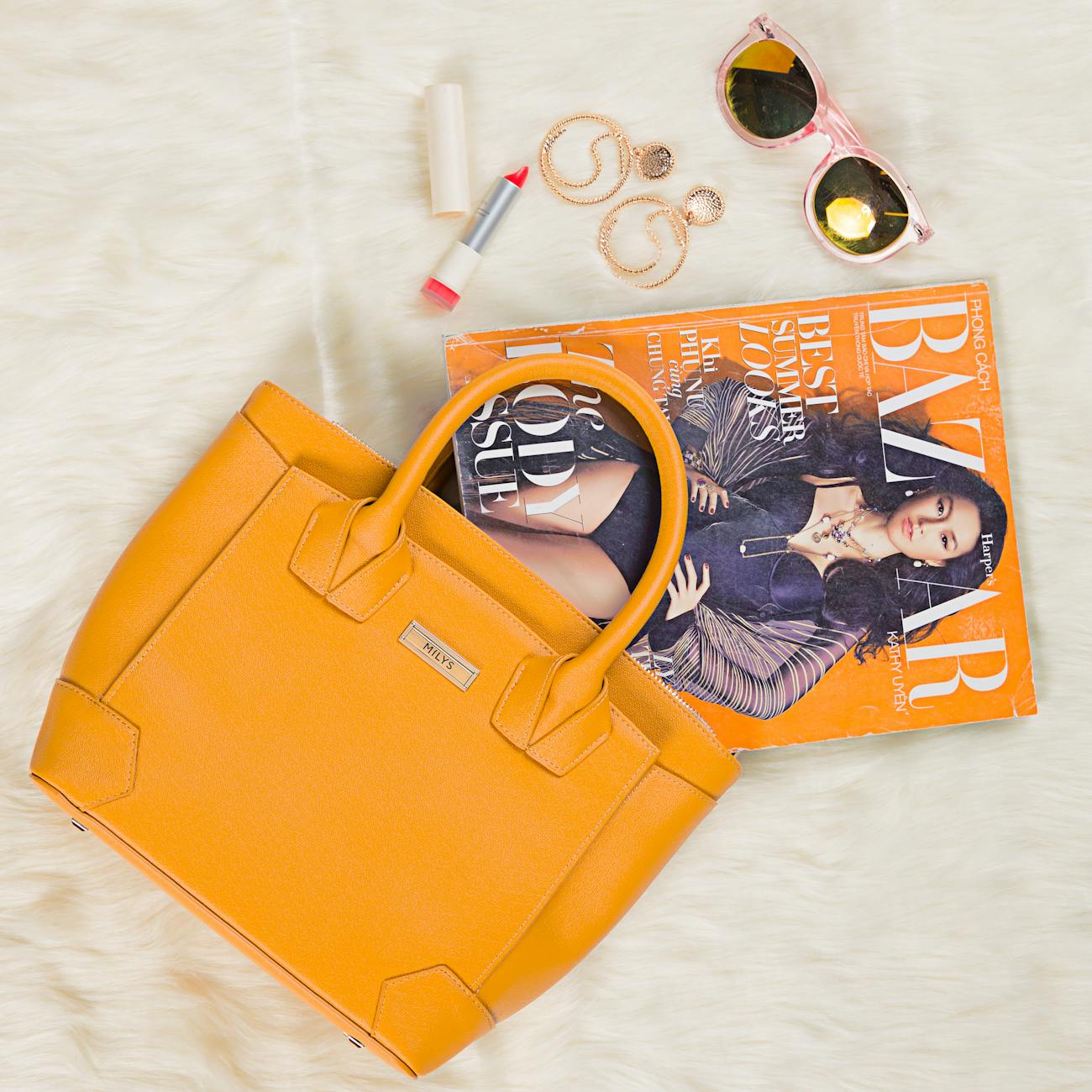
Trend Forecasting for Visual Merchandising: Trend forecasting is a crucial aspect of visual merchandising as it involves predicting future trends that will influence consumer behavior, preferences, and purchasing decisions. In the context of fashion visual merchandising, trend forecasting plays a significant role in helping retailers and brands stay ahead of the competition by aligning their product offerings and displays with the latest trends.
Key Terms and Vocabulary:
1. Trend Analysis: Trend analysis involves examining past and current data to identify patterns and predict future trends. By analyzing consumer behavior, market trends, and cultural influences, retailers can better understand what will resonate with their target audience and adjust their visual merchandising strategies accordingly.
2. Seasonal Trends: Seasonal trends refer to the trends that are specific to a particular season, such as spring/summer or fall/winter. Retailers need to stay updated on seasonal trends to ensure that their visual merchandising reflects the current season and appeals to customers looking for relevant products.
3. Color Forecasting: Color forecasting is the process of predicting the colors that will be popular in upcoming seasons. Retailers use color forecasting to create visually appealing displays that draw customers' attention and evoke certain emotions or associations.
4. Trend Forecasting Agencies: Trend forecasting agencies are organizations that specialize in predicting future trends across various industries, including fashion. Retailers often rely on these agencies for insights and guidance on upcoming trends to inform their visual merchandising decisions.
5. Trend Boards: Trend boards are visual representations of upcoming trends, typically including images, colors, textures, and other elements that capture the essence of a particular trend. Retailers use trend boards to brainstorm ideas and create cohesive visual merchandising displays.
6. Fast Fashion: Fast fashion refers to the rapid production of affordable, trendy clothing that is quickly replicated from the runway to retail stores. Visual merchandisers in fast fashion brands need to stay on top of the latest trends and quickly incorporate them into their displays to attract customers looking for up-to-date styles.
7. Lifestyle Trends: Lifestyle trends encompass broader societal changes, such as shifts in consumer values, attitudes, and behaviors. Visual merchandisers must consider lifestyle trends when creating displays that resonate with customers' lifestyles and aspirations.
8. Visual Storytelling: Visual storytelling involves using visual elements, such as props, lighting, and displays, to create a narrative that engages customers and communicates a brand's message or values. Visual merchandisers use storytelling techniques to create immersive experiences that connect with customers on an emotional level.
9. Digital Trends: Digital trends refer to the evolving technologies and online platforms that influence consumer shopping habits and preferences. Visual merchandisers need to incorporate digital trends, such as interactive displays and social media integration, into their strategies to engage tech-savvy customers.
10. Sustainability: Sustainability is a growing trend in the fashion industry, with consumers increasingly demanding eco-friendly and ethically produced products. Visual merchandisers can align with this trend by showcasing sustainable products and promoting environmentally conscious practices in their displays.
11. Pop-Up Stores: Pop-up stores are temporary retail spaces that offer unique and limited-time shopping experiences. Visual merchandisers can leverage pop-up stores to create buzz around new product launches or collaborations and experiment with innovative display concepts.
12. Influencer Marketing: Influencer marketing involves partnering with social media influencers to promote products and brands to their followers. Visual merchandisers can collaborate with influencers to create visually appealing content that showcases products in a relatable and aspirational way.
13. Experiential Retail: Experiential retail focuses on creating memorable and immersive shopping experiences that go beyond traditional transactions. Visual merchandisers can incorporate experiential elements, such as interactive displays or workshops, to engage customers and drive foot traffic.
14. Omnichannel Retail: Omnichannel retail refers to the seamless integration of online and offline shopping channels to provide a cohesive and convenient shopping experience. Visual merchandisers need to ensure consistency across all channels to maintain brand identity and enhance the customer journey.
15. Data Analytics: Data analytics involves collecting and analyzing customer data to gain insights into shopping behaviors and preferences. Visual merchandisers can use data analytics to optimize their displays, personalize the shopping experience, and track the effectiveness of their visual merchandising strategies.
16. Merchandising Mix: The merchandising mix refers to the combination of products, pricing, promotion, and placement strategies used to maximize sales and profitability. Visual merchandisers need to carefully curate their merchandising mix to create visually appealing displays that drive customer engagement and sales.
17. Trend Adaptation: Trend adaptation involves interpreting current trends in a way that aligns with a brand's identity and target audience. Visual merchandisers must find a balance between following trends and staying true to the brand's aesthetic to create displays that resonate with customers.
18. Visual Communication: Visual communication encompasses the use of visual elements, such as color, typography, and imagery, to convey a message or evoke emotions. Visual merchandisers rely on visual communication techniques to create impactful displays that communicate brand values and inspire customer engagement.
19. Store Layout: Store layout refers to the physical arrangement of products, displays, and signage within a retail space. Visual merchandisers design store layouts to guide customers through the store, highlight key products, and create a seamless shopping experience.
20. Window Displays: Window displays are visual showcases at the front of a store that attract passersby and entice them to enter. Visual merchandisers use window displays to create a strong first impression, showcase new arrivals or promotions, and reflect the store's overall aesthetic.
21. Trend-driven Merchandising: Trend-driven merchandising involves aligning product assortments and displays with current trends to capture customer interest and drive sales. Visual merchandisers must stay updated on the latest trends and incorporate them into their merchandising strategies to remain competitive in the market.
22. Brand Identity: Brand identity is the unique set of values, attributes, and qualities that define a brand and distinguish it from competitors. Visual merchandisers play a key role in reinforcing brand identity through their displays, ensuring consistency with the brand's image and messaging.
23. Competitive Analysis: Competitive analysis involves evaluating the strategies and offerings of competitors to identify strengths, weaknesses, and opportunities in the market. Visual merchandisers conduct competitive analysis to differentiate their displays, attract customers, and stay ahead of industry trends.
24. Trend Forecasting Tools: Trend forecasting tools are software programs or platforms that help retailers track trends, analyze data, and generate insights for their visual merchandising strategies. Visual merchandisers can leverage these tools to streamline their trend forecasting process and make informed decisions.
25. Visual Merchandising Trends: Visual merchandising trends are the evolving practices, techniques, and approaches used to create visually compelling displays that engage customers and drive sales. Visual merchandisers must stay abreast of visual merchandising trends to innovate their displays and stay relevant in the ever-changing retail landscape.
26. Merchandising Calendar: The merchandising calendar is a schedule that outlines key milestones, events, and promotions throughout the year. Visual merchandisers use the merchandising calendar to plan their displays, product launches, and marketing campaigns to align with seasonal trends and consumer behaviors.
27. Trend Forecasting Reports: Trend forecasting reports are comprehensive documents that provide insights into upcoming trends, consumer preferences, and market opportunities. Visual merchandisers rely on trend forecasting reports to inform their merchandising decisions and create displays that resonate with customers.
28. Trend Validation: Trend validation involves confirming the relevance and impact of predicted trends through market research, consumer feedback, and sales data. Visual merchandisers must validate trends before incorporating them into their displays to ensure they align with customer preferences and drive sales.
29. Visual Merchandising Strategy: A visual merchandising strategy is a plan that outlines the goals, objectives, and tactics for creating visually appealing displays that drive customer engagement and sales. Visual merchandisers develop strategies to align with brand objectives, target audience preferences, and industry trends.
30. Trend Forecasting Models: Trend forecasting models are frameworks or methodologies used to predict future trends based on historical data, market analysis, and consumer insights. Visual merchandisers can leverage trend forecasting models to anticipate upcoming trends and adjust their displays accordingly.
31. Trend Immersion: Trend immersion involves fully embracing a trend and incorporating it into all aspects of visual merchandising, from product selection to display design. Visual merchandisers who successfully immerse themselves in trends can create cohesive and impactful displays that resonate with customers.
32. Visual Merchandising Techniques: Visual merchandising techniques are the methods and practices used to create visually appealing displays that attract customers and drive sales. Techniques include color blocking, focal points, storytelling, and sensory experiences that engage customers and enhance their shopping experience.
33. Trend Forecasting Workshops: Trend forecasting workshops are interactive sessions where industry experts share insights, trends, and best practices with visual merchandisers. Participating in trend forecasting workshops can help visual merchandisers stay updated on the latest trends and enhance their skills in predicting and incorporating trends into their displays.
34. Trend Interpretation: Trend interpretation involves analyzing and translating trends into actionable strategies for visual merchandising. Visual merchandisers must interpret trends in a way that resonates with their target audience and aligns with their brand's identity to create effective displays that drive customer engagement.
35. Visual Merchandising Displays: Visual merchandising displays are the arrangements of products, props, signage, and lighting within a retail space to create visually appealing and engaging experiences for customers. Visual merchandisers design displays to showcase products, tell a story, and evoke emotions that drive customer interest and sales.
36. Trend Collaboration: Trend collaboration involves partnering with designers, influencers, or other industry professionals to create trend-driven displays that resonate with customers. Visual merchandisers can collaborate with trendsetters to leverage their expertise and create innovative displays that capture customer attention.
37. Trend Forecasting Challenges: Trend forecasting challenges are the obstacles and uncertainties that visual merchandisers face when predicting and incorporating trends into their displays. Challenges may include changing consumer preferences, unpredictable market trends, and limited resources that impact the effectiveness of trend forecasting strategies.
38. Visual Merchandising Innovations: Visual merchandising innovations are the creative and cutting-edge approaches used to enhance displays and create memorable shopping experiences. Innovations may include interactive displays, augmented reality experiences, and sustainable design practices that differentiate brands and attract customers.
39. Trend Sustainability: Trend sustainability involves incorporating sustainable practices and materials into trend-driven displays to minimize environmental impact and promote ethical consumption. Visual merchandisers can prioritize sustainability by selecting eco-friendly products, reducing waste, and educating customers on sustainable fashion choices.
40. Visual Merchandising Evolution: Visual merchandising evolution refers to the continuous growth and adaptation of visual merchandising practices in response to changing consumer behaviors, technological advancements, and industry trends. Visual merchandisers must evolve their strategies to stay relevant and engage customers in an increasingly competitive retail landscape.
In conclusion, trend forecasting is a dynamic and essential aspect of visual merchandising that requires continuous analysis, interpretation, and adaptation to stay ahead of the curve. By understanding key terms and vocabulary related to trend forecasting, visual merchandisers can effectively predict and incorporate trends into their displays to create engaging and impactful shopping experiences for customers.
Key takeaways
- Trend Forecasting for Visual Merchandising: Trend forecasting is a crucial aspect of visual merchandising as it involves predicting future trends that will influence consumer behavior, preferences, and purchasing decisions.
- By analyzing consumer behavior, market trends, and cultural influences, retailers can better understand what will resonate with their target audience and adjust their visual merchandising strategies accordingly.
- Retailers need to stay updated on seasonal trends to ensure that their visual merchandising reflects the current season and appeals to customers looking for relevant products.
- Retailers use color forecasting to create visually appealing displays that draw customers' attention and evoke certain emotions or associations.
- Trend Forecasting Agencies: Trend forecasting agencies are organizations that specialize in predicting future trends across various industries, including fashion.
- Trend Boards: Trend boards are visual representations of upcoming trends, typically including images, colors, textures, and other elements that capture the essence of a particular trend.
- Visual merchandisers in fast fashion brands need to stay on top of the latest trends and quickly incorporate them into their displays to attract customers looking for up-to-date styles.