
Global Trends in Fashion Visual Merchandising
Global Trends in Fashion Visual Merchandising
Global Trends in Fashion Visual Merchandising
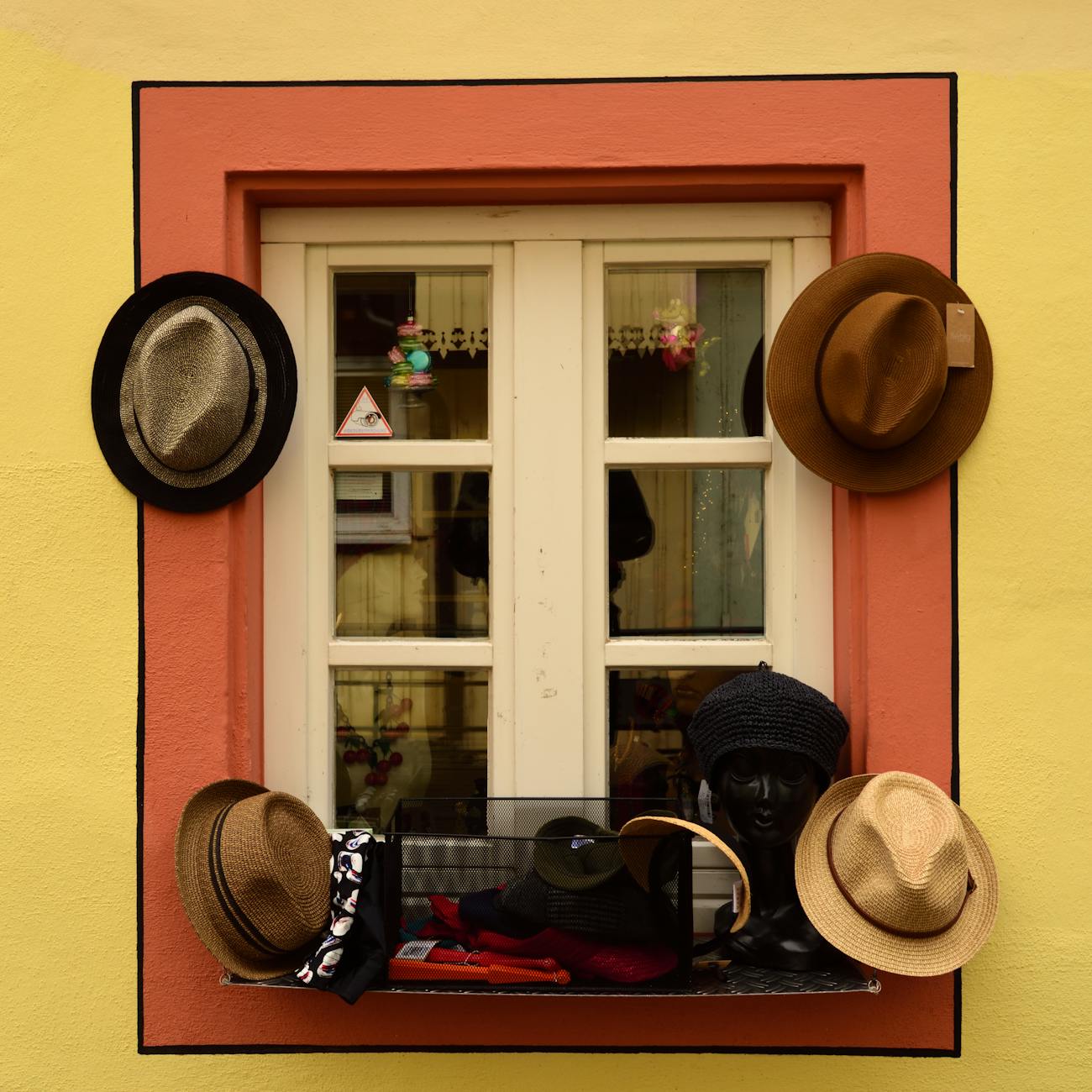
Visual merchandising is a critical aspect of the fashion industry that involves creating visually appealing displays in retail spaces to attract customers and drive sales. In today's globalized world, staying up-to-date with the latest trends in fashion visual merchandising is essential for brands to remain competitive and relevant. Let's explore some key terms and vocabulary related to global trends in fashion visual merchandising that are vital for professionals in the industry to understand.
1. Omnichannel
The concept of omnichannel in fashion visual merchandising refers to creating a seamless shopping experience for customers across various channels, including physical stores, online platforms, mobile apps, and social media. Brands that successfully implement omnichannel strategies can provide a cohesive brand experience and meet the needs of their customers wherever they choose to engage with the brand.
For example, a customer might browse a brand's website on their smartphone, visit a physical store to try on items, and then make a purchase through the brand's mobile app. By ensuring consistency in visual merchandising across all these channels, brands can enhance customer loyalty and drive sales.
2. Sustainability
Sustainability has become a major focus in the fashion industry, including visual merchandising. Brands are increasingly adopting eco-friendly practices in their displays, such as using recycled materials, reducing waste, and promoting ethical production methods. Sustainable visual merchandising not only aligns with consumer preferences for environmentally conscious brands but also helps companies reduce their carbon footprint and contribute to a more sustainable future.
For instance, a brand might create a window display using recycled materials or showcase products made from sustainable fabrics to highlight their commitment to environmental responsibility. By incorporating sustainability into their visual merchandising strategies, brands can connect with eco-conscious consumers and differentiate themselves in the market.
3. Personalization
Personalization is a key trend in fashion visual merchandising that involves tailoring the shopping experience to individual customers' preferences and behaviors. Brands use data analytics and customer insights to create personalized displays, product recommendations, and promotions that resonate with each shopper. Personalized visual merchandising can help brands enhance customer engagement, increase sales, and build long-term relationships with their target audience.
For example, a brand might use customer purchase history to recommend complementary products in a store display or personalize online ads based on a customer's browsing history. By delivering personalized experiences, brands can create a more intimate connection with customers and drive repeat business.
4. Experiential Retail
Experiential retail is a trend in fashion visual merchandising that focuses on creating immersive and memorable shopping experiences for customers. Brands are increasingly incorporating interactive elements, storytelling, and sensory cues into their displays to engage customers on a deeper level. Experiential retail can help brands foster emotional connections with customers, drive foot traffic to stores, and differentiate themselves from competitors.
For instance, a brand might create a pop-up store with interactive digital displays or host a live fashion show in a retail space to engage customers and create a buzz around their brand. By offering unique and engaging experiences, brands can capture consumers' attention and leave a lasting impression that encourages them to return.
5. Digital Integration
Digital integration is a trend in fashion visual merchandising that involves incorporating digital technologies, such as augmented reality (AR), virtual reality (VR), and interactive displays, into physical retail spaces. Brands are leveraging digital tools to enhance the shopping experience, provide personalized recommendations, and create interactive storytelling opportunities for customers. Digital integration can help brands create memorable experiences, drive engagement, and increase sales both in-store and online.
For example, a brand might use AR technology to allow customers to virtually try on clothing items or use interactive touchscreens to showcase product details and styling tips. By integrating digital elements into their visual merchandising strategies, brands can attract tech-savvy consumers and stay ahead of the curve in a rapidly evolving retail landscape.
6. Minimalism
Minimalism is a design trend in fashion visual merchandising that focuses on simplicity, clean lines, and a clutter-free aesthetic. Brands are embracing minimalist displays to create a sense of sophistication, elegance, and modernity in their retail spaces. Minimalist visual merchandising can help brands highlight key products, enhance visual appeal, and create a calming environment that encourages customers to focus on the merchandise.
For instance, a brand might use a neutral color palette, sleek fixtures, and minimal decor in a window display to draw attention to a few statement pieces. By adopting a minimalist approach, brands can create a refined and timeless visual identity that resonates with contemporary consumers.
7. Inclusivity
Inclusivity is a trend in fashion visual merchandising that focuses on representing diverse body types, ethnicities, genders, and abilities in retail displays. Brands are increasingly embracing inclusivity to celebrate diversity, promote social equality, and create a more inclusive shopping experience for all customers. Inclusive visual merchandising can help brands connect with a broader audience, foster a sense of belonging, and drive positive social change within the industry.
For example, a brand might feature models of different sizes, skin tones, and ages in a marketing campaign or showcase adaptive clothing options in a store display. By embracing inclusivity in their visual merchandising, brands can create a welcoming and empowering environment that resonates with customers from all walks of life.
8. Storytelling
Storytelling is a powerful tool in fashion visual merchandising that involves using narratives, themes, and emotions to engage customers and create a deeper connection with a brand. Brands are incorporating storytelling elements into their displays to evoke emotions, spark curiosity, and communicate the brand's values and identity. Effective storytelling can help brands captivate customers, differentiate themselves in a crowded market, and build brand loyalty.
For example, a brand might create a window display that tells a compelling story about the inspiration behind a collection or use visual cues to convey a brand's heritage and craftsmanship. By weaving storytelling into their visual merchandising strategies, brands can create a meaningful and memorable shopping experience that resonates with customers on an emotional level.
9. Pop-Up Retail
Pop-up retail is a temporary retail concept in fashion visual merchandising that involves setting up temporary physical stores in unconventional locations for a limited time. Brands are using pop-up stores to generate buzz, create a sense of urgency, and test new markets or products without the commitment of a long-term lease. Pop-up retail can help brands drive foot traffic, create excitement around their brand, and provide customers with a unique and exclusive shopping experience.
For example, a brand might open a pop-up store in a trendy neighborhood, at a music festival, or during a holiday season to attract new customers and generate brand awareness. By leveraging the power of pop-up retail, brands can create a sense of scarcity and exclusivity that motivates customers to explore and engage with their brand.
10. Visual Merchandising Techniques
Visual merchandising techniques are strategies and tactics used by brands to create visually appealing displays that attract customers and drive sales. Some common visual merchandising techniques include window displays, product placement, signage, lighting, color schemes, and store layout. By employing effective visual merchandising techniques, brands can enhance the shopping experience, communicate their brand message, and influence customer behavior.
For example, a brand might use strategic lighting to highlight key products in a store display or arrange merchandise in a visually pleasing way to encourage browsing and impulse purchases. By mastering visual merchandising techniques, brands can optimize their retail spaces, showcase products effectively, and create a compelling brand experience that resonates with customers.
Challenges in Global Trends in Fashion Visual Merchandising
While staying abreast of global trends in fashion visual merchandising is crucial for brands to remain competitive, there are several challenges that professionals in the industry may face. Some of the key challenges include:
1. Keeping up with Rapidly Changing Trends
The fashion industry is constantly evolving, with new trends emerging at a rapid pace. Keeping up with the latest trends in visual merchandising can be challenging for brands, especially as consumer preferences and behaviors shift. Brands must continuously monitor industry trends, consumer insights, and competitive landscapes to adapt their visual merchandising strategies accordingly.
2. Balancing Creativity and Brand Consistency
While creativity is essential in fashion visual merchandising to capture customers' attention and stand out from competitors, brands must also maintain consistency in their brand image and messaging. Balancing creativity with brand consistency can be a challenge for brands, as they strive to create visually compelling displays that align with their brand identity and values.
3. Integrating Digital Technologies
As digital technologies become increasingly prevalent in retail spaces, brands must find ways to integrate digital elements into their visual merchandising strategies effectively. Incorporating AR, VR, interactive displays, and other digital tools requires investment in technology, training for staff, and a deep understanding of how to leverage digital experiences to enhance the shopping journey.
4. Adapting to Changing Consumer Behaviors
Consumer behaviors and shopping preferences are constantly evolving, driven by factors such as technological advancements, social media influence, and economic trends. Brands must stay attuned to changing consumer behaviors and adapt their visual merchandising strategies to meet customer expectations, deliver personalized experiences, and create meaningful connections with their target audience.
5. Sustainability and Ethical Practices
With increasing consumer demand for sustainable and ethically produced products, brands must prioritize sustainability in their visual merchandising practices. Adopting eco-friendly materials, reducing waste, and promoting ethical production methods can be challenging for brands, especially as they navigate complex supply chains and industry regulations to ensure compliance with sustainability standards.
Conclusion
In conclusion, global trends in fashion visual merchandising play a crucial role in shaping the retail landscape and driving brand success in the competitive fashion industry. By understanding key terms and vocabulary related to trends such as omnichannel, sustainability, personalization, experiential retail, digital integration, minimalism, inclusivity, storytelling, pop-up retail, and visual merchandising techniques, professionals in the industry can stay ahead of the curve and create compelling brand experiences that resonate with customers worldwide. Despite the challenges that come with adapting to rapidly changing trends, balancing creativity with brand consistency, integrating digital technologies, adapting to changing consumer behaviors, and prioritizing sustainability and ethical practices, brands that embrace global trends in fashion visual merchandising can differentiate themselves, drive sales, and build lasting relationships with their target audience.
Key takeaways
- Visual merchandising is a critical aspect of the fashion industry that involves creating visually appealing displays in retail spaces to attract customers and drive sales.
- The concept of omnichannel in fashion visual merchandising refers to creating a seamless shopping experience for customers across various channels, including physical stores, online platforms, mobile apps, and social media.
- For example, a customer might browse a brand's website on their smartphone, visit a physical store to try on items, and then make a purchase through the brand's mobile app.
- Sustainable visual merchandising not only aligns with consumer preferences for environmentally conscious brands but also helps companies reduce their carbon footprint and contribute to a more sustainable future.
- For instance, a brand might create a window display using recycled materials or showcase products made from sustainable fabrics to highlight their commitment to environmental responsibility.
- Personalization is a key trend in fashion visual merchandising that involves tailoring the shopping experience to individual customers' preferences and behaviors.
- For example, a brand might use customer purchase history to recommend complementary products in a store display or personalize online ads based on a customer's browsing history.