
International Maritime Conventions
International Maritime Conventions
International Maritime Conventions
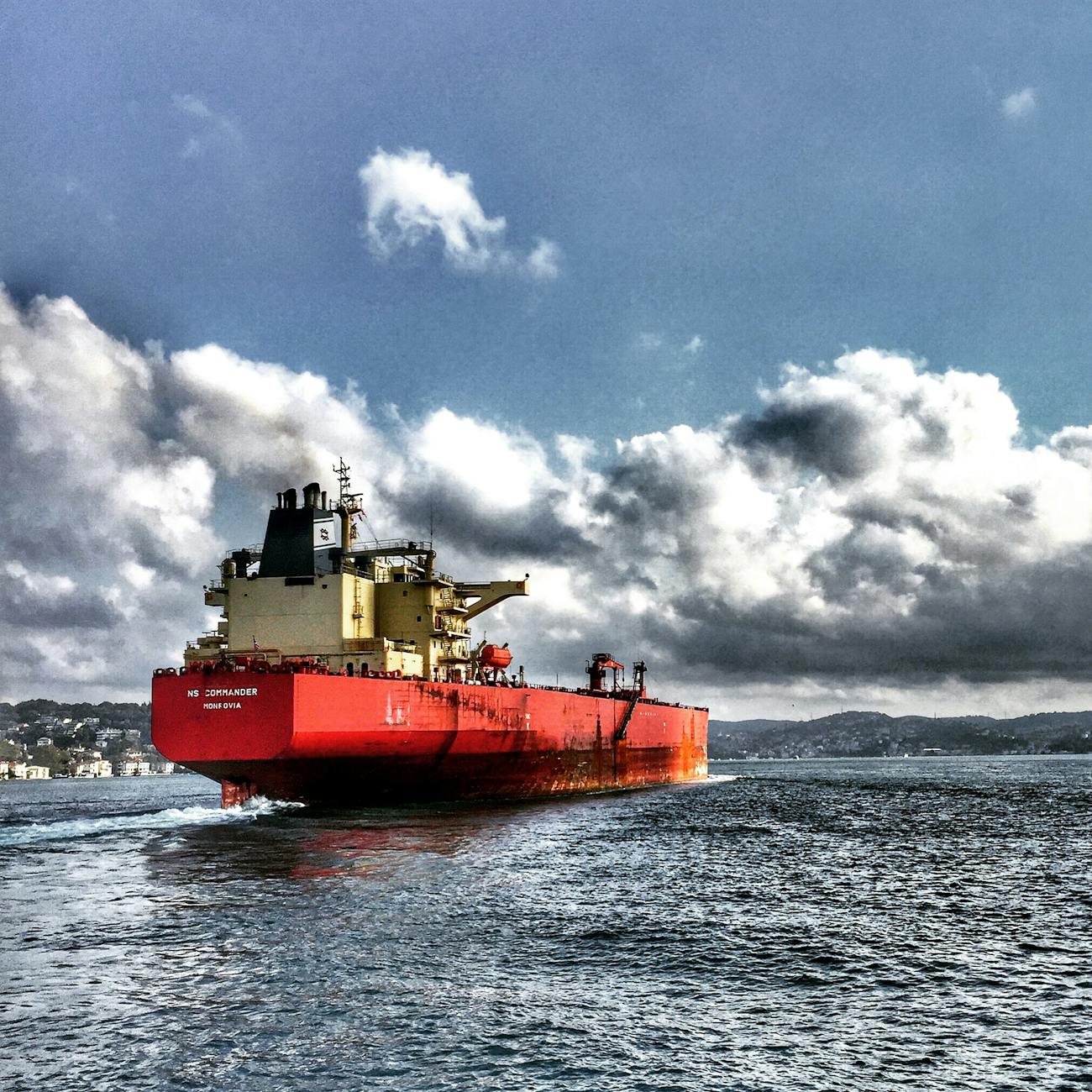
Maritime law is a specialized area of law that governs activities and issues related to the sea. It covers a wide range of topics such as shipping, navigation, marine pollution, maritime boundaries, and more. International Maritime Conventions are agreements or treaties between countries that establish rules and standards for maritime activities on a global scale. These conventions are crucial for ensuring the safety, security, and sustainability of the maritime industry.
Key Terms and Vocabulary
1. UNCLOS (United Nations Convention on the Law of the Sea) - UNCLOS is a comprehensive international treaty that sets out the rights and responsibilities of nations in their use of the world's oceans. It defines maritime zones, establishes rules for navigation, and regulates marine resources.
2. IMO (International Maritime Organization) - The IMO is a specialized agency of the United Nations that is responsible for regulating shipping. It develops and enforces international conventions and standards to improve maritime safety, security, and environmental protection.
3. SOLAS (International Convention for the Safety of Life at Sea) - SOLAS is an international maritime safety treaty that sets minimum safety standards for ships, including construction, equipment, and operation. It aims to prevent accidents at sea and save lives.
4. MARPOL (International Convention for the Prevention of Pollution from Ships) - MARPOL is an international treaty that aims to prevent and minimize pollution of the marine environment from ships. It sets out regulations for the discharge of oil, chemicals, sewage, and garbage into the sea.
5. STCW (International Convention on Standards of Training, Certification and Watchkeeping for Seafarers) - STCW is an international treaty that establishes minimum training and certification requirements for seafarers. It ensures that seafarers have the necessary skills and knowledge to perform their duties safely and effectively.
6. LLMC (International Convention on Limitation of Liability for Maritime Claims) - LLMC is an international treaty that limits the liability of shipowners in the event of maritime claims such as collisions, oil spills, and cargo damage. It provides a framework for determining the maximum amount of compensation that can be claimed.
7. HNS (International Convention on Liability and Compensation for Damage in Connection with the Carriage of Hazardous and Noxious Substances by Sea) - The HNS Convention is an international treaty that establishes a compensation regime for damage caused by hazardous and noxious substances during maritime transport. It ensures that victims of pollution incidents are adequately compensated.
8. BWM (International Convention for the Control and Management of Ships' Ballast Water and Sediments) - The BWM Convention is an international treaty that aims to prevent the spread of invasive aquatic species through ships' ballast water. It requires ships to manage their ballast water to minimize environmental impact.
9. FAL (International Convention on Facilitation of International Maritime Traffic) - The FAL Convention is an international treaty that aims to streamline customs and port procedures to facilitate the efficient movement of ships and cargo. It promotes international cooperation and coordination in maritime transport.
10. ISPS (International Ship and Port Facility Security Code) - The ISPS Code is a set of security measures developed by the IMO to enhance the security of ships and port facilities. It aims to prevent acts of terrorism and piracy in the maritime industry.
11. MLC (Maritime Labour Convention) - The MLC is an international treaty that sets out minimum standards for seafarers' living and working conditions. It addresses issues such as employment rights, health and safety, and crew welfare on board ships.
12. Flag State - The country in which a ship is registered and to which it belongs. The flag state is responsible for ensuring that the ship complies with international regulations and standards.
13. Port State - The country in which a ship is visiting or calling at a port. The port state has the authority to inspect the ship and enforce compliance with international conventions and regulations.
14. Classification Society - An organization that sets technical standards for the design, construction, and maintenance of ships. Classification societies certify that ships meet safety and quality requirements.
15. Seaworthiness - The condition of a ship that makes it fit for its intended voyage. A seaworthy ship is properly equipped, maintained, and manned to ensure the safety of its crew, passengers, and cargo.
16. Collision Regulations - International rules that govern the prevention of collisions at sea. These regulations, also known as COLREGs, set out the responsibilities of vessels to avoid accidents and ensure safe navigation.
17. Pollution Prevention - Measures and practices aimed at reducing or eliminating pollution in the marine environment. Pollution prevention efforts focus on minimizing the discharge of harmful substances into the sea.
18. Search and Rescue - The coordinated efforts to locate and assist distressed vessels or individuals at sea. Search and rescue operations are conducted by maritime authorities to save lives and prevent maritime accidents.
19. Liability and Compensation - Legal principles and mechanisms for holding parties accountable for maritime incidents and compensating those affected by them. Liability and compensation regimes ensure that victims receive adequate redress for damages.
20. Flag State Control - The authority of the flag state to inspect and regulate its ships to ensure compliance with international conventions. Flag state control is essential for maintaining the safety and quality of the fleet.
Practical Applications
Understanding key terms and vocabulary related to International Maritime Conventions is essential for maritime law practitioners, ship operators, port authorities, and other stakeholders in the maritime industry. Here are some practical applications of this knowledge:
1. Compliance: By familiarizing themselves with the relevant conventions and regulations, ship operators can ensure that their vessels meet international standards for safety, security, and environmental protection. This includes implementing necessary measures to prevent pollution, ensure crew training, and maintain the seaworthiness of their ships.
2. Risk Management: Knowledge of liability and compensation regimes allows maritime stakeholders to assess and mitigate risks associated with maritime operations. By understanding their legal obligations and potential liabilities, they can take proactive steps to prevent accidents and minimize financial losses.
3. Port Operations: Port authorities play a crucial role in enforcing international conventions and ensuring compliance by visiting ships. By being familiar with key terms such as port state control and ISPS Code, port officials can effectively carry out inspections, security measures, and facilitate the smooth movement of ships and cargo.
4. Crew Welfare: The MLC sets out specific requirements for seafarers' living and working conditions, including health and safety standards, rest hours, and access to medical care. Shipowners and operators must adhere to these provisions to protect the well-being of their crew members and avoid legal repercussions.
5. Environmental Protection: The BWM Convention and MARPOL regulations aim to prevent pollution and environmental damage from ships. By implementing ballast water management systems and following pollution prevention measures, ship operators can contribute to preserving marine ecosystems and complying with international environmental standards.
Challenges
While International Maritime Conventions serve as essential frameworks for regulating the maritime industry, they also present challenges for stakeholders. Some of the key challenges include:
1. Compliance Complexity: The sheer volume of conventions, regulations, and guidelines can make it challenging for ship operators and maritime authorities to stay up to date and ensure full compliance. Keeping track of evolving standards and requirements requires continuous monitoring and adaptation.
2. Enforcement: Despite the existence of international conventions, enforcement mechanisms can vary between countries, leading to inconsistencies in implementation and compliance. Some flag states may have weaker regulatory frameworks or enforcement capabilities, creating loopholes for non-compliance.
3. Legal Uncertainty: Interpretation and application of international maritime law can be complex and subject to differing opinions. Disputes over jurisdiction, liability, and compensation may arise, requiring legal expertise and resolution through international arbitration or litigation.
4. Resource Constraints: Implementing and maintaining compliance with international conventions can be costly for ship operators, especially for smaller or less developed countries. Investments in equipment, training, and infrastructure may be necessary to meet the required standards.
5. Evolving Challenges: The maritime industry faces new challenges such as cyber threats, climate change, and emerging technologies that may not be adequately addressed by existing conventions. Adapting to these evolving risks requires continuous innovation and collaboration among stakeholders.
In conclusion, International Maritime Conventions play a vital role in shaping the legal framework for the global maritime industry. By understanding key terms and vocabulary related to these conventions, stakeholders can navigate complex legal issues, ensure compliance with international standards, and address challenges effectively. Continuous education and awareness of international maritime law are essential for promoting safety, security, and sustainability in maritime operations.
Key takeaways
- International Maritime Conventions are agreements or treaties between countries that establish rules and standards for maritime activities on a global scale.
- UNCLOS (United Nations Convention on the Law of the Sea) - UNCLOS is a comprehensive international treaty that sets out the rights and responsibilities of nations in their use of the world's oceans.
- IMO (International Maritime Organization) - The IMO is a specialized agency of the United Nations that is responsible for regulating shipping.
- SOLAS (International Convention for the Safety of Life at Sea) - SOLAS is an international maritime safety treaty that sets minimum safety standards for ships, including construction, equipment, and operation.
- MARPOL (International Convention for the Prevention of Pollution from Ships) - MARPOL is an international treaty that aims to prevent and minimize pollution of the marine environment from ships.
- STCW (International Convention on Standards of Training, Certification and Watchkeeping for Seafarers) - STCW is an international treaty that establishes minimum training and certification requirements for seafarers.
- It provides a framework for determining the maximum amount of compensation that can be claimed.