
Law of the Carriage of Goods by Sea
The Law of the Carriage of Goods by Sea is a fundamental aspect of maritime law that governs the rights and obligations of parties involved in the transportation of goods by sea. Understanding key terms and vocabulary in this field is cruci…
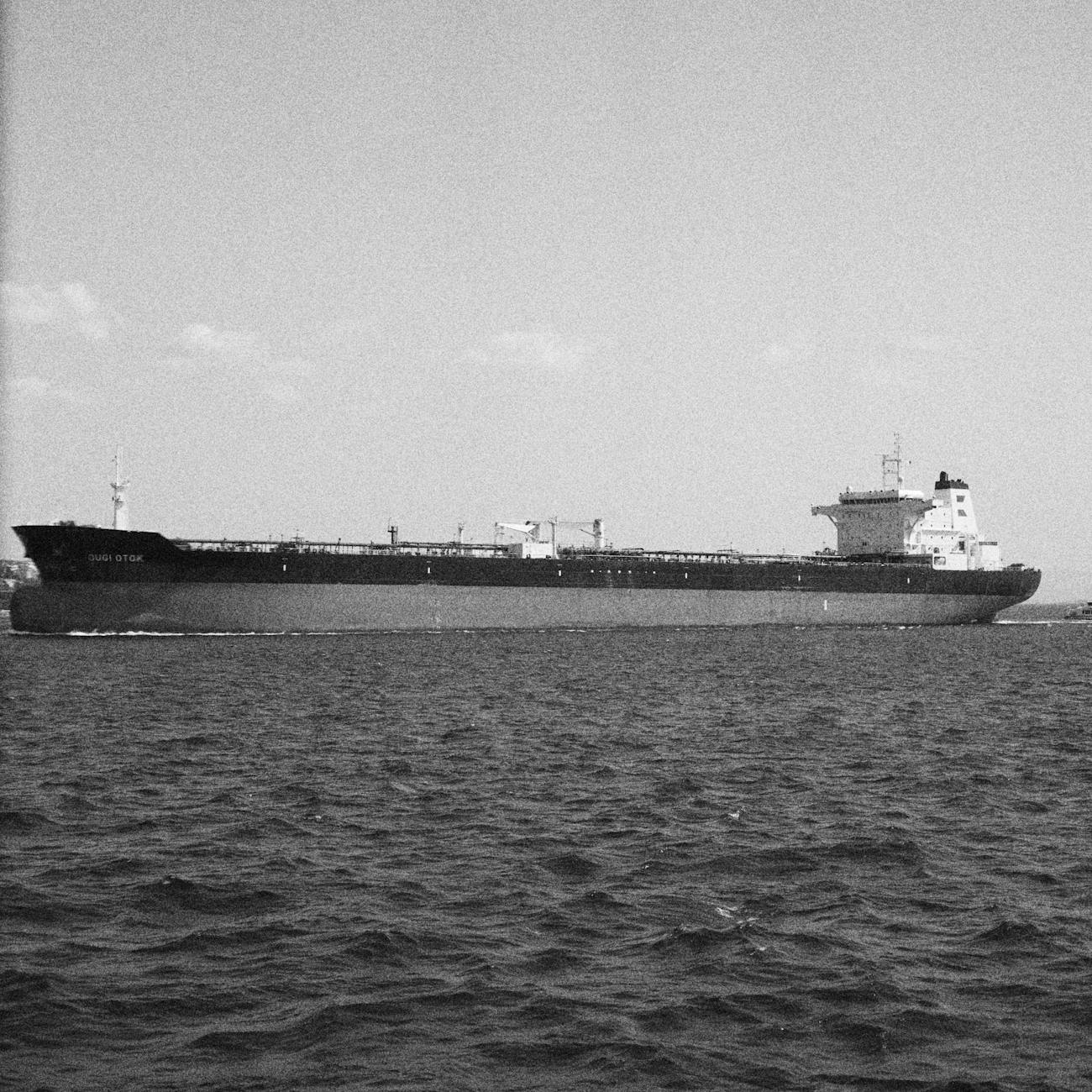
The Law of the Carriage of Goods by Sea is a fundamental aspect of maritime law that governs the rights and obligations of parties involved in the transportation of goods by sea. Understanding key terms and vocabulary in this field is crucial for practitioners and students of maritime law to navigate the complexities of this area effectively. In this explanation, we will delve into essential terms and concepts that are relevant to the Graduate Certificate in Advanced Maritime Law.
1. **Bill of Lading**: A bill of lading is a document issued by a carrier to a shipper, acknowledging receipt of goods for shipment. It serves as a receipt for the goods, evidence of the contract of carriage, and a document of title to the goods. The bill of lading sets out the terms and conditions of the carriage, including the description of the goods, the parties involved, and the destination.
2. **Carrier**: The carrier is the party responsible for the transportation of goods by sea under a contract of carriage. The carrier may be the owner, charterer, or operator of the vessel. The carrier has obligations to transport the goods safely and timely and deliver them to the consignee in the same condition as received.
3. **Consignee**: The consignee is the party to whom the goods are to be delivered at the destination port. The consignee may be the buyer, importer, or receiver of the goods. The consignee's rights and obligations are defined by the terms of the contract of carriage and the bill of lading.
4. **Freight**: Freight is the price paid for the transportation of goods by sea. It is usually calculated based on the weight or volume of the goods and the distance to be traveled. The freight charges are agreed upon in the contract of carriage and are payable by the shipper or consignee.
5. **Charterparty**: A charterparty is a contract for the hire of a vessel, either on a time charter or a voyage charter basis. In a time charter, the charterer hires the vessel for a specific period, while in a voyage charter, the charterer hires the vessel for a particular voyage. The charterparty sets out the terms and conditions of the charter, including the hire rate, laytime, and demurrage.
6. **Deviation**: Deviation is a departure from the agreed route or schedule of a vessel. Deviation may be necessary due to safety concerns, weather conditions, or other unforeseen circumstances. However, deviation without a valid reason may result in liability for the carrier.
7. **General Average**: General average is a principle in maritime law where all parties involved in a sea voyage contribute proportionally to the losses incurred to save the vessel, cargo, or crew from a common peril. General average expenses may include sacrifices made, such as jettisoning cargo, or expenses for repairs or salvage.
8. **Demurrage**: Demurrage is a charge imposed on the charterer for delays in loading or unloading cargo beyond the agreed time. Demurrage is intended to compensate the shipowner for the loss of use of the vessel during the delay. The terms and conditions for demurrage are usually set out in the charterparty.
9. **Laytime**: Laytime is the period allowed for the loading and unloading of cargo under a charterparty. The laytime may be specified as a certain number of days or hours, or as a fixed period for each operation. If the cargo is not loaded or unloaded within the laytime, demurrage may be payable.
10. **Hague-Visby Rules**: The Hague-Visby Rules are international conventions that regulate the carriage of goods by sea. The rules provide for the rights and liabilities of carriers, shippers, and consignees in relation to the transportation of goods. The Hague-Visby Rules are incorporated into many national laws and govern the contract of carriage for many shipments.
11. **Seaworthiness**: Seaworthiness is the obligation of the carrier to ensure that the vessel is fit for the intended voyage. A seaworthy vessel must be properly equipped, manned, and maintained to withstand the perils of the sea. The carrier is responsible for ensuring the vessel's seaworthiness throughout the voyage.
12. **Perils of the Sea**: Perils of the sea refer to the risks and dangers inherent in maritime navigation, such as storms, collisions, and other natural events. The carrier is not liable for losses or damages caused by perils of the sea unless they result from the carrier's negligence or unseaworthiness.
13. **Containerization**: Containerization is a system of transporting goods in standardized containers that can be easily transferred between different modes of transportation, such as ships, trucks, and trains. Containerization has revolutionized the shipping industry by improving efficiency, security, and cost-effectiveness in the carriage of goods.
14. **Through Bill of Lading**: A through bill of lading is a single document covering the transportation of goods from the point of origin to the final destination, involving multiple modes of transport. The through bill of lading consolidates the contract of carriage for the entire journey and simplifies the documentation process for the shipper and consignee.
15. **Charterer's Liability**: The charterer may assume certain liabilities under a charterparty, such as liability for cargo damage, pollution, or fines. The extent of the charterer's liability depends on the terms of the charterparty and the applicable law. It is essential for charterers to understand their obligations and liabilities under the charterparty.
16. **Marine Insurance**: Marine insurance provides coverage for risks associated with the transportation of goods by sea, such as loss, damage, or delay. Marine insurance policies may cover hull and machinery, cargo, liability, and other risks. It is crucial for shippers, carriers, and other parties involved in maritime transport to obtain appropriate marine insurance coverage.
17. **Arrest of Vessel**: The arrest of a vessel is a legal process by which a creditor obtains a court order to detain the vessel for non-payment of debts. The arrest of a vessel may occur in cases of maritime claims, such as unpaid freight, damage to cargo, or breach of contract. Vessel arrest is a powerful remedy available to creditors in maritime law.
18. **Maritime Liens**: Maritime liens are legal rights granted to certain creditors to claim a security interest in a vessel or its cargo for unpaid debts. Maritime liens may arise from maritime claims, such as salvage, damage to property, or wages of seamen. Maritime liens enable creditors to enforce their claims against the vessel or cargo.
19. **Forum Selection Clause**: A forum selection clause is a provision in a contract that designates the jurisdiction or venue for resolving disputes that may arise under the contract. Forum selection clauses are common in maritime contracts to specify the courts or arbitration tribunals that have jurisdiction over disputes. It is essential to carefully consider and negotiate forum selection clauses in maritime contracts.
20. **Salvage**: Salvage is the act of rescuing a vessel, its cargo, or its passengers from peril at sea. Salvage operations may be carried out by professional salvors who are entitled to a salvage award for their efforts. Salvage awards are determined based on the value of the property saved, the risks involved, and the skill and efforts of the salvors.
21. **Limitation of Liability**: The limitation of liability is a legal principle that allows shipowners to limit their liability for claims arising from maritime incidents, such as collisions, pollution, or cargo damage. Shipowners may limit their liability to the value of the vessel and its freight at the end of the voyage, subject to certain exceptions. Limitation of liability is a significant protection for shipowners in maritime law.
22. **Bunker Clause**: A bunker clause is a provision in a charterparty that specifies which party is responsible for providing fuel (bunkers) for the vessel during the voyage. The bunker clause may allocate the cost of bunkers to the charterer, the owner, or both parties, depending on the terms of the charterparty. It is essential to clarify the bunker clause in the charterparty to avoid disputes over fuel costs.
23. **Time Charter Party**: A time charter party is a contract for the hire of a vessel for a specific period, during which the charterer has control over the vessel and pays a hire rate to the owner. In a time charter party, the owner retains responsibility for the operation and maintenance of the vessel, while the charterer uses the vessel for commercial purposes.
24. **Voyage Charter Party**: A voyage charter party is a contract for the hire of a vessel for a particular voyage or series of voyages, during which the owner retains control of the vessel. In a voyage charter party, the owner is responsible for the operation and maintenance of the vessel, while the charterer pays freight for the carriage of goods on the specified voyage.
25. **Incorporation Clause**: An incorporation clause is a provision in a contract that incorporates external terms and conditions by reference, such as standard industry terms, international conventions, or other documents. The incorporation clause specifies that the external terms are deemed to be part of the contract and binding on the parties. It is essential to clearly identify and understand the terms incorporated by reference in a contract.
26. **COGSA**: The Carriage of Goods by Sea Act (COGSA) is a U.S. federal statute that governs the rights and liabilities of parties involved in the carriage of goods by sea to or from U.S. ports. COGSA is based on the Hague Rules and establishes rules for bills of lading, the carrier's liability, and other aspects of maritime transport. COGSA is a critical legal framework for maritime commerce in the United States.
27. **Maritime Arbitration**: Maritime arbitration is a method of resolving disputes arising from maritime contracts through arbitration proceedings. Maritime arbitration provides a private, efficient, and flexible alternative to traditional litigation for resolving maritime disputes. Arbitration clauses are commonly included in maritime contracts to designate arbitration as the method for resolving disputes.
28. **Liner Terms**: Liner terms are standard terms and conditions used in liner shipping contracts, such as bills of lading and charterparties. Liner terms may include provisions on freight rates, cargo handling, demurrage, and other aspects of the carriage of goods by sea. Understanding liner terms is essential for parties involved in liner shipping to ensure compliance with industry standards.
29. **War Risks Insurance**: War risks insurance provides coverage for losses or damages caused by acts of war, civil unrest, piracy, or other war-related perils. War risks insurance is essential for vessels navigating high-risk areas or operating in regions prone to political instability. War risks insurance policies may be obtained as standalone coverage or as part of a broader marine insurance policy.
30. **Cabotage**: Cabotage refers to the restriction of maritime transport services between domestic ports to vessels registered in the same country. Cabotage laws are intended to protect national shipping industries and promote economic development. Understanding cabotage regulations is crucial for foreign vessels and operators seeking to engage in coastal trade.
In conclusion, mastering the key terms and vocabulary of the Law of the Carriage of Goods by Sea is essential for professionals in the maritime industry and students of maritime law. By familiarizing themselves with these concepts, practitioners can navigate the complexities of maritime contracts, bills of lading, charterparties, and other legal instruments effectively. A solid understanding of these terms will enable individuals to negotiate contracts, resolve disputes, and ensure compliance with international conventions and national laws governing the carriage of goods by sea.
Key takeaways
- The Law of the Carriage of Goods by Sea is a fundamental aspect of maritime law that governs the rights and obligations of parties involved in the transportation of goods by sea.
- The bill of lading sets out the terms and conditions of the carriage, including the description of the goods, the parties involved, and the destination.
- The carrier has obligations to transport the goods safely and timely and deliver them to the consignee in the same condition as received.
- The consignee's rights and obligations are defined by the terms of the contract of carriage and the bill of lading.
- The freight charges are agreed upon in the contract of carriage and are payable by the shipper or consignee.
- In a time charter, the charterer hires the vessel for a specific period, while in a voyage charter, the charterer hires the vessel for a particular voyage.
- Deviation may be necessary due to safety concerns, weather conditions, or other unforeseen circumstances.