
Railroad Operations and Maintenance
Railroad Operations and Maintenance are critical aspects of the railway industry, ensuring the safe and efficient movement of trains. This explanation will cover key terms and vocabulary related to Railroad Operations and Maintenance in the…
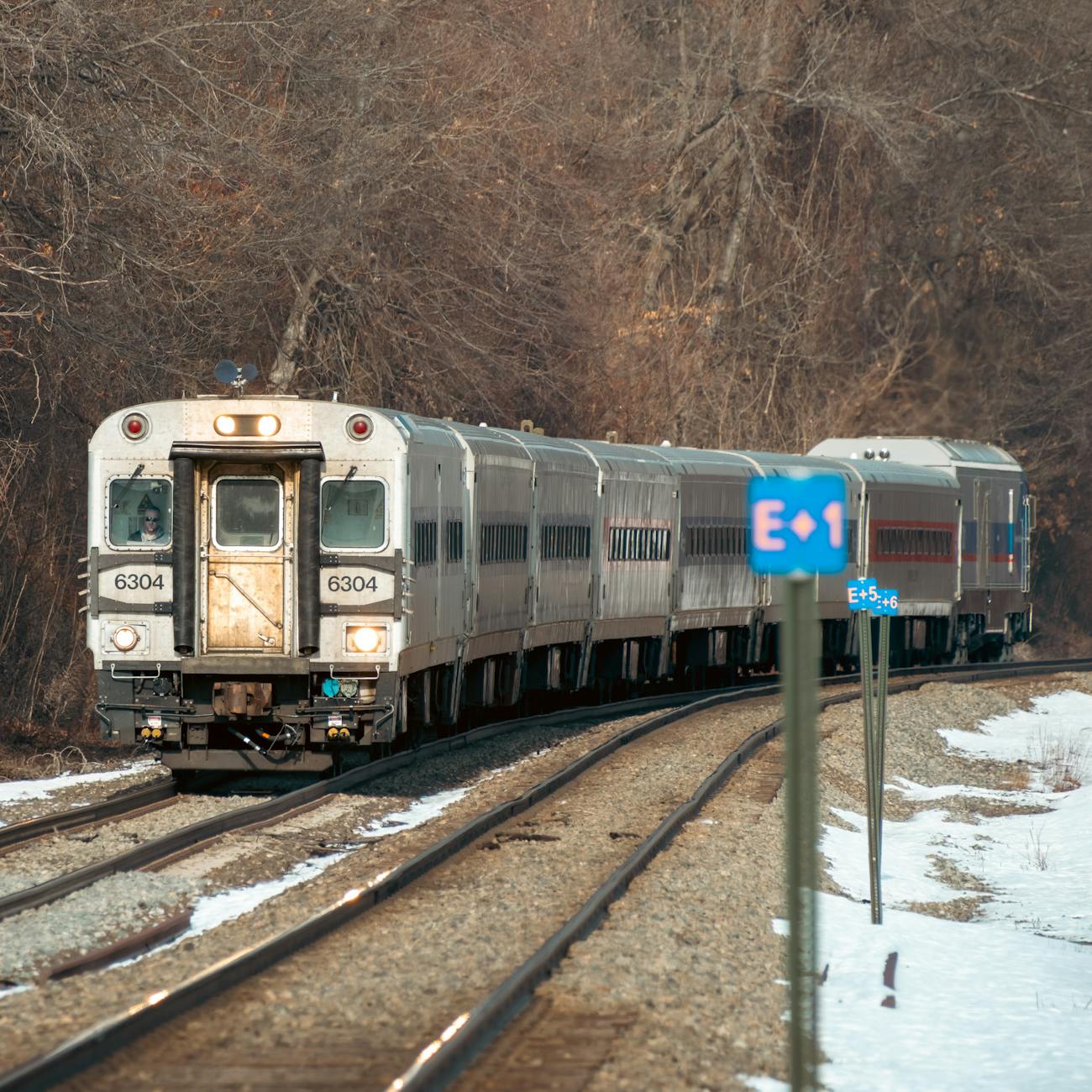
Railroad Operations and Maintenance are critical aspects of the railway industry, ensuring the safe and efficient movement of trains. This explanation will cover key terms and vocabulary related to Railroad Operations and Maintenance in the context of the Certificate in High-Speed Rail Design and Construction.
**Railway Infrastructure:** Railway infrastructure refers to the physical components of a railway system, including tracks, bridges, tunnels, signals, and stations. Proper maintenance of railway infrastructure is essential for ensuring the safe and reliable operation of trains.
**Track Maintenance:** Track maintenance involves the regular inspection, repair, and upkeep of railway tracks to ensure they are in optimal condition for train operations. This includes tasks such as track alignment, ballast maintenance, and rail welding.
**Ballast:** Ballast is a layer of crushed stone or gravel that provides support and drainage for railway tracks. Proper ballast maintenance is crucial for ensuring track stability and preventing track deformations.
**Rail Welding:** Rail welding is the process of joining two rail sections together to create a continuous track. This process helps to eliminate track joints, reducing wear and tear on trains and providing a smoother ride.
**Switches and Crossings:** Switches and crossings are specialized track components that allow trains to change from one track to another. Proper maintenance of switches and crossings is essential for ensuring safe and efficient train movements.
**Signaling Systems:** Signaling systems are used to control train movements and ensure safe spacing between trains. These systems include signals, track circuits, and interlocking systems that help prevent collisions and ensure the smooth flow of train traffic.
**Train Control Systems:** Train control systems are technologies that monitor and control train movements, including speed, braking, and acceleration. These systems help improve safety and efficiency on the railway network.
**Rail Operations:** Rail operations refer to the day-to-day management of train movements, scheduling, and crew assignments. Effective rail operations are essential for maintaining a reliable and efficient railway service.
**Train Scheduling:** Train scheduling involves planning the movement of trains to ensure efficient use of railway infrastructure and resources. Factors such as train speed, station stops, and track availability are considered when creating train schedules.
**Dispatching:** Dispatching is the process of coordinating train movements and communicating instructions to train crews. Dispatchers play a crucial role in ensuring the safe and on-time operation of trains.
**Yard Operations:** Yard operations involve the sorting, assembling, and dispatching of trains in railway yards. Proper yard operations are essential for efficient train operations and maintaining a steady flow of traffic.
**Maintenance of Way (MOW):** Maintenance of Way refers to the maintenance and repair of railway infrastructure, including tracks, bridges, and signals. MOW crews are responsible for ensuring the safe and reliable operation of the railway network.
**Rail Vehicle Maintenance:** Rail vehicle maintenance involves the regular inspection, repair, and upkeep of trains and locomotives. This includes tasks such as wheel and brake maintenance, engine inspections, and interior cleaning.
**Wheel and Brake Maintenance:** Wheel and brake maintenance involves inspecting and servicing the wheels and brakes of trains to ensure they are in good working condition. Proper wheel and brake maintenance is essential for safe train operations.
**Engine Inspections:** Engine inspections are conducted to ensure the mechanical integrity of locomotives and ensure they meet safety standards. Regular engine inspections help prevent breakdowns and ensure reliable train operations.
**Interior Cleaning:** Interior cleaning involves the regular cleaning and sanitation of train interiors to provide passengers with a comfortable and hygienic travel experience. Proper interior cleaning is essential for maintaining a positive passenger experience.
**Rail Safety Regulations:** Rail safety regulations are government-mandated rules and standards that govern the operation and maintenance of railways. These regulations are designed to ensure the safety of passengers, crew, and the general public.
**Rail Asset Management:** Rail asset management involves the strategic management of railway assets, including infrastructure, rolling stock, and signaling systems. Effective asset management helps optimize the performance and reliability of the railway network.
**Risk Management:** Risk management involves identifying and mitigating potential risks that could impact railway operations. This includes assessing safety hazards, implementing safety measures, and developing contingency plans.
**Emergency Response:** Emergency response refers to the procedures and protocols in place to address emergencies such as accidents, derailments, or natural disasters. Effective emergency response is crucial for minimizing disruptions and ensuring the safety of passengers and crew.
**Railway Maintenance Equipment:** Railway maintenance equipment includes specialized tools and machinery used for track maintenance, vehicle maintenance, and infrastructure repairs. Examples of railway maintenance equipment include track tampers, rail grinders, and ballast regulators.
**Track Tampers:** Track tampers are machines used to pack and align railway ballast, ensuring proper track stability and alignment. These machines help maintain track geometry and prevent track deformations.
**Rail Grinders:** Rail grinders are machines used to grind and shape railway tracks, ensuring a smooth and even surface for train operations. Rail grinders help reduce track wear and improve ride quality for passengers.
**Ballast Regulators:** Ballast regulators are machines used to distribute and shape railway ballast, ensuring proper track support and drainage. Ballast regulators help maintain track stability and prevent ballast deformations.
**Railway Inspection:** Railway inspection involves the regular assessment and monitoring of railway infrastructure, including tracks, bridges, and signals. Inspections help identify potential issues and ensure the safe and reliable operation of trains.
**Track Geometry:** Track geometry refers to the alignment and curvature of railway tracks. Proper track geometry is essential for ensuring smooth train operations and preventing issues such as derailments or excessive track wear.
**Traction Power Systems:** Traction power systems provide electrical power to trains for propulsion and operation. These systems include overhead wires, third rails, and substations that supply power to trains through electric motors.
**Overhead Wires:** Overhead wires are used to supply electricity to trains via pantographs mounted on the train roofs. These wires provide power for train propulsion and operation, especially in electrified railway systems.
**Third Rails:** Third rails are electrified rails located alongside the tracks that supply power to trains through contact shoes or skates. Third rail systems are commonly used in subway and urban rail systems.
**Substations:** Substations are facilities that convert high-voltage electricity from the grid into the lower voltages required for train operation. Substations distribute power to railway tracks and traction systems.
**High-Speed Rail Operations:** High-speed rail operations involve the operation of trains at speeds exceeding conventional rail services. High-speed rail requires specialized infrastructure, signaling systems, and rolling stock to ensure safe and efficient operations.
**Positive Train Control (PTC):** Positive Train Control is a technology that automatically controls train movements to prevent accidents caused by human error. PTC systems monitor train speed, braking, and track conditions to enhance safety on the railway network.
**Train Dispatching Systems:** Train dispatching systems are software applications used to manage train movements, schedules, and crew assignments. These systems help dispatchers coordinate train operations and ensure efficient traffic flow.
**Railway Communication Systems:** Railway communication systems include radios, telephones, and signaling devices used for communication between train crews, dispatchers, and maintenance personnel. Effective communication systems are essential for safe and efficient rail operations.
**Railway Incident Management:** Railway incident management involves responding to accidents, disruptions, or emergencies on the railway network. Incident management protocols help minimize disruptions, ensure passenger safety, and restore normal operations quickly.
**Public-Private Partnerships (PPP):** Public-private partnerships involve collaboration between government agencies and private companies to develop, finance, and operate railway projects. PPPs are used to leverage private sector expertise and resources for railway infrastructure development.
**Environmental Sustainability in Rail Operations:** Environmental sustainability in rail operations involves reducing the environmental impact of railway activities, such as energy consumption, emissions, and waste generation. Sustainable practices help minimize the carbon footprint of rail operations.
**Challenges in Railroad Operations and Maintenance:** Railroad operations and maintenance face various challenges, including aging infrastructure, capacity constraints, funding limitations, and workforce shortages. Addressing these challenges requires strategic planning, investment, and innovation in railway practices.
**Conclusion:** Railroad operations and maintenance are essential components of the railway industry, ensuring the safe and efficient movement of trains. By understanding key terms and concepts related to railroad operations and maintenance, professionals in the field can effectively manage railway assets, optimize train operations, and enhance the overall performance of the railway network.
Key takeaways
- This explanation will cover key terms and vocabulary related to Railroad Operations and Maintenance in the context of the Certificate in High-Speed Rail Design and Construction.
- **Railway Infrastructure:** Railway infrastructure refers to the physical components of a railway system, including tracks, bridges, tunnels, signals, and stations.
- **Track Maintenance:** Track maintenance involves the regular inspection, repair, and upkeep of railway tracks to ensure they are in optimal condition for train operations.
- **Ballast:** Ballast is a layer of crushed stone or gravel that provides support and drainage for railway tracks.
- **Rail Welding:** Rail welding is the process of joining two rail sections together to create a continuous track.
- **Switches and Crossings:** Switches and crossings are specialized track components that allow trains to change from one track to another.
- These systems include signals, track circuits, and interlocking systems that help prevent collisions and ensure the smooth flow of train traffic.