
High Speed Rail Cost Estimation and Budgeting
High-Speed Rail Cost Estimation and Budgeting involve various key terms and vocabulary that are essential for professionals in the field of High-Speed Rail Design and Construction. Understanding these terms is crucial for accurately estimat…
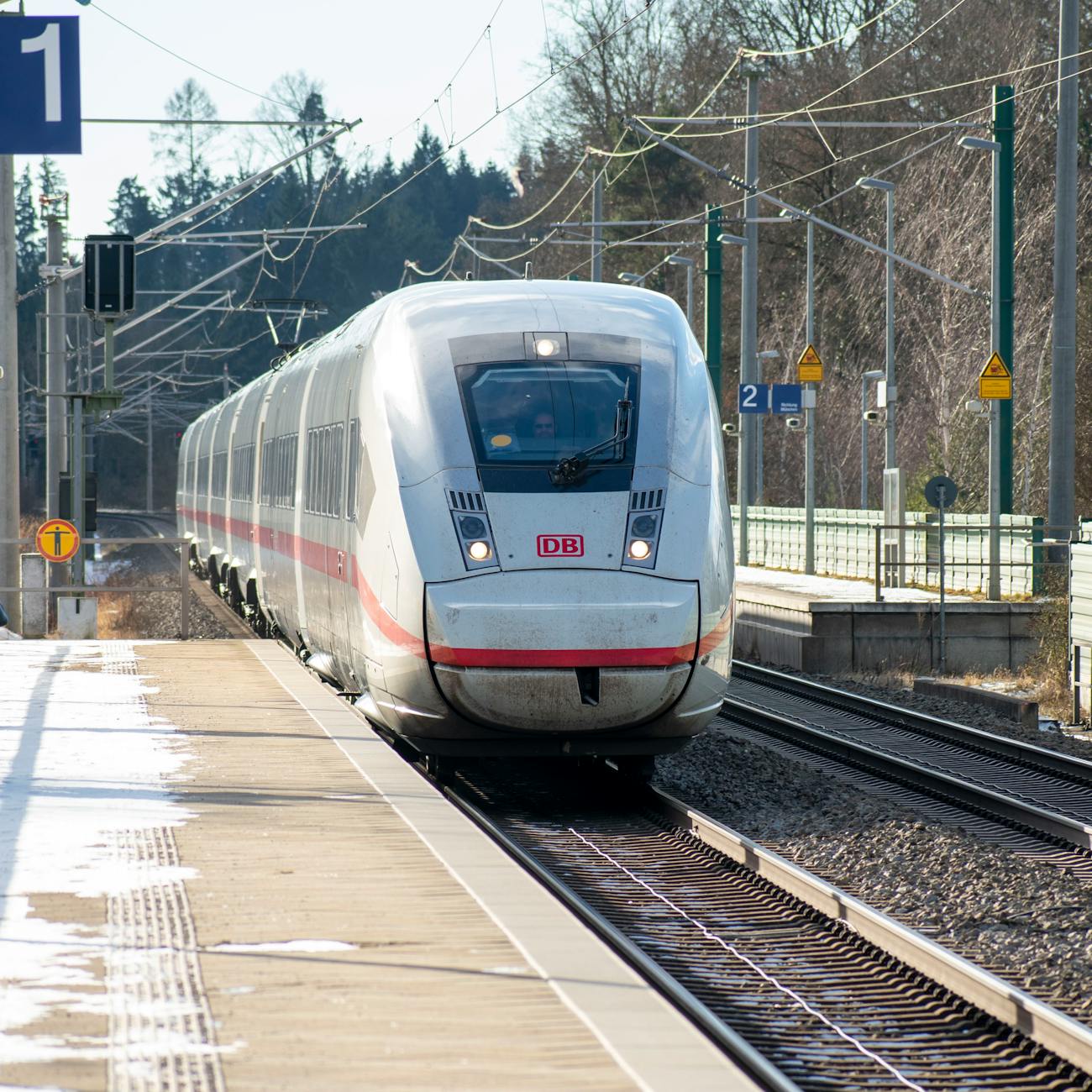
High-Speed Rail Cost Estimation and Budgeting involve various key terms and vocabulary that are essential for professionals in the field of High-Speed Rail Design and Construction. Understanding these terms is crucial for accurately estimating costs, creating budgets, and successfully managing High-Speed Rail projects. Let's explore some of the most important terms related to High-Speed Rail Cost Estimation and Budgeting:
1. **Project Scope**: The defined objectives, deliverables, and constraints of a High-Speed Rail project. Understanding the project scope is essential for accurate cost estimation and budgeting.
2. **Cost Estimation**: The process of predicting the costs of a High-Speed Rail project based on available information, historical data, and expert judgment. Cost estimation involves determining the resources required and the associated costs.
3. **Direct Costs**: Costs directly attributed to the construction of the High-Speed Rail project, such as labor, materials, equipment, and subcontractor costs.
4. **Indirect Costs**: Costs that are not directly attributed to the construction of the High-Speed Rail project but are necessary for its completion, such as overhead costs, administrative costs, and insurance.
5. **Contingency**: An amount added to the estimated cost of a High-Speed Rail project to account for uncertainties and risks. Contingency helps mitigate cost overruns and unexpected expenses.
6. **Escalation**: The adjustment of costs over time to account for inflation, changes in market conditions, or other factors that may impact the project budget. Escalation is crucial for accurate budgeting.
7. **Life Cycle Cost**: The total cost of owning, operating, and maintaining a High-Speed Rail project over its entire lifespan. Life cycle cost estimation helps in making informed decisions about investments and project sustainability.
8. **Value Engineering**: A systematic approach to improving the value of a High-Speed Rail project by optimizing costs, quality, and performance. Value engineering aims to maximize the benefits while minimizing the costs.
9. **Earned Value Management (EVM)**: A project management technique that measures the performance of a High-Speed Rail project in terms of cost and schedule. EVM helps track project progress and identify potential cost overruns.
10. **Benchmarking**: Comparing the costs and performance of a High-Speed Rail project with industry standards or best practices. Benchmarking helps identify areas for improvement and cost-saving opportunities.
11. **Risk Management**: The process of identifying, assessing, and mitigating risks that may impact the cost and schedule of a High-Speed Rail project. Effective risk management is essential for successful cost estimation and budgeting.
12. **Bid Analysis**: Evaluating and comparing bids from contractors and suppliers to determine the most cost-effective solution for a High-Speed Rail project. Bid analysis helps in selecting the best value for money.
13. **Cost Control**: The process of monitoring, controlling, and managing costs throughout the lifecycle of a High-Speed Rail project. Cost control ensures that the project stays within the budget and meets its financial objectives.
14. **Cash Flow**: The movement of money in and out of a High-Speed Rail project over time. Managing cash flow is crucial for ensuring that there are enough funds available to cover expenses and avoid delays.
15. **Change Order**: A written agreement that modifies the scope, schedule, or cost of a High-Speed Rail project. Change orders may impact the budget and require careful evaluation to avoid cost overruns.
16. **Cost-Benefit Analysis**: A systematic approach to evaluating the costs and benefits of a High-Speed Rail project. Cost-benefit analysis helps in decision-making by comparing the expected costs with the anticipated benefits.
17. **Value for Money (VFM)**: The concept of obtaining the best value for the resources invested in a High-Speed Rail project. VFM considers not only the costs but also the quality, performance, and long-term benefits.
18. **Sunk Costs**: Costs that have already been incurred and cannot be recovered. Sunk costs should not influence future decisions about a High-Speed Rail project's budget or scope.
19. **Opportunity Costs**: The potential benefits that are foregone when choosing one option over another in a High-Speed Rail project. Considering opportunity costs helps in making informed decisions about resource allocation.
20. **Stakeholder Management**: Engaging with and managing the expectations of individuals or groups who have an interest in or are affected by the High-Speed Rail project. Effective stakeholder management is essential for successful cost estimation and budgeting.
21. **Quality Assurance**: A systematic process to ensure that the High-Speed Rail project meets the required quality standards and specifications. Quality assurance helps in preventing rework and cost overruns.
22. **Value Management**: A structured approach to maximizing value in a High-Speed Rail project by balancing cost, quality, and performance. Value management aims to achieve the best possible outcomes within the available resources.
23. **Risk Register**: A document that identifies and records the risks associated with a High-Speed Rail project, along with their likelihood and impact. The risk register helps in prioritizing risks and developing mitigation strategies.
24. **Critical Path Analysis**: A method for identifying the sequence of activities that determine the duration of a High-Speed Rail project. Critical path analysis helps in scheduling and resource allocation to ensure timely completion.
25. **Cost Overrun**: The situation where the actual costs of a High-Speed Rail project exceed the budgeted costs. Cost overruns can lead to delays, disputes, and financial losses if not managed effectively.
26. **Cost Variance**: The the difference between the budgeted costs and the actual costs of a High-Speed Rail project. Cost variance is used to assess the project's financial performance and identify areas for improvement.
27. **Resource Allocation**: The process of assigning resources, such as labor, materials, and equipment, to specific tasks in a High-Speed Rail project. Effective resource allocation is essential for optimizing costs and maximizing efficiency.
28. **Cash Flow Forecasting**: Predicting the future inflows and outflows of cash in a High-Speed Rail project. Cash flow forecasting helps in planning and managing financial resources to ensure the project's financial stability.
29. **Economic Evaluation**: Assessing the economic viability and benefits of a High-Speed Rail project through techniques such as cost-benefit analysis, net present value, and internal rate of return. Economic evaluation helps in decision-making and resource allocation.
30. **Feasibility Study**: A comprehensive analysis to determine the technical, financial, and operational feasibility of a High-Speed Rail project. Feasibility studies help in identifying risks, opportunities, and constraints before committing resources.
31. **Public-Private Partnership (PPP)**: A collaboration between the government and private sector entities to finance, design, construct, operate, and maintain High-Speed Rail projects. PPPs can help in sharing risks and leveraging resources for successful project delivery.
32. **Tendering Process**: The process of inviting bids from contractors and suppliers for a High-Speed Rail project. The tendering process involves evaluating bids, selecting the best offer, and awarding the contract.
33. **Whole Life Costing**: Considering the total costs of owning, operating, maintaining, and decommissioning a High-Speed Rail project over its entire lifespan. Whole life costing provides a holistic view of the project's financial implications.
34. **Inflation Rate**: The rate at which the general level of prices for goods and services rises over time. Inflation can impact the costs of a High-Speed Rail project and should be considered in cost estimation and budgeting.
35. **Cost Model**: A mathematical representation of the costs associated with a High-Speed Rail project, based on various inputs such as labor rates, material prices, and productivity factors. Cost models help in predicting and analyzing project costs.
36. **Earned Value**: The measure of the value of work completed in a High-Speed Rail project, expressed in monetary terms. Earned value is used in Earned Value Management (EVM) to assess project progress and performance.
37. **Risk Mitigation**: Taking actions to reduce the likelihood or impact of risks in a High-Speed Rail project. Risk mitigation strategies help in minimizing potential threats and ensuring project success.
38. **Value Proposition**: The unique value or benefits that a High-Speed Rail project offers to stakeholders, such as improved connectivity, reduced travel time, and environmental sustainability. Understanding the value proposition is essential for effective cost estimation and budgeting.
39. **Decision Analysis**: A systematic approach to making decisions in a High-Speed Rail project by evaluating alternatives, risks, and uncertainties. Decision analysis helps in selecting the best course of action based on available information.
40. **Cost Management Plan**: A document that outlines how costs will be estimated, budgeted, monitored, and controlled throughout a High-Speed Rail project. The cost management plan is essential for effective cost management and project success.
41. **Benefit-Cost Ratio**: A measure of the benefits gained relative to the costs incurred in a High-Speed Rail project. The benefit-cost ratio helps in evaluating the economic efficiency and feasibility of the project.
42. **Value Stream Mapping**: A technique for analyzing and improving the flow of materials, information, and activities in a High-Speed Rail project. Value stream mapping helps in identifying waste, inefficiencies, and opportunities for improvement.
43. **Life Cycle Assessment (LCA)**: An analysis of the environmental impacts of a High-Speed Rail project throughout its lifecycle, from construction to operation and decommissioning. LCA helps in assessing sustainability and making informed decisions about resource use.
44. **Triple Constraint**: The relationship between scope, schedule, and cost in a High-Speed Rail project. Changes in one constraint may impact the others, requiring trade-offs and careful management to ensure project success.
45. **Project Management Office (PMO)**: A centralized group within an organization responsible for overseeing and coordinating High-Speed Rail projects. The PMO provides governance, support, and guidance to ensure project success.
46. **Value Analysis**: A systematic approach to improving the value of a High-Speed Rail project by analyzing the functions and costs of its components. Value analysis helps in optimizing costs and performance while meeting project requirements.
47. **Total Cost of Ownership (TCO)**: The total cost of acquiring, owning, operating, and maintaining a High-Speed Rail project over its entire lifespan. TCO considers both direct and indirect costs to provide a comprehensive view of project costs.
48. **Schedule Variance**: The difference between the planned schedule and the actual schedule of a High-Speed Rail project. Schedule variance is used to assess project performance and identify areas for improvement.
49. **Value Chain Analysis**: A method for analyzing the activities and processes that create value in a High-Speed Rail project. Value chain analysis helps in identifying opportunities for cost reduction, process improvement, and value creation.
50. **Risk Response**: Developing and implementing strategies to address identified risks in a High-Speed Rail project. Risk responses may include risk avoidance, risk mitigation, risk transfer, or risk acceptance to manage uncertainties effectively.
In conclusion, mastering the key terms and vocabulary related to High-Speed Rail Cost Estimation and Budgeting is essential for professionals working in the field of High-Speed Rail Design and Construction. By understanding these concepts and applying them effectively, project managers can ensure accurate cost estimation, efficient budgeting, and successful project delivery.
Key takeaways
- High-Speed Rail Cost Estimation and Budgeting involve various key terms and vocabulary that are essential for professionals in the field of High-Speed Rail Design and Construction.
- **Project Scope**: The defined objectives, deliverables, and constraints of a High-Speed Rail project.
- **Cost Estimation**: The process of predicting the costs of a High-Speed Rail project based on available information, historical data, and expert judgment.
- **Direct Costs**: Costs directly attributed to the construction of the High-Speed Rail project, such as labor, materials, equipment, and subcontractor costs.
- **Indirect Costs**: Costs that are not directly attributed to the construction of the High-Speed Rail project but are necessary for its completion, such as overhead costs, administrative costs, and insurance.
- **Contingency**: An amount added to the estimated cost of a High-Speed Rail project to account for uncertainties and risks.
- **Escalation**: The adjustment of costs over time to account for inflation, changes in market conditions, or other factors that may impact the project budget.