
Understanding Accessibility and Inclusivity
Understanding accessibility and inclusivity is crucial for professionals in the travel industry, particularly those pursuing the Certified Professional in Disability Travel certification. The concept of accessibility refers to the design of…
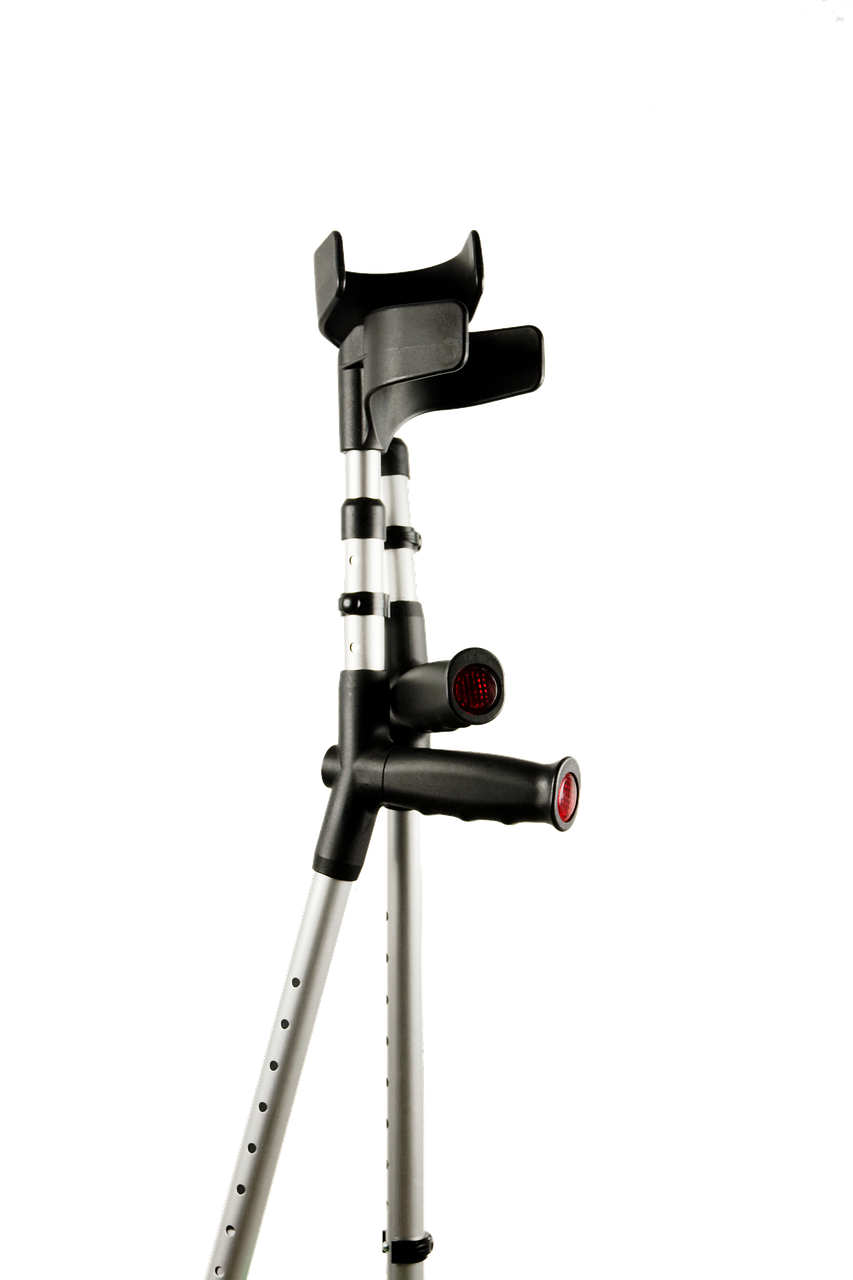
Understanding accessibility and inclusivity is crucial for professionals in the travel industry, particularly those pursuing the Certified Professional in Disability Travel certification. The concept of accessibility refers to the design of products, devices, services, or environments that can be used by people with disabilities. This includes physical accessibility, such as wheelchair ramps and accessible restrooms, as well as digital accessibility, like website navigation and audio descriptions.
In the context of travel, accessibility is essential for ensuring that individuals with disabilities can participate fully in tourism activities. This may involve providing adaptive equipment, such as wheelchairs or mobility scooters, or offering accessible transportation options, like wheelchair-accessible vehicles or trains with lifts. Travel companies can also promote accessibility by training their staff to be disability-aware and to provide assistance to travelers with disabilities.
Inclusivity is closely related to accessibility, as it involves creating an environment that values and respects diversity, including disability. Inclusive design principles prioritize the needs of all users, regardless of their abilities, and aim to create products and services that are usable by everyone. In the travel industry, inclusivity can be achieved by providing a range of accessible accommodations, such as hotels with accessible rooms or vacation rentals with wheelchair ramps. Travel companies can also promote inclusivity by offering disability-friendly activities and tours, such as audio-described museum tours or sign-language interpreted theater performances.
One of the key challenges in promoting accessibility and inclusivity in the travel industry is the lack of standardization in accessibility features and services. Different countries and regions may have varying standards for accessibility, and travel companies may not always be aware of these differences. To address this challenge, travel companies can consult with accessibility experts and conduct accessibility audits to identify areas for improvement. They can also develop accessibility policies and procedures to ensure that travelers with disabilities receive the support they need.
Another challenge is the stigma surrounding disability and the lack of disability awareness among travel industry professionals. Many people with disabilities face discrimination and marginalization, which can make it difficult for them to access travel services. To address this challenge, travel companies can provide disability training for their staff, which can help to raise awareness and promote inclusion. They can also partner with disability organizations to develop accessible tourism initiatives and promote disability-friendly destinations.
The benefits of promoting accessibility and inclusivity in the travel industry are numerous. For one, it can help to increase customer satisfaction and loyalty, as travelers with disabilities are more likely to return to destinations and travel companies that meet their needs. Accessibility and inclusivity can also help to drive business growth, as the disability travel market is a significant and growing sector. According to the World Health Organization, there are over 1 billion people with disabilities worldwide, and this number is expected to increase as the population ages.
In addition to the economic benefits, promoting accessibility and inclusivity can also help to enhance reputation and social responsibility. Travel companies that prioritize accessibility and inclusivity are seen as leaders in their industry, and are more likely to attract socially conscious travelers. They can also contribute to the United Nations Sustainable Development Goals, which include promoting inclusive and sustainable tourism practices.
To promote accessibility and inclusivity in the travel industry, professionals can take a number of steps. First, they can conduct research to identify the needs and preferences of travelers with disabilities. This can involve consulting with disability organizations and conducting focus groups with travelers with disabilities. Travel professionals can also develop accessibility guides and resource materials to help travelers with disabilities plan their trips.
Another step is to provide accessibility training for travel industry staff, which can help to raise awareness and promote inclusion. This training can cover topics such as disability awareness, communication skills, and problem-solving strategies. Travel professionals can also partner with disability organizations to develop accessible tourism initiatives and promote disability-friendly destinations.
In terms of practical applications, travel professionals can take a number of steps to promote accessibility and inclusivity. For example, they can provide accessible accommodations, such as hotels with accessible rooms or vacation rentals with wheelchair ramps. They can also offer accessible transportation options, like wheelchair-accessible vehicles or trains with lifts. Travel professionals can also develop accessible tour packages that include adaptive activities, such as wheelchair-accessible hiking trails or audio-described museum tours.
One of the key challenges in promoting accessibility and inclusivity is the lack of standardization in accessibility features and services.
Another challenge is the cost of implementing accessibility features and services. Travel companies may need to invest in adaptive equipment, such as wheelchairs or mobility scooters, or accessible transportation options, like wheelchair-accessible vehicles or trains with lifts. They may also need to provide training for their staff to ensure that they are disability-aware and can provide assistance to travelers with disabilities.
Despite these challenges, promoting accessibility and inclusivity in the travel industry is essential for ensuring that all travelers, regardless of their abilities, can participate fully in tourism activities. By providing accessible accommodations, accessible transportation, and accessible tour packages, travel companies can help to promote inclusion and diversity in the tourism sector.
In terms of future developments, the travel industry is likely to see increased demand for accessible tourism options, as the disability travel market continues to grow. Travel companies that prioritize accessibility and inclusivity are likely to be leaders in their industry, and will be well-positioned to meet the needs of travelers with disabilities. They can also leverage technology to promote accessibility and inclusivity, such as by developing accessible websites and mobile apps that provide information on accessible destinations and activities.
Overall, promoting accessibility and inclusivity in the travel industry requires a commitment to social responsibility and a willingness to innovate and adapt to the needs of travelers with disabilities. By providing accessible accommodations, accessible transportation, and accessible tour packages, travel companies can help to promote inclusion and diversity in the tourism sector, and contribute to the United Nations Sustainable Development Goals. As the disability travel market continues to grow, travel companies that prioritize accessibility and inclusivity will be well-positioned to meet the needs of travelers with disabilities, and to drive business growth and customer satisfaction.
Key takeaways
- Understanding accessibility and inclusivity is crucial for professionals in the travel industry, particularly those pursuing the Certified Professional in Disability Travel certification.
- This may involve providing adaptive equipment, such as wheelchairs or mobility scooters, or offering accessible transportation options, like wheelchair-accessible vehicles or trains with lifts.
- Travel companies can also promote inclusivity by offering disability-friendly activities and tours, such as audio-described museum tours or sign-language interpreted theater performances.
- One of the key challenges in promoting accessibility and inclusivity in the travel industry is the lack of standardization in accessibility features and services.
- To address this challenge, travel companies can provide disability training for their staff, which can help to raise awareness and promote inclusion.
- For one, it can help to increase customer satisfaction and loyalty, as travelers with disabilities are more likely to return to destinations and travel companies that meet their needs.
- Travel companies that prioritize accessibility and inclusivity are seen as leaders in their industry, and are more likely to attract socially conscious travelers.