
Sustainable Practices in Cruise Operations
Sustainable Practices in Cruise Operations:
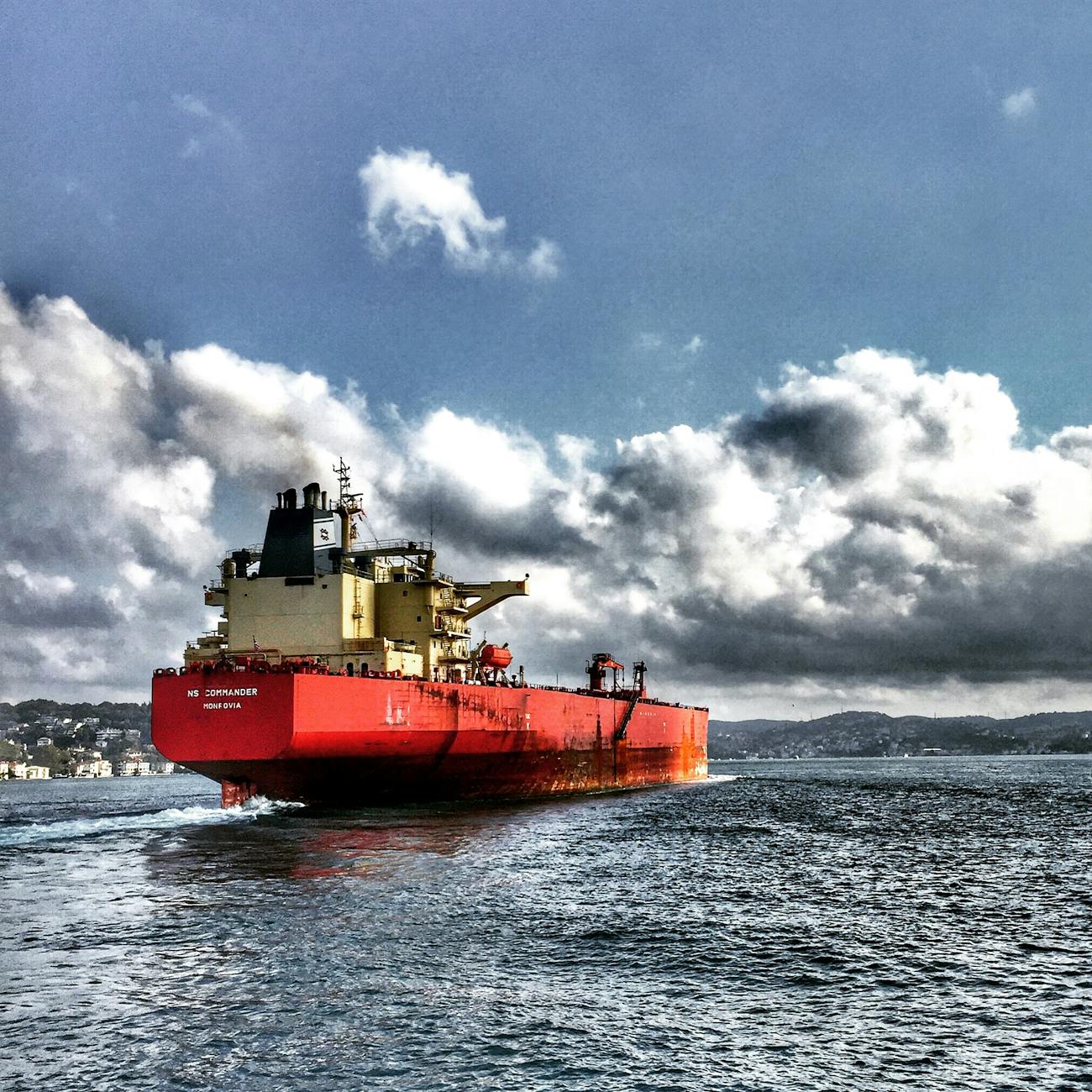
Sustainable Practices in Cruise Operations:
Sustainable practices in cruise operations refer to the strategies, initiatives, and technologies implemented by cruise lines to minimize their environmental impact, conserve resources, and protect the ecosystems in which they operate. These practices aim to promote long-term sustainability in the cruise industry by reducing greenhouse gas emissions, minimizing waste generation, and fostering responsible tourism practices.
Cruise Ship Environmental Systems:
Cruise ship environmental systems encompass the various technologies and processes onboard cruise ships that are designed to minimize the vessel's environmental footprint. These systems include waste management, water treatment, air emissions control, and energy efficiency measures. Cruise lines invest in advanced environmental systems to comply with regulations, meet sustainability goals, and enhance their reputation as responsible operators.
Key Terms and Vocabulary:
1. Environmental Stewardship: Environmental stewardship refers to the responsible management and protection of the environment. Cruise lines practice environmental stewardship by implementing sustainable practices, investing in eco-friendly technologies, and engaging in community outreach and conservation efforts.
2. Marine Pollution: Marine pollution refers to the introduction of harmful substances into the marine environment, such as oil spills, sewage discharge, and plastic waste. Cruise ships can contribute to marine pollution through their operational activities, making it crucial for them to adopt stringent pollution prevention measures.
3. Ballast Water Management: Ballast water management involves the treatment and discharge of ballast water, which is taken onboard ships to maintain stability. Ballast water can introduce invasive species to new ecosystems, posing a threat to marine biodiversity. Cruise ships must comply with international regulations to prevent the spread of invasive species through ballast water discharge.
4. Energy Efficiency: Energy efficiency refers to the optimization of energy consumption to reduce fuel usage and greenhouse gas emissions. Cruise ships implement energy-efficient technologies such as LED lighting, shore power connection, and hull coatings to minimize their environmental impact and operational costs.
5. Waste Management: Waste management on cruise ships involves the collection, segregation, treatment, and disposal of solid waste, wastewater, and hazardous materials. Cruise lines adopt waste management practices such as recycling, composting, and waste-to-energy systems to minimize landfill disposal and pollution of the marine environment.
6. Environmental Compliance: Environmental compliance refers to the adherence to laws, regulations, and standards related to environmental protection. Cruise ships must comply with international conventions such as MARPOL (International Convention for the Prevention of Pollution from Ships) and regional regulations to mitigate their environmental impact and avoid penalties.
7. Green Technologies: Green technologies are innovative solutions that reduce environmental impact and promote sustainability. Cruise ships deploy green technologies such as scrubbers, catalytic converters, and advanced wastewater treatment systems to meet emission limits, improve energy efficiency, and enhance environmental performance.
8. Carbon Footprint: A carbon footprint is the total amount of greenhouse gas emissions produced directly or indirectly by an individual, organization, or product. Cruise lines calculate their carbon footprint to assess their environmental impact and identify opportunities to reduce emissions through fuel efficiency measures, alternative fuels, and offset programs.
9. Renewable Energy: Renewable energy sources, such as solar, wind, and hydroelectric power, are sustainable alternatives to fossil fuels that can reduce carbon emissions and dependency on non-renewable resources. Cruise ships integrate renewable energy systems to supplement onboard power generation and reduce environmental impact.
10. Environmental Monitoring: Environmental monitoring involves the collection and analysis of data to assess the impact of cruise operations on air quality, water quality, marine life, and ecosystems. Cruise lines conduct environmental monitoring to track compliance with regulations, identify trends, and implement corrective actions to protect the environment.
11. Corporate Social Responsibility (CSR): Corporate social responsibility refers to the ethical and sustainable practices that companies adopt to contribute to social, environmental, and economic well-being. Cruise lines demonstrate CSR through community engagement, philanthropy, environmental initiatives, and transparent reporting on their sustainability performance.
12. Ecotourism: Ecotourism is a sustainable form of tourism that promotes responsible travel to natural areas while conserving the environment and supporting local communities. Cruise lines offer ecotourism excursions, eco-friendly shore activities, and educational programs to raise awareness about environmental conservation and cultural preservation.
13. Environmental Impact Assessment (EIA): An environmental impact assessment is a systematic process to evaluate the potential environmental consequences of a proposed project or development. Cruise lines conduct EIAs to identify, predict, and mitigate environmental impacts associated with new ship construction, port development, and itinerary planning.
14. Sustainable Development Goals (SDGs): The Sustainable Development Goals are a set of global targets adopted by the United Nations to address social, economic, and environmental challenges and achieve sustainable development by 2030. Cruise lines align their sustainability initiatives with the SDGs to contribute to poverty reduction, climate action, marine conservation, and sustainable tourism.
15. Environmental Certification: Environmental certification is a recognition awarded to companies that demonstrate commitment to environmental protection, resource conservation, and sustainable practices. Cruise lines seek environmental certifications such as ISO 14001 (Environmental Management System) and Green Marine to validate their environmental performance and promote transparency to stakeholders.
16. Carbon Offsetting: Carbon offsetting is a practice where companies invest in projects that reduce or offset greenhouse gas emissions to compensate for their own carbon footprint. Cruise lines engage in carbon offset programs by supporting renewable energy projects, reforestation initiatives, and carbon capture technologies to achieve carbon neutrality and combat climate change.
17. Biodiversity Conservation: Biodiversity conservation focuses on the protection and preservation of species diversity, ecosystems, and genetic resources. Cruise lines partner with conservation organizations, participate in marine protected area initiatives, and implement sustainable tourism practices to safeguard biodiversity hotspots and promote responsible wildlife viewing.
18. Zero Waste: Zero waste is a waste management approach that aims to eliminate the generation of waste and maximize resource recovery through recycling, composting, and circular economy principles. Cruise lines strive to achieve zero waste goals by reducing single-use plastics, implementing waste reduction strategies, and engaging passengers and crew in sustainable behaviors.
19. Environmental Education: Environmental education involves raising awareness, promoting knowledge, and fostering attitudes and behaviors that contribute to environmental conservation and sustainability. Cruise lines offer environmental education programs, onboard lectures, and interactive activities to inform passengers and crew about environmental issues, conservation practices, and responsible travel choices.
20. Smart Ports: Smart ports are technologically advanced maritime facilities that optimize operations, enhance efficiency, and reduce environmental impact through digitalization, automation, and sustainable practices. Cruise lines collaborate with smart ports to implement shore power infrastructure, waste reception facilities, and emission monitoring systems to improve port sustainability and energy management.
In conclusion, sustainable practices in cruise operations and cruise ship environmental systems play a crucial role in promoting environmental stewardship, minimizing marine pollution, and enhancing the sustainability of the cruise industry. By incorporating key terms and vocabulary related to environmental management, energy efficiency, waste reduction, and corporate social responsibility, cruise lines can effectively communicate their commitment to sustainability, compliance with regulations, and contribution to a greener and more responsible maritime sector.
Key takeaways
- Sustainable practices in cruise operations refer to the strategies, initiatives, and technologies implemented by cruise lines to minimize their environmental impact, conserve resources, and protect the ecosystems in which they operate.
- Cruise ship environmental systems encompass the various technologies and processes onboard cruise ships that are designed to minimize the vessel's environmental footprint.
- Cruise lines practice environmental stewardship by implementing sustainable practices, investing in eco-friendly technologies, and engaging in community outreach and conservation efforts.
- Marine Pollution: Marine pollution refers to the introduction of harmful substances into the marine environment, such as oil spills, sewage discharge, and plastic waste.
- Ballast Water Management: Ballast water management involves the treatment and discharge of ballast water, which is taken onboard ships to maintain stability.
- Cruise ships implement energy-efficient technologies such as LED lighting, shore power connection, and hull coatings to minimize their environmental impact and operational costs.
- Cruise lines adopt waste management practices such as recycling, composting, and waste-to-energy systems to minimize landfill disposal and pollution of the marine environment.