
Green Port Initiatives
Green Port Initiatives
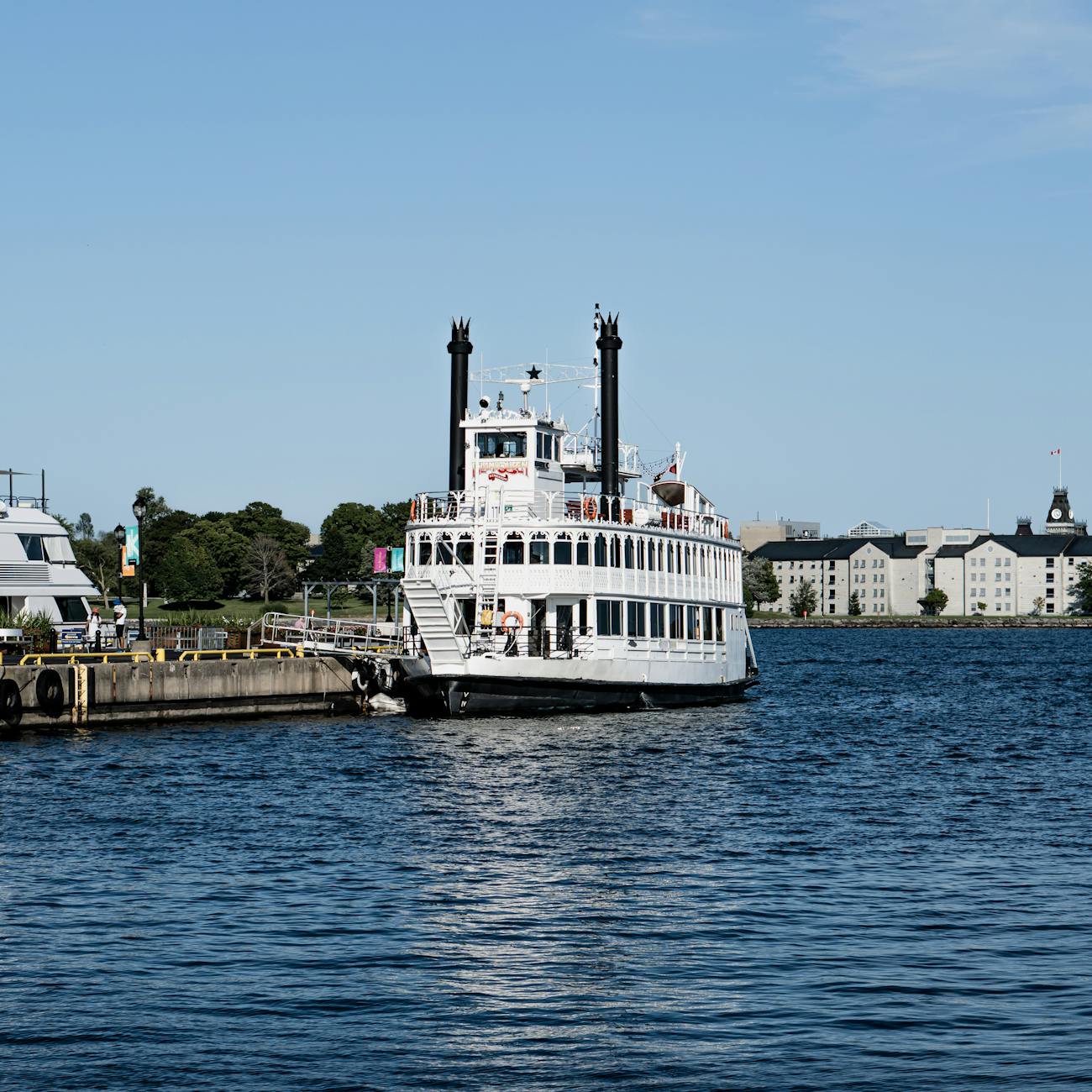
Green Port Initiatives
Green Port Initiatives refer to a set of measures and actions undertaken by ports to reduce their environmental impact and promote sustainability. These initiatives aim to minimize the carbon footprint of port operations, improve air and water quality, and enhance overall environmental stewardship. Green Port Initiatives address a wide range of environmental issues, including emissions reduction, energy efficiency, waste management, and biodiversity conservation.
Key Terms and Vocabulary
1. Sustainable Port Development: Sustainable port development involves planning, designing, and operating ports in an environmentally responsible manner to minimize negative impacts on ecosystems and communities. It focuses on achieving a balance between economic growth, social equity, and environmental protection.
2. Environmental Management System (EMS): An EMS is a framework that helps organizations manage their environmental responsibilities effectively. It includes policies, procedures, and practices to identify, monitor, and control environmental impacts. EMSs are essential for implementing Green Port Initiatives.
3. Energy Efficiency: Energy efficiency refers to the use of less energy to provide the same level of service or output. Ports can improve energy efficiency by optimizing equipment and processes, adopting energy-saving technologies, and implementing energy management practices.
4. Renewable Energy: Renewable energy comes from sources that are naturally replenished, such as sunlight, wind, and biomass. Ports can integrate renewable energy sources into their operations to reduce reliance on fossil fuels and decrease greenhouse gas emissions.
5. Emissions Reduction: Emissions reduction involves minimizing the release of pollutants, such as greenhouse gases, particulate matter, and sulfur oxides, into the atmosphere. Ports can achieve emissions reduction through cleaner fuels, exhaust gas scrubbers, shore power, and other technologies.
6. Ballast Water Management: Ballast water management aims to prevent the spread of invasive species by controlling the discharge of ballast water from ships. Ports play a crucial role in enforcing ballast water regulations and implementing treatment systems to protect local ecosystems.
7. Waste Management: Waste management involves the collection, segregation, treatment, and disposal of waste generated by port activities. Ports can implement recycling programs, composting facilities, and waste-to-energy technologies to minimize waste sent to landfills.
8. Green Infrastructure: Green infrastructure refers to natural or engineered systems that provide environmental benefits, such as stormwater management, habitat restoration, and urban greening. Ports can incorporate green infrastructure to mitigate pollution, enhance biodiversity, and improve resilience to climate change.
9. Environmental Monitoring: Environmental monitoring involves assessing the quality of air, water, soil, and noise in and around ports to ensure compliance with regulatory standards. Ports use monitoring data to identify environmental risks, track progress, and communicate with stakeholders.
10. Stakeholder Engagement: Stakeholder engagement involves involving port users, local communities, government agencies, environmental groups, and other interested parties in decision-making processes. Ports can benefit from diverse perspectives, build trust, and gain support for Green Port Initiatives through effective stakeholder engagement.
11. Climate Resilience: Climate resilience refers to the capacity of ports to withstand and adapt to the impacts of climate change, such as sea-level rise, extreme weather events, and changing precipitation patterns. Ports can enhance their resilience by implementing infrastructure upgrades, emergency response plans, and risk assessments.
12. Best Environmental Practices (BEPs): BEPs are proven strategies, technologies, and approaches that have demonstrated environmental benefits and can be replicated across ports. Ports can adopt BEPs to improve their environmental performance, achieve regulatory compliance, and enhance their reputation as sustainable operators.
13. Greenhouse Gas (GHG) Emissions: GHG emissions are gases that trap heat in the Earth's atmosphere, leading to global warming and climate change. Ports contribute to GHG emissions through activities such as vessel operations, cargo handling, and energy consumption. By reducing GHG emissions, ports can mitigate climate change impacts.
14. Environmental Impact Assessment (EIA): An EIA is a process that evaluates the potential environmental effects of proposed port projects or activities before they are carried out. EIAs help ports identify and address environmental risks, protect sensitive habitats, and comply with regulatory requirements.
15. Port Community System (PCS): A PCS is a digital platform that connects port stakeholders, such as shipping lines, terminal operators, customs authorities, and logistics providers, to streamline port operations and improve efficiency. PCSs can facilitate data sharing, collaboration, and the integration of Green Port Initiatives.
16. Blue Economy: The blue economy refers to sustainable economic activities that take place in or depend on the marine environment. Ports play a vital role in the blue economy by supporting maritime trade, fisheries, tourism, offshore energy, and other sectors while preserving marine ecosystems and resources.
17. Environmental Compliance: Environmental compliance involves meeting legal requirements, permits, and regulations related to environmental protection and conservation. Ports must comply with local, national, and international environmental standards to avoid fines, penalties, and reputational damage.
18. Marine Spatial Planning (MSP): MSP is a process that organizes and coordinates human activities in marine areas to achieve ecological, economic, and social objectives. Ports can benefit from MSP by harmonizing port development with marine conservation, offshore energy projects, shipping routes, and other uses of the marine environment.
19. Port Security: Port security encompasses measures to protect ports, vessels, cargo, and personnel from security threats, such as terrorism, piracy, smuggling, and cyberattacks. Ports must balance security requirements with environmental considerations to ensure the safety and sustainability of port operations.
20. Carbon Neutrality: Carbon neutrality refers to achieving a balance between the amount of carbon dioxide emitted and removed from the atmosphere. Ports can strive for carbon neutrality by reducing emissions, offsetting remaining emissions through carbon credits or carbon capture, and investing in carbon sequestration projects.
Practical Applications
1. Shore Power: Shore power, also known as cold ironing or alternative maritime power (AMP), allows ships to plug into onshore electrical grids while berthed instead of running their engines to generate power. Ports can install shore power infrastructure to reduce emissions, noise, and air pollution from idling vessels.
2. Waste-to-Energy: Waste-to-energy technologies convert solid waste into electricity, heat, or fuel through incineration, gasification, or anaerobic digestion. Ports can utilize waste-to-energy systems to manage organic waste, reduce landfill disposal, and generate renewable energy to power port facilities.
3. Green Roofs: Green roofs are vegetated roof systems that absorb rainwater, provide insulation, reduce heat island effects, and support biodiversity. Ports can install green roofs on warehouses, terminals, or parking structures to improve energy efficiency, stormwater management, and air quality in port areas.
4. LED Lighting: LED lighting fixtures use light-emitting diodes to illuminate port facilities, roadways, and maritime infrastructure. Ports can upgrade to LED lighting to save energy, reduce maintenance costs, enhance visibility and safety, and minimize light pollution in port environments.
5. Ballast Water Treatment Systems: Ballast water treatment systems use physical, chemical, or biological processes to remove or neutralize aquatic organisms and pathogens in ballast water before discharge. Ports can require ships to install and operate ballast water treatment systems to prevent the spread of invasive species and protect marine ecosystems.
6. Ecological Restoration: Ecological restoration involves rehabilitating degraded habitats, such as wetlands, mangroves, and dunes, to enhance biodiversity, water quality, and ecosystem services. Ports can engage in ecological restoration projects to offset environmental impacts, create green spaces, and support wildlife conservation in port areas.
7. Smart Grids: Smart grids are intelligent electrical distribution systems that monitor, control, and optimize energy flows between power sources, storage devices, and consumers. Ports can implement smart grids to integrate renewable energy, manage peak demand, reduce costs, and enhance grid reliability in port operations.
8. Carbon Offsetting: Carbon offsetting involves investing in projects that reduce or remove greenhouse gas emissions to compensate for remaining emissions. Ports can purchase carbon offsets from renewable energy, reforestation, or energy efficiency projects to achieve carbon neutrality and support sustainable development initiatives.
9. Green Procurement: Green procurement involves selecting environmentally friendly products, services, and suppliers that have minimal environmental impacts throughout their life cycle. Ports can practice green procurement by sourcing eco-friendly materials, equipment, and technologies to support Green Port Initiatives and reduce their environmental footprint.
10. Environmental Training: Environmental training programs educate port staff, contractors, and stakeholders on environmental regulations, best practices, and sustainability principles. Ports can provide training on pollution prevention, waste management, energy conservation, and emergency response to enhance environmental awareness, compliance, and performance.
Challenges
1. Cost and Financing: Implementing Green Port Initiatives often requires significant upfront investments in technology, infrastructure, and personnel training. Ports may face challenges in securing funding, balancing economic priorities, and demonstrating the return on investment of sustainability measures.
2. Regulatory Compliance: Ports must comply with a complex and evolving set of environmental regulations at the local, national, and international levels. Keeping pace with regulatory changes, obtaining permits, and meeting reporting requirements can be challenging for ports, especially when regulations are inconsistent or overlapping.
3. Technological Innovation: Adopting new technologies and practices to reduce environmental impacts can be challenging for ports, particularly smaller or less resource-rich facilities. Ports may struggle to keep abreast of technological advancements, evaluate cost-effective solutions, and integrate innovative systems into existing operations.
4. Stakeholder Engagement: Engaging diverse stakeholders, such as port users, community groups, environmental organizations, and government agencies, in Green Port Initiatives requires effective communication, collaboration, and trust-building. Ports may encounter resistance, conflicting interests, and communication barriers that hinder stakeholder engagement efforts.
5. Data Management: Collecting, analyzing, and sharing environmental data to monitor performance, track progress, and report on outcomes can be challenging for ports. Data management issues, such as data quality, compatibility, confidentiality, and security, may impede the implementation of Green Port Initiatives and hinder decision-making processes.
6. Capacity Building: Building internal capacity and expertise in environmental management, sustainability practices, and green technologies is essential for ports to implement Green Port Initiatives successfully. Ports may face challenges in recruiting, training, and retaining skilled personnel with the knowledge and skills required to drive environmental improvements.
7. Public Perception: Ports must manage public perceptions, expectations, and concerns regarding their environmental performance and social responsibility. Negative perceptions of port activities, such as pollution, congestion, and noise, can erode community support, damage reputation, and lead to public opposition to Green Port Initiatives.
8. Intermodal Connectivity: Promoting intermodal connectivity and sustainable transport solutions, such as rail, road, and waterway connections, is essential for reducing emissions, congestion, and environmental impacts associated with port operations. Ports may face challenges in coordinating multimodal transportation networks, enhancing efficiency, and reducing dependency on trucking.
9. Risk Management: Identifying and mitigating environmental risks, such as spills, leaks, emissions, and natural disasters, is critical for ensuring the safety, security, and resilience of port operations. Ports must develop comprehensive risk management plans, emergency response protocols, and contingency measures to prevent and respond to environmental incidents.
10. Long-Term Planning: Developing long-term strategies, goals, and targets for sustainability and environmental stewardship is essential for guiding the implementation of Green Port Initiatives. Ports may struggle to balance short-term economic pressures with long-term environmental considerations, set achievable milestones, and adapt to evolving environmental challenges and opportunities.
Conclusion
In conclusion, Green Port Initiatives play a vital role in advancing environmental sustainability, promoting resilience, and enhancing the overall performance of ports worldwide. By implementing measures such as energy efficiency, emissions reduction, waste management, and stakeholder engagement, ports can minimize their environmental footprint, mitigate climate change impacts, and contribute to the transition towards a greener and more sustainable maritime industry. Despite facing challenges in cost, regulation, technology, stakeholder engagement, data management, capacity building, public perception, intermodal connectivity, risk management, and long-term planning, ports have the opportunity to drive positive change, foster innovation, and lead by example in adopting environmentally friendly practices and solutions. Through collaboration, commitment, and continuous improvement, ports can achieve their sustainability goals, meet regulatory requirements, and uphold their responsibility as responsible stewards of the environment and custodians of coastal communities.
Key takeaways
- Green Port Initiatives address a wide range of environmental issues, including emissions reduction, energy efficiency, waste management, and biodiversity conservation.
- Sustainable Port Development: Sustainable port development involves planning, designing, and operating ports in an environmentally responsible manner to minimize negative impacts on ecosystems and communities.
- Environmental Management System (EMS): An EMS is a framework that helps organizations manage their environmental responsibilities effectively.
- Ports can improve energy efficiency by optimizing equipment and processes, adopting energy-saving technologies, and implementing energy management practices.
- Ports can integrate renewable energy sources into their operations to reduce reliance on fossil fuels and decrease greenhouse gas emissions.
- Emissions Reduction: Emissions reduction involves minimizing the release of pollutants, such as greenhouse gases, particulate matter, and sulfur oxides, into the atmosphere.
- Ballast Water Management: Ballast water management aims to prevent the spread of invasive species by controlling the discharge of ballast water from ships.