
Advanced Biofuels Production
Advanced Biofuels Production: Advanced biofuels are liquid transportation fuels produced from non-food sources such as algae, waste oils, agricultural residues, and dedicated energy crops. The production of advanced biofuels involves sophis…
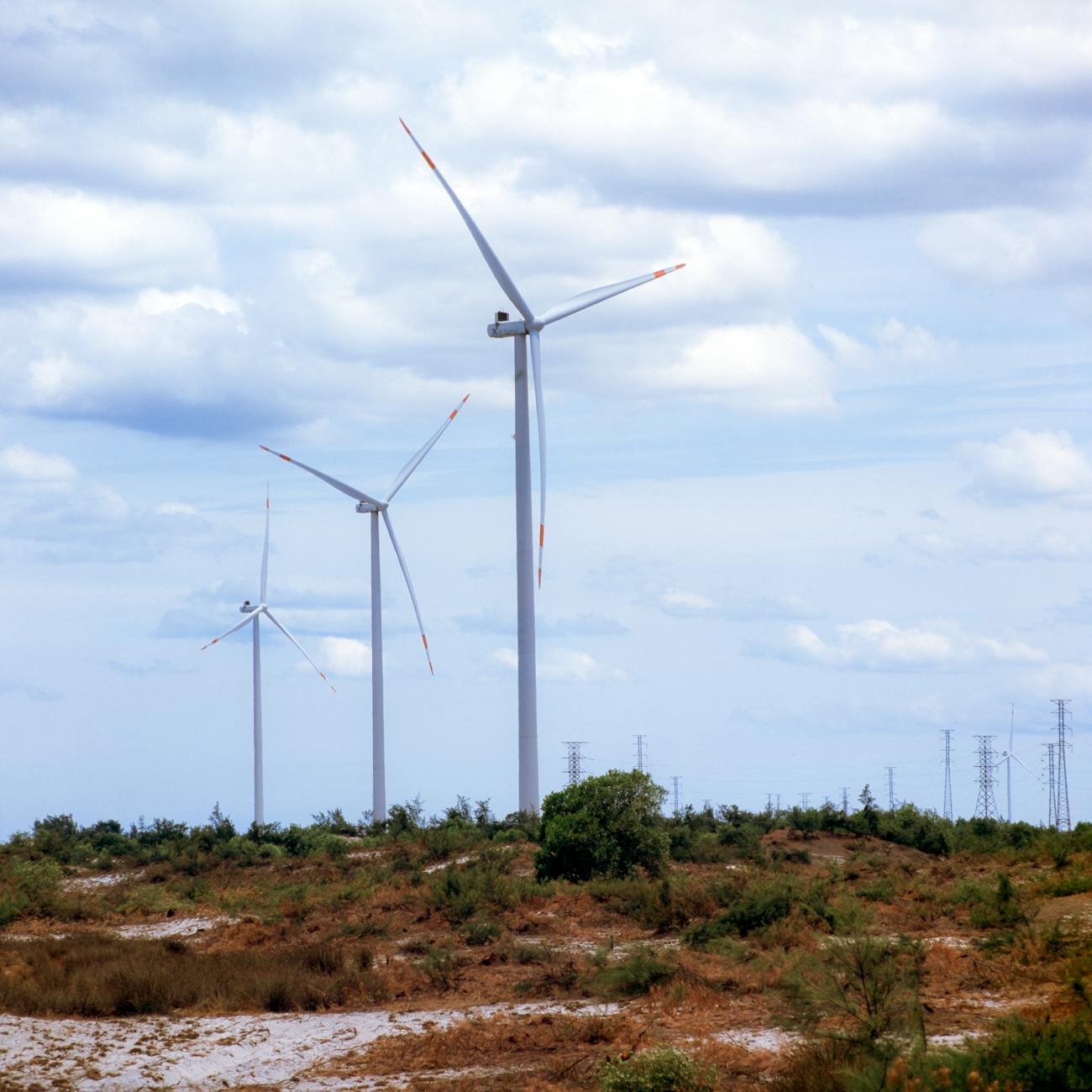
Advanced Biofuels Production: Advanced biofuels are liquid transportation fuels produced from non-food sources such as algae, waste oils, agricultural residues, and dedicated energy crops. The production of advanced biofuels involves sophisticated technologies and processes to convert biomass into high-quality fuels that can be used as a direct replacement or blend with traditional fossil fuels.
Biofuels: Biofuels are renewable fuels derived from biomass, which can include plant or animal materials. They are considered a sustainable alternative to fossil fuels and can help reduce greenhouse gas emissions and dependence on finite resources.
Renewable Energy: Renewable energy is energy that is collected from resources that are naturally replenished, such as sunlight, wind, rain, tides, waves, and geothermal heat. It is considered environmentally friendly and sustainable due to its low impact on the environment and abundance compared to finite fossil fuel resources.
Feedstock: Feedstock refers to the raw materials used in the production of biofuels. These can include various types of biomass such as crops, agricultural residues, algae, and waste materials. The selection of feedstock is crucial in determining the efficiency and sustainability of biofuel production.
Example: The feedstock for producing biodiesel can include soybean oil, canola oil, or used cooking oil.
Conversion Technologies: Conversion technologies are the processes used to convert biomass feedstock into biofuels. These technologies can vary depending on the type of feedstock and the desired end product. Common conversion technologies include biochemical processes such as fermentation and thermochemical processes like pyrolysis and gasification.
Transesterification: Transesterification is a chemical process used to convert triglycerides in oils and fats into fatty acid methyl esters (FAME), which are the main components of biodiesel. This process involves reacting the feedstock with an alcohol, typically methanol or ethanol, in the presence of a catalyst to produce biodiesel and glycerin as a byproduct.
Hydroprocessing: Hydroprocessing is a refining process used to produce advanced biofuels such as renewable diesel and renewable jet fuel. This process involves treating the feedstock with hydrogen at high temperatures and pressures to remove impurities and convert the triglycerides into hydrocarbons that are similar to petroleum-based fuels.
Gasification: Gasification is a thermochemical process that converts solid biomass into a syngas, which is a mixture of carbon monoxide, hydrogen, and other gases. The syngas can then be further processed to produce biofuels such as ethanol, methanol, or synthetic diesel.
Example: Wood chips are fed into a gasifier, where they are heated in a low-oxygen environment to produce a syngas that can be used to produce biofuels.
Fermentation: Fermentation is a biochemical process that converts sugars into biofuels such as ethanol and butanol using microorganisms like yeast or bacteria. This process typically involves breaking down complex sugars into simpler molecules that can be easily fermented into alcohol fuels.
Biorefinery: A biorefinery is a facility that integrates various conversion technologies to produce a range of biofuels, chemicals, and other products from biomass feedstock. Biorefineries aim to maximize the value of biomass by efficiently converting it into multiple high-value products.
Example: A biorefinery may produce biofuels like biodiesel and ethanol, as well as chemicals like organic acids and bioplastics from the same feedstock.
Co-Products: Co-products are secondary products that are produced during the biofuel production process. These can include valuable byproducts such as glycerin, biochar, and lignin, which can be used in various industries or as additional revenue streams for biofuel producers.
Life Cycle Analysis: Life cycle analysis (LCA) is a methodology used to assess the environmental impacts of biofuel production from cradle to grave. It considers factors such as feedstock production, conversion processes, transportation, and end use to evaluate the overall sustainability and carbon footprint of biofuels.
Carbon Intensity: Carbon intensity is a measure of the amount of greenhouse gas emissions produced per unit of energy generated by a fuel. Lower carbon intensity values indicate cleaner and more sustainable fuels that have a reduced impact on climate change compared to fossil fuels.
Example: Biodiesel has a lower carbon intensity than petroleum diesel due to the renewable feedstocks used in its production.
Blending: Blending is the process of combining biofuels with traditional fossil fuels to create blends that meet regulatory requirements for renewable fuel content. Blending biofuels with gasoline or diesel can help reduce emissions and increase the sustainability of transportation fuels.
Policy Support: Policy support refers to government incentives, regulations, and mandates designed to promote the production and use of biofuels. Policies such as renewable fuel standards, tax credits, and research grants can help accelerate the development of advanced biofuels and renewable energy technologies.
Challenges: The production of advanced biofuels faces various challenges, including feedstock availability, technological barriers, high production costs, competition with fossil fuels, and regulatory uncertainties. Overcoming these challenges is crucial to realizing the full potential of biofuels as a sustainable energy source.
Technological Advancements: Ongoing research and development efforts are focused on improving biofuel production technologies, increasing feedstock yields, reducing production costs, and enhancing the overall efficiency and sustainability of advanced biofuels. Technological advancements play a key role in driving innovation and growth in the biofuels industry.
Market Opportunities: The growing demand for renewable fuels, increasing awareness of climate change, and evolving regulatory landscape present significant market opportunities for advanced biofuels producers. Expanding market opportunities can drive investment, innovation, and commercialization of biofuel technologies.
Scaling Up: Scaling up biofuel production involves increasing the capacity of biofuel facilities to meet growing demand and achieve economies of scale. Scaling up requires significant investments in infrastructure, technology, and supply chains to commercialize advanced biofuels on a large scale.
Integration: Integrating biofuel production with existing industries, such as agriculture, forestry, and energy, can create synergies and value-added opportunities. Integration can optimize resource use, reduce waste, and enhance the overall sustainability of biofuel production systems.
Collaboration: Collaboration among stakeholders, including government agencies, research institutions, industry partners, and communities, is essential for advancing biofuels production and addressing common challenges. Collaborative efforts can facilitate knowledge sharing, technology transfer, and policy development to support the growth of the biofuels sector.
Sustainability: Sustainability is a key consideration in biofuels production, encompassing economic, environmental, and social aspects. Sustainable biofuels should be produced using renewable feedstocks, minimize greenhouse gas emissions, conserve natural resources, and support local communities for long-term viability.
Resilience: Building resilience in biofuels production involves adapting to changing market conditions, regulatory requirements, and environmental impacts. Resilient biofuel systems can withstand disruptions, mitigate risks, and maintain consistent production to ensure a reliable and sustainable energy supply.
Innovation: Innovation is essential for driving progress in advanced biofuels production, enabling the development of new technologies, processes, and products. Innovations in feedstock selection, conversion methods, and product optimization can enhance the competitiveness and sustainability of biofuels in the global energy market.
Commercialization: Commercializing advanced biofuels involves transitioning from research and development to full-scale production and market deployment. Successful commercialization requires overcoming technical, economic, and regulatory challenges to establish a viable business model and achieve widespread adoption of biofuels.
Global Impact: Advanced biofuels have the potential to make a significant impact on global energy security, environmental sustainability, and climate change mitigation. By displacing fossil fuels with renewable alternatives, biofuels can help reduce carbon emissions, diversify energy sources, and promote a more sustainable energy future for generations to come.
Key takeaways
- The production of advanced biofuels involves sophisticated technologies and processes to convert biomass into high-quality fuels that can be used as a direct replacement or blend with traditional fossil fuels.
- They are considered a sustainable alternative to fossil fuels and can help reduce greenhouse gas emissions and dependence on finite resources.
- Renewable Energy: Renewable energy is energy that is collected from resources that are naturally replenished, such as sunlight, wind, rain, tides, waves, and geothermal heat.
- The selection of feedstock is crucial in determining the efficiency and sustainability of biofuel production.
- Example: The feedstock for producing biodiesel can include soybean oil, canola oil, or used cooking oil.
- Common conversion technologies include biochemical processes such as fermentation and thermochemical processes like pyrolysis and gasification.
- Transesterification: Transesterification is a chemical process used to convert triglycerides in oils and fats into fatty acid methyl esters (FAME), which are the main components of biodiesel.