
Energy Economics and Markets
Energy Economics and Markets are critical areas of study in the Graduate Certificate in Advanced Biofuels and Renewable Energy. Understanding the key terms and vocabulary in these fields is essential for learners to grasp the complex concep…
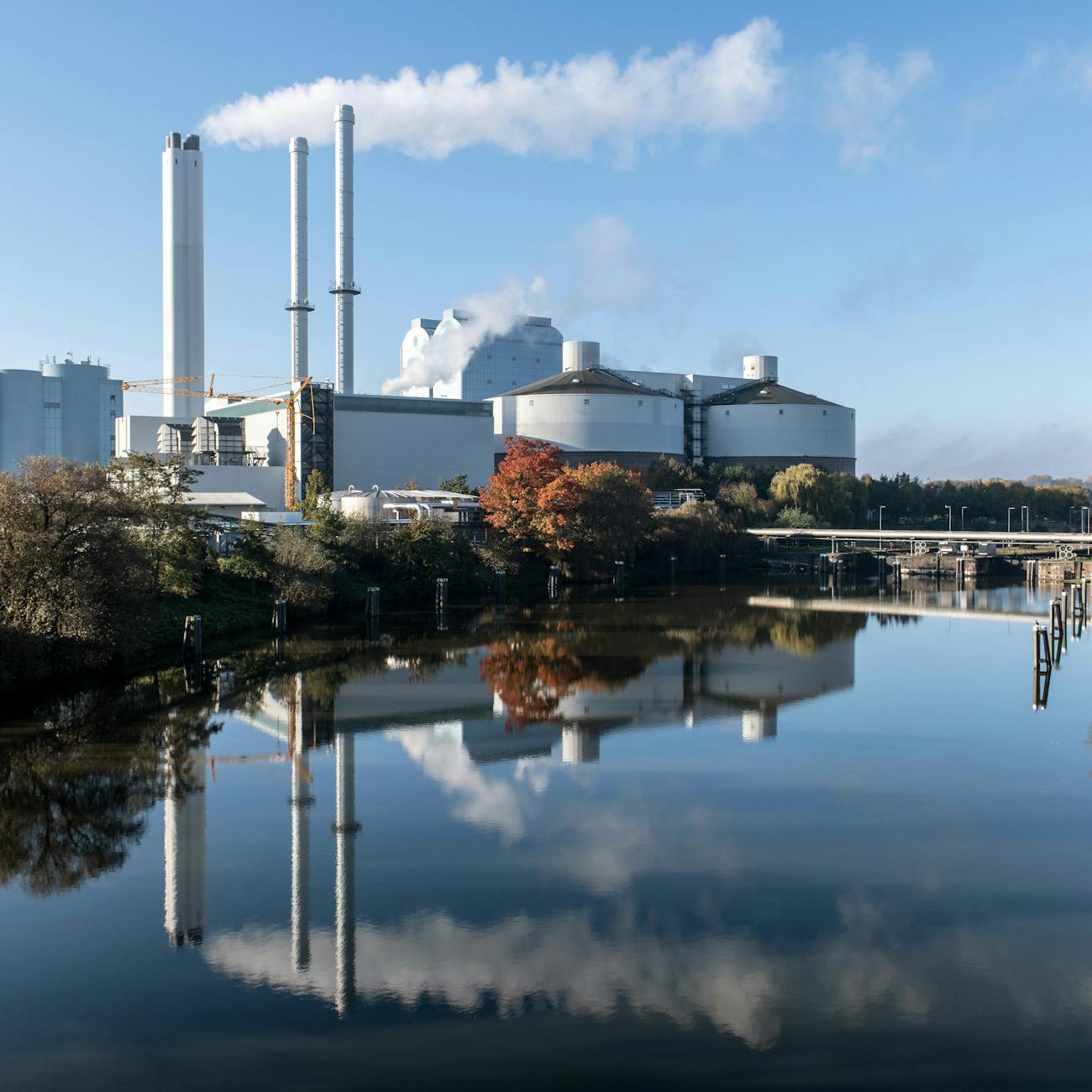
Energy Economics and Markets are critical areas of study in the Graduate Certificate in Advanced Biofuels and Renewable Energy. Understanding the key terms and vocabulary in these fields is essential for learners to grasp the complex concepts and relationships that exist between energy production, consumption, and market forces. This explanation will provide a comprehensive overview of essential terms and concepts, along with examples and practical applications, to help learners develop a solid foundation in Energy Economics and Markets.
1. Energy Economics: The study of how energy production, distribution, and consumption affect economic systems, including their impact on overall economic growth, efficiency, and environmental sustainability. 2. Market: A system or place where buyers and sellers come together to exchange goods, services, or assets, including energy resources, based on supply and demand. 3. Supply: The total amount of a particular product or resource, such as energy, available for consumption or sale at a given time or price. 4. Demand: The quantity of a product or resource, such as energy, that consumers are willing and able to purchase at various price levels. 5. Equilibrium: A state in which the quantity supplied equals the quantity demanded, resulting in a stable market price. 6. Elasticity: A measure of how responsive the quantity demanded or supplied of a good or service is to changes in its price, income, or other factors. 7. Externality: A cost or benefit of a transaction or activity that affects a third party who is not directly involved in the transaction. In the context of energy production, externalities can include environmental impacts such as pollution or climate change. 8. Market Failure: A situation in which the market fails to allocate resources efficiently, often due to externalities, information asymmetry, or other market imperfections. 9. Government Intervention: The use of policy tools, such as taxes, subsidies, or regulations, to address market failures and promote social welfare. 10. Renewable Energy: Energy sources that are naturally replenished over time and have a minimal impact on the environment, including solar, wind, hydro, geothermal, and biomass. 11. Advanced Biofuels: Liquid or gaseous fuels derived from non-food feedstocks, such as agricultural waste, algae, or municipal solid waste, using advanced conversion technologies such as thermochemical, biochemical, or chemical processes. 12. Levelized Cost of Energy (LCOE): A metric used to compare the cost-effectiveness of different energy sources, calculated as the total lifetime cost of an energy project, including capital, operations, maintenance, and fuel costs, divided by the total amount of energy produced over its lifetime. 13. Grid Parity: The point at which the cost of generating electricity from a renewable energy source equals or is lower than the cost of purchasing electricity from the grid. 14. Net Metering: A billing arrangement that allows customers with distributed energy resources, such as rooftop solar panels, to receive credit for excess electricity generated and fed back into the grid. 15. Time-of-Use (TOU) Rates: Electricity pricing structures that vary based on the time of day, with higher prices during periods of peak demand and lower prices during off-peak hours. 16. Demand Response: Programs that encourage customers to reduce their electricity usage during periods of high demand, often in response to financial incentives or price signals. 17. Smart Grid: An electricity grid that uses advanced communication and control technologies to optimize energy production, distribution, and consumption, enabling greater efficiency, reliability, and flexibility. 18. Energy Storage: Technologies that store excess energy generated by renewable energy sources for later use, including batteries, pumped hydro, and thermal storage. 19. Carbon Pricing: A policy tool that assigns a financial cost to carbon emissions, either through a carbon tax or a cap-and-trade system, to incentivize reductions in greenhouse gas emissions. 20. Energy Efficiency: The practice of using less energy to perform the same task or function, often through the use of more efficient technologies or practices.
Practical Applications:
* Understanding the relationship between supply and demand is crucial for energy market analysts, who must predict price movements based on changes in these factors. * Elasticity concepts can inform pricing strategies for energy products and services, helping companies maximize revenue and market share. * Externalities, such as pollution and climate change, can have significant economic and social costs, which policymakers must consider when designing regulations and incentives. * Renewable energy sources, such as solar and wind, are becoming increasingly cost-competitive with traditional fossil fuels, thanks to advances in technology and declining costs. * Levelized cost of energy (LCOE) calculations can help investors and policymakers compare the cost-effectiveness of different energy projects and technologies. * Net metering and time-of-use (TOU) rates can encourage consumers to adopt rooftop solar and other distributed energy resources, helping to reduce peak demand and lower electricity costs. * Demand response programs can help utilities manage grid congestion and maintain reliability during periods of high demand, while also providing financial benefits to participating customers. * Energy storage technologies can help integrate variable renewable energy sources, such as wind and solar, into the grid, ensuring a stable and reliable supply of electricity. * Carbon pricing policies can provide a financial incentive for businesses and individuals to reduce their carbon footprint, helping to mitigate the impacts of climate change. * Energy efficiency measures can help reduce energy consumption and lower energy costs for consumers, while also reducing greenhouse gas emissions.
Challenges:
* Energy markets can be volatile and subject to sudden changes in supply and demand, making it difficult to predict price movements and investment opportunities. * Externalities, such as pollution and climate change, can have long-term economic and social costs that are not always reflected in market prices. * Government intervention in energy markets can be controversial, with some arguing that it distorts market forces and discourages innovation, while others argue that it is necessary to address market failures and promote social welfare. * Renewable energy sources, such as solar and wind, can be intermittent and variable, making it difficult to integrate them into the grid and maintain a stable supply of electricity. * Energy storage technologies, while promising, can be expensive and have limited capacity, making it challenging to rely on them for large-scale electricity generation. * Carbon pricing policies can be politically challenging to implement, with some arguing that they disproportionately impact low-income households and industries. * Energy efficiency measures can be difficult to implement at scale, with some consumers resistant to adopting new technologies or practices.
Conclusion:
Understanding the key terms and vocabulary in Energy Economics and Markets is essential for learners in the Graduate Certificate in Advanced Biofuels and Renewable Energy. By familiarizing themselves with these concepts, learners can develop a solid foundation in energy economics and market dynamics, enabling them to make informed decisions about energy investments, policies, and practices. While there are challenges and controversies in the energy sector, a strong understanding of energy economics and markets can help learners navigate these issues and contribute to a more sustainable and equitable energy future.
Key takeaways
- This explanation will provide a comprehensive overview of essential terms and concepts, along with examples and practical applications, to help learners develop a solid foundation in Energy Economics and Markets.
- Smart Grid: An electricity grid that uses advanced communication and control technologies to optimize energy production, distribution, and consumption, enabling greater efficiency, reliability, and flexibility.
- * Demand response programs can help utilities manage grid congestion and maintain reliability during periods of high demand, while also providing financial benefits to participating customers.
- * Government intervention in energy markets can be controversial, with some arguing that it distorts market forces and discourages innovation, while others argue that it is necessary to address market failures and promote social welfare.
- While there are challenges and controversies in the energy sector, a strong understanding of energy economics and markets can help learners navigate these issues and contribute to a more sustainable and equitable energy future.