
Site-specific Art Installations
Site-specific art installations are a unique form of artistic expression that are created to interact with a specific location, environment, or context. These installations are intended to enhance the viewer's experience by engaging with th…
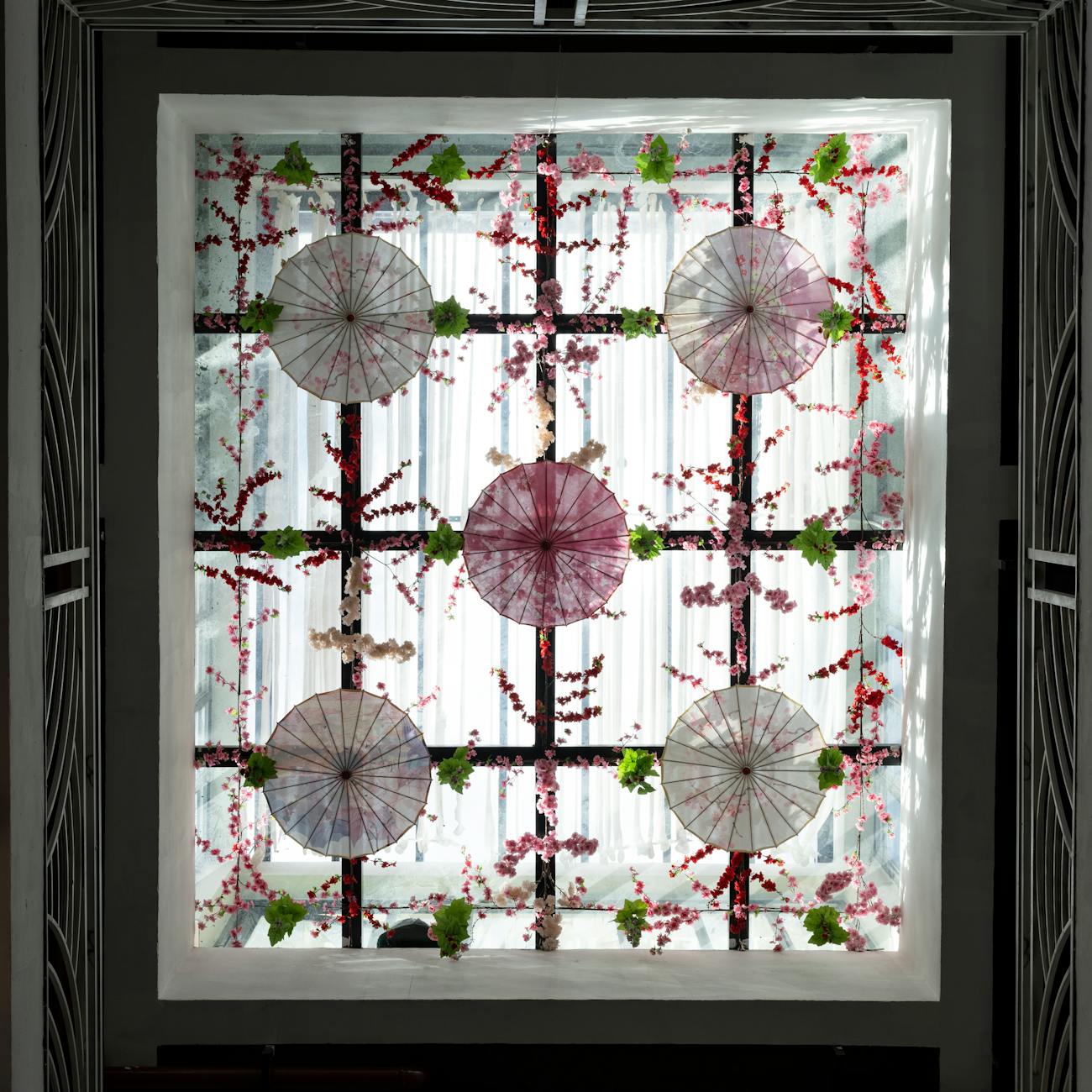
Site-specific art installations are a unique form of artistic expression that are created to interact with a specific location, environment, or context. These installations are intended to enhance the viewer's experience by engaging with the space in which they are situated. This course on Certificate in Public Art Projects will explore the key terms and vocabulary related to site-specific art installations, providing a comprehensive understanding of this specialized field.
**Site-specific Art Installation:**
A site-specific art installation is a work of art that is created to exist in a particular location and is designed to interact with the environment in which it is situated. These installations are often temporary and are meant to be experienced in person, rather than through photographs or other forms of documentation.
**Public Art Projects:**
Public art projects are artistic endeavors that are created for and displayed in public spaces, such as parks, plazas, and streets. These projects are often funded by governments or private organizations and are intended to engage with and enrich the communities in which they are located.
**Environmental Art:**
Environmental art is a form of art that is created in response to the natural environment. Artists working in this field often use natural materials and landscapes as their medium, creating works that are designed to highlight environmental issues or encourage a deeper connection to the natural world.
**Spatial Context:**
Spatial context refers to the physical environment in which a site-specific art installation is situated. This includes considerations such as the size, shape, and layout of the space, as well as any architectural or natural features that may impact the installation.
**Site Analysis:**
Site analysis is the process of evaluating a location in order to determine how best to create an art installation that will complement and enhance the space. This analysis may include considerations such as the history of the site, its current use, and any environmental or social factors that may impact the installation.
**Concept Development:**
Concept development is the process of refining and developing the ideas behind a site-specific art installation. This may involve research, sketching, and experimentation in order to fully flesh out the concept and ensure that it aligns with the vision for the project.
**Material Selection:**
Material selection is a crucial aspect of creating a site-specific art installation, as the materials used will impact both the aesthetic and durability of the work. Artists may choose materials based on their visual qualities, their ability to withstand environmental conditions, or their symbolic significance.
**Installation Process:**
The installation process refers to the physical act of placing the artwork in its designated location. This process may involve coordination with other artists or technicians, as well as considerations such as safety, accessibility, and public engagement.
**Public Engagement:**
Public engagement is an important aspect of site-specific art installations, as these works are often intended to spark conversation, interaction, and reflection among viewers. Artists may engage with the public through workshops, educational programs, or interactive elements within the installation.
**Documentation:**
Documentation is essential for site-specific art installations, as these works are often temporary and may not be accessible to all viewers. Artists may document their process through photographs, videos, or written descriptions in order to preserve the legacy of the installation.
**Maintenance and Conservation:**
Maintenance and conservation are important considerations for site-specific art installations, as these works are often exposed to the elements and may require regular upkeep to ensure their longevity. Artists and organizations may develop maintenance plans to address issues such as weathering, vandalism, or structural integrity.
**Site-specific Art Installation Challenges:**
Creating a site-specific art installation poses a number of challenges for artists, including logistical, technical, and artistic considerations. Artists must navigate issues such as permitting, budget constraints, and public opinion in order to successfully realize their vision for the project.
**Example of Site-specific Art Installation:**
One example of a site-specific art installation is "The Gates" by Christo and Jeanne-Claude, which was installed in Central Park in New York City in 2005. This project consisted of 7,503 fabric panels hung along the park's pathways, creating a stunning visual effect that transformed the park into a temporary work of art. "The Gates" was designed to interact with the park's landscape and architecture, inviting viewers to experience the space in a new and unique way.
**Practical Applications of Site-specific Art Installations:**
Site-specific art installations can be used in a variety of settings and contexts, including urban environments, natural landscapes, and cultural institutions. These installations have the potential to engage with diverse audiences, spark dialogue about social and environmental issues, and enhance the overall experience of a place.
**Key Vocabulary for Site-specific Art Installations:**
- *Site-specific:* Artwork created for a particular location. - *Public Art:* Artwork displayed in public spaces. - *Environmental Art:* Artwork created in response to the natural environment. - *Spatial Context:* Physical environment in which an artwork is situated. - *Site Analysis:* Evaluation of a location for art installation. - *Concept Development:* Refinement of ideas behind an art installation. - *Material Selection:* Choosing materials for an art installation. - *Installation Process:* Placing artwork in its designated location. - *Public Engagement:* Interaction with viewers through the artwork. - *Documentation:* Recording the process and legacy of the installation. - *Maintenance and Conservation:* Upkeep and preservation of the artwork.
In conclusion, site-specific art installations are a dynamic and engaging form of artistic expression that have the power to transform and enliven the spaces in which they are situated. By exploring the key terms and vocabulary related to this specialized field, artists and audiences alike can gain a deeper understanding of the unique challenges and opportunities that come with creating art in a specific location.
Key takeaways
- This course on Certificate in Public Art Projects will explore the key terms and vocabulary related to site-specific art installations, providing a comprehensive understanding of this specialized field.
- A site-specific art installation is a work of art that is created to exist in a particular location and is designed to interact with the environment in which it is situated.
- These projects are often funded by governments or private organizations and are intended to engage with and enrich the communities in which they are located.
- Artists working in this field often use natural materials and landscapes as their medium, creating works that are designed to highlight environmental issues or encourage a deeper connection to the natural world.
- This includes considerations such as the size, shape, and layout of the space, as well as any architectural or natural features that may impact the installation.
- This analysis may include considerations such as the history of the site, its current use, and any environmental or social factors that may impact the installation.
- This may involve research, sketching, and experimentation in order to fully flesh out the concept and ensure that it aligns with the vision for the project.