
Marketing and Promotion for Public Art Projects
In the Certificate in Public Art Projects, Marketing and Promotion for Public Art Projects is a key course that focuses on promoting public art projects to reach a wider audience and increase engagement. Here are some of the key terms and v…
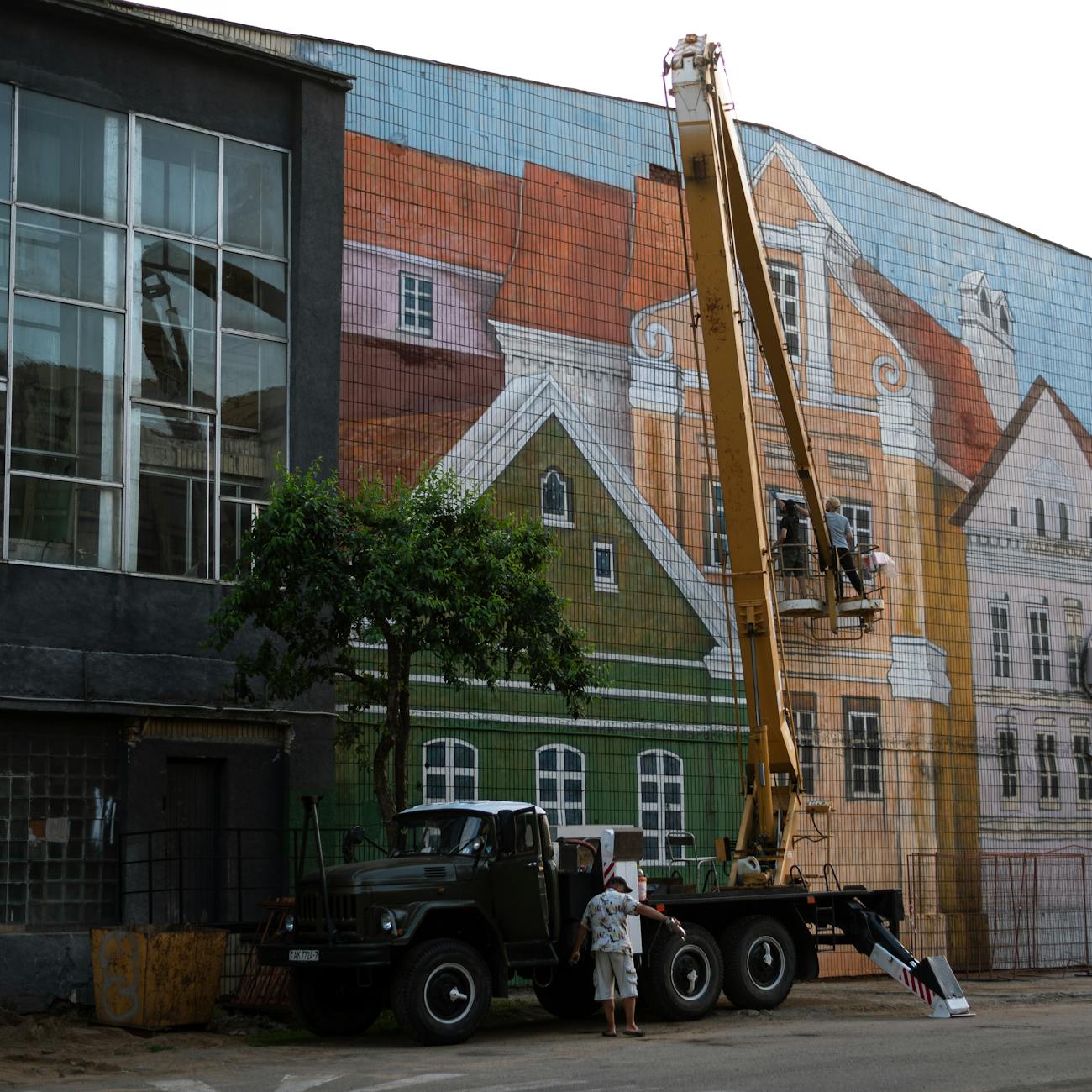
In the Certificate in Public Art Projects, Marketing and Promotion for Public Art Projects is a key course that focuses on promoting public art projects to reach a wider audience and increase engagement. Here are some of the key terms and vocabulary related to this course:
1. Public Art: Public art refers to works of art that are created for and installed in public spaces such as parks, plazas, streets, and buildings. These artworks are accessible to everyone and are often funded by public or private sources. 2. Marketing: Marketing is the process of identifying, anticipating, and satisfying customer needs and wants through the creation, promotion, and distribution of products or services. In the context of public art projects, marketing refers to promoting the artwork to the public to increase awareness, engagement, and appreciation. 3. Promotion: Promotion is a component of marketing that involves communicating and disseminating information about a product or service to potential customers. In the context of public art projects, promotion involves creating and implementing strategies to raise awareness and interest in the artwork. 4. Target Audience: The target audience refers to the specific group of people that a marketing or promotion campaign is intended to reach. For public art projects, the target audience may include the local community, tourists, art enthusiasts, and school groups. 5. Branding: Branding is the process of creating a unique identity and image for a product or service. In the context of public art projects, branding involves creating a visual and messaging strategy that reflects the artwork and its values. 6. Advertising: Advertising is a form of promotion that involves paying for space or time in various media outlets to communicate a message to a target audience. Examples of advertising media for public art projects include print ads, online ads, and outdoor advertising such as billboards and bus shelters. 7. Social Media: Social media refers to online platforms that allow users to create and share content or participate in social networking. Social media can be a powerful tool for promoting public art projects by engaging with the community, sharing information, and fostering dialogue. 8. Community Engagement: Community engagement refers to the process of involving the local community in the planning, creation, and maintenance of public art projects. Community engagement can increase ownership, pride, and appreciation for the artwork, as well as provide valuable insights and feedback. 9. Evaluation: Evaluation is the process of assessing the impact and effectiveness of a marketing or promotion campaign. In the context of public art projects, evaluation involves measuring the success of the campaign in terms of awareness, engagement, and appreciation. 10. Partnership: Partnership refers to collaborative relationships between organizations or individuals to achieve a common goal. Partnerships can be an effective way to promote public art projects by leveraging resources, expertise, and networks.
Here are some practical applications and challenges related to marketing and promotion for public art projects:
1. Developing a marketing and promotion plan: A marketing and promotion plan is a strategic document that outlines the goals, target audience, messaging, and tactics for promoting a public art project. Developing a comprehensive plan can help ensure that the campaign is focused, effective, and measurable. 2. Creating a visual identity: A visual identity is a set of visual elements that represent the public art project and its values. Creating a strong visual identity can help the project stand out, build brand recognition, and create a memorable experience for the audience. 3. Engaging with the community: Community engagement can be a powerful way to promote public art projects and build support. However, it can also be challenging to engage with diverse communities and address their needs and concerns. Effective community engagement requires careful planning, communication, and follow-through. 4. Measuring success: Measuring the success of a marketing and promotion campaign can be challenging, particularly for public art projects that may have intangible outcomes such as community pride or cultural enrichment. However, it is important to establish metrics and evaluate the campaign's impact to improve future efforts. 5. Building partnerships: Partnerships can be a valuable resource for promoting public art projects, but they require time, effort, and communication to build and maintain. Identifying potential partners, establishing clear roles and responsibilities, and fostering open communication can help ensure a successful partnership.
Examples:
1. The "River of Light" public art project in Las Vegas, Nevada, used a marketing and promotion campaign that included social media, advertising, and community engagement to raise awareness and generate excitement for the project. The campaign resulted in over 10,000 attendees and extensive media coverage. 2. The "Cloud Gate" sculpture in Millennium Park in Chicago, Illinois, used a branding campaign that included a distinctive logo, tagline, and messaging to build recognition and appreciation for the artwork. The campaign included advertising, merchandising, and partnerships with local businesses and organizations. 3. The "Wish Tree" public art project in Vancouver, Canada, used community engagement to involve local residents in the creation and installation of the artwork. The project included workshops, community meetings, and online engagement to solicit input and feedback from the community.
In conclusion, marketing and promotion are essential components of public art projects that can increase awareness, engagement, and appreciation for the artwork. By understanding key terms and concepts, developing a comprehensive plan, engaging with the community, measuring success, and building partnerships, public art projects can create a memorable and impactful experience for the audience.
Key takeaways
- In the Certificate in Public Art Projects, Marketing and Promotion for Public Art Projects is a key course that focuses on promoting public art projects to reach a wider audience and increase engagement.
- Marketing: Marketing is the process of identifying, anticipating, and satisfying customer needs and wants through the creation, promotion, and distribution of products or services.
- Measuring success: Measuring the success of a marketing and promotion campaign can be challenging, particularly for public art projects that may have intangible outcomes such as community pride or cultural enrichment.
- The "River of Light" public art project in Las Vegas, Nevada, used a marketing and promotion campaign that included social media, advertising, and community engagement to raise awareness and generate excitement for the project.
- By understanding key terms and concepts, developing a comprehensive plan, engaging with the community, measuring success, and building partnerships, public art projects can create a memorable and impactful experience for the audience.