
Sexuality and Disability
Sexuality and disability are two complex and interconnected concepts that have been historically marginalized and stigmatized. The intersectionality of these two concepts is crucial to understanding the experiences of individuals with disab…
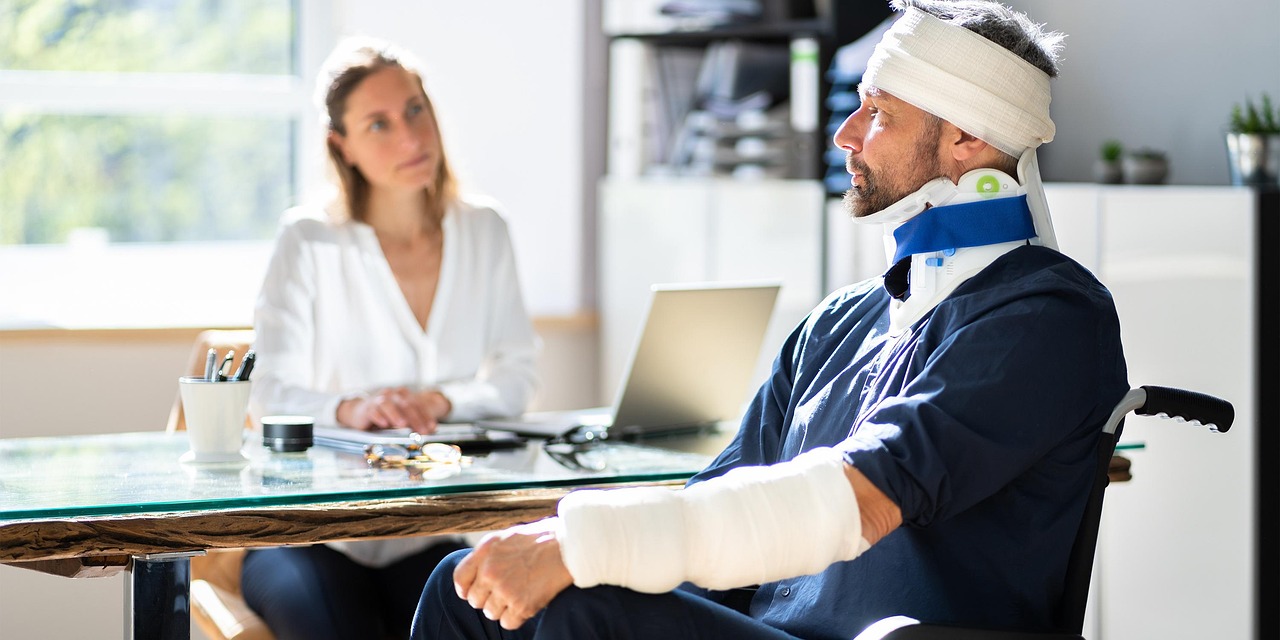
Sexuality and disability are two complex and interconnected concepts that have been historically marginalized and stigmatized. The intersectionality of these two concepts is crucial to understanding the experiences of individuals with disabilities and their sexual rights. The World Health Organization defines sexual health as a state of physical, emotional, mental, and social well-being in relation to sexuality, and it is essential to recognize that individuals with disabilities have the same sexual needs and desires as those without disabilities.
The social model of disability emphasizes that disability is not a personal problem, but rather a result of societal barriers and discrimination that prevent individuals with disabilities from fully participating in society. This model recognizes that individuals with disabilities are not inherently sexually dysfunctional or asexual, but rather, they face unique challenges and barriers in expressing their sexuality. For instance, individuals with physical disabilities may face difficulties in accessing sexual services or sex education due to inaccessible facilities or lack of accommodations.
The medical model of disability, on the other hand, views disability as a personal problem that needs to be cured or rehabilitated. This model can be problematic as it perpetuates the stigma and marginalization of individuals with disabilities, and ignores their sexual agency and autonomy. For example, medical professionals may pathologize the sexuality of individuals with disabilities, viewing it as a symptom of their condition rather than a natural part of their human experience.
The United Nations Convention on the Rights of Persons with Disabilities recognizes the rights of individuals with disabilities to sexual autonomy and reproductive health. However, the implementation of these rights is often inadequate, and individuals with disabilities continue to face significant barriers in accessing sexual services and sex education. For instance, sex education programs may not be inclusive of individuals with disabilities, and sexual services may not be accessible or affordable for them.
The concept of ableism is also essential to understanding the experiences of individuals with disabilities. Ableism refers to the discrimination and stigma faced by individuals with disabilities due to their perceived inability or limitation. Ableism can be internalized by individuals with disabilities, leading to negative self-perceptions and low self-esteem. For example, individuals with disabilities may internalize the societal message that they are not desirable or not capable of intimate relationships.
The impact of ableism on the sexuality of individuals with disabilities cannot be overstated. Ableism can lead to the erasure of the sexuality of individuals with disabilities, as they are often desexualized or infantilized by society. For instance, individuals with intellectual disabilities may be denied their sexual autonomy and reproductive rights due to paternalistic attitudes and lack of trust in their decision-making capacity. The media also plays a significant role in perpetuating ableism and stereotypes about individuals with disabilities, often portraying them as asexual or undesirable.
The importance of inclusive and accessible sex education cannot be emphasized enough. Sex education programs should be designed to meet the unique needs of individuals with disabilities, and should address issues such as consent, communication, and boundary setting. For example, sex education programs for individuals with intellectual disabilities may need to incorporate visual aids and simple language to ensure that they can understand and engage with the material. The role of disability advocates and organizations is also crucial in promoting the sexual rights of individuals with disabilities and challenging ableism and stereotypes.
The concept of disability justice is also essential to understanding the experiences of individuals with disabilities. Disability justice refers to the social movement that seeks to challenge and transform the systems and structures that perpetuate ableism and disability oppression. Disability justice emphasizes the importance of centering the voices and experiences of individuals with disabilities, and amplifying their stories and struggles. For instance, disability justice activists may organize protests and campaigns to challenge ableist policies and practices, and to promote the inclusion and empowerment of individuals with disabilities.
The intersectionality of disability and other forms of oppression, such as racism, sexism, and homophobia, is also crucial to understanding the experiences of individuals with disabilities. Intersectionality recognizes that individuals with disabilities may face multiple forms of oppression and marginalization, and that these forms of oppression can intersect and compound each other. For example, a queer individual with a physical disability may face discrimination and stigma due to their sexual orientation and disability status, and may require specialized support and services to address these multiple forms of oppression.
The importance of accessibility and inclusion in sexual services and sex education cannot be overstated. Accessibility refers to the physical and communication barriers that prevent individuals with disabilities from accessing sexual services and sex education. For instance, sexual health clinics may not have accessible facilities or equipment, such as wheelchair ramps or sign language interpreters, which can prevent individuals with disabilities from accessing these services. The role of technology in enhancing accessibility and inclusion is also significant, as it can provide new opportunities for individuals with disabilities to access sexual services and sex education, such as online platforms and mobile apps.
The impact of stigma and discrimination on the mental health and well-being of individuals with disabilities cannot be overstated. Stigma and discrimination can lead to negative self-perceptions and low self-esteem, as well as anxiety, depression, and post-traumatic stress disorder (PTSD). For example, individuals with disabilities may experience trauma and violence due to their disability status, and may require specialized support and services to address these mental health concerns. The importance of peer support and self-advocacy in promoting the mental health and well-being of individuals with disabilities cannot be emphasized enough.
The role of healthcare providers in promoting the sexual health and well-being of individuals with disabilities is crucial. Healthcare providers should be trained to provide accessible and inclusive sexual health services, and should be aware of the unique needs and challenges faced by individuals with disabilities. For instance, healthcare providers may need to adapt their communication styles and assessment tools to meet the needs of individuals with disabilities, such as using simple language or visual aids. The importance of cultural competence and sensitivity in providing sexual health services to individuals with disabilities cannot be overstated, as it can help to build trust and rapport with individuals with disabilities and promote their sexual health and well-being.
The future of sexuality and disability research and practice is exciting and promising. There is a growing recognition of the importance of inclusive and accessible sexual health services and sex education, and a growing movement to promote the sexual rights and autonomy of individuals with disabilities. For example, there are new initiatives to develop accessible and inclusive sex education programs, and to provide training and resources for healthcare providers to support the sexual health and well-being of individuals with disabilities. The role of technology in enhancing accessibility and inclusion is also significant, as it can provide new opportunities for individuals with disabilities to access sexual services and sex education, and to connect with others who share similar experiences and challenges.
Key takeaways
- The intersectionality of these two concepts is crucial to understanding the experiences of individuals with disabilities and their sexual rights.
- This model recognizes that individuals with disabilities are not inherently sexually dysfunctional or asexual, but rather, they face unique challenges and barriers in expressing their sexuality.
- For example, medical professionals may pathologize the sexuality of individuals with disabilities, viewing it as a symptom of their condition rather than a natural part of their human experience.
- However, the implementation of these rights is often inadequate, and individuals with disabilities continue to face significant barriers in accessing sexual services and sex education.
- For example, individuals with disabilities may internalize the societal message that they are not desirable or not capable of intimate relationships.
- The media also plays a significant role in perpetuating ableism and stereotypes about individuals with disabilities, often portraying them as asexual or undesirable.
- The role of disability advocates and organizations is also crucial in promoting the sexual rights of individuals with disabilities and challenging ableism and stereotypes.