
Sex Education in a Multicultural Society
Sex education in a multicultural society is a complex and multifaceted field that requires a deep understanding of various cultural norms, values, and beliefs. It involves teaching individuals about human sexuality , relationships, and sexu…
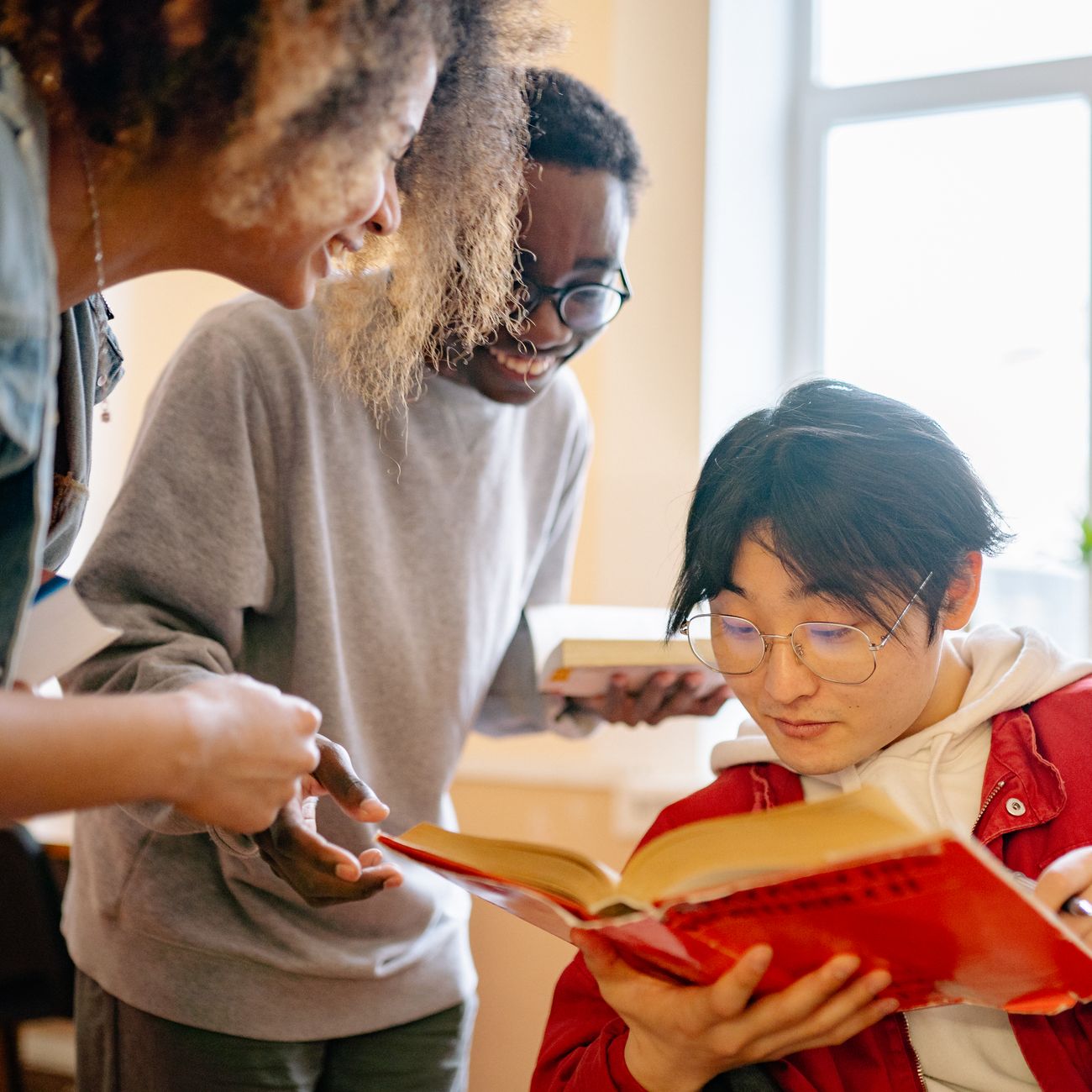
Sex education in a multicultural society is a complex and multifaceted field that requires a deep understanding of various cultural norms, values, and beliefs. It involves teaching individuals about human sexuality, relationships, and sexual health in a way that is respectful and sensitive to diverse backgrounds and identities. Effective sex education in a multicultural society must take into account the different perspectives and experiences of individuals from various ethnic and cultural groups.
One of the key challenges in providing sex education in a multicultural society is addressing the diverse values and beliefs that individuals bring to the learning process. For example, some cultures may place a strong emphasis on abstinence and modesty, while others may be more permissive and open in their attitudes towards sexuality. Sex educators must be sensitive to these differences and create a learning environment that is inclusive and respectful of all individuals, regardless of their cultural background.
Another important consideration in sex education is the concept of consent, which refers to the voluntary and informed agreement to engage in a particular sexual activity. Consent is an essential aspect of healthy relationships and is critical in preventing sexual coercion and abuse. However, the concept of consent can vary across different cultures and contexts, and sex educators must be aware of these differences in order to provide effective and culturally sensitive education.
In addition to addressing cultural differences, sex education in a multicultural society must also take into account the diverse identities and experiences of individuals, including those who identify as lesbian, gay, bisexual, transgender, or queer. Sex educators must create a learning environment that is welcoming and inclusive of all individuals, regardless of their sexual orientation or gender identity.
The concept of gender is also an important aspect of sex education in a multicultural society. Gender refers to the social and cultural expectations associated with being male or female, and can vary significantly across different cultures and contexts. Sex educators must be aware of these differences and provide education that is sensitive to the diverse gender identities and experiences of individuals.
Furthermore, sex education in a multicultural society must address the issue of sexual health, including the prevention of sexually transmitted infections (STIs) and HIV. This requires providing individuals with accurate and reliable information about contraception, condoms, and other methods of protection. Sex educators must also be aware of the cultural and socioeconomic factors that can impact access to healthcare and health services.
The role of family and community in sex education is also an important consideration in a multicultural society. In many cultures, the family plays a significant role in shaping values and attitudes towards sexuality and relationships. Sex educators must be aware of these cultural differences and work to engage families and communities in the sex education process.
In terms of policy and practice, sex education in a multicultural society must be guided by a commitment to social justice and human rights. This includes recognizing the right to education and information about sexuality and sexual health, as well as the right to autonomy and self-determination in making decisions about one's own body and wellbeing.
In addition to these considerations, sex education in a multicultural society must also address the issue of technology and its impact on relationships and sexuality. The widespread use of social media and online platforms has created new challenges and opportunities for sex education, and sex educators must be aware of these developments in order to provide effective and relevant education.
The concept of intersectionality is also an important aspect of sex education in a multicultural society. Intersectionality refers to the ways in which different forms of oppression and discrimination intersect and impact individuals and communities. Sex educators must be aware of these intersections and provide education that is sensitive to the diverse experiences and identities of individuals.
Moreover, sex education in a multicultural society must be tailored to the specific needs and contexts of different communities and populations. This includes providing education that is sensitive to the age and developmental level of individuals, as well as their cultural and linguistic backgrounds.
The role of power and privilege in sex education is also an important consideration in a multicultural society. Sex educators must be aware of the ways in which power and privilege can impact relationships and interactions, and work to create a learning environment that is equitable and inclusive of all individuals.
In terms of curriculum and program development, sex education in a multicultural society must be guided by a commitment to cultural competence and relevance. This includes providing education that is tailored to the specific needs and contexts of different communities and populations, as well as incorporating diverse perspectives and experiences into the learning process.
The use of media and technology in sex education is also an important consideration in a multicultural society. Sex educators must be aware of the ways in which media and technology can be used to promote healthy relationships and sexual health, as well as the potential risks and challenges associated with their use.
Furthermore, sex education in a multicultural society must address the issue of violence and abuse, including sexual coercion and harassment. Sex educators must provide individuals with the knowledge and skills they need to navigate healthy relationships and interactions, as well as the resources and support they need to address violence and abuse.
The concept of pleasure and desire is also an important aspect of sex education in a multicultural society. Sex educators must provide individuals with the knowledge and skills they need to navigate their own desires and pleasures, as well as the boundaries and limits that are essential to healthy relationships and interactions.
In addition to these considerations, sex education in a multicultural society must also address the issue of parenting and caregiving, including the roles and responsibilities of parents and caregivers in promoting healthy relationships and sexual health. Sex educators must provide parents and caregivers with the knowledge and skills they need to support the sexual health and wellbeing of their children and dependents.
The use of storytelling and narrative in sex education is also an important consideration in a multicultural society. Sex educators must be aware of the ways in which stories and narratives can be used to promote healthy relationships and sexual health, as well as the potential risks and challenges associated with their use.
Moreover, sex education in a multicultural society must be guided by a commitment to social justice and human rights, including the right to education and information about sexuality and sexual health. Sex educators must work to create a learning environment that is inclusive and welcoming of all individuals, regardless of their cultural background or identity.
The concept of community and belonging is also an important aspect of sex education in a multicultural society. Sex educators must provide individuals with the knowledge and skills they need to navigate healthy relationships and interactions, as well as the support and resources they need to address violence and abuse.
In terms of assessment and evaluation, sex education in a multicultural society must be guided by a commitment to cultural competence and relevance. This includes providing education that is tailored to the specific needs and contexts of different communities and populations, as well as incorporating diverse perspectives and experiences into the learning process.
The role of policy and advocacy in sex education is also an important consideration in a multicultural society. Sex educators must work to create policies and programs that promote healthy relationships and sexual health, as well as the rights and resources that individuals need to access education and information about sexuality and sexual health.
In addition to these considerations, sex education in a multicultural society must also address the issue of faith and spirituality, including the roles and influences of faith and spirituality on sexuality and relationships. Sex educators must provide individuals with the knowledge and skills they need to navigate their own faith and spirituality, as well as the boundaries and limits that are essential to healthy relationships and interactions.
The concept of body and embodiment is also an important aspect of sex education in a multicultural society. Sex educators must provide individuals with the knowledge and skills they need to navigate their own bodies and desires, as well as the boundaries and limits that are essential to healthy relationships and interactions.
In terms of training and professional development, sex education in a multicultural society must be guided by a commitment to cultural competence and relevance. This includes providing educators and practitioners with the knowledge and skills they need to provide effective and culturally sensitive sex education, as well as the resources and support they need to address the diverse needs and contexts of different communities and populations.
The role of research and evaluation in sex education is also an important consideration in a multicultural society. Sex educators must be aware of the latest research and findings in the field of sex education, as well as the methods and approaches that are most effective in promoting healthy relationships and sexual health.
In addition to these considerations, sex education in a multicultural society must also address the issue of access and equity, including the barriers and challenges that individuals may face in accessing education and information about sexuality and sexual health. Sex educators must work to create a learning environment that is inclusive and welcoming of all individuals, regardless of their cultural background or identity.
The concept of cultural humility is also an important aspect of sex education in a multicultural society. Sex educators must be aware of their own biases and assumptions, as well as the limits of their own knowledge and expertise. This includes being open to feedback and criticism, as well as being willing to learn from others and adapt to new situations and contexts.
In terms of community engagement and outreach, sex education in a multicultural society must be guided by a commitment to partnership and collaboration. This includes working with community organizations and leaders to provide education and resources that are tailored to the specific needs and contexts of different communities and populations.
The role of policy and advocacy in sex education is also an important consideration in a multicultural society. Sex educators must work to create policies and programs that promote healthy relationships and sexual health, as well as the rights and resources that individuals need to access education and information about sexuality and sexual health.
In addition to these considerations, sex education in a multicultural society must also address the issue of technology and social media, including the impact of technology on relationships and interactions. Sex educators must provide individuals with the knowledge and skills they need to navigate the online world and social media, as well as the risks and challenges associated with their use.
The concept of resilience and wellbeing is also an important aspect of sex education in a multicultural society. Sex educators must provide individuals with the knowledge and skills they need to navigate challenges and adversity, as well as the strategies and resources they need to promote their own wellbeing and resilience.
In terms of curriculum and program development, sex education in a multicultural society must be guided by a commitment to cultural competence and relevance. This includes providing education that is tailored to the specific needs and contexts of different communities and populations, as well as incorporating diverse perspectives and experiences into the learning process.
The role of family and community in sex education is also an important consideration in a multicultural society. Sex educators must work to engage families and communities in the sex education process, as well as provide them with the resources and support they need to promote healthy relationships and sexual health.
In addition to these considerations, sex education in a multicultural society must also address the issue of power and privilege, including the impact of power and privilege on relationships and interactions. Sex educators must provide individuals with the knowledge and skills they need to navigate power and privilege, as well as the strategies and resources they need to promote equity and justice.
The concept of social justice is also an important aspect of sex education in a multicultural society. Sex educators must work to create a learning environment that is inclusive and welcoming of all individuals, regardless of their cultural background or identity. This includes promoting equity and justice in all aspects of the learning process, as well as addressing the barriers and challenges that individuals may face in accessing education and information about sexuality and sexual health.
In terms of training and professional development, sex education in a multicultural society must be guided by a commitment to cultural competence and relevance. This includes providing educators and practitioners with the knowledge and skills they need to provide effective and culturally sensitive sex education, as well as the resources and support they need to address the diverse needs and contexts of different communities and populations.
The role of research and evaluation in sex education is also an important consideration in a multicultural society. Sex educators must be aware of the latest research and findings in the field of sex education, as well as the methods and approaches that are most effective in promoting healthy relationships and sexual health.
In addition to these considerations, sex education in a multicultural society must also address the issue of access and equity, including the barriers and challenges that individuals may face in accessing education and information about sexuality and sexual health. Sex educators must work to create a learning environment that is inclusive and welcoming of all individuals, regardless of their cultural background or identity.
Key takeaways
- Effective sex education in a multicultural society must take into account the different perspectives and experiences of individuals from various ethnic and cultural groups.
- Sex educators must be sensitive to these differences and create a learning environment that is inclusive and respectful of all individuals, regardless of their cultural background.
- However, the concept of consent can vary across different cultures and contexts, and sex educators must be aware of these differences in order to provide effective and culturally sensitive education.
- Sex educators must create a learning environment that is welcoming and inclusive of all individuals, regardless of their sexual orientation or gender identity.
- Gender refers to the social and cultural expectations associated with being male or female, and can vary significantly across different cultures and contexts.
- Furthermore, sex education in a multicultural society must address the issue of sexual health, including the prevention of sexually transmitted infections (STIs) and HIV.
- In many cultures, the family plays a significant role in shaping values and attitudes towards sexuality and relationships.