
Machine Learning for Environmental Monitoring and Prediction
Machine learning for environmental monitoring and prediction is a rapidly growing field that involves the use of artificial intelligence and statistical techniques to analyze and interpret environmental data. This field has become increasin…
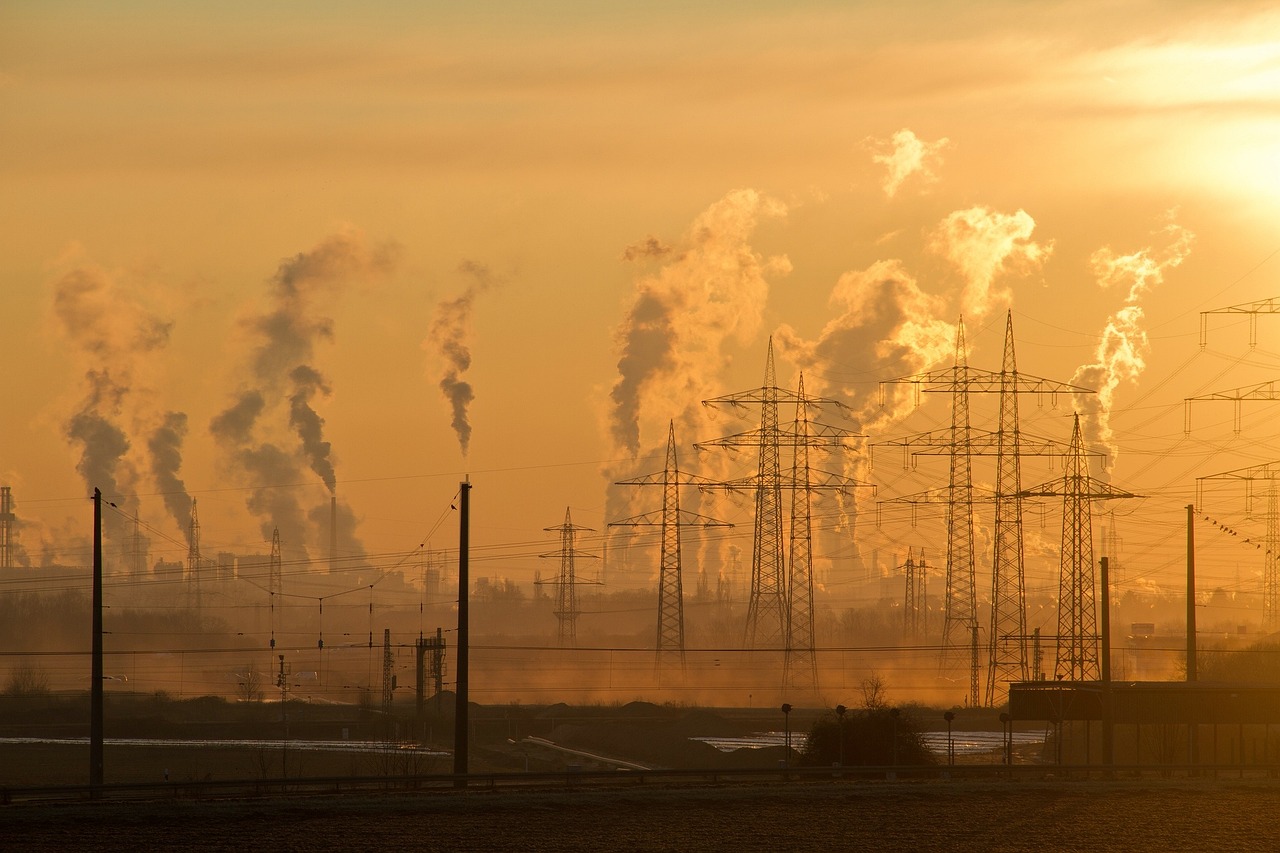
Machine learning for environmental monitoring and prediction is a rapidly growing field that involves the use of artificial intelligence and statistical techniques to analyze and interpret environmental data. This field has become increasingly important in recent years due to the growing need to protect the environment and predict potential environmental disasters. One of the key applications of machine learning in environmental monitoring is the analysis of remote sensing data, which involves the use of satellite or aerial imagery to collect data on environmental phenomena such as deforestation, ocean currents, and weather patterns.
Machine learning algorithms can be used to analyze this data and identify patterns or trends that may indicate potential environmental problems. For example, image classification algorithms can be used to analyze satellite imagery and identify areas of deforestation or habitat destruction. These algorithms can also be used to predict the likelihood of future environmental disasters such as hurricanes or wildfires. Another key application of machine learning in environmental monitoring is the analysis of sensor data, which involves the use of sensors to collect data on environmental phenomena such as air and water quality.
For example, regression algorithms can be used to analyze data on air quality and predict the likelihood of future pollution events. These algorithms can also be used to identify the sources of pollution and predict the impact of different mitigation strategies. Machine learning can also be used for predictive modeling of environmental systems, which involves the use of machine learning algorithms to predict the behavior of complex environmental systems.
For example, neural networks can be used to model the behavior of ocean currents and predict the likelihood of future ocean acidification. These models can also be used to predict the impact of different mitigation strategies such as reducing carbon emissions or protecting marine habitats. Machine learning can also be used for decision support in environmental management, which involves the use of machine learning algorithms to analyze data and provide recommendations for environmental decision-making.
For example, decision tree algorithms can be used to analyze data on water quality and provide recommendations for water treatment strategies. These algorithms can also be used to identify the most effective mitigation strategies for reducing pollution and protecting aquatic ecosystems. One of the key challenges in machine learning for environmental monitoring and prediction is the need for high quality data, which involves the collection and preprocessing of large datasets on environmental phenomena.
This can be a time-consuming and expensive process, particularly in areas with limited resources or infrastructure. However, the use of machine learning algorithms can help to automate the process of data analysis and provide more accurate and reliable results. Another challenge is the need for domain expertise, which involves the need for experts in environmental science and machine learning to work together to develop and apply machine learning algorithms.
This can be a challenge, particularly in areas with limited expertise or resources. However, the use of machine learning algorithms can help to provide more accurate and reliable results, and can also help to identify areas where further research is needed. Machine learning can also be used for real time monitoring of environmental systems, which involves the use of machine learning algorithms to analyze data in real-time and provide immediate feedback on environmental conditions.
For example, streaming algorithms can be used to analyze data from sensors and provide real-time updates on air and water quality. These algorithms can also be used to provide early warnings of potential environmental disasters such as hurricanes or wildfires. Machine learning can also be used for spatial analysis of environmental data, which involves the use of machine learning algorithms to analyze data on environmental phenomena in different locations.
For example, geospatial algorithms can be used to analyze data on deforestation and predict the likelihood of future habitat destruction. These algorithms can also be used to identify areas where conservation efforts are most needed and predict the impact of different conservation strategies. One of the key applications of machine learning in environmental monitoring is the analysis of climate data, which involves the use of machine learning algorithms to analyze data on climate patterns and predict the likelihood of future climate-related disasters.
For example, time series algorithms can be used to analyze data on temperature and precipitation patterns and predict the likelihood of future droughts or heatwaves. These algorithms can also be used to identify areas where climate change is having the greatest impact and predict the effects of different mitigation strategies. Machine learning can also be used for uncertainty quantification in environmental modeling, which involves the use of machine learning algorithms to quantify the uncertainty in environmental models and predict the likelihood of different outcomes.
For example, bayesian algorithms can be used to analyze data on environmental phenomena and quantify the uncertainty in model predictions. These algorithms can also be used to identify areas where further research is needed and predict the impact of different mitigation strategies. Machine learning can also be used for feature selection in environmental data, which involves the use of machine learning algorithms to select the most relevant features or variables in environmental datasets.
For example, recursive algorithms can be used to analyze data on environmental phenomena and select the most important features for model prediction. These algorithms can also be used to identify areas where data is missing or incomplete and predict the impact of different data collection strategies. One of the key challenges in machine learning for environmental monitoring and prediction is the need for interpretability of model results, which involves the need to understand and interpret the results of machine learning models.
Machine learning can also be used for transfer learning in environmental modeling, which involves the use of machine learning algorithms to transfer knowledge from one environmental problem to another.
For example, domain adaptation algorithms can be used to analyze data on one environmental problem and apply the knowledge to another related problem. Machine learning can also be used for ensemble methods in environmental modeling, which involves the use of multiple machine learning models to predict environmental outcomes.
For example, bagging algorithms can be used to analyze data on environmental phenomena and combine the predictions of multiple models. One of the key applications of machine learning in environmental monitoring is the analysis of ecosystem data, which involves the use of machine learning algorithms to analyze data on ecosystem processes and predict the likelihood of future ecosystem disruptions.
For example, network algorithms can be used to analyze data on ecosystem interactions and predict the impact of different ecosystem disruptions. Machine learning can also be used for resilience analysis in environmental systems, which involves the use of machine learning algorithms to analyze data on environmental systems and predict the likelihood of future system disruptions.
For example, graph algorithms can be used to analyze data on environmental systems and predict the impact of different system disruptions. Machine learning can also be used for sustainability analysis in environmental systems, which involves the use of machine learning algorithms to analyze data on environmental systems and predict the likelihood of future system sustainability.
For example, optimization algorithms can be used to analyze data on environmental systems and predict the impact of different sustainability strategies. One of the key challenges in machine learning for environmental monitoring and prediction is the need for collaboration between environmental scientists and machine learning experts, which involves the need for experts in environmental science and machine learning to work together to develop and apply machine learning algorithms.
Machine learning can also be used for education and outreach in environmental sustainability, which involves the use of machine learning algorithms to educate the public about environmental sustainability and predict the impact of different sustainability strategies.
For example, visualization algorithms can be used to analyze data on environmental phenomena and provide visualizations of the results. Machine learning can also be used for policy analysis in environmental sustainability, which involves the use of machine learning algorithms to analyze data on environmental policy and predict the impact of different policy strategies.
For example, simulation algorithms can be used to analyze data on environmental policy and predict the impact of different policy scenarios. These algorithms can also be used to identify areas where policy efforts are most needed and predict the impact of different policy strategies. One of the key applications of machine learning in environmental monitoring is the analysis of human impact on the environment, which involves the use of machine learning algorithms to analyze data on human activities and predict the likelihood of future environmental disruptions.
For example, activity recognition algorithms can be used to analyze data on human activities and predict the impact of different activities on the environment. Machine learning can also be used for conservation planning in environmental sustainability, which involves the use of machine learning algorithms to analyze data on environmental systems and predict the impact of different conservation strategies.
For example, planning algorithms can be used to analyze data on environmental systems and predict the impact of different conservation scenarios. Machine learning can also be used for restoration ecology in environmental sustainability, which involves the use of machine learning algorithms to analyze data on environmental systems and predict the impact of different restoration strategies.
For example, ecological algorithms can be used to analyze data on environmental systems and predict the impact of different restoration scenarios. These algorithms can also be used to identify areas where restoration efforts are most needed and predict the impact of different restoration strategies. One of the key challenges in machine learning for environmental monitoring and prediction is the need for data quality and quantity, which involves the need for high-quality and large quantities of data on environmental phenomena.
This can be a challenge, particularly in areas with limited resources or infrastructure. Machine learning can also be used for knowledge discovery in environmental science, which involves the use of machine learning algorithms to analyze data on environmental phenomena and discover new knowledge or patterns.
For example, association algorithms can be used to analyze data on environmental phenomena and discover new relationships or patterns. These algorithms can also be used to identify areas where further research is needed and predict the impact of different research strategies. Machine learning can also be used for prediction of environmental phenomena, which involves the use of machine learning algorithms to analyze data on environmental phenomena and predict the likelihood of future events.
For example, regression algorithms can be used to analyze data on environmental phenomena and predict the likelihood of future events. One of the key applications of machine learning in environmental monitoring is the analysis of atmospheric data, which involves the use of machine learning algorithms to analyze data on atmospheric phenomena and predict the likelihood of future atmospheric events.
For example, classification algorithms can be used to analyze data on atmospheric phenomena and predict the likelihood of future atmospheric events. Machine learning can also be used for hydrological modeling, which involves the use of machine learning algorithms to analyze data on hydrological phenomena and predict the likelihood of future hydrological events.
For example, time series algorithms can be used to analyze data on hydrological phenomena and predict the likelihood of future hydrological events. One of the key challenges in machine learning for environmental monitoring and prediction is the need for integration of multiple data sources, which involves the need to integrate data from multiple sources and predict the likelihood of future environmental events.
Machine learning can also be used for modeling of environmental systems, which involves the use of machine learning algorithms to analyze data on environmental systems and predict the likelihood of future environmental events.
For example, system dynamics algorithms can be used to analyze data on environmental systems and predict the likelihood of future environmental events. One of the key applications of machine learning in environmental monitoring is the analysis of soil data, which involves the use of machine learning algorithms to analyze data on soil phenomena and predict the likelihood of future soil events.
For example, classification algorithms can be used to analyze data on soil phenomena and predict the likelihood of future soil events. Machine learning can also be used for ecological modeling, which involves the use of machine learning algorithms to analyze data on ecological phenomena and predict the likelihood of future ecological events.
For example, network algorithms can be used to analyze data on ecological phenomena and predict the likelihood of future ecological events. One of the key challenges in machine learning for environmental monitoring and prediction is the need for validation of model results, which involves the need to validate the results of machine learning models and predict the likelihood of future environmental events.
Machine learning can also be used for uncertainty analysis in environmental modeling, which involves the use of machine learning algorithms to analyze data on environmental systems and predict the likelihood of future environmental events.
For example, bayesian algorithms can be used to analyze data on environmental systems and predict the likelihood of future environmental events. One of the key applications of machine learning in environmental monitoring is the analysis of ocean data, which involves the use of machine learning algorithms to analyze data on ocean phenomena and predict the likelihood of future ocean events.
For example, time series algorithms can be used to analyze data on ocean phenomena and predict the likelihood of future ocean events. Machine learning can also be used for coastal modeling, which involves the use of machine learning algorithms to analyze data on coastal phenomena and predict the likelihood of future coastal events.
For example, spatial algorithms can be used to analyze data on coastal phenomena and predict the likelihood of future coastal events.
Key takeaways
- Machine learning for environmental monitoring and prediction is a rapidly growing field that involves the use of artificial intelligence and statistical techniques to analyze and interpret environmental data.
- Another key application of machine learning in environmental monitoring is the analysis of sensor data, which involves the use of sensors to collect data on environmental phenomena such as air and water quality.
- Machine learning can also be used for predictive modeling of environmental systems, which involves the use of machine learning algorithms to predict the behavior of complex environmental systems.
- Machine learning can also be used for decision support in environmental management, which involves the use of machine learning algorithms to analyze data and provide recommendations for environmental decision-making.
- One of the key challenges in machine learning for environmental monitoring and prediction is the need for high quality data, which involves the collection and preprocessing of large datasets on environmental phenomena.
- Another challenge is the need for domain expertise, which involves the need for experts in environmental science and machine learning to work together to develop and apply machine learning algorithms.
- Machine learning can also be used for real time monitoring of environmental systems, which involves the use of machine learning algorithms to analyze data in real-time and provide immediate feedback on environmental conditions.